The German real estate market, once considered the bedrock of European financial stability and a preferred safe haven for investors, is currently navigating a period of profound uncertainty. A comprehensive new study from the Cologne Institute for Economic Research (IW) reveals that the market has entered a phase of stagnation, characterized by tepid price movements and a deepening crisis in the construction sector. As high interest rates persist and structural economic pressures mount, the dream of homeownership is becoming increasingly elusive for many, while the rental market experiences unprecedented upward pressure.
Main Facts: A Market in Neutral
According to the latest data from the IW, the third quarter of this year brought little relief or movement to the German property sector. Prices for condominiums saw a marginal increase of just 0.3 percent compared to the same period last year. Similarly, the segment for single- and two-family homes recorded a modest rise of 0.4 percent.
The conclusion drawn by researchers at the IW is stark: "Since 2023, purchase prices have been moving largely sideways." When adjusted for the broader economic context, the current valuations sit roughly ten percent lower than the market peak observed in 2022. This sideways movement is not a sign of health, but rather a reflection of a market struggling to reconcile the realities of expensive debt with the stubborn, high expectations of sellers.
Chronology of a Correction
To understand the current state of play, one must look back at the trajectory of the German market over the past three years.
- 2022 – The Peak: The market reached its zenith, fueled by a decade of ultra-low interest rates and high demand for residential space. Prices were at an all-time high, and property was widely viewed as a bulletproof investment.
- Early 2023 – The Pivot: As the European Central Bank (ECB) began its aggressive cycle of interest rate hikes to combat surging inflation, the cost of financing skyrocketed. The impact on the real estate market was almost instantaneous.
- Late 2023 to Early 2024 – The Cooling: The "sideways" movement identified by the IW began to take hold. Prospective buyers, faced with monthly mortgage payments that had effectively doubled in some instances, retreated from the market.
- Third Quarter 2024 – The Current Stasis: The market is now defined by a standoff. Sellers are often unwilling to lower their prices significantly, while buyers are priced out by high interest rates and broader economic anxiety.
The Engines of Stagnation: Why the Market is Stuck
The IW study, co-authored by researchers Pekka Sagner and Michael Voigtländer, points to a cocktail of factors driving this stagnation. At the heart of the issue is the surge in financing costs.
"Due to higher financing costs, demand for properties is falling, which is why prices are essentially stagnating," the authors note. However, the crisis is not purely internal to the German banking system. The researchers highlight broader macroeconomic concerns, specifically "increased inflation expectations and growing doubts regarding the sustainability of sovereign debt, particularly in the United States and France."

For the average household, the math has become unforgiving. For a mortgage loan of €300,000 with a two percent repayment rate, households are now expected to pay approximately €1,600 in monthly installments. At the start of the year, that same loan would have cost roughly €1,450—a ten percent increase in the monthly burden that effectively shrinks the pool of qualified buyers.
Regional Disparities: A Tale of Two Cities
The national averages mask a highly volatile and fragmented landscape. The IW report highlights that the experience of the housing market depends heavily on geography.
In Germany’s seven largest cities, the trend for condominiums is actually downward, with prices falling by 0.8 percent. In contrast, smaller metropolitan areas and their surrounding commuter belts saw prices rise by 1.2 percent. This shift suggests that as prime city-center real estate becomes unaffordable, demand is spilling over into secondary and tertiary markets, driving prices up in regions that were previously more accessible.
Notable Gainers and Losers:
- Essen: The strongest growth was recorded here, with prices rising by 3.5 percent.
- Dortmund: Prices increased by 2.0 percent.
- Hamburg: Bucked the trend of the seven largest cities with an increase of 1.8 percent.
- Stuttgart: Suffered the sharpest decline, with prices falling by 3.9 percent.
- Berlin: Saw a notable correction of 2.0 percent.
- Munich: Despite being the most expensive city in Germany, prices here dipped by 0.7 percent.
The Construction Crisis: The "New Build" Bottleneck
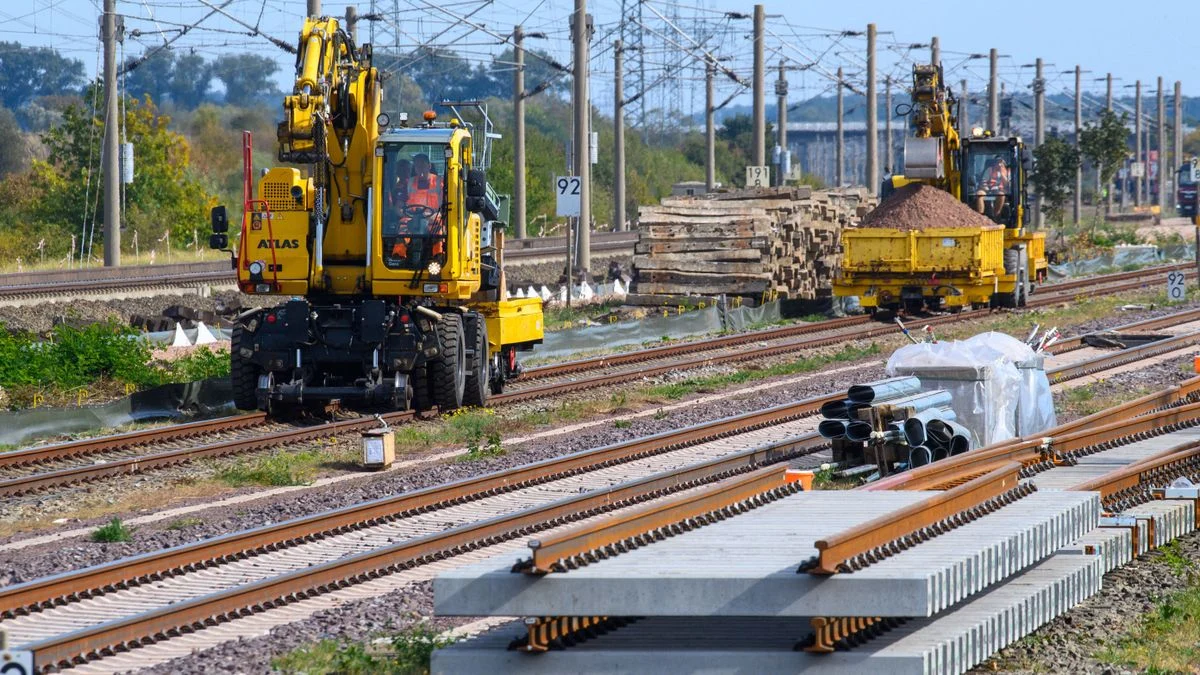
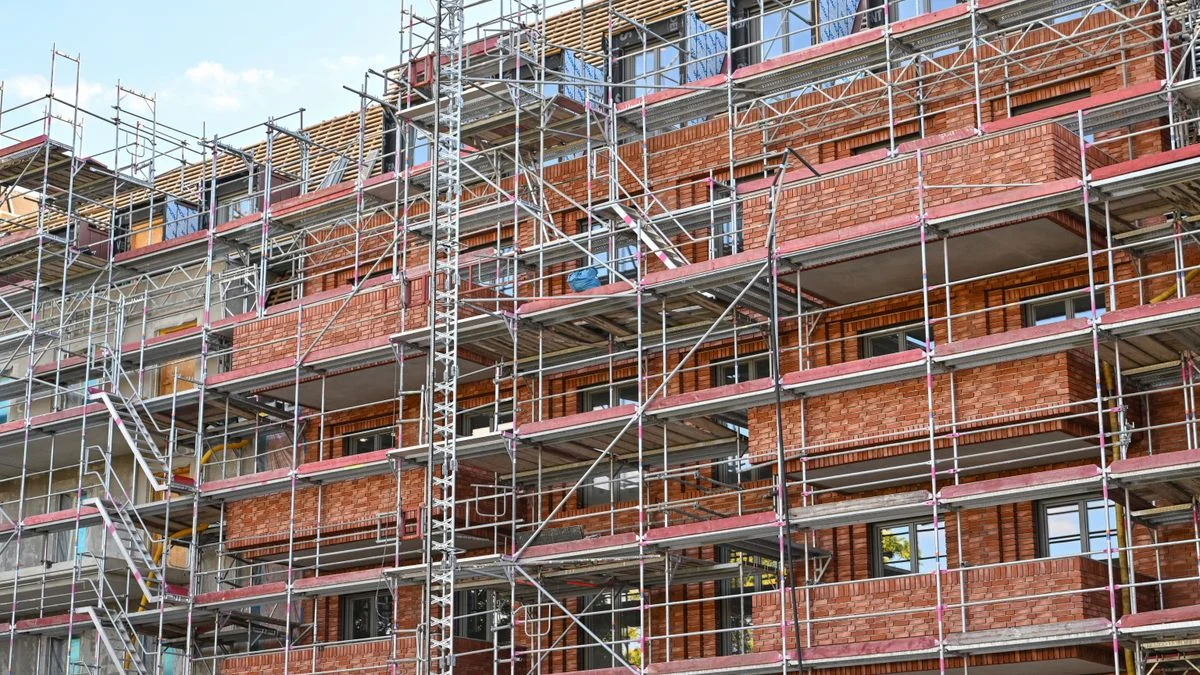
Perhaps the most worrying finding in the IW report is the outlook for the construction sector. The number of new housing starts is expected to continue its decline, as high construction costs—driven primarily by energy prices—converge with high interest rates.
"Interest rates and construction costs are rising at the same time, which is exacerbating the housing construction crisis," the authors warn. This creates a vicious cycle: the lack of new supply keeps upward pressure on housing costs, but the cost to build that new supply has become prohibitive for developers. As project after project is put on hold, the long-term outlook for housing availability remains grim.

Implications: The Great Migration to the Rental Market
As the path to homeownership narrows, the rental market is feeling the full force of the pressure. Nationwide, rents climbed by 4.5 percent in the third quarter compared to the previous year.
Hamburg leads the way in rent growth, with a 6.8 percent surge, followed by Cologne (5.3 percent) and Essen (4.9 percent). Looking at the longer-term trend since 2022, Berlin has seen a staggering rent increase of 29.5 percent.
The IW researchers summarize this phenomenon succinctly: "High interest rates are steering affluent households into the rental market."
The implications are twofold:
- For Renters: The competition for available space is becoming fiercer. As those who would have otherwise purchased a home remain in the rental pool, they push up prices, squeezing lower-income families who have fewer housing alternatives.
- For Policy Makers: There is no quick fix in sight. The IW explicitly states that it expects no near-term relief. "Rising construction costs will likely continue to dampen new construction and therefore drive up rents," the report concludes.
Conclusion: A Structural Challenge for Germany
The German property market is in the midst of a painful adjustment process. What was once a straightforward path to wealth creation through real estate has become a complex arena defined by high costs, stalled construction, and an increasingly squeezed rental population.
For the German government, the data from the IW serves as a warning. Without structural interventions—whether through targeted subsidies for construction, a reform of the planning process, or a stabilization of energy and financing costs—the country risks a long-term decline in housing supply. The "sideways" movement of prices is not a period of stability; it is a period of transition where the old rules of the market no longer apply, and the new rules are proving to be significantly more expensive for the average citizen. As the dream of owning a home drifts further out of reach, the focus of the nation’s social and economic policy will inevitably have to shift toward managing a permanent—and increasingly costly—rental crisis.