The global semiconductor landscape is currently witnessing a bizarre and resource-intensive phenomenon: brand-new, top-tier NVIDIA GeForce RTX 5090 graphics cards are being systematically dismantled in specialized workshops, their primary components harvested to fuel the insatiable hunger for AI computing power. While gamers in Europe and North America struggle to find the flagship GPU on store shelves, industrial-scale operations in Asia are stripping these gaming marvels down to their silicon cores to repurpose them for data center environments.
The Dismantling Process: From Gaming Powerhouse to AI Accelerator
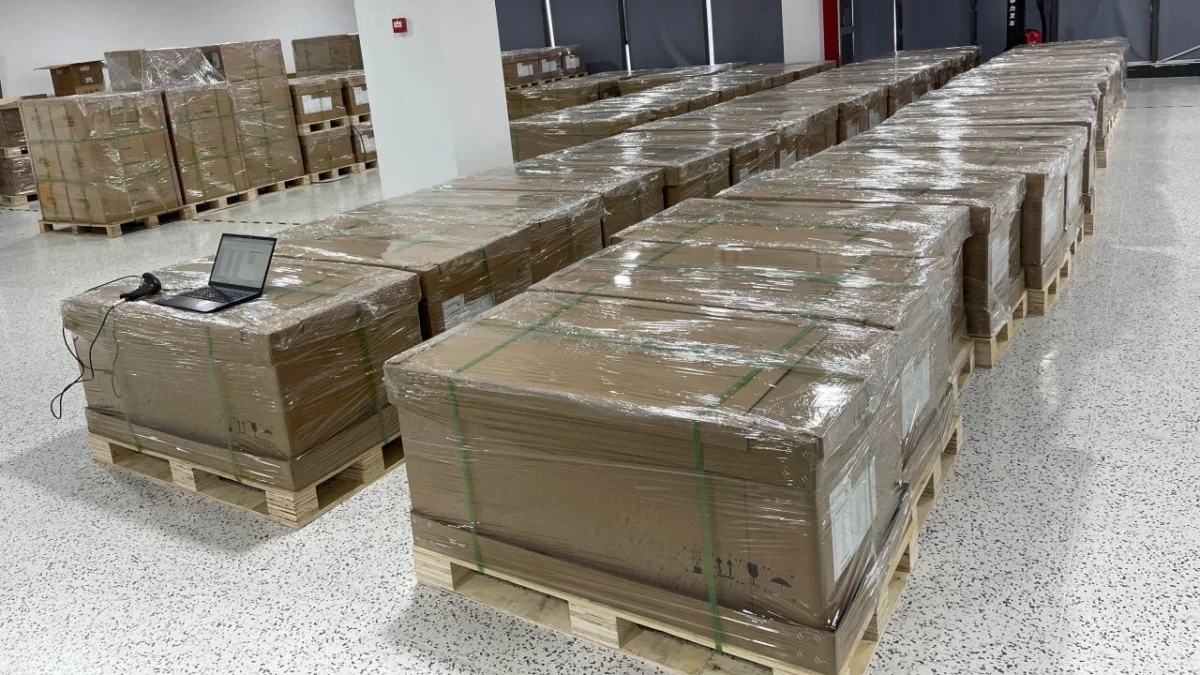
The practice, which came to light following video footage published on October 23, 2026, by the Hong Kong-based hardware outlet HKEPC, offers a sobering glimpse into the realities of the modern AI boom. The footage depicts a highly organized, professional assembly line where workers are seen processing stacks of GeForce RTX 5090 units from major manufacturers including ASUS, Gigabyte, and PNY, as well as NVIDIA’s own Founders Edition.
The transformation process is both destructive and precise. Technicians remove the original cooling shrouds, heat sinks, and backplates—components that were meticulously engineered for consumer gaming chassis. Using industrial-grade BGA (Ball Grid Array) rework stations, the technicians de-solder the GB202 graphics processing unit (GPU) and the high-speed GDDR7 memory chips from the original, consumer-grade printed circuit boards (PCBs).
Once harvested, these core components are transplanted onto custom-designed, server-grade PCBs. These new boards are significantly more compact and are engineered to accommodate high-airflow, "blower-style" radial fan cooling solutions. Unlike the open-air coolers found on retail cards, these Blower designs are specifically intended for server racks, where the heated air must be channeled directly out of the rear of the unit to prevent thermal throttling when multiple cards are stacked in high-density configurations. Once re-soldered and integrated into the new cooling shroud, the resulting "Franken-cards" undergo rigorous functional testing before being deployed into server clusters. The original PCBs and coolers are discarded as scrap, rendering the original retail product functionally extinct.
A Chronology of the GPU Scarcity Crisis
The path leading to this extreme measure is rooted in a volatile combination of unprecedented AI demand and complex geopolitical export regulations.
- Early 2025: The first reports of widespread "GPU harvesting" began to surface, as enterprises faced extreme difficulty acquiring dedicated AI accelerators like the H100 or H200 series.
- October 17, 2026: Reports from Germany highlighted that the GeForce RTX 5090 had become essentially unavailable through traditional retail channels. Prices for the few remaining units listed on secondary markets soared to between €6,800 and €9,999, far exceeding the suggested retail price.
- October 23, 2026: HKEPC releases video evidence of the industrial-scale dismantling of RTX 5090 cards in a workshop, confirming that the hardware is being diverted to fill the gap left by the shortage of enterprise-grade AI chips.
- Ongoing: The industry continues to monitor the impact of these "grey market" conversions on the overall supply of gaming hardware.
Supporting Data: Why the RTX 5090?
The fascination with the RTX 5090 for AI applications is not arbitrary; it is driven by the sheer raw performance of the GB202 architecture. The RTX 5090 represents the pinnacle of consumer graphics technology, featuring massive VRAM capacity and memory bandwidth that, while intended for 8K gaming and path-traced rendering, are perfectly suited for large language model (LLM) inference and small-scale machine learning tasks.
In a server environment, the primary challenge is not just raw performance but thermal density. A standard consumer card with an axial fan setup would cause an immediate thermal failure if placed in a 1U or 2U server rack, as the hot air would recirculate, rapidly overheating the entire cluster. By converting the RTX 5090 into a two-slot blower configuration, these workshops effectively create an "AI-ready" accelerator that, while lacking the specialized interconnects (like NVLink) found on professional cards, provides a cost-effective alternative for companies unable to secure enterprise hardware.
The Geopolitical Context and Official Responses
A significant driver for this clandestine industry is the ongoing trade restriction between the United States and China. The US government has imposed strict export controls on high-end semiconductors, preventing the sale of the most powerful AI-focused NVIDIA chips to the Chinese market.
While a specialized version, the RTX 5090 D, was designed to comply with these regulations for the Chinese market, the raw performance of the full-fat RTX 5090 remains highly sought after by local tech firms. The workshop shown in the HKEPC footage is believed to be located within this region, where the demand for compute power has turned the grey market into a critical supply chain pillar.
In response to the growing concern over the availability of these cards, NVIDIA has remained firm. Jeff Fisher, a high-ranking executive at the company, recently dismissed rumors that the RTX 5090 had been discontinued. He confirmed that the production of the GB202 chip is ongoing and that the company continues to supply these chips to board partners. However, NVIDIA has no control over the secondary market or the third-party workshops that purchase these cards from retail or wholesale channels for the purpose of repurposing them.
The Broader Implications for the Gaming Market
The implications of this trend are profound for the global gaming community. When a high-end graphics card is stripped and converted into an AI accelerator, it is permanently removed from the gaming ecosystem. This creates a "dual-front" shortage: demand for compute power is simultaneously driving up the price of consumer hardware while reducing the total volume of units available to gamers.
1. Market Distortion and Price Inflation
The existence of these harvesting operations sets a price floor for the RTX 5090. If an AI firm is willing to pay significantly above the MSRP to acquire a card for conversion, retailers and scalpers are incentivized to hold stock for those buyers, effectively squeezing out individual consumers.
2. The Loss of Warranty and Support
These harvested cards are modified by third parties, meaning that any warranty provided by the original manufacturer (ASUS, Gigabyte, etc.) is immediately voided. For the end-user in the server space, this represents a significant operational risk, but for the manufacturer, it represents a brand integrity challenge, as high failure rates on modified cards could be misattributed to the original hardware design.
3. Sustainability and Waste
The environmental cost of this practice is non-trivial. Thousands of custom-designed, high-efficiency cooling systems and multi-layer PCBs are being discarded as electronic waste. This cycle of consumption—building a complex product only to strip it for parts—is a symptom of a market that has become disconnected from its original purpose.
4. The Future of Hardware Accessibility
As AI continues to permeate every facet of technology, the line between "gaming" and "computing" will continue to blur. If the current trend persists, it is possible that manufacturers may begin to release "headless" server-ready versions of their consumer cards, or conversely, restrict the availability of their top-tier chips to verified retail partners to ensure they reach the intended consumer demographic.
Conclusion
The transformation of the GeForce RTX 5090 from a gaming icon into a server-bound AI accelerator is a testament to the sheer power of modern silicon and the desperation of the current compute-starved market. While the video footage from HKEPC provides a shocking visual, it is merely a symptom of a larger, systemic imbalance. As long as the demand for AI compute outstrips the production capacity of specialized data center hardware, the gaming market will continue to bear the cost of this "Great Migration" of chips. For the gaming community, the message is clear: the era of high-end hardware being reserved exclusively for entertainment is over, and the battle for the silicon has only just begun.