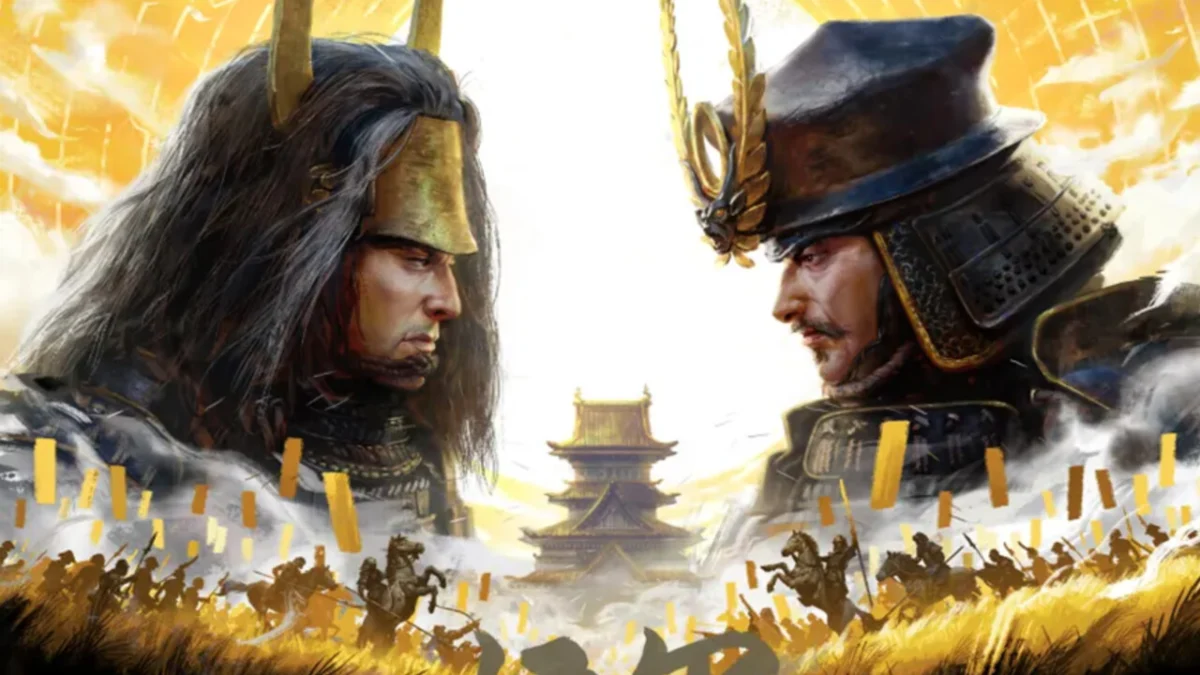
The gaming industry is currently reeling from a spectacular public relations failure involving one of its most venerable strategy franchises. Sega and Creative Assembly (CA) have officially pulled the plug on the "Complete Edition" remaster of the 2011 real-time strategy classic Total War: Shogun 2, a project that lasted a mere 48 hours on digital storefronts before being withdrawn due to overwhelming player backlash.
What was intended to be a celebratory update for a beloved title quickly devolved into a case study of how external outsourcing, questionable quality control, and the controversial implementation of generative AI can alienate a loyal fanbase. With thousands of "extremely negative" reviews flooding platforms like Steam, the developers were forced to halt sales and initiate a damage-control operation that has sparked a wider conversation about the integrity of remastered gaming experiences.
The Chronology of a Failed Launch
The trajectory of the Total War: Shogun 2 remaster was short-lived, characterized by high anticipation followed by immediate, visceral rejection.
Day 1: The Surprise Release
The "Complete Edition" was launched with minimal fanfare but a significant price tag of approximately €40. Fans of the franchise, many of whom have kept the original title alive through active modding communities for over a decade, initially approached the release with curiosity. However, within hours of the download finishing, the discourse on forums like Reddit and the Steam community hub shifted from excitement to indignation.
Day 2: The Backlash Intensifies
By the second day, the review score had plummeted to the lowest possible tier. Players began documenting the game’s technical failings with surgical precision. The core complaints were not merely about bugs—which are common in modern releases—but about the fundamental erosion of the original game’s aesthetic and technical polish.
Day 3: The Pull-Back
Recognizing that the product was irreparably damaging the brand’s reputation, Sega and Creative Assembly moved to delist the game. The "Complete Edition" was removed from storefronts, and the original, more stable version of the game was restored to its status as the primary purchase option. This rapid withdrawal was a clear acknowledgment that the product in its current state was unfit for public consumption.
Supporting Data: Why the Remaster Failed
The failure of the Total War: Shogun 2 remaster was not a subjective matter of taste; it was grounded in objective technical shortcomings and a perceived lack of respect for the source material.
The "AI Slop" Controversy
Perhaps the most egregious issue identified by the community was the apparent use of generative AI in the creation of visual assets. In an industry where art style is paramount, the "hallucinations" common to AI models became a focal point of derision. Viral screenshots showcased units with anatomical impossibilities, most notably soldiers with six fingers. For a game that is supposed to honor the historical aesthetic of feudal Japan, these errors were viewed as lazy and disrespectful.
Technical Regression
Beyond the visual anomalies, users reported that the "remastered" version performed significantly worse than the 2011 original. Ironically, the community pointed out that the vanilla version of Shogun 2, when combined with long-standing, fan-made mods, provided a superior graphical experience and better stability than the official €40 upgrade. This created a perception of "value-extraction" rather than "value-addition," with players feeling that the publisher was charging a premium for a product that offered less utility than the free or low-cost alternatives already available.
Lack of Quality Assurance
The remaster failed to address long-standing bugs that have existed in the game’s engine for years, while simultaneously introducing new, game-breaking glitches. The lack of meaningful updates, combined with the presence of new technical errors, led to the widespread consensus that the project was a "cash grab" intended to monetize nostalgia without putting in the necessary development labor.
Official Responses and Internal Accountability
Following the removal of the title, Creative Assembly issued a formal statement, seeking to distance the core development team from the disaster while accepting overall responsibility for the franchise.

The Outsourcing Defense
Creative Assembly clarified that the "Complete Edition" was developed by an external studio, Mataboo. According to CA, this project did not go through the same rigorous internal review and quality assurance processes that define their main-line titles. The developers explained that their internal teams were entirely occupied with upcoming, high-priority projects, leading to a breakdown in oversight regarding the remaster.
The Stance on Generative AI
Perhaps the most important aspect of the studio’s response was their clarification on the use of AI. Creative Assembly stated that they explicitly prohibit the use of generative AI for the creation of final game assets, a policy they noted also applies to their external partners.
The studio’s statement was nuanced: they acknowledged that AI tools have a legitimate role in the development pipeline—specifically for prototyping, error-finding, and data analysis—but they drew a hard line at using such tools to replace human creativity. They confirmed that an internal investigation is currently underway to determine how and why AI-generated content ended up in the final build of the Shogun 2 remaster.
The Path Forward
Creative Assembly concluded their statement by reaffirming their commitment to the Total War brand. They acknowledged that, regardless of who performed the actual coding, the final product bears the Total War name. To address the situation, a team of veteran developers from within Creative Assembly has been tasked with working alongside Sega and the original external team to "make things right." While no concrete timeline for a re-release or a patch has been provided, the message was clear: the studio is aware of the gravity of the situation and intends to restore the integrity of the title.
Implications for the Industry
The Shogun 2 debacle serves as a cautionary tale for the broader gaming industry, particularly regarding the trend of "remastering" legacy titles.
The Value of Human Craftsmanship
The outcry highlights a growing sentiment among gamers: that remasters are expected to be works of art, not merely products of algorithm-assisted automation. When consumers purchase an upgrade to a classic, they are paying for the preservation and enhancement of a human-made vision. When that process is outsourced to external studios that prioritize speed and cost-cutting over fidelity, the results are often catastrophic for brand loyalty.
The Perils of Outsourcing
While outsourcing is a standard practice in modern game development, the Shogun 2 incident demonstrates the risks of a "hands-off" approach to project management. When a publisher puts their logo on a product, the consumer expects a standard of quality consistent with the studio’s reputation. If the oversight mechanism is absent, the brand itself becomes the victim.
The AI Backlash
This incident also marks a pivotal moment in the discourse surrounding generative AI in game development. The industry is clearly divided on the topic, but this case suggests that consumers are highly sensitive to the use of AI if it results in a visible decrease in quality. Developers who use AI as a crutch rather than a tool risk a severe, immediate, and potentially permanent backlash from their most dedicated users.
Conclusion: Trust is Hard to Earn, Easy to Lose
The Total War: Shogun 2 remaster situation is a stark reminder that in the digital age, a product’s reputation is built—or destroyed—within the first 48 hours. By listening to the community, pulling the title, and providing a transparent (if belated) explanation, Creative Assembly has managed to mitigate some of the damage. However, the path to regaining the full trust of the Total War community will require more than just a public statement; it will require a demonstrated commitment to quality that proves the studio still values the artistry of its games above the ease of automated production.
As the industry moves forward, the "six-finger" incident will likely be cited as a seminal moment where the community drew a line in the sand, demanding that the history of gaming be treated with the respect it deserves.