


By International Sports Desk
Updated: October 26, 2026
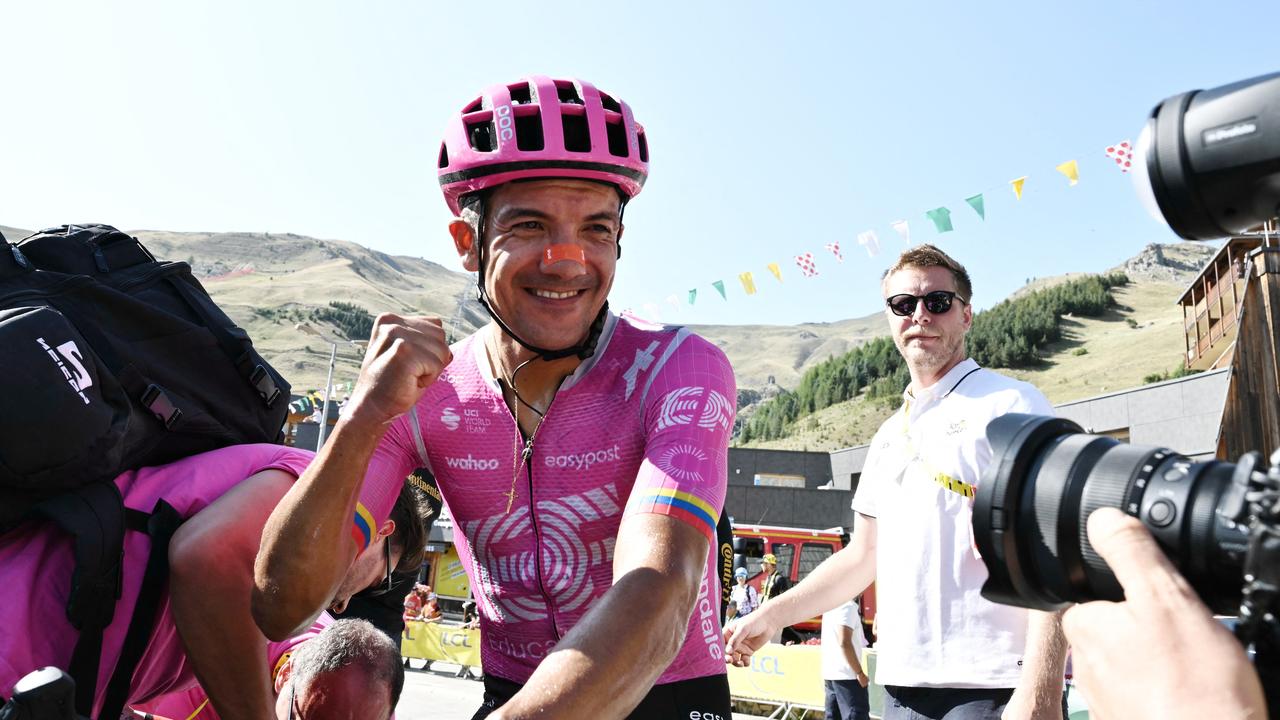
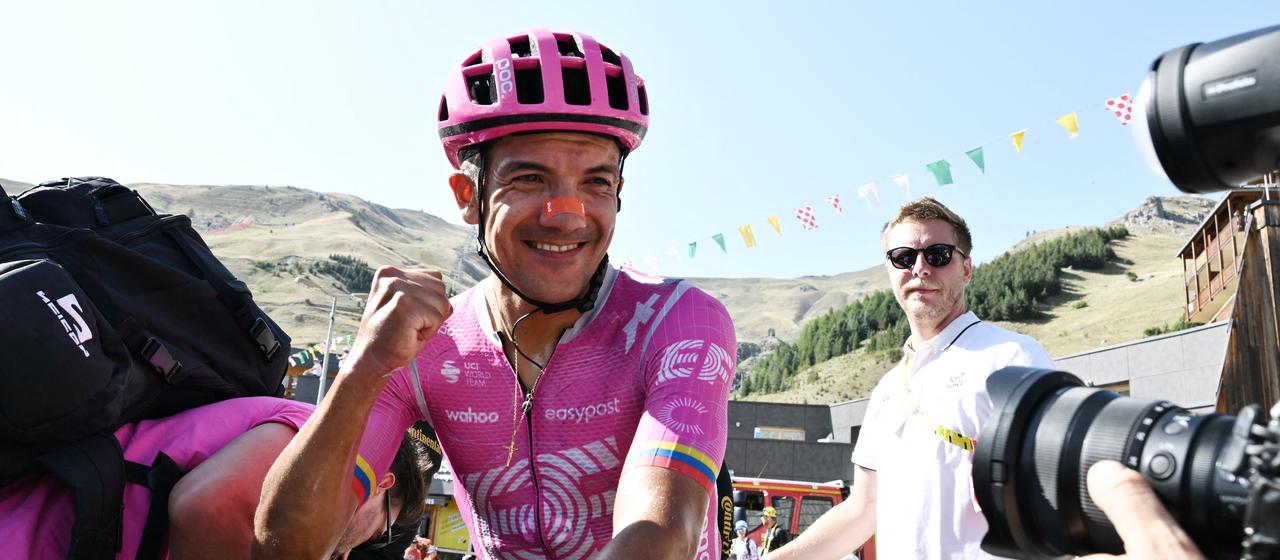
The professional cycling landscape is undergoing a transformation of unprecedented magnitude. For decades, the sport operated under a relatively predictable rhythm of contract cycles and team loyalty. However, as the 2026 season draws to a close, the "transfer carousel" has accelerated to a velocity that mirrors the high-stakes, big-money dynamics of professional football. From the departure of iconic figures like Richard Carapaz to the aggressive recruitment strategies of Lidl-Trek, the sport is witnessing a seismic shift in how talent is acquired, valued, and retained.
The New Financial Reality: A Market in Flux
The catalyst for this wave of movement is a combination of shifting sponsorship landscapes and a realization among teams that the "infinite money" era—once characterized by the dominance of Team Sky and the early Ineos Grenadiers—is facing significant headwinds.
As Geraint Thomas, now operating in his role as a Sport Director at Netcompany-Ineos following his retirement in 2025, noted in the latest edition of the Watts Occurring podcast, the financial landscape has changed. "There isn’t an endless supply of money anymore," Thomas remarked. This admission signals a broader austerity within the WorldTour. Teams are no longer able to hoard talent simply to block rivals; they are now forced to make strategic, often painful, decisions regarding their rosters.
This has led to a burgeoning trend that was previously rare in cycling: the "buyout." In a development that has sent shockwaves through the industry, stars are being actively purchased out of their existing contracts. The most notable example is Filippo Ganna, the powerhouse time-trialist and classic specialist, who has left Netcompany-Ineos despite having a contract that ran through the end of 2027.
Chronology of the 2026 Transfer Window
The sheer volume of movement this autumn is unparalleled. To understand how we arrived at this point, one must look at the domino effect triggered by internal team management changes and shifting sponsor priorities.
- Early Autumn 2026: Rumors circulate regarding the financial stability of several mid-tier WorldTour squads following the expiration of long-term partnership deals.
- Mid-October 2026: The official announcement of Filippo Ganna’s departure from Netcompany-Ineos marks the turning point.
- Late October 2026: A flurry of announcements confirms the restructuring of Lidl-Trek, the expansion of Pinarello Q36.5, and the strategic realignment of the NSN Cycling Team.
The departure of Giulio Ciccone from Lidl-Trek after an eight-year tenure serves as a primary example of how management changes dictate rider movement. Following the acquisition of the team by Lidl and the subsequent departure of long-time team boss Luca Guercilena, the internal culture of the squad shifted. For many, including Ciccone—a climbing specialist who secured the 2026 Giro d’Italia mountains jersey—the environment no longer felt like home. His move to the Swiss-based Pinarello Q36.5 represents a clear effort by that team to transition from an up-and-coming outfit to a consistent podium contender.
Supporting Data: The Lidl-Trek Aggression
Perhaps no team has capitalized on the current market instability as effectively as Lidl-Trek. Their recruitment strategy is not merely about replacing outgoing riders; it is about establishing a multi-pronged assault on both the Classics and the Grand Tours.
The roster additions for the 2027 season are staggering:
- Filippo Ganna: The crown jewel of their recruitment, adding unmatched time-trial capability.
- Felix Gall: A marquee signing from Decathlon, providing a legitimate GC threat for the Tour de France.
- Jordi Meeus (from Red Bull-Bora-hansgrohe) and Georg Zimmermann (from Lotto Intermarché): Bolstering the sprint and breakaway contingents.
- Gregor Mühlberger: Adding critical depth for the high mountains.
By pairing Gall with the existing talent pool—including Juan Ayuso, Mads Pedersen, and Jonathan Milan—Lidl-Trek has effectively transformed itself into a "Super Team," capable of challenging UAE Team Emirates on almost every terrain.
Official Responses and Strategic Rationale
The motivations behind these moves vary from financial necessity to the pursuit of tactical synergy.
For the NSN Cycling Team (formerly the Israeli-backed project that began as the Cycling Academy), the acquisition of Richard Carapaz is a statement of intent. Carapaz, who electrified the 2026 Tour de France by winning the Queen Stage and securing the Polka Dot jersey, was reportedly released by EF Education-EasyPost due to the team’s need to trim its wage bill following a major sponsor’s exit. For NSN, securing a rider of Carapaz’s caliber—a proven Grand Tour winner—is the fastest way to gain an automatic invitation to the sport’s most prestigious races.
Conversely, at Red Bull-Bora-hansgrohe, the strategy has been to consolidate German talent. By securing the services of Georg Steinhauser, the team is building a support structure for Florian Lipowitz and Remco Evenepoel. Steinhauser, who gained international acclaim with his 2024 Giro stage win and a stellar performance at Paris-Nice, is seen as the perfect tactical teammate for the high-altitude finishes of the 2027 season.
Implications for the Future of Cycling
The ripple effects of this transfer cycle will be felt for years to come.
1. The Death of the "One-Team Career"
The era of the "lifer"—a rider who stays with a single team for a decade—is effectively dead. With teams treating contracts as negotiable assets rather than binding commitments, riders are increasingly prioritizing environments that offer either higher salaries or clearer leadership opportunities.
2. The Polarization of the Peloton
We are witnessing a dangerous polarization. While teams like Lidl-Trek and UAE Emirates (who have remained remarkably stable) are stocking up on elite talent, smaller teams are struggling to keep their stars. This could lead to a less competitive, more top-heavy race dynamic, where the outcome of the Tour de France is effectively decided by the depth of a team’s payroll rather than the depth of its tactical ingenuity.
3. The "Transfer Fee" Normalization
Cycling is rapidly approaching a model where riders will be traded for cash equivalents, similar to football. This will likely necessitate a formalization of transfer rules by the UCI to protect smaller teams from being "raided" of their young talent before they can reap the benefits of their development programs.
4. Tactical Shifts in Race Dynamics
With riders like Giulio Ciccone joining Tom Pidcock at Pinarello Q36.5, we can expect a more aggressive, tactical approach to the Spring Classics. The traditional "control" tactics used by the big teams may be disrupted by these newly formed alliances of high-caliber riders who have everything to prove in their new colors.
Conclusion: A New Era
As the professional cycling world turns its eyes toward the 2027 season, the message is clear: loyalty is secondary to strategy, and the financial landscape is the ultimate arbiter of performance. The 2026-2027 transfer window will be remembered as the moment cycling finally shed its traditional skin and embraced the cutthroat, high-velocity world of modern sports economics.
While purists may lament the loss of long-term team identities, the fans are the likely winners. With power dynamics shifting and stars moving to unlikely new homes, the 2027 race season promises to be one of the most unpredictable and tactically fascinating in the history of the sport. Whether this leads to a more sustainable model or a sport dominated by a handful of mega-teams remains to be seen, but one thing is certain: the peloton has changed forever.









