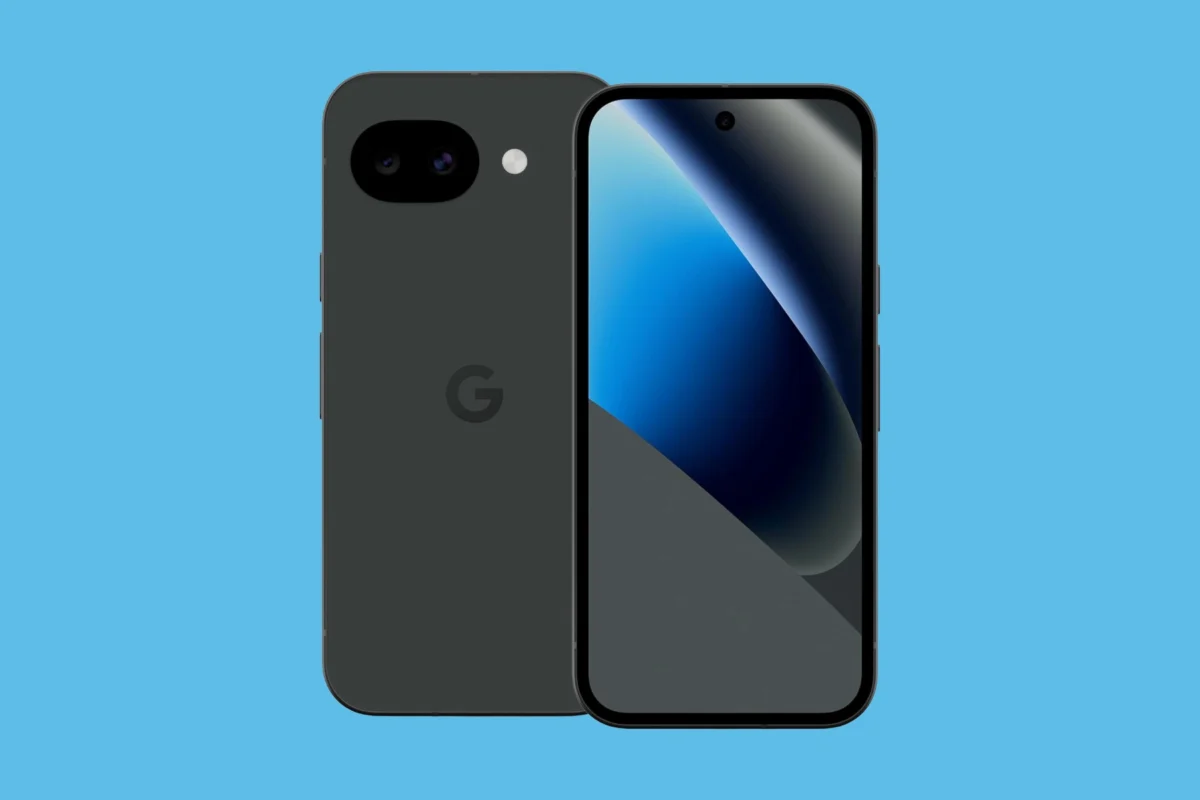
In the rapidly evolving landscape of mobile technology, the "a-series" from Google has consistently occupied a unique niche. It is the bridge between premium flagship aspirations and budget-conscious accessibility. Today, that bridge has become significantly more enticing, as the Google Pixel 10a has hit a record-breaking price point of €400 at Amazon, marking a sharp 27% reduction from its original MSRP of €549. As the device climbs the charts to reach the top 7 of Android bestseller lists, it serves as a timely reminder of what a balanced mid-range smartphone should look like in 2026.
Main Facts: The New Standard for Value
The Google Pixel 10a is not merely a "lite" version of a flagship; it is a sophisticated piece of hardware designed for longevity. At its core lies the Google Tensor G4 processor, paired with 8GB of RAM and 128GB of internal storage. This hardware configuration is bolstered by the Titan M2 security chip, ensuring that personal data remains encrypted and shielded from modern digital threats.
Perhaps the most compelling argument for the device is its commitment to sustainability and longevity. Google has promised seven years of both operating system and security updates, effectively ensuring that the device remains current and protected well into the next decade. When paired with the seamless integration of Android 16 and Google’s suite of generative AI tools, the Pixel 10a positions itself as a long-term investment rather than a disposable gadget.
Chronology: From Launch to Market Dominance
The journey of the Pixel 10a began with a design philosophy aimed at refinement rather than revolution. Following the success of the Pixel 9a, Google focused on optimizing the user experience.
- Initial Launch Phase: Upon its release, the device was praised for its sophisticated design, which notably eliminated the traditional "camera bump" that defined previous generations.
- The Adoption Curve: In the months following its debut, the device saw steady adoption by tech enthusiasts who valued the pure Android experience.
- The Price Correction: As we move through mid-2026, market forces and inventory management have led to the current promotional pricing. This price drop has catalyzed a surge in consumer interest, with over 500 units sold in a single month on Amazon alone, proving that price sensitivity remains the primary driver for mid-range market saturation.
Supporting Data: Performance Under the Microscope
Beyond the marketing claims, the technical specifications of the Pixel 10a reveal a device that punches well above its weight class.
The Display and Build
The 6.3-inch Actua display is a standout feature. Utilizing pOLED technology, it offers a resolution of 1080 x 2424 pixels with a pixel density of 422.2 ppi. The "Smooth Display" technology, offering a refresh rate between 60 and 120 Hertz, provides a fluid user interface experience. Crucially, the screen is designed for high-visibility environments, reaching a peak brightness of 3,000 cd/m² in HDR scenarios—a spec that rivals many premium flagships. Protected by Corning Gorilla Glass 7i and featuring an IP68 dust and water resistance rating, the device is as durable as it is bright.

Battery and Charging
A 5,000 mAh battery serves as the device’s powerhouse, with Google claiming over 30 hours of usage on a single charge. For power users, the Extreme Battery Saver mode extends this to an impressive 120 hours. While the device supports rapid charging (up to 50% in roughly 30 minutes via a 45W PPS charger), it is important to note that the charger is sold separately. Additionally, the device supports wireless charging, though it lacks the magnetic Qi2 standard, which remains a minor point of contention for some users.
The Camera Suite
Google’s computational photography remains the "secret sauce" of the Pixel line. The 10a features a dual-rear camera setup:
- Primary: 48-megapixel wide-angle lens (f/1.7) with both optical and electronic image stabilization (OIS/EIS).
- Secondary: 13-megapixel ultra-wide lens with a 120-degree field of view.
- Selfie: 13-megapixel front camera with a 96.1-degree wide field of view.
The hardware is supported by an exhaustive list of software features, including "Night Sight," "Astro-photography," "Real Tone," and the "Magic Editor" suite, which allows users to remove unwanted objects or manipulate backgrounds with simple text prompts.
Official Responses and AI Integration
Google has leaned heavily into its "Gemini" ecosystem for the 10a. The device is optimized for Gemini Nano, the company’s most efficient AI model designed to run on-device. This allows for features like "Circle to Search," real-time language translation, and an advanced call assistant.
Google’s positioning of the device is clear: they are selling an "AI-first" experience. By bundling the purchase with three months of Google One (100GB) and YouTube Premium, Google is not just selling a phone; they are onboarding users into their subscription-based service ecosystem. This strategy is an attempt to create a "sticky" user experience where the phone acts as the gateway to Google’s broader digital infrastructure.
Implications: A Strategic Choice in a Crowded Market
The current €400 price point for the Pixel 10a creates a significant challenge for competitors in the mid-range sector.
Pros and Cons
Critics and early adopters have highlighted a nuanced picture. On the positive side, the haptics, the clean software experience, and the camera quality are consistently cited as industry-leading for this price segment. The long-term software support is a massive win for consumers looking to avoid the "planned obsolescence" of cheaper handsets.
Conversely, the device faces criticism for its lack of radical innovation. The Tensor G4, while efficient, does not offer the raw processing power of the latest chips from Qualcomm or Apple. Furthermore, the absence of Qi2 magnetic charging feels like a missed opportunity to future-proof the hardware for the growing ecosystem of magnetic accessories.
The Verdict for Consumers
The existence of the Pixel 9a at a similar price point poses an interesting dilemma. However, given the incremental improvements in display brightness and the extended software support window, the 10a is undeniably the smarter buy.
For the average user, the Pixel 10a represents the "Goldilocks" zone of smartphones. It is not so expensive that a single drop causes financial anxiety, yet it is powerful enough to handle the most demanding AI-driven tasks of 2026. As the market continues to shift toward hardware that focuses on longevity and software intelligence, the Pixel 10a stands as a testament to Google’s ability to refine its formula.
In conclusion, for those currently looking to upgrade, the combination of a 27% discount, an elite camera system, and seven years of guaranteed support makes the Pixel 10a one of the most compelling purchases of the year. Whether you are a photography enthusiast looking for the best computational images, or a budget-conscious professional needing a reliable daily driver, the current offer is a rare opportunity to acquire flagship-level software integration at a mid-range price.