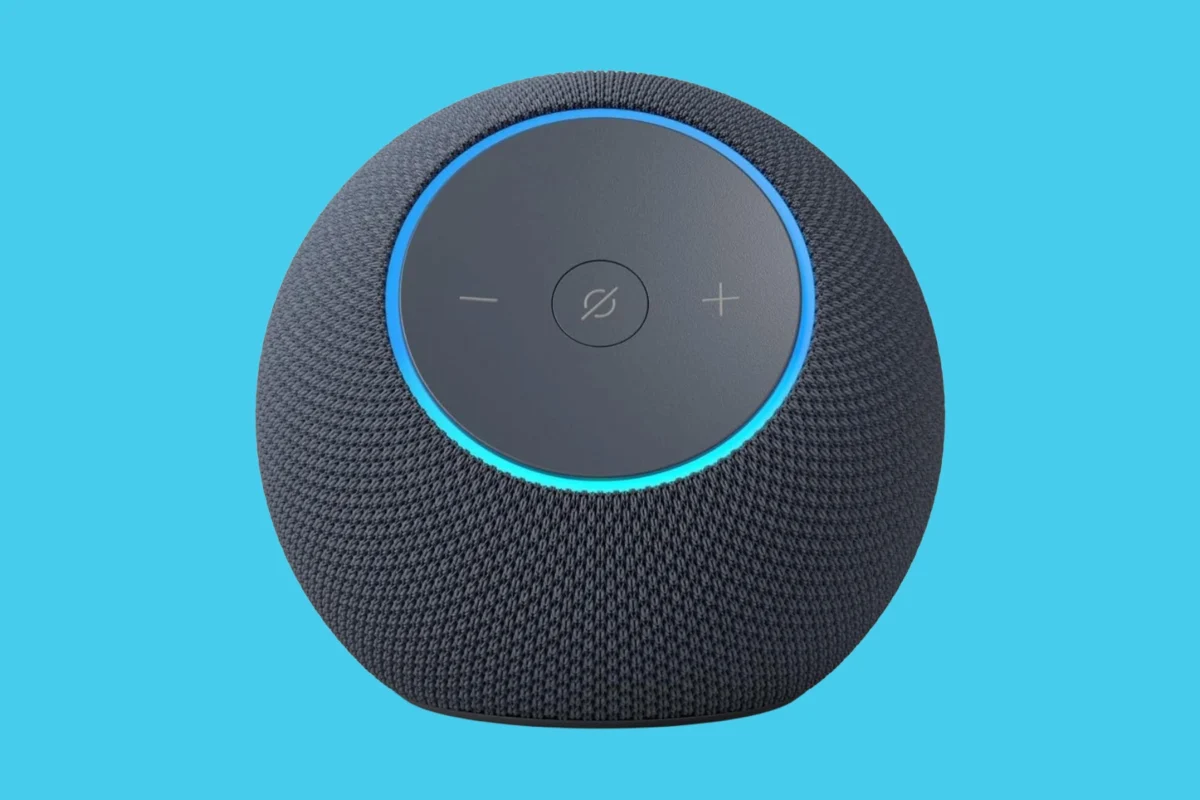
Smart speakers have evolved from simple voice-activated timers into the nerve centers of the modern digital home. As the landscape of home automation shifts toward more complex, AI-driven interactions, Amazon has positioned its latest hardware, the Echo Dot Max, as a cornerstone for this transition. With a current promotional price of €84.99—down from its €109.99 MSRP—the device is currently capturing significant market attention.
Beyond its physical acoustics, the Echo Dot Max serves as a vessel for Amazon’s most ambitious software overhaul to date: the newly launched, AI-enhanced "Alexa+."
Main Facts: Hardware Meets Intelligence
The Echo Dot Max is not merely a cosmetic refresh; it represents a fundamental shift in how Amazon approaches the "Dot" product line. Traditionally viewed as an entry-level gateway to the Alexa ecosystem, the "Max" iteration pivots toward power users who demand high-fidelity audio alongside sophisticated smart home management.
Technical Specifications at a Glance:
- Acoustic Architecture: A two-way mono system featuring a 2cm tweeter and a 6.4cm woofer, promising triple the bass performance of the 2022 standard Echo Dot.
- Connectivity: Equipped with Wi-Fi 6E for low latency, Bluetooth 5.3, and a multi-protocol hub supporting Zigbee, Matter, and Thread Border Router capabilities.
- Processing Power: The proprietary AZ3 processor, specifically tuned with an AI accelerator to handle local machine learning tasks.
- Sensory Array: Integrated sensors for ambient light, temperature, and motion, enabling complex, automated "if-this-then-that" routines without the need for additional third-party hardware.
The device is currently priced at €84.99 via Amazon, representing a 23% discount. While it hasn’t quite touched the record-low price of €74.99 seen in March, it remains a compelling value proposition given the inclusion of early access to the transformative Alexa+ platform.
Chronology: From Simple Assistant to AI Hub
To understand the significance of the Echo Dot Max, one must look at the trajectory of Amazon’s hardware strategy over the last three years.
- 2022: Amazon releases the standard Echo Dot, focusing on compact design and affordability. The focus is on basic command-and-control tasks.
- Early 2024: Rumors of a "smarter" Alexa begin to circulate. The industry anticipates a response to the rapid rise of ChatGPT and other Large Language Models (LLMs).
- March 2025: The Echo Dot Max makes its initial market appearance, offering a "Best Price" introductory offer of €74.99, sparking a surge in early adopter reviews.
- April 2025: The first widespread integration of "Alexa+" is announced. This marks the transition from rule-based voice commands to a conversational, context-aware AI.
- May 2026: The current promotional cycle begins, effectively bundling the hardware with the Early Access program for the new AI, signaling that Amazon is ready to move its AI ambitions into the mainstream.
Supporting Data and User Sentiment
The reception of the Echo Dot Max has been largely positive, maintaining a 4.4 out of 5-star rating across more than 2,000 global reviews.
Why Users Are Buying:
Data suggests that the primary driver for adoption is the "all-in-one" nature of the device. By including Zigbee and Matter support, the Echo Dot Max effectively eliminates the need for separate bridges for Philips Hue, smart locks, or climate control sensors. Consumers are increasingly citing the device’s "clutter-reduction" factor as a primary purchase motivation.

Criticisms and Limitations:
However, the device is not without its detractors. Critics point to:
- Diminishing Returns for Casual Users: If a consumer’s needs are limited to checking the weather or setting kitchen timers, the "Max" features (such as the advanced woofer or the Thread router) are widely considered overkill.
- Connectivity Hiccups: A subset of users has reported intermittent stability issues with the Wi-Fi 6E implementation in congested network environments.
- The "Premium" Gap: While the sound quality is a significant leap over the standard Dot, audiophiles argue it still falls short of dedicated bookshelf speakers, leaving the device in a strange "middle ground" of performance.
The Alexa+ Paradigm Shift
The most significant aspect of this product offering is the inclusion of Alexa+ Early Access. For many, the hardware is secondary to the software promise.
Alexa+ is designed to address the "robotic" nature of voice assistants. Using advanced contextual understanding, Alexa+ can manage multi-step requests, infer intent from vague phrasing, and maintain a conversational flow that feels less like a command-line interface and more like a helpful assistant.
Implications for Prime Members:
Amazon has clarified its monetization strategy:
- Early Access: Included with the purchase of the Echo Dot Max.
- Post-Trial: For Prime members, the service is expected to remain free.
- Non-Prime Users: Should the service move to a general rollout, non-Prime users may face a subscription fee of approximately €22.99 per month.
This pricing model clearly aims to bolster the value of the Amazon Prime subscription, incentivizing users to remain within the "walled garden" of the Amazon ecosystem.
Implications: The Future of Smart Living
The launch of the Echo Dot Max and the rollout of Alexa+ signal a major pivot for the smart home industry.
1. The Death of the "Dumb" Hub
The industry is moving toward a standard where the hub is invisible. By building Thread and Matter support into a small, affordable speaker, Amazon is effectively democratizing the smart home. The technical barrier to entry for setting up a truly automated home is lowering significantly.
2. Privacy in the Age of AI
With the increased intelligence of Alexa+, concerns regarding data privacy have moved to the forefront. Amazon continues to emphasize its physical privacy features—namely the dedicated "Mic Off" button and the granular control provided in the Alexa app. The company is betting that the utility of an AI-driven home will outweigh the inherent privacy concerns, provided they maintain transparency.
3. Market Saturation and Consumer Choice
The market for smart speakers is nearing saturation. Consequently, the battle is no longer about who can sell the most units, but who can keep the user engaged. By integrating high-end audio and AI, Amazon is attempting to replace older hardware in the homes of existing users, effectively triggering a "refresh cycle" that keeps the Alexa ecosystem dominant.
Conclusion
The Echo Dot Max is a device of contradictions: it is both an entry-level gateway and a powerful hub; a budget-friendly deal and a product that requires a long-term commitment to a subscription-based AI future.
For the average consumer, it represents the best value for money for those looking to upgrade their home audio or consolidate their smart home devices. However, the true value lies in the "Alexa+ Early Access." As we move into the second half of the decade, the question will not be about which speaker has the best bass, but which assistant best understands the nuances of human intent. For now, Amazon is betting that the Echo Dot Max is the hardware that will carry that conversation into the future.
Verdict: If you are invested in the Alexa ecosystem, the current discount makes this an opportune time to upgrade. If you are a casual user, the standard Echo Dot remains the more economical choice. As always, the best deals often go to those who wait, though the inclusion of the Alexa+ trial provides a strong incentive to act now.