The landscape of high-performance computing (HPC) and artificial intelligence is currently undergoing a structural transformation. At the heart of this evolution is not just the processor, but the memory architecture that feeds it. Enter SOCAMM (Small Outline Compression Attached Memory Module), a standard that has evolved from a niche proposal to an industry powerhouse in record time. Designed specifically for the power-hungry, high-bandwidth demands of the AI era, SOCAMM is poised to define how we build the next generation of data centers and supercomputers.
Main Facts: What is SOCAMM?
SOCAMM is a specialized memory standard designed to replace traditional vertical memory modules with a high-density, low-profile, and energy-efficient architecture. Drawing on the foundational research of the CAMM/CAMM2 standards, SOCAMM takes the concept of modular, surface-mounted memory to its logical extreme.
Unlike standard U-DIMMs or R-DIMMs, which plug into slots vertically, SOCAMM modules are designed to be laid flat against the motherboard and secured via a screw-down mechanism. This approach minimizes trace lengths, reduces signal interference, and allows for a significantly higher density of contacts in a compact footprint. The current, standardized iteration measures 90 mm by 14 mm—a dimension that represents the engineering "sweet spot" for maximizing memory capacity within a constrained surface area.
The technical architecture is equally impressive: the modules feature 694 I/O contacts on the underside, with the top side dedicated entirely to memory chips. By eliminating the back-side mounting of components, engineers have optimized thermal dissipation and simplified the PCB manufacturing process. For the AI industry, this means higher performance per watt—a critical metric as power consumption in large-scale model training continues to skyrocket.
Chronology of a Rapid Industry Adoption
The speed at which SOCAMM has moved from concept to mass-market implementation is unprecedented in the memory industry.
- Spring 2025: The first generation of SOCAMM was formally announced. While the announcement caught many in the industry by surprise, it was met with immediate interest from key players in the server space.
- Autumn 2025: A pivot occurred. Seeing the trajectory of AI hardware requirements, the industry effectively bypassed a long-term Gen1 lifecycle, shifting focus immediately toward SOCAMM2. Nvidia, leading the charge with its Grace and subsequent platforms, signaled that it would commit to the second generation, forcing other manufacturers to scramble to adjust their roadmaps.
- 2026–2027: The standard reached maturity. AMD, which initially had no plans for SOCAMM, recognized the shift in the market and moved to integrate support into its "Verano" CPU line. This solidified SOCAMM’s position as a cross-platform standard rather than a proprietary vendor lock-in.
- 2028 and Beyond: The development of SOCAMM3 is currently underway, with mass production anticipated to coincide with the next cycle of high-end processor launches from industry titans.
Supporting Data: Engineering the Future
The shift toward SOCAMM is driven by the physical limitations of legacy memory standards. As AI models grow to trillions of parameters, the "memory wall"—the bottleneck between the processor and the data—has become the primary inhibitor of performance.

The Physics of the 90 x 14mm Module
The design of the 90 x 14mm module is a masterclass in space optimization. By utilizing four high-density memory chips on a single side, the module achieves maximum throughput while maintaining a low-profile aesthetic. The three-screw mounting system is not merely for stability; it is essential for maintaining constant, high-pressure contact across the 694 I/O points. Even a slight mechanical deviation could result in signal degradation at the high frequencies required for modern AI workloads.
The Role of LPDDR6
A crucial component of the upcoming SOCAMM3 transition is the integration of LPDDR6 (Low Power Double Data Rate 6) memory. While LPDDR6 is currently making its debut in high-end mobile devices, its transition into the server space via SOCAMM3 is seen as a strategic move. By combining the low-power characteristics of LPDDR with the modularity of SOCAMM, manufacturers can create dense, energy-efficient server blades that do not require the massive cooling infrastructure necessitated by traditional high-power DRAM.
Official Responses and Strategic Shifts
The industry response to SOCAMM has been a mixture of reactionary adaptation and long-term strategic planning.
TLB, a South Korean firm that has become a vital partner in the manufacturing of these specialized PCBs, has confirmed that development of the third generation is already in its advanced stages. According to reports from the Korean tech sector, TLB is currently in direct consultation with two major global customers. While exact specifications remain under embargo, the consensus among industry analysts is that the standard is being tuned for the specific power profiles of the next generation of AI accelerators.
Nvidia remains the most visible proponent of the standard. Their "Rosa" and "Rosa Feynman" platforms are essentially designed around the premise that memory must be modular yet performance-identical to soldered-down DRAM. By adopting SOCAMM, Nvidia maintains the flexibility to upgrade or repair memory configurations without discarding an entire, expensive motherboard—a move that appeals heavily to enterprise data center clients.
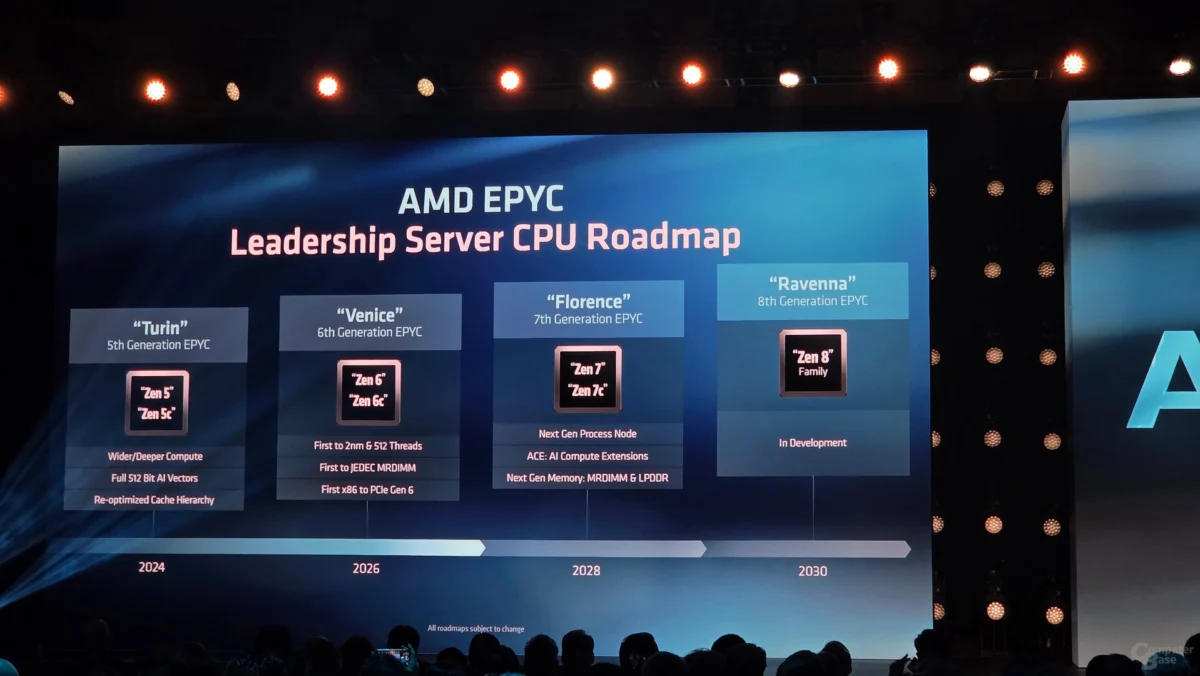
AMD’s pivot is perhaps the most telling. By acknowledging that their future Epyc roadmap (specifically the Zen 7-based "Florence" and the subsequent Zen 8-based "Ravenna") will support "Next Gen Memory" (a clear reference to the LPDDR-based SOCAMM ecosystem), AMD has effectively signaled the end of the road for traditional DIMM architectures in high-performance server segments.

Implications for the Future of Computing
The adoption of SOCAMM signifies a deeper change in how we perceive hardware modularity. For decades, the "user-serviceable" nature of PCs was defined by the U-DIMM slot. As we move into the era of specialized AI hardware, the industry is trading the convenience of consumer-grade slots for the precision and performance of the SOCAMM interface.
The Economic Impact
From a financial perspective, SOCAMM modules represent a higher-margin product for manufacturers. The complexity of the substrate and the precision required for the 694-contact interface mean that these modules carry a higher price tag than their legacy counterparts. However, for data center operators, the return on investment is found in lower power bills, higher rack density, and the ability to scale memory capacity without replacing CPU compute modules.
The Road to 2028
As we look toward 2028, the technological convergence is clear. We are moving toward a unified memory standard where the distinction between mobile-grade power efficiency and server-grade throughput is bridged by the SOCAMM form factor.
The challenges remain, however. The transition to SOCAMM3 will require a fundamental redesign of motherboard layouts, cooling solutions, and power delivery systems. Yet, the momentum is undeniable. With Nvidia and AMD both signaling their long-term commitment to this path, the "SOCAMM era" is not just a trend—it is the new foundation for the global AI infrastructure.
In summary, the transition to SOCAMM is a direct response to the physical and electrical demands of modern AI. By prioritizing signal integrity, thermal management, and power efficiency through a modular, low-profile design, the industry has paved the way for a new generation of computational power. As the 2028 horizon approaches, the question for hardware manufacturers is no longer whether they will adopt SOCAMM, but how quickly they can integrate it into their next-generation architectures to stay competitive in an increasingly AI-driven market.