The Frankfurt Book Fair, the world’s most significant gathering of the publishing industry, has officially transitioned into its highly anticipated visitor days. As the exhibition halls in Frankfurt opened their doors to the public this Friday, the atmosphere was a palpable blend of intellectual rigor, social activism, and the sheer joy of bibliophilia. For those unable to navigate the bustling crowds of the Messe, the digital landscape has provided a comprehensive window into the event, with the joint literary stage hosted by ARD, ZDF, and 3sat offering a continuous livestream of high-level discourse.
This year’s edition is not merely a trade fair; it has evolved into a forum for critical societal debate, where literature serves as both a mirror to our fractured times and a tool for democratic defense.

The Pulse of the Fair: Key Highlights and Themes
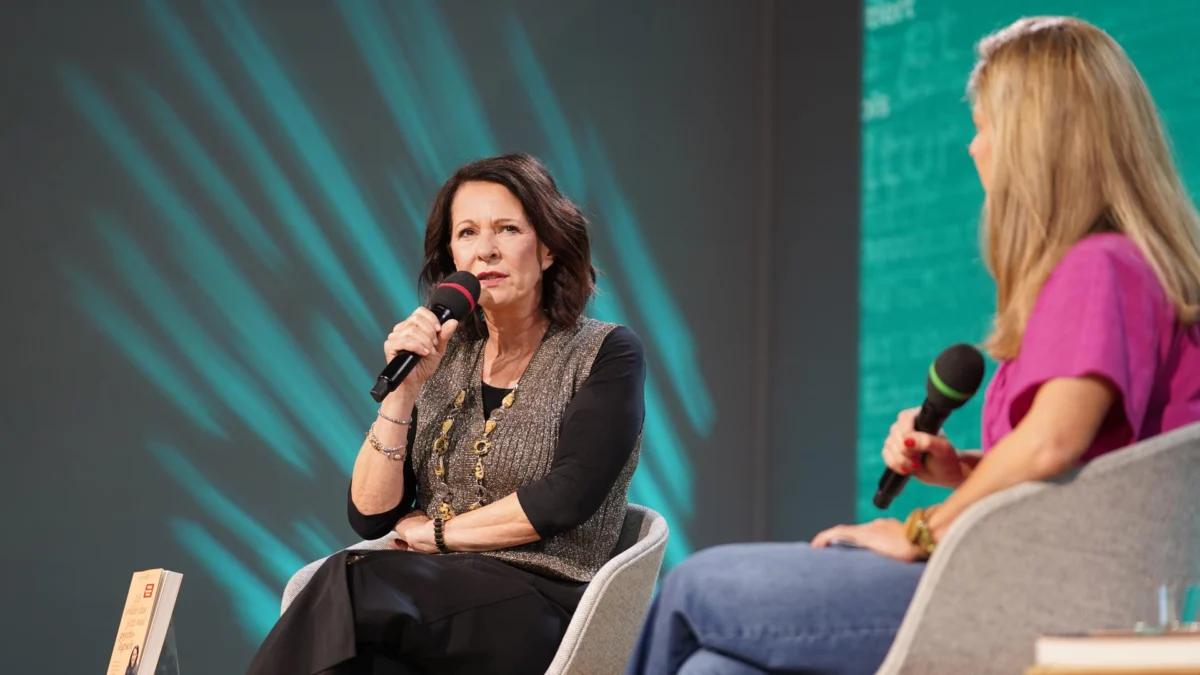
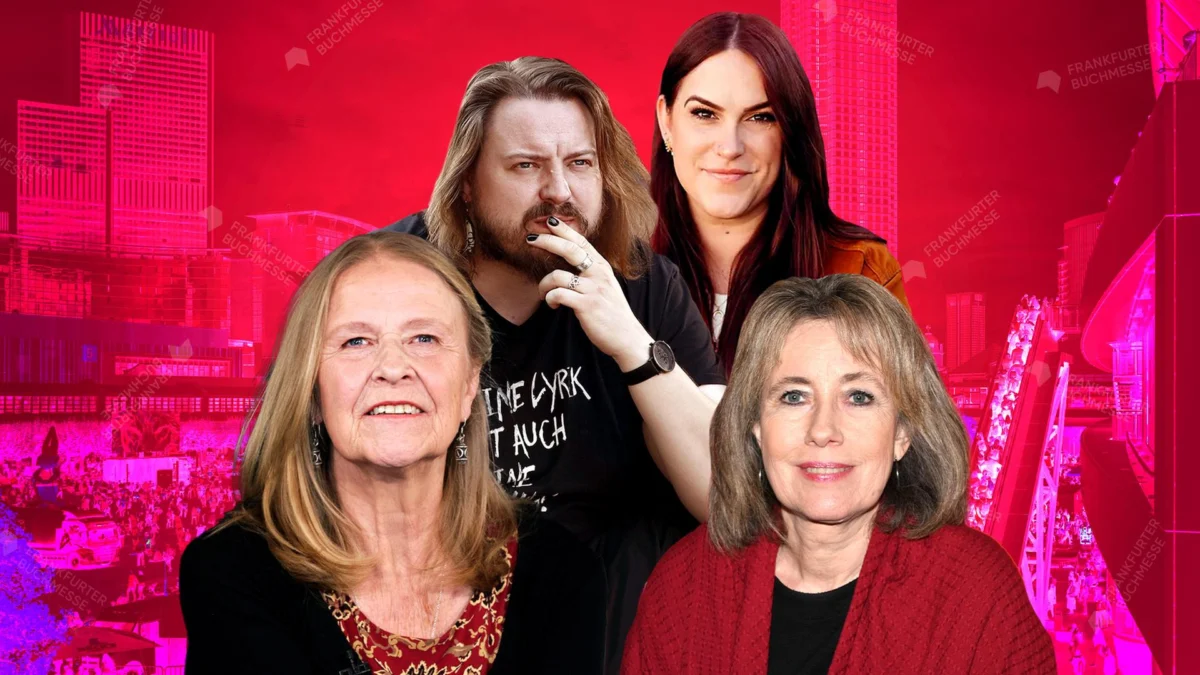
The Friday program on the ARD stage served as a microcosm of the fair’s broader ambitions. High-profile authors, including Caroline Wahl, Max Czollek, Jaroslav Rudiš, and Cornelia Funke, took the stage to present their latest works and engage in profound discussions. These conversations were not restricted to literary aesthetics but frequently veered into the urgent political crises of our era. The presence of international heavyweights, such as double Pulitzer Prize winner Colson Whitehead and the poignant voices of Ukrainian literature like Yaryna Chornohuz, underscored the fair’s commitment to global solidarity.
Chronology: A Day of Intense Dialogue
The day began with a focus on the Czech Gastland (Guest of Honor) presence. Jaroslav Rudiš, a central figure in this year’s programming, captivated audiences with insights into his new novel, Wo die Toten sprechen (Where the Dead Speak). Rudiš, known for his dark, melancholic wit, spoke of his fascination with graveyards as sites of profound human experience. He argued that literature—and particularly humor—acts as a vital weapon against the encroachment of autocracy. "Autocrats fear humor," Rudiš noted, suggesting that the power of storytelling remains one of our most potent defenses against the erosion of truth.

As the day progressed, the tone shifted from the existential to the socio-political. Max Czollek, author of the debut novel Zweifelssohn, utilized the stage to deliver a sharp critique of the contemporary political climate in Germany. Referencing the recent political shifts and the rise of populism, Czollek challenged the status quo, arguing that the traditional liberal narrative—the belief that things will improve simply if we tell a better story—has reached its expiration date. His intervention resonated with a crowd concerned about the fragility of democratic institutions.
Intellectual Resistance: The Voice of Radka Denemarková
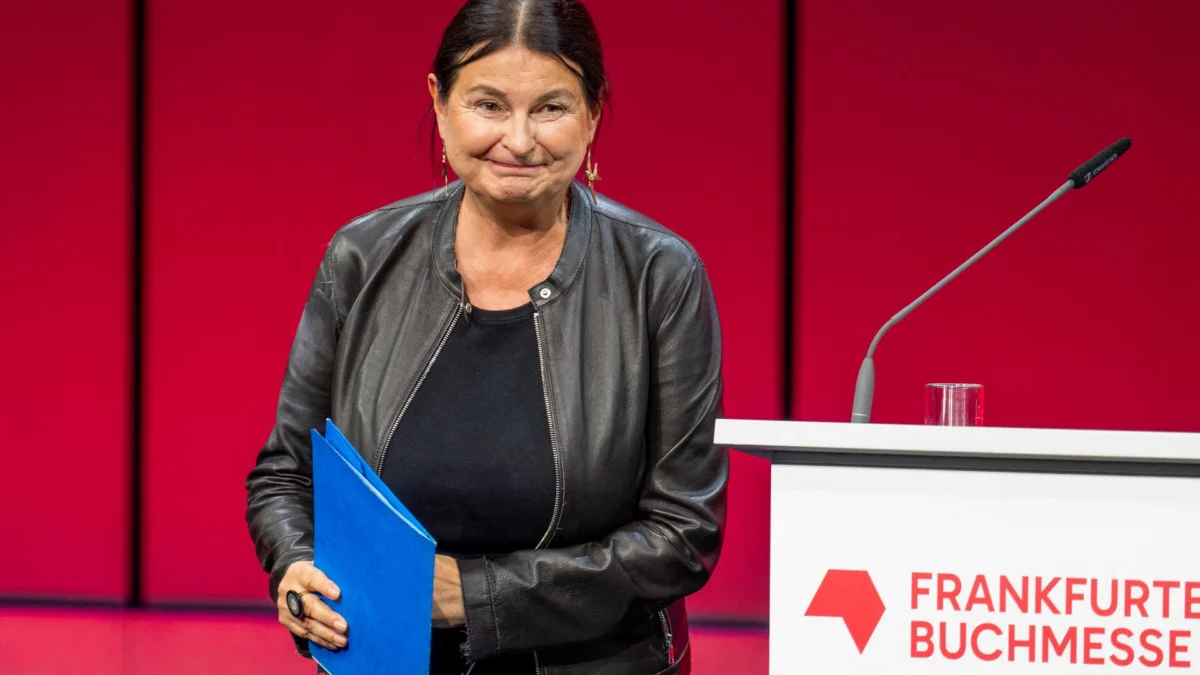
Perhaps the most resonant moment of the week thus far came from the Czech author Radka Denemarková. Having gained international attention during the fair’s opening ceremony for her defiant speech against cultural austerity, she continued her advocacy on the ARD stage. Addressing the controversy surrounding her criticism of the Czech Ministry of Culture, she refused to back down. "The ministers who destroy culture come and go, but literature remains," she reiterated. Her insistence on the necessity of solidarity among artists in the face of indifference from state institutions served as a call to arms for the creative community.

Supporting Data and Industry Trends
Beyond the main stage, the fair demonstrated the shifting demographics of modern readership. The "Crime World" in Hall 5.0 proved that mystery and suspense remain the bedrock of popular engagement. With interactive exhibits, escape rooms, and forensic workshops, the area transformed a passive genre into a multisensory experience.
Simultaneously, the "BookTok" phenomenon—the digital community of readers on TikTok—was omnipresent. The overwhelming demand for tickets to see authors like Liz Tomforde and Mona Kasten highlights the growing influence of social media on publishing success. These authors, who have reached millions through digital word-of-mouth, represent a new paradigm in how books find their audiences in the 21st century.

Official Responses and Public Discourse
The literary world’s reaction to the current geopolitical climate was further amplified by the "Open Books" festival, which runs in parallel to the main fair across various cultural venues in Frankfurt. In the St. Katharinenkirche, the format "Zwischen den Zeilen" (Between the Lines) featured readings of works by authors living in conflict zones. The event provided a platform for voices that are often drowned out by the noise of mainstream reporting.
Similarly, the Correctiv-Verlag hosted a discussion with journalists Can Dündar and Marcus Bensmann, titled "Warning to Germany: We have seen how democracies die." This event emphasized the role of investigative journalism and literature in safeguarding democratic values.

The evening concluded with the presentation of the German Youth Literature Prize (Jugendliteraturpreis). The winner, Maja Nielsen, was honored for her novel Das falsche Leben (The False Life). The book, which explores the complexities of a family living under the shadow of a GDR spy, highlights the fair’s focus on historical memory and the courage required to navigate state-imposed injustice.
Implications: The Future of the Book Fair
The Frankfurt Book Fair 2026 is signaling a departure from the purely commercial. While the trade aspects remain vital, the thematic weight of this year’s event suggests that literature is reclaiming its role as the conscience of society. Several key implications can be drawn from the current proceedings:

- The Politicization of Literature: Authors are no longer content to merely discuss their craft; they are increasingly acting as public intellectuals who feel a duty to address the decline of democratic norms.
- The Integration of Technology: From Colson Whitehead’s candid discussion on the limitations of Artificial Intelligence in the creative process to the rise of BookTok, the industry is navigating a hybrid reality where the human element of writing is being both threatened and amplified by digital tools.
- Nature and Childhood: The appeal of authors like Cornelia Funke, who advocates for a reconnection with the natural world, points to a broader cultural hunger for authenticity. The desire for "unstructured" childhood, free from the pressures of constant optimization, is a recurring motif in the latest children’s and young adult literature.
- Global Solidarity: The focus on Ukrainian authors and those from crisis-ridden regions underscores that the book industry in Frankfurt is positioning itself as a hub for international human rights advocacy.
Conclusion: A Forum for the Future
As the Frankfurter Buchmesse continues through the weekend, it is clear that the event has successfully navigated the transition from a traditional book market to a vital cultural laboratory. By bridging the gap between high-brow literature and popular digital trends, the fair remains an indispensable institution.
Whether it is through the quiet, contemplative pages of a novel or the loud, confrontational debates on the main stage, the 2026 edition of the fair reinforces a singular, enduring truth: that in an era defined by polarization and digital noise, the act of reading—and the communal act of discussing what we read—is a radical, necessary, and hopeful endeavor. The stories presented this year, from the trenches of Ukraine to the introspective journeys of the protagonists in the latest German novels, serve as a testament to the resilience of the human spirit. For those participating, whether in person or via the livestream, the fair offers more than just books; it offers a path forward.