As of September 2026, the fascination with the "Fab Four" shows no signs of waning. With four major cinematic projects, a high-profile television series, and a steady stream of archival releases, the Beatles are not merely history—they are a living, evolving cultural phenomenon.
Six decades after they first took the world by storm, John Lennon, Paul McCartney, George Harrison, and Ringo Starr remain the most significant cultural touchstone of the 20th century. While most bands fade into the background of musical history, the Beatles continue to dominate the discourse, proving that their influence was not a product of their time, but a fundamental shift in how we perceive art, celebrity, and human connection.
The Cultural Phenomenon: More Than Just Music
The current surge in Beatles-related media—including a sprawling BBC/ZDF television series, multiple books, and a dedicated NDR podcast titled Being the Beatles—underscores a simple truth: the story of the band is the foundational myth of modern pop culture.
"It remains the greatest cultural narrative of the 20th century," explains British journalist and author Ian Leslie. "It is the reason we are still talking about them today." Leslie’s recent work, which examines the symbiotic and often volatile creative partnership between Lennon and McCartney, highlights that their music was merely the tip of the iceberg. The Beatles represented a shift in attitude—a youthful, irreverent energy that allowed the post-war generation to define itself against the stuffiness of the previous era.
A Chronology of a Revolution: From Hamburg to the World
To understand the current obsession with the band, one must return to their "crucible"—the damp, neon-lit clubs of Hamburg’s Reeperbahn.
The Hamburg Years: The Hard School of Rock
In 1960, the Beatles were essentially a ragtag group of ambitious, under-trained musicians. As veteran journalist Ray Connelly recalls, "Nothing of cultural significance came out of Liverpool at the time. I was convinced that rock and roll had to come from the American South. I was wrong."
The band’s transformation occurred in the brutal environment of Hamburg. Playing eight-hour sets, often fueled by exhaustion and stimulants, the young musicians developed a tight, ferocious sound. It was here that they adopted their signature leather-clad aesthetic and honed their stage presence. When they returned to Liverpool, they were no longer a local dance band; they were a professional unit that had been forged in the fire of German nightlife. This period is currently being immortalized in the upcoming series Hamburg Days (working title), directed by German filmmaker Christian Schwochow.
The Evolution of the Sound
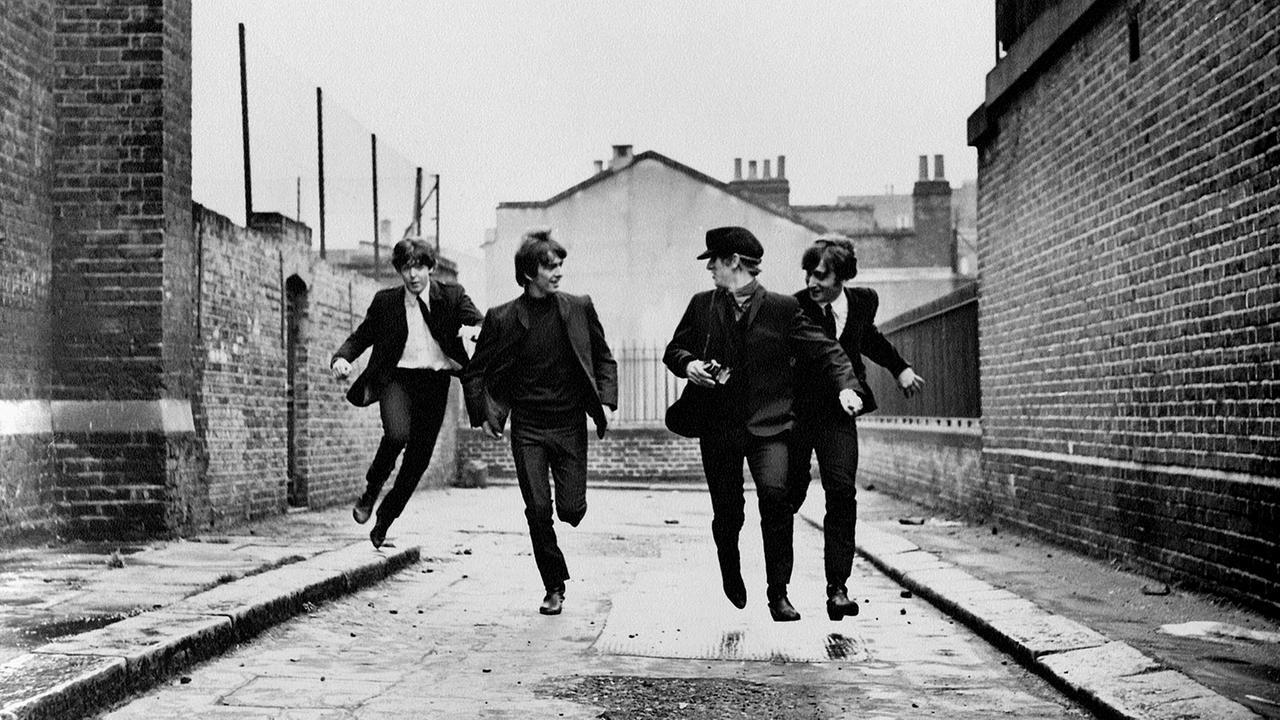
The band’s trajectory from the playful, mop-topped teenagers of 1964 to the experimental, bearded sages of 1968 remains one of the most rapid artistic evolutions in history. By 1966, they had effectively retired from touring. The reason was simple: they could no longer hear themselves over the deafening screams of stadium crowds, and the primitive sound technology of the time could not capture their increasingly complex studio arrangements.
Instead of fading away, they retreated to the studio. With the guidance of producer George Martin, they began to treat the recording studio as an instrument in itself. They integrated classical strings, Indian ragas, electronic tape loops, and avant-garde soundscapes into their work. This period saw the release of Revolver—for which their friend and collaborator Klaus Voormann designed the iconic cover—and culminated in the kaleidoscopic Yellow Submarine.
Supporting Data: The Anatomy of a Legacy
The sustained relevance of the Beatles is backed by more than just nostalgia; it is sustained by an unparalleled creative breadth.
- Genre-Defying Range: A listener can find traces of folk, blues, country, vaudeville, Indian classical, and proto-electronic music within their catalog.
- Technological Innovation: The Beatles were at the forefront of multi-tracking, backwards recording, and early sampling.
- The "Four-Film" Event: Perhaps the most ambitious project currently in development is Oscar-winner Sam Mendes’s four-part cinematic event. Unlike traditional biopics, each film will focus on a single member of the band, providing a unique lens through which to view their collective history. Scheduled for a 2028 release, the cast includes Paul Mescal as McCartney and Barry Keoghan as Starr, signaling that this is a high-prestige endeavor intended to introduce the band to a new generation of cinemagoers.
Official Perspectives and Personal Accounts
The longevity of the band is perhaps best articulated by those who were there. Klaus Voormann, now 88, remains a vital link to the past. Having befriended the band in Hamburg, he witnessed their hunger for constant evolution. "They were always looking for what they could do next. They didn’t want to repeat themselves," Voormann notes. This restlessness—the refusal to stay in a "Beatle-shaped box"—is precisely why their music remains fresh.
Julia Baird, John Lennon’s half-sister, offers a more sobering perspective on the early days. "They were emaciated," she recalls. "We were all shocked by how they looked. They had played so much and eaten so little." This reality—the sheer physical toll of their rise to fame—is a central theme of the upcoming Hamburg Days series, which utilizes Voormann’s personal recollections to provide an authentic look at the band’s formative struggles.
Implications: Why the Beatles Still Matter in 2026
Why do we still need new books, new series, and new cinematic reinterpretations of the Beatles? The answer lies in the universality of their journey.
The Myth of the Outsider
The Beatles represent the quintessential "hero’s journey." They were four young men from a working-class city who, against all odds, conquered the world through talent, wit, and friendship. This narrative remains an essential inspiration for artists today.
The Blueprint of Modern Pop
Every pop group that has followed—from the boy bands of the 90s to modern solo stars—operates within a framework established by the Beatles. Whether it is the visual branding, the experimental studio approach, or the transition from performing acts to multimedia icons, the Beatles wrote the playbook.
A Living Catalog
The recent reissue of the 1965 Rubber Soul album, featuring previously unheard demo sessions, proves that the band’s archive is a bottomless well of discovery. Furthermore, the continued output of the surviving members—Ringo Starr’s current US tour for his album Long Long Road and Paul McCartney’s recent memoir, The Boys from Dungeon Lane—ensures that the band’s presence is felt in the present tense, not just the past.
Conclusion: The Journey Ends in Liverpool
As we approach the late 2020s, the "Beatlemania" that gripped the world in the 1960s has matured into a sophisticated, multi-generational appreciation. The band is no longer just a group of musicians; they are a permanent fixture of our cultural landscape.
Whether it is through the lens of Sam Mendes’s upcoming films or the gritty, historical accuracy of Christian Schwochow’s series, the public’s appetite for the story of the Beatles remains insatiable. Ultimately, the story is a cyclical one. No matter how far they traveled—to the heights of fame or the depths of the studio—all roads eventually lead back to Liverpool. And as long as we continue to listen, the music of the boys from the Mersey will remain, as it has for over sixty years, a hit.