By Editorial Staff
Updated: September 26, 2026
"Ten thousand thundering typhoons!"
For generations, this exclamation has served as the hallmark of Captain Haddock, the irascible, whiskey-loving, yet fiercely loyal mariner who stands as the perfect foil to the eternally youthful reporter, Tintin. While the roots of Georges Remi’s—better known by his pen name, Hergé—masterpiece date back to the pre-war era, it was exactly 80 years ago today, on September 26, 1946, that the Tintin franchise achieved its definitive, world-altering breakthrough. As the world marks this milestone, the legacy of the intrepid reporter and his snowy-white fox terrier, Snowy (Milou), remains a towering pillar of global pop culture.
A Legacy Forged in Complexity
The trajectory of The Adventures of Tintin is not merely a story of comic book success; it is a complex narrative woven into the tapestry of 20th-century European history. Hergé, a visionary artist from Brussels, did not operate in a vacuum. His early career was shadowed by the turbulent politics of the Second World War. During the German occupation of Belgium, Hergé continued his work, a period that later invited heavy criticism regarding his professional associations.
For years, critics viewed him as a collaborator who maintained a facade of normalcy while his compatriots suffered under occupation and deportation. Yet, the post-war era demanded a shift. The public craved escapism, a return to moral clarity, and an identity untethered from the grim realities of the recent past. With the publication of The Temple of the Sun in 1946, Hergé transitioned from a controversial figure of the occupation to the architect of a new, optimistic youth culture. Tintin became an emblem of courage and exploration, a character with whom children across the globe could identify—a hero who was neither bound by cynical politics nor tainted by the war.
Chronology: From Newspaper Strips to Global Phenomenon
The evolution of Tintin is a masterclass in artistic discipline and editorial rigor.
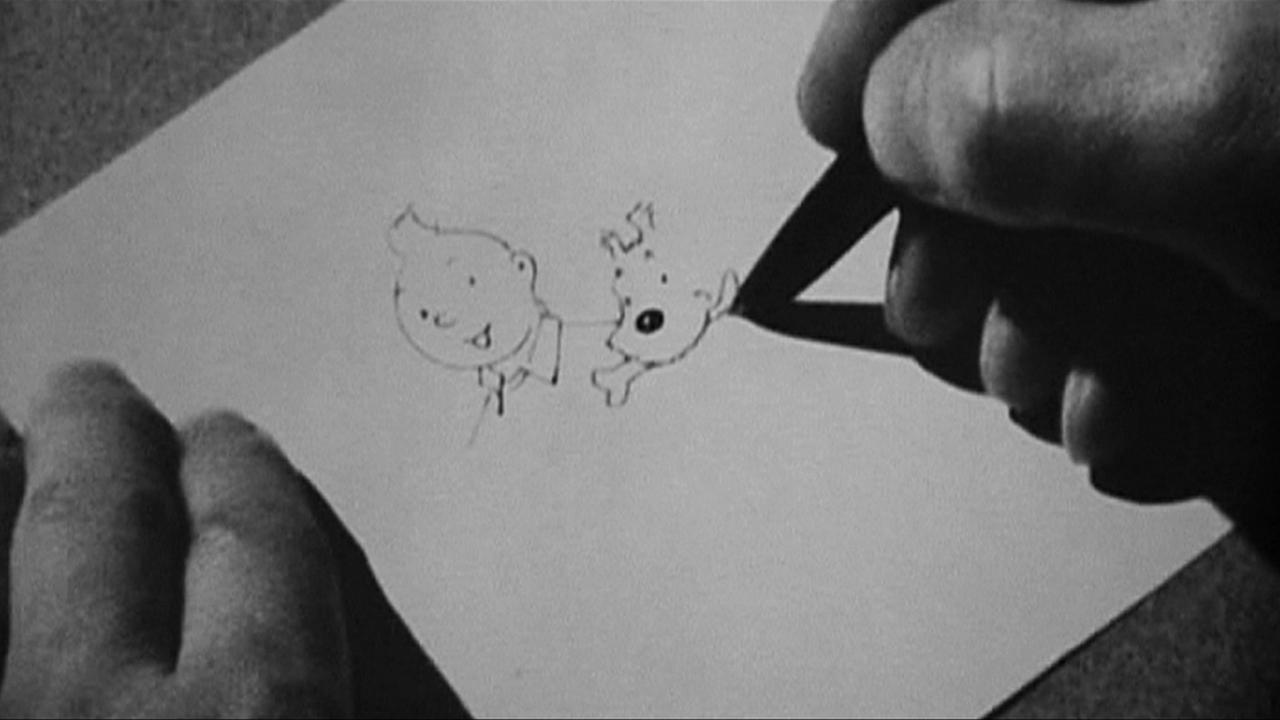
- 1929: Tintin makes his debut in Le Petit Vingtième, a youth supplement to the Belgian newspaper Le Vingtième Siècle.
- 1930s: Hergé refines his "ligne claire" (clear line) style, characterized by strong outlines and vibrant, flat colors, which would eventually define the aesthetic of Franco-Belgian comics.
- 1946: The definitive launch of Tintin magazine occurs. This marks the transition into the modern, high-production era of the series.
- 1957: The first animated adaptations bring the characters to television, immortalizing the voice and temperament of Captain Haddock, whose famous insults were reportedly inspired by the colorful language of Brussels market vendors.
- 1983: The death of Hergé. Despite his immense staff of talented assistants, he leaves behind a strict final wish: no one is to continue the series in his absence.
- 2026: The 80th anniversary of the post-war breakthrough, with total circulation figures approaching a staggering 300 million copies.
The Human Reality Behind the Ink
Hergé was never one to rely solely on fantasy. His characters were amalgamations of real-world figures he observed in the bustling streets of Brussels. In a rare television interview given a decade after the 1946 breakthrough, Hergé reflected on the nature of his creations: "There are the bad, there are the good, and there are those in between. There are every possible character one can imagine."
This observation was the cornerstone of his success. By grounding his characters in psychological reality—the cowardice of the villainous, the bumbling charm of the Thomson and Thompson detectives, and the redemptive arc of Captain Haddock—Hergé ensured that the world of Tintin felt lived-in. Tintin himself, the brave reporter, was a mirror for the reader’s own aspirations of adventure and justice.
The "No-Succession" Mandate: A Creator’s Final Word
Perhaps the most fascinating aspect of the Tintin legacy is the strict control Hergé exerted over its future. While many comic franchises—such as Superman or Asterix—have been handed off to new generations of writers and illustrators, Tintin remains a closed book.
In a French talk show appearance shortly before his death in 1983, Hergé explained why he forbade anyone from continuing the series, despite having a team of brilliant artists who had essentially mastered his style. "I have excellent assistants who do great work—better than I could do myself," he admitted. "But I believe that it is, at its core, something deeply personal. Tintin is actually me. Captain Haddock, that is me. And therefore, I think it is better this way."
This decision effectively turned the Tintin canon into a finite body of work, a curated collection of 24 albums that remain as pristine today as they were upon their original release. This refusal to commercialize the brand through "ghost-written" sequels has arguably preserved the artistic integrity of the series, preventing the dilution of Hergé’s unique voice.
Supporting Data: By the Numbers
The scale of Tintin’s reach is difficult to overstate. What began as a modest newspaper strip has evolved into a global literary powerhouse.
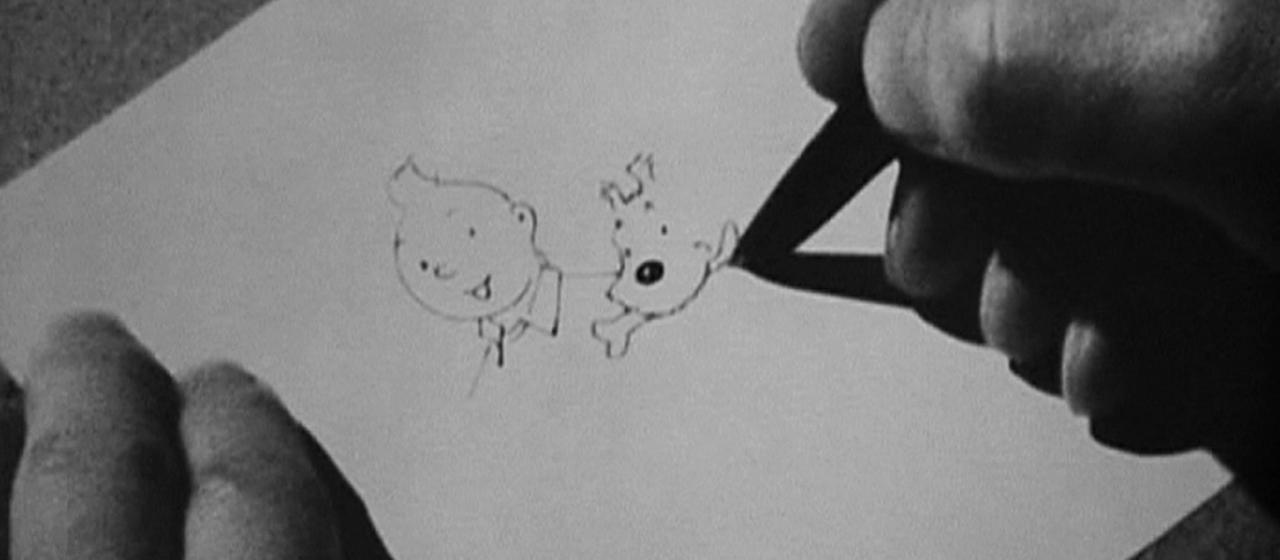
- Global Circulation: As of 2026, the world circulation is estimated at 230 million copies, with projections indicating it will soon reach the 300-million mark.
- Linguistic Reach: The adventures have been translated into 80 official languages and roughly 30 regional dialects, ensuring that the stories resonate from the bustling markets of East Asia to the rural villages of Africa and the urban centers of the West.
- Artistic Influence: The "ligne claire" technique remains a staple in art schools and professional graphic novel studios worldwide, cited as a foundational influence by modern masters of the medium.
Implications for Modern Culture
As we look back at the 80-year history of the 1946 milestone, the enduring appeal of Tintin offers a lesson in cultural longevity. In an age of rapid digital consumption and disposable content, the slow, methodical, and deeply human storytelling of Hergé remains a benchmark of quality.
The political rehabilitation of Hergé from a war-time collaborator to a beacon of postwar European culture is a testament to the power of art to evolve. It suggests that while creators may be flawed, their work can transcend their personal history, eventually belonging to the audience that finds meaning within it.
Furthermore, the "no-succession" policy serves as a cautionary tale for modern franchises. In a market obsessed with IP exploitation, the decision to let a masterpiece rest—to honor the creator’s vision by refusing to expand it beyond its natural conclusion—has proven to be the most effective way to ensure the work remains a classic.
Conclusion
Tintin, the reporter who never aged, has reached a venerable age himself. Yet, the boy with the quiff and his loyal dog remain as fresh as the day they first stepped into the Temple of the Sun. They continue to inspire, to entertain, and to provoke. As the world celebrates this 80th anniversary, we are reminded that some stories do not need a reboot, a sequel, or a modern reimagining to remain relevant. They only need to be read, shared, and remembered.
Ten thousand thundering typhoons—may the adventures continue for another eighty years.