

By International News Desk
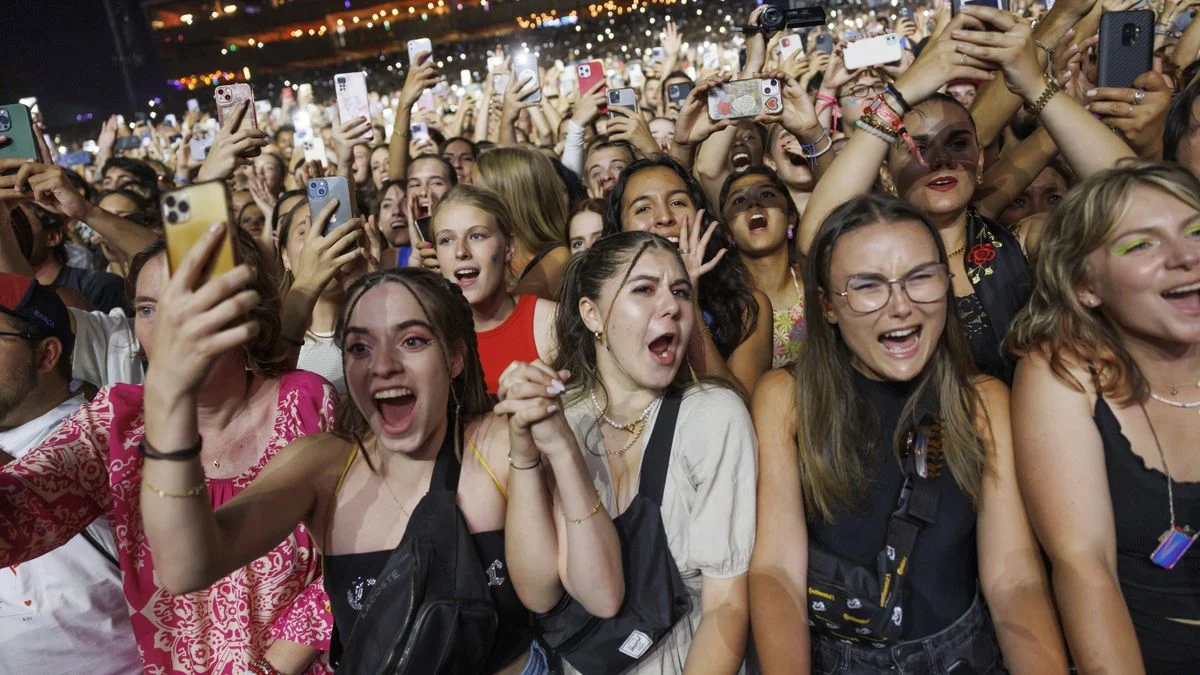
For years, music fans and sports enthusiasts across Germany have faced a frustrating digital gauntlet: the moment high-demand tickets go on sale, they vanish in milliseconds, only to reappear on secondary marketplaces moments later at prices marked up by hundreds of percent. This systemic exploitation of cultural and sporting events has finally reached a tipping point, as the German federal government signals a major legislative crackdown on the "wild west" of the ticket resale industry.
Federal Justice Minister Stefanie Hubig has officially announced plans to tighten regulations on the secondary ticket market, responding to a groundswell of pressure from artists, promoters, and consumer advocates. The initiative marks a significant shift in German policy, moving away from a largely unregulated market toward a structured framework designed to prioritize fair access over predatory speculation.
The Crisis of Accessibility: A Call to Action
The catalyst for this legislative pivot was a powerful open letter addressed to the federal government, spearheaded by the association Pro Musik. The manifesto, signed by a constellation of high-profile German artists—including the legendary punk rock band Die Toten Hosen and rising rap star Ikkimel—demands an immediate end to what they describe as "usury and fraud" on platforms like Viagogo and eBay.
The letter highlights a reality that has alienated millions of fans: tickets originally priced at a modest €60 are frequently re-listed for €200, €300, or more. These markups, which often exceed 250 percent, do not fund the artistic process, the tour production, or the fair wages of stage crews. Instead, the profits flow exclusively into the pockets of anonymous speculators who contribute nothing to the cultural ecosystem.
"These middlemen contribute nothing to culture but greed," the letter states. The message from the arts community is clear: when concerts and matches are priced solely for the wealthy elite, the social fabric of live entertainment is irreparably damaged.
Chronology: From Market Chaos to Legislative Momentum
The struggle to reform the German ticket market has been a slow burn that has recently accelerated into a policy priority.

- The Rise of Bot Culture: Over the last decade, the proliferation of specialized software—automated "bots"—allowed scalpers to purchase hundreds of tickets within seconds of a sale opening. This created an artificial scarcity that drove prices to astronomical heights.
- The Regulatory Vacuum: While other European nations implemented consumer protection laws, Germany remained largely hands-off, leaving event organizers with limited legal recourse to police their own ticket distributions.
- The Coalition Agreement (2025): The current governing coalition between the Union and the SPD explicitly pledged in their manifesto to "protect consumers from excessive prices, lack of transparency, and fraudulent sales practices." However, progress remained stagnant until the recent public outcry.
- The "Pro Musik" Letter (2026): The publication of the open letter acted as the definitive trigger. By aligning artists, the Federal Association of the Concert and Event Industry (BDKV), and the public, the campaign forced the issue onto the front pages of national newspapers.
- The Minister’s Commitment (Present Day): Justice Minister Stefanie Hubig’s recent interview with the Bild newspaper confirmed that the government is now drafting measures to bring the secondary market under state oversight.
The Economics of Exploitation: Supporting Data
The economic model of the ticket scalping industry relies on information asymmetry and technical superiority. According to industry reports cited by Pro Musik, the primary victims are not just the fans, but the entire value chain of the creative industry.
Data indicates that the most popular events—stadium tours and major cup finals—are the most heavily targeted. Scalpers utilize sophisticated scripts to bypass "waiting room" queues, effectively holding the inventory hostage.
The financial impact is twofold:
- Consumer Harm: Fans are forced to pay a "speculation tax" just to participate in cultural life.
- Industry Stagnation: Because the secondary market price is disconnected from the artist’s production costs, the primary market remains undervalued, while the excess value is siphoned off by platforms that often provide no guarantee of the ticket’s authenticity, leading to frequent instances of ticket fraud at venue gates.
Official Responses and the "International Standard"
Minister Hubig’s approach is rooted in the success stories of Germany’s neighbors. "A look at other countries shows: we can effectively regulate the secondary ticket market on a national level," Hubig stated.
The proposed legislation looks toward three primary models of international success:
The French Model
France has led the charge against commercial scalping for decades, with strict legal constraints that prohibit the unauthorized commercial resale of tickets. By treating tickets as a regulated good rather than a pure commodity, France has successfully limited the influence of predatory brokers.
The UK and US Models
The United Kingdom has implemented robust transparency requirements, mandating that the original price, seat number, and the seller’s identity must be clearly displayed to the buyer. Meanwhile, the United States, through the Better Online Ticket Sales (BOTS) Act, has made the use of automated software to circumvent purchase limits a federal offense.

The Belgian and Italian Frameworks
Both nations have successfully introduced legislation that limits the resale price and mandates that platforms verify the legitimacy of the tickets being sold, providing a blueprint for the "safe" resale of tickets by fans who are simply unable to attend an event.
Implications: What Changes for the German Market?
The proposed reforms, which the government is expected to draft into a bill "promptly," are likely to include several key pillars:
- Price Capping: A major proposal involves capping the resale price at a maximum of 25 percent above the original face value. This would make mass-scale speculation economically unviable.
- Bot Prohibition: The use of automated purchasing software will likely be criminalized, mirroring the US federal approach.
- Organizer Control: Organizers would gain the legal authority to designate "authorized resale platforms," allowing them to invalidate tickets sold on unauthorized sites. This would effectively force platforms like Viagogo to comply with the organizers’ rules or face legal action.
- "Ghost" Ticket Bans: It will become illegal to sell tickets that the seller does not yet possess—a common practice where scalpers sell tickets they intend to acquire once the primary sale opens.
The Balancing Act
Minister Hubig was careful to emphasize that the goal is not to eliminate the secondary market entirely. "The private resale of tickets must remain possible," she noted. The government is aiming for a "surgical" regulation—one that allows a fan to resell a ticket to a friend or another individual at a fair price without creating a loophole for professional "scalping rings."
Conclusion: A New Era for Live Entertainment
The move to regulate the ticket market represents a significant victory for the German cultural sector. It acknowledges that the arts and sports are not just markets, but public goods that require protection from algorithmic manipulation.
As the government moves toward a legislative draft, the pressure will remain on policymakers to ensure that the final law is robust enough to adapt to future technological shifts. For the millions of fans who have felt priced out of their favorite concerts and games, the promise of a fairer, more transparent system is a long-overdue development. If successful, Germany could soon join the ranks of nations that have successfully reclaimed their live event industries from the grip of high-tech speculators.
















Leave a Reply