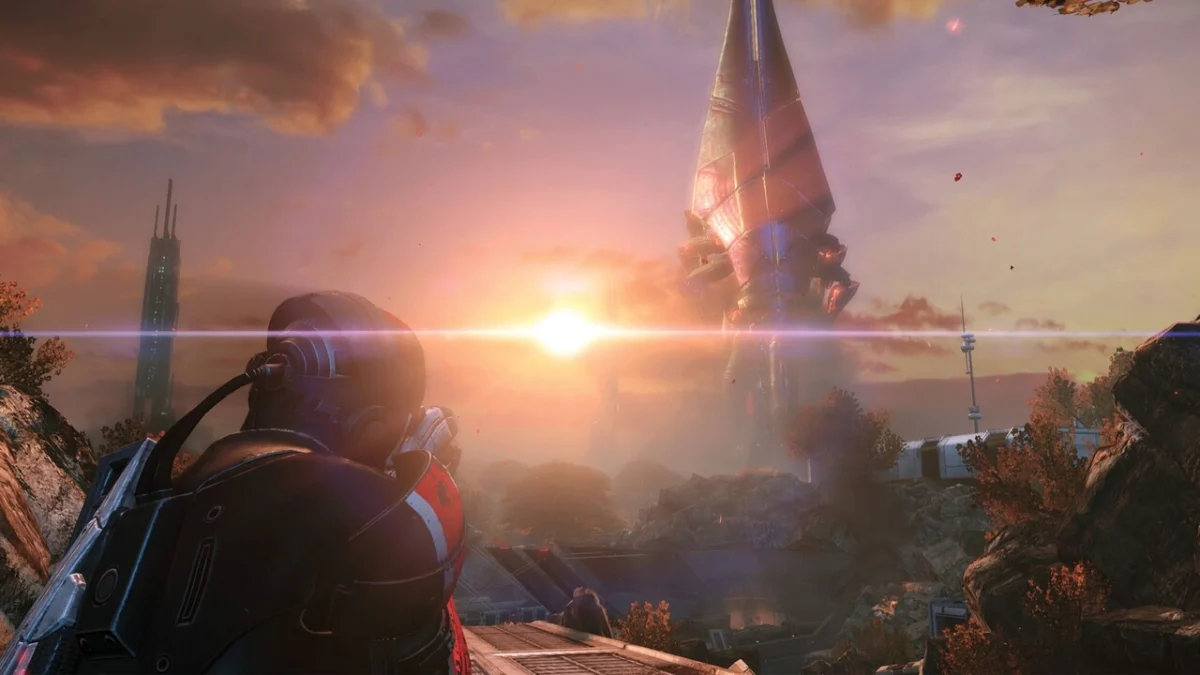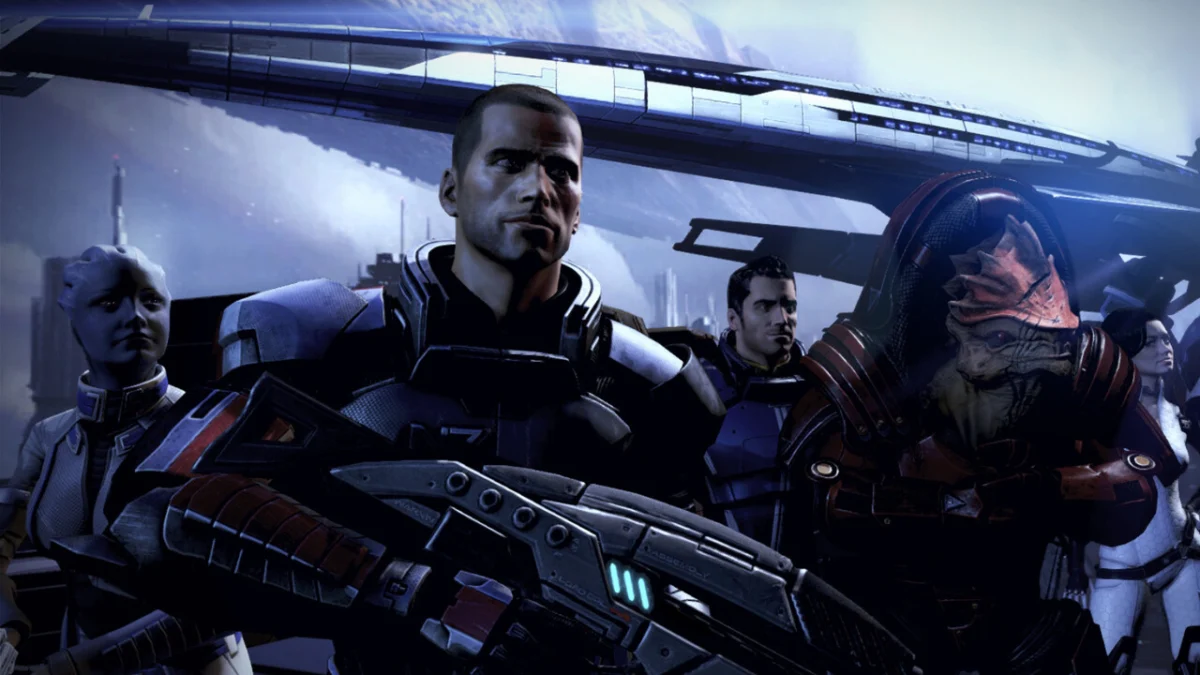
The gaming industry is reeling from a seismic shift as Electronic Arts (EA) officially announced the closure of BioWare, one of the most storied and influential development studios in the history of interactive entertainment. The shutdown, which comes as part of a sweeping corporate restructuring effort, marks the end of a legendary lineage that defined the role-playing game (RPG) genre for over two decades. With the studio’s doors closing, EA has confirmed that the highly anticipated next entry in the Mass Effect franchise has been unceremoniously cancelled, signaling a definitive departure from the narrative-driven, single-player RPGs that once served as the backbone of BioWare’s identity.
A Legacy of World-Building and Innovation
To understand the weight of this loss, one must look at the foundation BioWare built. Founded in 1995 in Edmonton, Alberta, by Ray Muzyka and Greg Zeschuk, the studio quickly rose to prominence by breathing new life into the CRPG genre. Their early contributions—Baldur’s Gate, Neverwinter Nights, and the seminal Star Wars: Knights of the Old Republic—did more than just entertain; they established a blueprint for player agency and narrative depth that remains the gold standard for RPGs today.
The studio’s evolution reached its zenith with the Mass Effect trilogy and the Dragon Age series. BioWare became synonymous with "prestige gaming," a brand that promised players emotional stakes, deep character relationships, and worlds that reacted to their moral choices. Mass Effect in particular acted as a bridge between the hardcore PC RPG audience and the mainstream console market, proving that cinematic storytelling and accessible mechanics could coexist without sacrificing the core "BioWare magic."
However, the studio’s recent history has been characterized by a struggle to adapt to an industry increasingly dominated by "Games as a Service" (GaaS) models and volatile market expectations. From the polarizing conclusion of Mass Effect 3 to the troubled development of Mass Effect: Andromeda, the disastrous live-service attempt that was Anthem, and finally the mixed reception of Dragon Age: The Veilguard, BioWare’s output over the last decade has been a shadow of its former self. While these later titles were often technically proficient, they frequently felt at odds with the studio’s DNA, seemingly forced into molds dictated by external market trends rather than the creative expertise of the developers.
Chronology of a Slow Decline
The closure did not happen in a vacuum. It is the culmination of years of internal friction and changing executive priorities at EA.
- 2012: The release of Mass Effect 3 marked the final chapter of the original trilogy. While commercially successful, the controversy surrounding its ending served as the first major crack in the studio’s untouchable reputation.
- 2014-2017: The transition into the Frostbite engine era—a mandate from EA—caused significant technical debt and development friction. Dragon Age: Inquisition (2014) was a commercial hit, but the production was fraught with crunch and engine-related complications.
- 2017: Mass Effect: Andromeda launched to widespread criticism, stalling the momentum of the studio’s flagship franchise and leading to an indefinite hiatus for the series.
- 2019: The launch of Anthem proved to be a critical and commercial failure. The game’s inability to deliver on its live-service promises became a symbol of BioWare’s struggles to pivot away from its strengths.
- 2024: Dragon Age: The Veilguard arrived as a make-or-break title. Despite receiving decent reviews, EA publicly cited the game’s "concept" as a point of contention, blaming it for failing to meet the aggressive financial targets set by the publisher.
- 2026 (Present): Following the acquisition of EA by the Saudi Arabian Public Investment Fund (PIF) and a subsequent shift in corporate strategy, EA announced the closure of BioWare as part of a 400-person layoff wave.
The Financial Catalyst: Debt and Restructuring
The catalyst for this decision is rooted in the broader financial landscape of Electronic Arts. According to reports from Bloomberg, the closure is part of a larger plan to slash $700 million in research and development costs. Following the $55 billion acquisition of EA by the Saudi Arabian PIF, the company has faced intense pressure to optimize profitability and service its massive debt load.
In the cold language of corporate finance, BioWare no longer represented a "synergistic" investment. The high-budget, long-cycle development of traditional RPGs is increasingly viewed as too risky for a publisher under pressure to deliver consistent quarterly growth. Instead, EA is pivoting toward what it calls "proven revenue drivers": sports titles (like EA Sports FC), the ongoing juggernaut Apex Legends, and established action-adventure franchises like the Star Wars Jedi series.
By shuttering BioWare, EA is signaling that it has no interest in supporting "prestige" projects that do not provide clear pathways to recurring revenue or massive, multi-year engagement loops. The project that was in development for Mass Effect—which many fans hoped would be a return to form—was viewed as a liability rather than an asset in this new, austerity-driven environment.
Official Responses: "The Next Chapter"
In an official memo addressed to employees and later released to the public, EA’s Chief Operating Officer David Tinson and Head of Studios Cam Weber framed the move as a necessary evolution.
"We are living in a complex market environment," the memo reads. "The greatest opportunities for growth lie beyond the markets, platforms, and business models where EA has traditionally been strongest. To remain competitive, we must align our talent and investments with the areas that provide the greatest chances for long-term growth and value for our players."
The statement explicitly mentions a commitment to the "future of our most popular franchises," which notably excludes BioWare’s portfolio. While EA will continue to support titles like Battlefield and future collaborations between DICE and Respawn, the studio that defined the modern RPG has been excised to save costs and streamline the company’s focus toward more lucrative, low-risk ventures.
Implications for the Industry
The closure of BioWare sends a chilling message to the games industry at large: even the most iconic studios are not immune to the ruthless math of modern corporate consolidation.
1. The Death of the "Prestige" RPG
The loss of BioWare suggests that the traditional, single-player, narrative-heavy RPG is an endangered species within the AAA ecosystem. While studios like Larian (with Baldur’s Gate 3) have proven that there is a massive market for these games, major publishers like EA appear convinced that these projects are too expensive and too unpredictable to justify in a post-acquisition financial model.
2. Consolidation and Creative Stagnation
The influence of the PIF and the resulting need to cut $700 million in costs suggests that artistic risk-taking is being sacrificed at the altar of quarterly profitability. When a studio with the pedigree of BioWare is shut down, it confirms that in the eyes of contemporary stakeholders, brand history is secondary to the immediate scalability of live-service platforms.
3. Talent Migration
The layoffs will result in hundreds of experienced developers entering the job market. While some may find roles at other major studios, many veterans of the "Golden Age" of RPGs may leave the industry entirely. The knowledge, institutional wisdom, and specific creative culture fostered at BioWare are effectively being erased, leaving a void that smaller, independent studios will struggle to fill given the sheer scale and budget requirements of modern AAA production.
Conclusion: A Bitter Legacy
The closure of BioWare is more than a line item in a corporate restructuring report; it is a cultural event. For millions of players, BioWare was the studio that taught them that games could be more than just high-score chases—they could be vehicles for deep, philosophical, and personal storytelling.
EA’s decision to bury Mass Effect and close the studio is a logical move from a balance-sheet perspective, but it is a devastating one for the medium. By prioritizing "safe growth" and abandoning the very core competencies that built their most famous brands, Electronic Arts has chosen to prioritize the bottom line over the legacy that made them a titan in the first place. As the doors of the Edmonton studio lock for the last time, the industry loses not just a company, but a standard-bearer for what the medium of video games can achieve when given the time, budget, and creative freedom to tell a story that matters.