Almost a decade after its long-awaited debut, Hamburg’s Elbphilharmonie has transcended its origins as a symbol of bureaucratic dysfunction to become one of the most significant musical landmarks of the 21st century. As the venue enters its anniversary season, a retrospective look reveals an institution that has reshaped not just the city’s skyline, but its social and cultural fabric.
The Burden of Expectation: A Troubled Genesis
When the Elbphilharmonie finally opened its doors—the Plaza observation deck on November 6, 2016, and the Grand Hall on January 11, 2017—the air in Hamburg was thick with apprehension. For years, the project had been synonymous with failure. It was the quintessential example of a "prestige project" gone wrong: plagued by seemingly endless construction delays, architectural disputes, and a staggering escalation of costs.
Ultimately, the bill for the glass-and-brick masterpiece hit 866 million euros, of which 789 million were drawn directly from public coffers. At the time, critics questioned whether any building, regardless of its acoustic prowess, could justify such an immense expenditure. The political pressure on the project was immense; it was not intended to be merely a concert hall, but a transformative engine for the city. Olaf Scholz, then First Mayor of Hamburg, famously declared it a "house for everyone," envisioning a space where every child in the city would set foot at least once.
Chronology of a Cultural Icon
- 2007: Groundbreaking ceremony takes place, with initial cost estimates significantly lower than the final total.
- 2010–2015: A period defined by legal battles between the city, the developer, and the construction firm, leading to the infamous "stop-and-go" construction phase.
- November 2016: The Plaza, a public observation deck, opens, offering panoramic views of the harbor and immediately becoming a magnet for tourists.
- January 2017: The Grand Hall is inaugurated with a concert by the NDR Elbphilharmonie Orchestra, marking the official start of musical operations.
- 2017–2026: The venue cements its reputation as a world-class stage, hosting global stars from Karl Lagerfeld to the Wiener Philharmoniker.
- October 2026: The introduction of an entry fee for the Plaza signals a shift toward managed tourism, acknowledging the sheer volume of visitors.
- 2027: The venue enters its grand anniversary season, reflecting on ten years of operation and over 7 million concert attendees.
Supporting Data: By the Numbers
The success of the "Elphi," as it is affectionately known, is best measured through its impact on the cultural life of Northern Germany. According to official statistics, by January 2027, an estimated 29.5 million people will have visited the Plaza. More significantly, 7.4 million people will have attended roughly 6,600 concerts and events.
This represents a threefold increase in concert attendance within the Hamburg metropolitan area since the opening. With an occupancy rate of 96 percent in the Grand Hall, the venue has defied the skeptics who feared the hall would be an "empty palace." Furthermore, the education department of the institution has reached approximately 420,000 individuals through 7,400 specialized events, including workshops that have ensured almost every school student in Hamburg has visited the venue.
The Architectural and Acoustic Debate
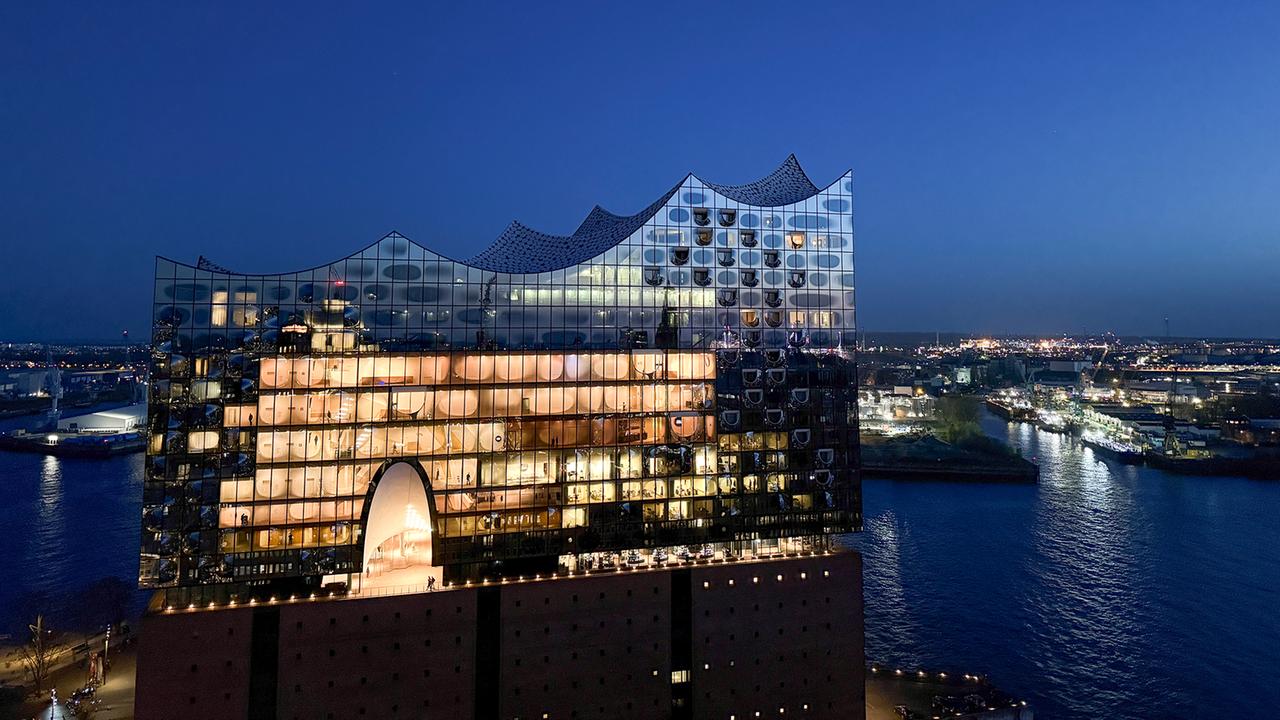
The architecture, designed by Herzog & de Meuron, is a triumph of urban integration, blending the historic Kaispeicher warehouse with a crystalline glass structure. However, it is the interior that remains the subject of intense professional discussion. The acoustics, designed by the legendary Yasuhisa Toyota, rely on the "White Skin"—10,000 individual gypsum fiber panels milled to precise specifications.
The result is a sound profile of startling transparency. It is a "high-definition" listening experience that captures every nuance of a performance. As conductor Sir Simon Rattle famously noted, the acoustics are so precise that they act like a high-resolution photograph of a face, revealing every tiny imperfection. For some musicians, this is a dream; for others, it is an unforgiving environment where there is nowhere to hide. This "clinical" clarity has become the hallmark of the venue—a sound that is distinct, modern, and uncompromising.
Official Perspectives and Artistic Strategy
Intendant Christoph Lieben-Seutter, who has guided the institution from its rocky start to its current glory, remains steadfast in his pride. "I would not trade this hall for any other in the world," he stated in a recent interview.
The strategy for success has been twofold: maintaining the highest standards of international classical music while actively courting other genres. The "Elbphilharmonie Visions" festival, for instance, serves as a testament to the venue’s commitment to contemporary orchestral music. By collaborating with the NDR (Norddeutscher Rundfunk), the venue has created a platform for composers of the 21st century, ensuring the repertoire does not stagnate.
Beyond classical music, the venue has successfully curated jazz series and world music festivals, focusing on artists like Anoushka Shankar and exploring traditions from the Caucasus, Lebanon, and the Sufi world. This diversity is essential to its identity as a "house for all." The "Made in Hamburg" series further anchors the venue in the local scene, providing a prestigious stage for the city’s homegrown talent.
Implications for Future Urban Development
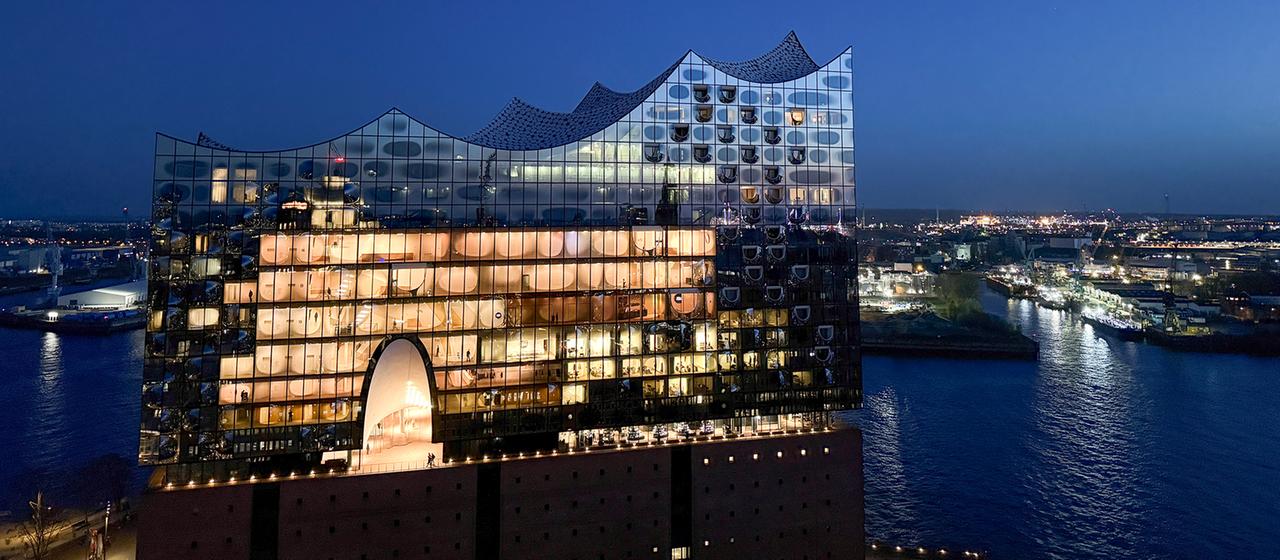
The legacy of the Elbphilharmonie serves as a fascinating case study in urban planning and public perception. In April 2026, the New York Times listed the Elbphilharmonie as the eighth most controversial building in history. Yet, as architect Toshiko Mori noted, the controversy has faded in the face of the building’s enduring utility and popularity.
The venue has fundamentally altered Hamburg’s global brand. It has shifted the city from a purely industrial and port-centric image to one that competes with the cultural capitals of the world. The transition from a "money pit" to a "cultural magnet" has been so complete that it is now difficult for many residents to imagine the city without it.
However, the future is not without its challenges. The introduction of an entry fee for the Plaza—aimed at managing the sheer volume of crowds—highlights the ongoing struggle to balance public access with operational sustainability. As the Elbphilharmonie looks toward its second decade, the focus is shifting from simply establishing its presence to deepening its role as a civic anchor.
Conclusion
The Elbphilharmonie is no longer just a building; it is a barometer for Hamburg’s civic confidence. While the price tag remains a historical footnote of significant public debate, the returns on investment—measured in artistic excellence, educational outreach, and international prestige—have proven to be substantial. It has survived its own hype and the skepticism of its critics, emerging as a space that, while demanding in its acoustic precision and architectural boldness, has succeeded in becoming an integral part of the public consciousness.
For the musicians who grace its stage, it is a rite of passage; for the people of Hamburg, it is a point of pride; and for the world, it stands as a monument to the idea that culture, even at a high price, remains one of the most vital investments a city can make. As the anniversary celebrations begin, the message is clear: the Elbphilharmonie has not only arrived—it has set the standard for the future of the modern concert hall.