The landscape of high-performance computing for creative professionals is undergoing a tectonic shift. Following the recent unveiling of the MSI Prestige N16 Flip AI+, Asus has officially pulled back the curtain on its own highly anticipated lineup: the ProArt P14 (H7407) and P16 (H7607) notebooks. These machines, which represent the vanguard of the "RTX Spark" era, are designed to bridge the gap between traditional mobile workstations and the specialized requirements of modern AI-driven workflows.
While these devices were first teased during the IFA 2026 exhibition in Berlin, the company remained tight-lipped regarding the specific regional configurations and the final price points for the German market. With the latest product listings now live, we finally have a clear picture of what it costs to own the next generation of Nvidia-powered creative powerhouses.
Main Facts: The New ProArt Hierarchy
The arrival of the Asus ProArt P14 and P16 signifies a pivot toward deeper integration with Nvidia’s proprietary silicon. By moving away from traditional GPU architectures in favor of the new RTX Spark (N1X) chips, Asus is betting on a future where AI processing is not just an add-on, but the core foundation of the user experience.
Asus ProArt P14 (H7407)
The compact powerhouse of the series, the P14, aims to deliver high-octane performance in a chassis that remains portable.
- Starting Price: €3,299
- Standard Configuration: 32GB LPDDR5X RAM and a 1TB SSD.
- The GPU Ambiguity: Currently, documentation on the official Asus storefront is inconsistent, with conflicting technical specifications regarding whether the system utilizes the entry-level or the high-performance variant of the RTX Spark N1X chip. Potential buyers are advised to exercise caution until the technical specifications are finalized in production units.
Asus ProArt P16 (H7607)
The larger P16 variant serves as the flagship workstation for power users who demand more screen real estate and memory headroom.
- Entry-Level Price: €2,999 (24GB LPDDR5X RAM, 512GB SSD). This configuration utilizes the smaller N1X variant, featuring 18 cores and 5,120 shaders.
- High-End Configuration: €4,299 (64GB RAM, 1TB SSD). This model pairs the upgraded hardware with the more powerful version of the N1X chip.
- Regional Limitation: Unlike some of its competitors, such as MSI, Asus has opted not to offer a 128GB RAM variant for the German market at this time.
Chronology: From IFA Tease to Market Reality
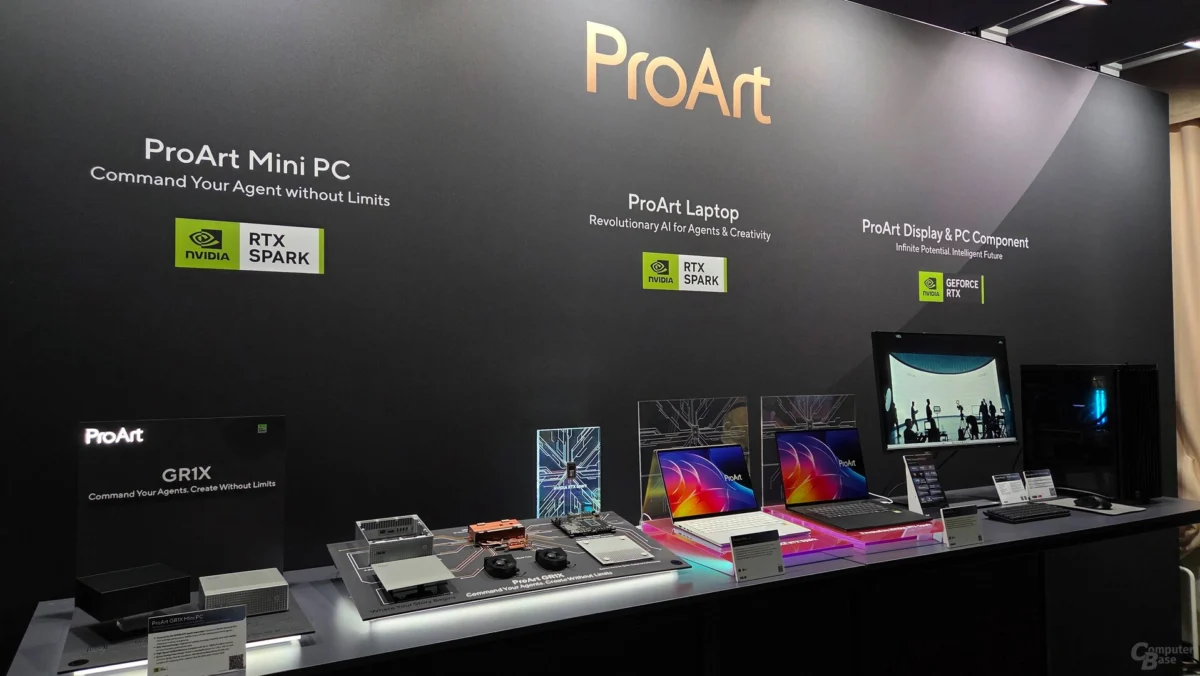
The journey to this launch began in early September 2026 at the IFA in Berlin. During the event, Asus showcased the ProArt series, emphasizing their sleek, minimalist design and the revolutionary "Spark" architecture.
- September 2026: Asus exhibits the ProArt P14 and P16 at IFA. The buzz centers on the transition to Nvidia’s proprietary chips, marking a departure from industry standards. However, pricing remains a closely guarded secret.
- October 2026: Technical rumors circulate regarding the N1X chip architecture, focusing on core counts and power efficiency.
- Late October 2026: The competitive landscape shifts as MSI announces the pricing for the Prestige N16 Flip AI+, setting a high bar for premium pricing.
- November 2026: Asus breaks the silence, updating their official e-store with the finalized configurations and MSRPs for the German market, effectively confirming the entry of these devices into the retail channel.
Supporting Data: Understanding the RTX Spark (N1X)
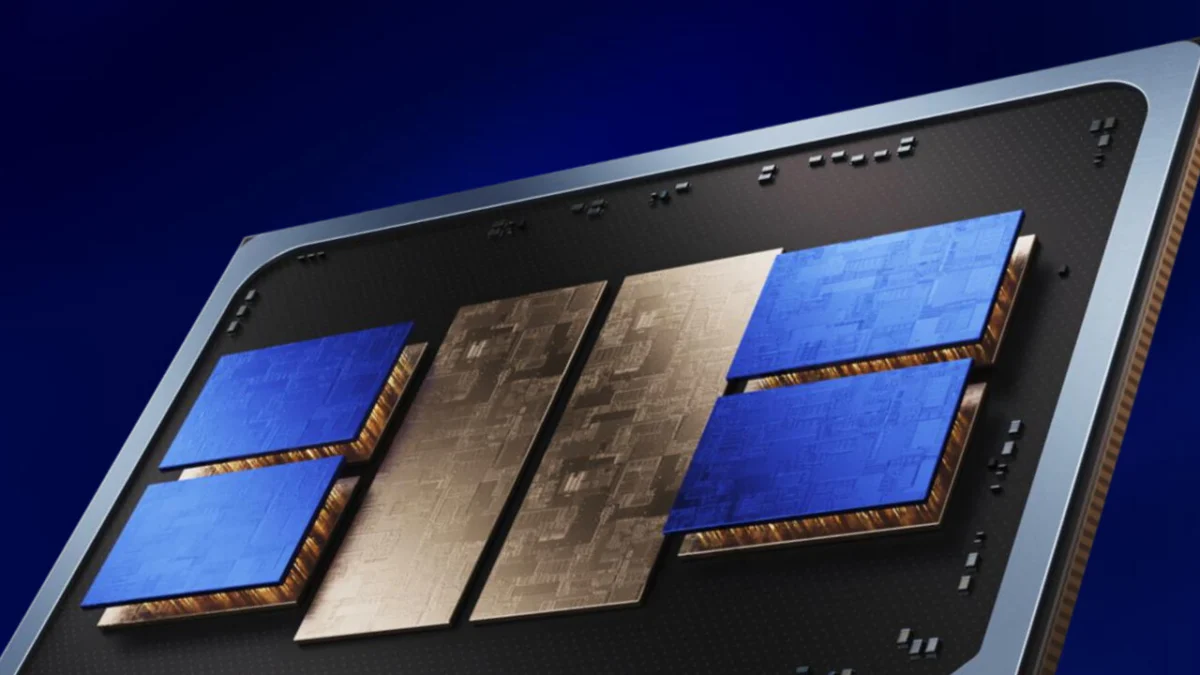
At the heart of these notebooks is the RTX Spark N1X. This is not merely a rebranding of existing mobile GPUs but a fundamental shift in how Nvidia handles AI-compute tasks in a portable form factor.
Performance Metrics
The N1X architecture is categorized into two distinct performance tiers. The "smaller" variant, featured in the base P16, is optimized for thermal efficiency and sustained productivity, boasting 18 cores and 5,120 shaders. This is designed for creators who prioritize stability and battery life. The "larger" N1X, found in the premium P16, is tuned for heavy-duty rendering, large-scale AI model training, and real-time ray tracing.
Memory Configurations
Memory has become a bottleneck for AI applications. Asus has standardized on LPDDR5X, which offers significant bandwidth improvements over standard DDR5. By offering configurations ranging from 24GB to 64GB, Asus is attempting to cater to different segments: the 24GB model for digital artists and content creators, and the 64GB model for developers and data scientists working with LLMs (Large Language Models) locally.
Official Responses and Strategic Positioning
Asus has remained consistent in its messaging: these are not "gaming" laptops, despite the hardware power. The ProArt series is squarely aimed at the "Creator" demographic.

The strategy appears to be a direct challenge to the MacBook Pro and specialized mobile workstations from Dell and HP. By partnering deeply with Nvidia, Asus is hoping to create an ecosystem where the hardware and software (specifically drivers and AI optimization suites) are inseparable.
Regarding the confusion on the P14’s GPU specifications, an Asus representative suggested that the hardware is highly modular within the Spark ecosystem, and the documentation errors on the website are being rectified. They emphasized that the P14 remains the most powerful 14-inch creative laptop currently on the market, regardless of the specific N1X configuration.
Implications: The Future of the Creative Workstation
The pricing strategy adopted by Asus carries significant implications for the notebook market.
1. The "Premium Tax" on AI Hardware
The starting price of €2,999 signals that AI-ready hardware carries a substantial "premium tax." Consumers are essentially paying for the integration of specialized AI cores that may not be fully utilized by standard productivity software yet. This creates a risk where users might pay for potential rather than immediate utility.
2. The Move Toward Mini-PCs
It is important to note that the notebook lineup is only half of the story. Asus has also confirmed the development of the ProArt GR1X, a mini-PC featuring the same RTX Spark technology. While details are scarce and pricing is non-existent, this suggests that the Spark architecture is versatile enough to scale from portable laptops to desktop environments.
3. Market Competition
With both MSI and Asus launching their first wave of Spark-powered devices simultaneously, we are witnessing the beginning of an "AI Arms Race" in the laptop segment. The absence of a 128GB RAM configuration from Asus in Germany might leave a gap in the market for users who require extreme memory capacities for local AI model fine-tuning, potentially giving competitors like MSI an edge in the enterprise workstation sector.
4. Sustainability and Longevity
One of the most critical questions remains the longevity of the Spark architecture. As Nvidia continues to push its own silicon, will third-party support for standard software remain as robust? The success of these machines depends heavily on Nvidia’s ability to ensure that the RTX Spark drivers are as reliable as the established GeForce and RTX mobile lines.
Final Thoughts
Asus has taken a bold step into the future with the ProArt P14 and P16. While the price points are undeniably high—reaching up to €4,299—they reflect the cutting-edge nature of the internal hardware. For professionals who are already integrated into the Nvidia workflow, these machines offer a glimpse into the next five years of professional computing.
Whether the market is ready to embrace these premium, AI-centric prices remains to be seen. However, as the ProArt GR1X mini-PC approaches its own launch, it is clear that Asus is committed to building a complete ecosystem around the RTX Spark. For now, the German market serves as a primary battleground for this high-stakes technological transition.