The towering peaks of the Alps, long perceived as the ultimate symbols of permanence and stability, are undergoing a radical transformation. From the iconic spires of the Mont Blanc massif to the jagged ridges of the Zugspitze and the Matterhorn, the "roof of Europe" is literally falling apart. As the Earth warms at an accelerated pace, particularly in high-altitude regions, the delicate geological equilibrium that has held these mountains together for millennia is fracturing. This year’s intense heatwaves have served as a grim catalyst, exposing the fragility of the alpine environment and raising urgent questions about safety, infrastructure, and the future of mountain living.
The Anatomy of a Collapse: Why the Mountains are Falling
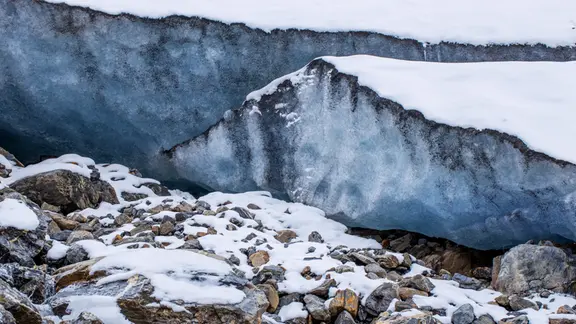
At the heart of this phenomenon is the degradation of permafrost. In high-mountain environments, permafrost—ground that remains at or below zero degrees Celsius for at least two consecutive years—acts as the geological "glue." It binds rock, debris, and ice into a solid, cohesive mass.
However, as global temperatures rise, this natural cement is melting. When permafrost thaws, the structural integrity of the mountainside is compromised. The rock, which appears solid from a distance, is often a complex network of fissures and joints held together by ice. Once the ice melts, these fissures become lubrication channels for water from rain or snowmelt, leading to the destabilization of massive rock walls.
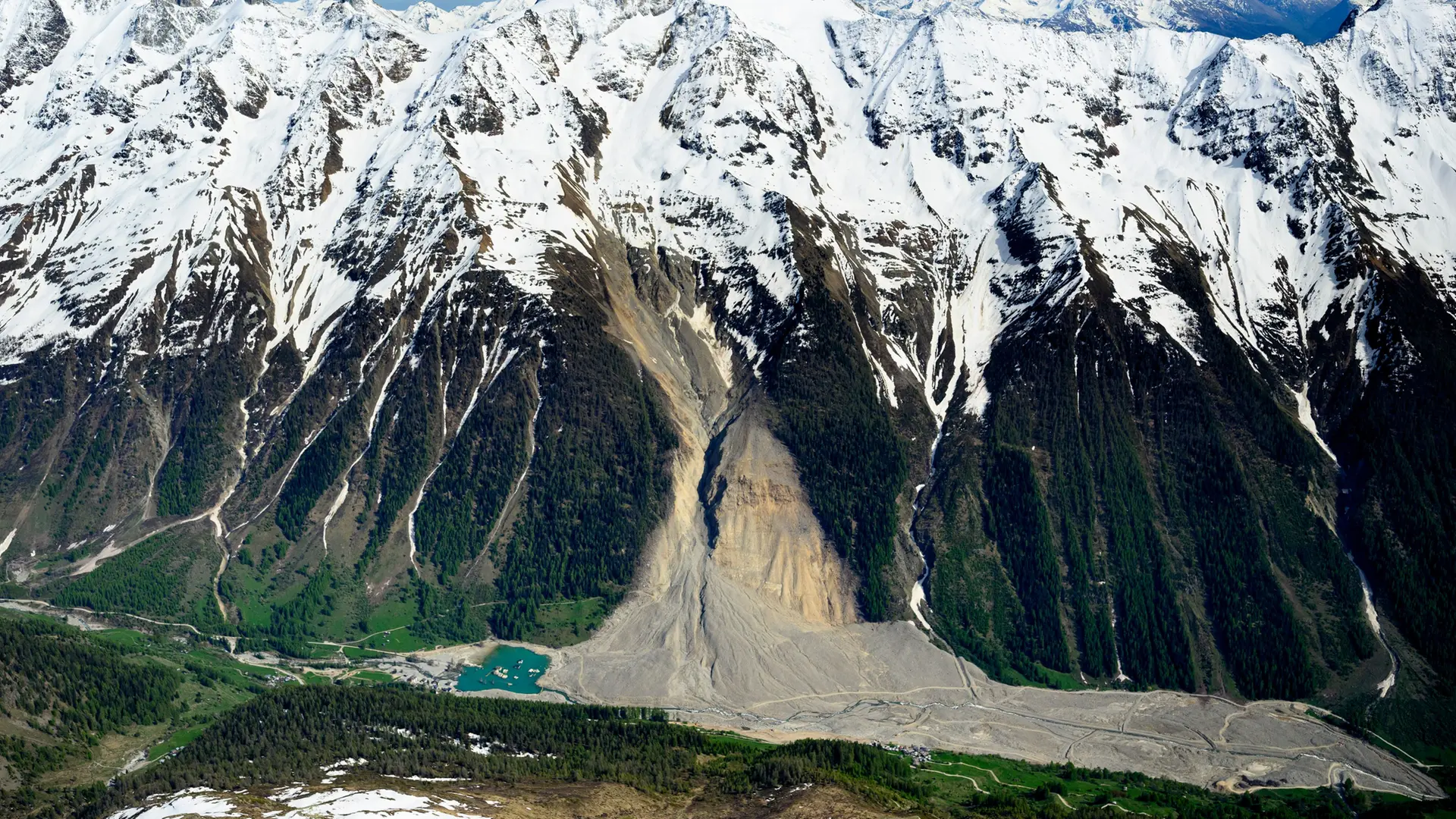
This process is exacerbated by the "darkening" of the mountains. Where once bright snow and glaciers reflected the sun’s energy, exposed, dark rock now absorbs it. This creates a feedback loop: the rock absorbs more heat, the permafrost melts deeper, and the mountain becomes increasingly unstable.
A Summer of Falling Rock: A Chronology of Events
The 2026 summer season has been characterized by an alarming frequency of rockfall and debris slides. The escalation in activity has forced local authorities and alpine clubs to take unprecedented measures to protect human life.
- The "Death Couloir" Crisis: In August 2026, the Grand Couloir on Mont Blanc, a legendary but notorious traverse at 3,340 meters, was officially closed by local authorities. The decision followed a series of dramatic rockfalls, one of which was captured on a climber’s helmet camera. The footage, which quickly circulated on social media, depicted a harrowing scene: a massive rockfall cascading down the gully, narrowly missing the climber amidst a deafening roar and clouds of dust.
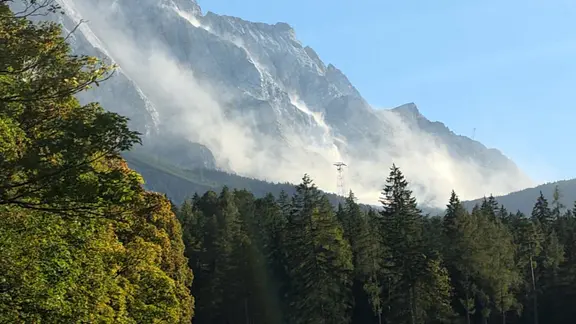
- The Zugspitze Incident: Germany’s highest peak, the Zugspitze, recently made headlines after a significant rockfall occurred at the border ridge. Several cubic meters of rock detached from the face, underscoring that even peaks traditionally considered "stable" are susceptible to the changing climate.
- Matterhorn Restrictions: In Switzerland, professional mountain guides have increasingly advised against attempting the classic routes up the Matterhorn. The combination of high temperatures and the resulting rockfall risk has made the ascent—already a technical challenge—perilously unpredictable.
- Global Parallels: The instability is not confined to the Alps. Reports from the Himalayas and other major mountain ranges confirm a global trend of increased glacial retreat and slope failure, signaling a worldwide crisis in high-mountain safety.
The Data Behind the Destruction
The scale of the transformation is backed by troubling statistical evidence. Research from the University of Zurich and other leading alpine institutions suggests a dramatic shift in the frequency of large-scale events.
During the 20th century, major rockfall events in the Alps occurred with a frequency of approximately one every three to five years. In the 21st century, that rate has accelerated to two to three events annually. Even more concerning is the frequency of "mega-falls"—events involving millions of cubic meters of rock. Historically rare, occurring roughly every decade, these massive collapses are now observed every two years.
Furthermore, these events are occurring at elevations and in locations previously thought immune to such instability. Christian Huggel, a leading researcher at the University of Zurich, notes that the warming in the Alps is currently tracking at three degrees Celsius above pre-industrial levels—more than double the global average. This rapid warming ensures that the mountain faces are not just eroding; they are being actively reshaped.
Implications: The End of the "Eternal" Mountain
The realization that the mountains are changing has profound implications for those who live, work, and recreate in the high alpine.
The Limits of Engineering
Geomorphologists like Oliver Sass of the University of Bayreuth warn that there are limits to human intervention. While technical measures like steel netting or rock-fall barriers can mitigate risks for smaller debris and protect specific infrastructure like roads or cable car stations, they are largely ineffective against the massive geological shifts occurring on the scale of entire mountainsides. "In the grand scheme of things, there is very little one can do," says Sass.
Infrastructure and Human Settlement
The risk extends beyond mountaineering. Critical infrastructure, including mountain railways, energy installations, and alpine huts, is increasingly at risk. If protection measures prove too costly or ineffective, planners may soon face the painful necessity of relocating entire settlements or abandoning critical infrastructure altogether. The Swiss experience, while challenging, provides a blueprint for managed retreat, where the goal is to find new, safer perspectives for communities living in the shadow of changing peaks.
Mountaineering in a New Era
For the mountaineering community, the "golden age" of climbing classic routes is being curtailed by safety concerns. The culture of the mountains is shifting from one of conquest to one of caution. Experienced climbers and guides are increasingly relying on remote sensing technologies—including laser scanning, GPS, and thermal cameras—to monitor mountain faces for signs of movement.
The rule for the modern alpinist is clear: respect the closures. Ignoring warnings in high-risk zones is no longer just a matter of poor judgement; it is an act of extreme, life-threatening risk. As Andrea Fischer of the Austrian Academy of Sciences notes, the Alps have a long history of dealing with natural hazards like avalanches, but the shift toward summer-time rockfall requires a new set of adaptive strategies.
Looking Forward: A New Equilibrium?
Is this the end of the Alps? Experts are quick to clarify that the mountains are not disappearing. They are, however, entering a phase of intense, climate-driven erosion. "The mountains are not going to fall over," reassures Fischer. "They are simply shedding the layers that no longer have the stability provided by permafrost."
The long-term prognosis suggests that eventually, once the loose material has fallen and the mountains have reached a new state of geological equilibrium, the rate of rockfall may decrease. However, no one can predict how long this transition period will last or what the final "shape" of the landscape will be.
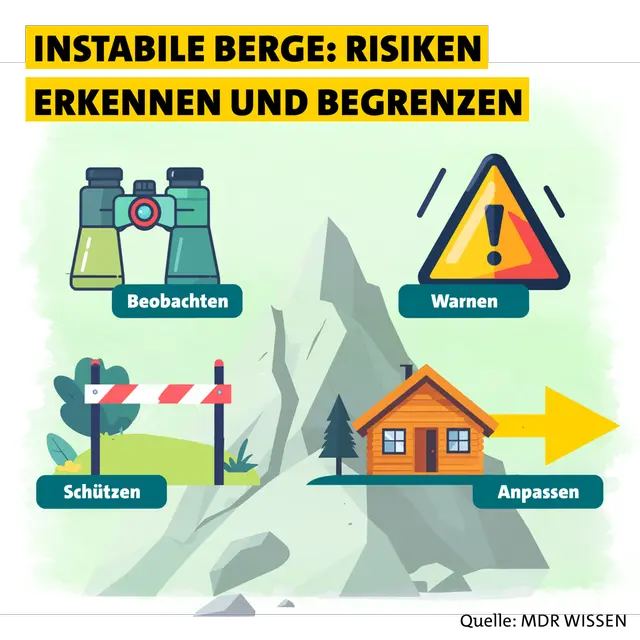
Until that stability is reached, the challenge for society is to adapt. This involves a four-pronged approach:
- Observation: Utilizing advanced technology to monitor slope stability in real-time.
- Warning: Establishing robust early-warning systems for communities and tourists.
- Protection: Investing in infrastructure that can withstand the new reality, while acknowledging the limitations of engineering.
- Adaptation: Re-evaluating land use and recreational practices in light of increased danger.
The crumbling of the mountains is a stark, visual reminder of the climate crisis. It is a warning that our environment is not static. Living in the shadow of the peaks now requires a deeper understanding of the earth beneath our feet and a humble acceptance that we must move in rhythm with a changing landscape. The mountains will endure, but they will look different—and our relationship with them must evolve if we are to safely navigate the uncertain future of the high alpine.