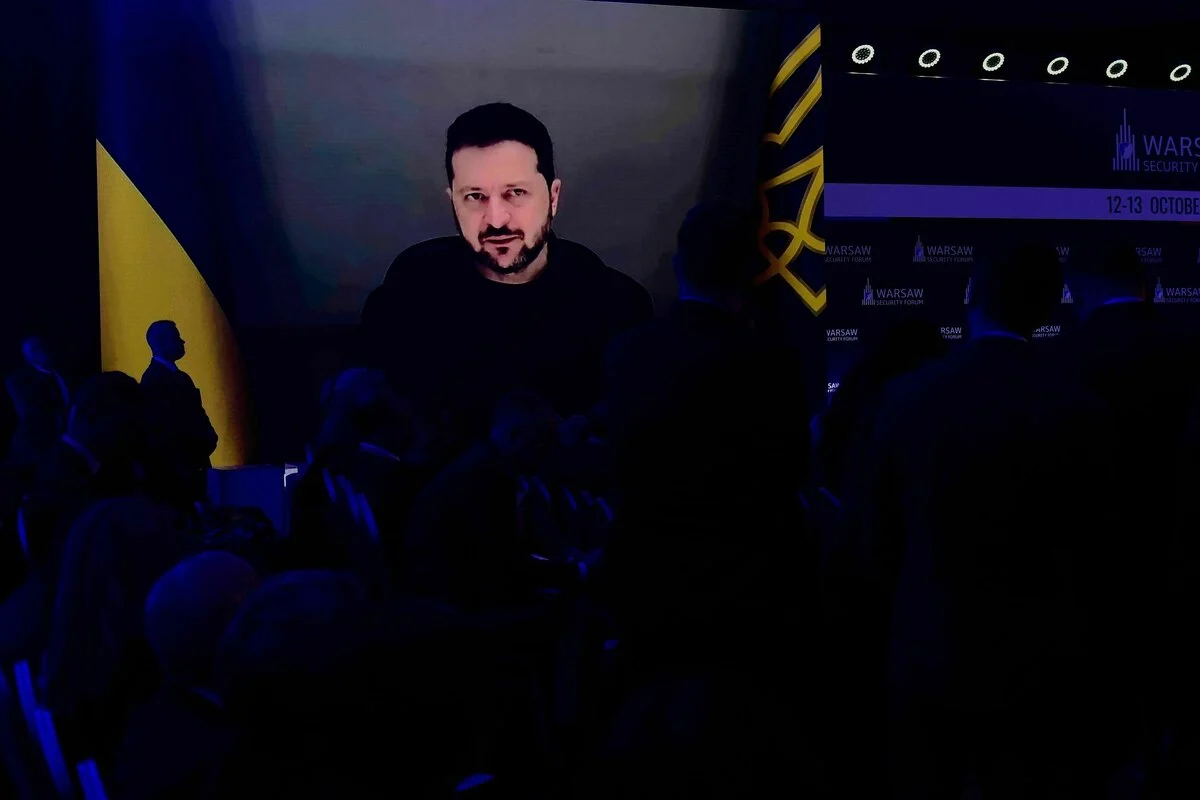
Taipei, Taiwan – In a powerful address delivered on Taiwan’s National Day, President Lai Ching-te issued an impassioned plea to democratic nations across the Indo-Pacific, urging them to adopt a firm and unified stance against the incessant threats emanating from Beijing. Speaking from the presidential office in Taipei, President Lai underscored the existential challenges facing his nation, asserting that the very right of Taiwan’s people to exist must be unequivocally respected by the international community.
"The right of the people of Taiwan to exist must be respected," Lai declared, his words resonating with the gravity of the geopolitical tensions that constantly shadow the self-governed island. He emphasized that the global community’s response to China’s assertive posture goes beyond Taiwan’s immediate survival; it tests the fundamental belief that violence should never be allowed to supersede established international rules and norms.
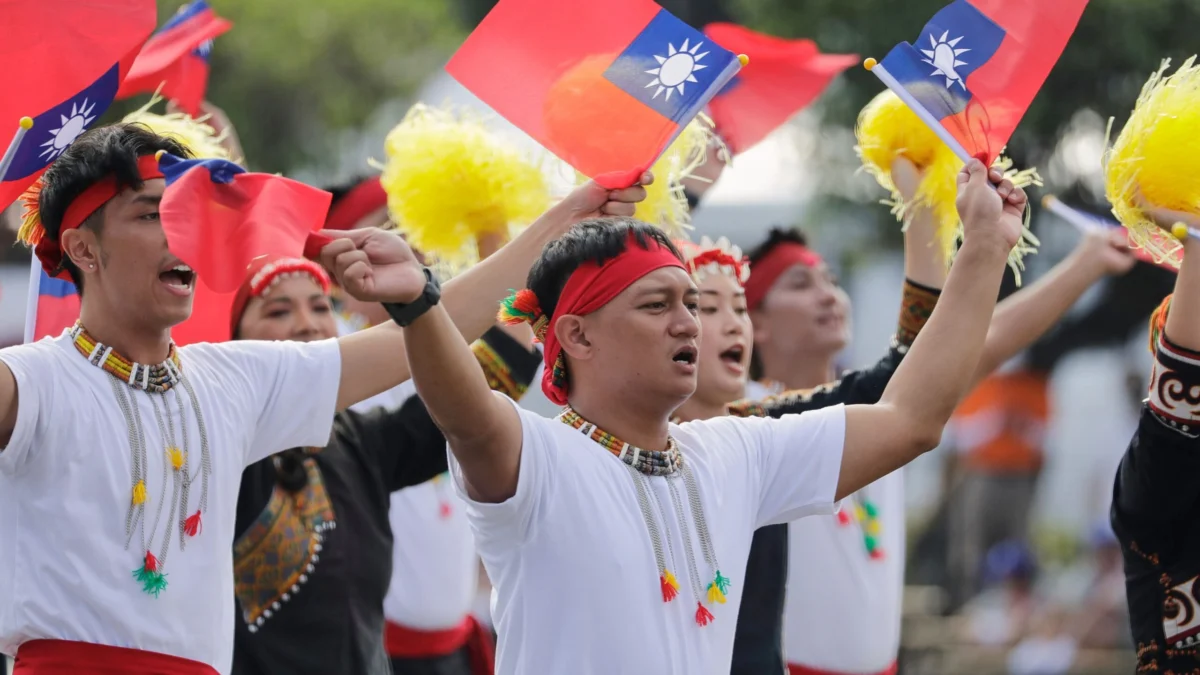
Lai’s speech, delivered amidst vibrant National Day celebrations featuring cultural performances and military parades, served as a stark reminder of the democratic island’s precarious position on the front lines of a simmering regional power struggle. While reaffirming Taiwan’s commitment to peace and its openness to dialogue, he drew a clear line, stating, "Taiwan cherishes peace, but we will not surrender our freedom." He added that his country is willing to engage in exchanges but will not accept subordination, directly addressing Beijing’s long-standing demand for Taiwan to accept its "One China" principle, which posits Taiwan as an inseparable part of the People’s Republic of China.
The Taiwanese President’s call for solidarity comes at a time of heightened military pressure from Beijing, which views Taiwan as a renegade province destined for "reunification" with the mainland, by force if necessary. China regularly dispatches military aircraft and naval vessels into areas around Taiwan, employing what are often termed "grey zone" tactics to test Taiwan’s defenses and assert its territorial claims without initiating open conflict. Recent patrols by the Chinese coast guard east of Taiwan have particularly alarmed observers, signaling an expansion of Beijing’s intimidation tactics into previously less-contested waters.
The Looming Shadow of Beijing: Main Facts and Context
Taiwan, officially the Republic of China (ROC), has been self-governed since 1949 when Chiang Kai-shek’s Nationalist forces fled to the island after losing the Chinese civil war to Mao Zedong’s Communists. Beijing considers Taiwan an inalienable part of its territory under its "One China" principle and has consistently vowed to achieve "national reunification," explicitly reserving the right to use force. This stance has cast a long shadow over the island’s vibrant democracy and its 23 million inhabitants.
President Lai Ching-te, a member of the Democratic Progressive Party (DPP), which traditionally advocates for Taiwan’s sovereignty, has consistently maintained that Taiwan is already an independent nation and has no need to declare formal independence. His administration, like that of his predecessor Tsai Ing-wen, seeks to uphold the democratic way of life and foster closer ties with like-minded democracies, a policy that Beijing interprets as a dangerous move towards permanent separation.
The strategic importance of Taiwan cannot be overstated. Located at the nexus of vital shipping lanes in the Western Pacific, its geographical position is critical for global trade. Moreover, Taiwan is a global powerhouse in advanced semiconductor manufacturing, producing over 90% of the world’s most advanced chips. Any disruption to Taiwan’s stability would send catastrophic ripples through the global economy, impacting everything from consumer electronics to advanced military systems.
Lai’s speech on National Day – a celebration marking the Wuchang Uprising of 1911 that led to the collapse of China’s last imperial dynasty and the founding of the Republic of China – is a powerful symbolic act. It underscores Taiwan’s distinct identity and its democratic values in direct defiance of Beijing’s claims. By leveraging this significant national occasion, Lai aimed to rally both domestic support and international attention to Taiwan’s plight.

A History of Tensions: A Chronology of Cross-Strait Relations
The modern history of cross-strait relations is a complex tapestry woven with threads of civil war, Cold War geopolitics, economic interdependence, and democratic evolution.
Early 20th Century:
- 1895-1945: Taiwan is a Japanese colony following the First Sino-Japanese War.
- 1945: Japan cedes Taiwan to the Republic of China after its defeat in World War II.
- 1949: The Chinese Civil War ends with the Communist Party of China establishing the People’s Republic of China (PRC) on the mainland. The defeated Kuomintang (KMT) forces, led by Chiang Kai-shek, retreat to Taiwan, establishing the temporary capital of the Republic of China (ROC) in Taipei. Both sides claim to be the legitimate government of all China.
Cold War Era & International Recognition Shifts:
- 1950s-1970s: The ROC in Taiwan holds China’s seat at the United Nations and is recognized by most Western nations, backed by the United States.
- 1971: The PRC replaces the ROC at the United Nations, a major diplomatic victory for Beijing.
- 1979: The United States officially recognizes the PRC and severs diplomatic ties with the ROC in Taiwan. However, the U.S. passes the Taiwan Relations Act, committing to provide Taiwan with the means to defend itself, initiating a policy of "strategic ambiguity."
Taiwan’s Democratization and Rising Tensions:
- 1987: Martial law is lifted in Taiwan, paving the way for full democratization.
- 1995-1996: China conducts a series of missile tests and military exercises in the Taiwan Strait in response to a visit by then-ROC President Lee Teng-hui to the U.S. This "Third Taiwan Strait Crisis" brings the two sides to the brink of conflict and prompts the U.S. to deploy aircraft carriers to the region.
- 2000: Chen Shui-bian of the Democratic Progressive Party (DPP), a party generally seen as pro-independence, wins the presidential election, ending over 50 years of KMT rule. This further strains cross-strait relations.
- 2008-2016: Under KMT President Ma Ying-jeou, cross-strait relations warm significantly, with increased economic ties, direct flights, and high-level meetings.
- 2016: Tsai Ing-wen of the DPP wins the presidency, signaling a shift back towards a more cautious approach to relations with Beijing. Her refusal to endorse the "1992 Consensus" (an understanding that there is "one China" but with differing interpretations) leads to increased pressure from Beijing.
Escalation in Recent Years:
- 2019: Chinese President Xi Jinping delivers a speech advocating for "peaceful reunification" under a "one country, two systems" framework, explicitly stating that force would not be renounced.
- 2020-Present: China significantly ramps up military activities around Taiwan, including frequent incursions into Taiwan’s Air Defense Identification Zone (ADIZ), naval exercises, and simulated attacks.
- August 2022: Following a visit by then-U.S. House Speaker Nancy Pelosi to Taiwan, China launches unprecedented large-scale military exercises, effectively blockading the island and firing missiles over it, some landing in Japan’s exclusive economic zone. This marked a severe escalation.
- 2023-Present: "Grey zone" tactics intensify, with Chinese coast guard vessels frequently patrolling close to Taiwan’s outlying islands and eastern waters, often in coordination with fishing fleets and maritime militia. These activities aim to exhaust Taiwan’s resources and normalize Beijing’s presence in areas previously considered international.
- January 2024: Lai Ching-te is elected President, further solidifying the DPP’s hold on power and indicating a continuation of Taiwan’s current trajectory, much to Beijing’s displeasure. His recent National Day speech is a direct continuation of his administration’s firm but peaceful stance.
Supporting Data: Taiwan’s Resilience and Global Significance
Taiwan’s appeal for international support is rooted in its democratic principles, its critical economic role, and its strategic importance.
Military Preparedness:
While significantly outnumbered by China’s People’s Liberation Army (PLA) in terms of personnel, ships, and aircraft, Taiwan has invested heavily in asymmetric warfare capabilities, often referred to as a "porcupine strategy." This involves developing a large arsenal of mobile, precision-guided missiles, anti-ship missiles, anti-air defenses, and other deterrents designed to inflict maximum damage on an invading force, making any invasion prohibitively costly for Beijing.
The United States, through the Taiwan Relations Act, continues to provide Taiwan with defensive weapons and services. Recent arms sales have focused on improving Taiwan’s ability to withstand a full-scale invasion, including F-16 fighter jets, Harpoon anti-ship missiles, and M1A2T Abrams tanks. Other nations, such as France and Germany, have also engaged in limited defense-related sales or cooperation.
Economic Linchpin:
Taiwan is not just a major player but a dominant force in the global semiconductor industry. Taiwan Semiconductor Manufacturing Company (TSMC), the world’s largest contract chipmaker, produces the most advanced chips essential for virtually all modern technologies – from smartphones and AI data centers to automotive systems and advanced weaponry. A conflict in the Taiwan Strait would instantaneously cripple global technology supply chains, triggering an economic recession far more severe than any recent crisis. The world’s reliance on Taiwan’s chip manufacturing capabilities gives the island immense leverage and makes its security a paramount concern for major economies worldwide. Beyond semiconductors, Taiwan is a significant producer of other high-tech components, further embedding it into the intricate web of global commerce.

International Support and Alliances:
Despite lacking formal diplomatic relations with most countries (due to Beijing’s "One China" policy), Taiwan enjoys robust informal ties and growing international recognition for its democratic achievements.
- United States: While maintaining "strategic ambiguity," the U.S. has repeatedly reaffirmed its commitment to Taiwan’s self-defense and peace in the Taiwan Strait. Senior U.S. officials and congressional delegations frequently visit Taiwan, much to China’s chagrin. The U.S. has also increased its naval presence and joint exercises with allies in the Indo-Pacific, implicitly signaling deterrence.
- Japan: Deeply concerned by Taiwan’s proximity and the potential disruption to vital shipping lanes, Japan views Taiwan’s security as intrinsically linked to its own. Tokyo has increasingly vocalized its support for peace and stability in the Taiwan Strait and has ramped up its own defense spending and regional security cooperation.
- European Union: While primarily focused on economic ties, the EU has expressed growing concern over the situation, emphasizing the importance of upholding international law and democratic values. Several European nations have sent parliamentary delegations to Taiwan, signaling a gradual shift in their engagement.
- Australia & Other Allies: Australia, Canada, and the UK have also voiced support for Taiwan’s democratic integrity and conducted naval operations in the Indo-Pacific, contributing to regional stability. G7 nations and other multilateral forums frequently issue statements underscoring the importance of peaceful resolution of cross-strait issues.
Public Opinion in Taiwan:
Crucially, public opinion within Taiwan overwhelmingly favors maintaining the island’s de facto independence and democratic way of life. Polls consistently show that a vast majority of Taiwanese citizens reject unification under Beijing’s "one country, two systems" framework, especially after observing its implementation in Hong Kong. While outright formal independence declarations are supported by a smaller, but significant, plurality, the consensus is firmly against Beijing’s coercive reunification agenda. This strong internal resolve forms a critical pillar of Taiwan’s resistance.
Official Responses: A Diplomatic Battleground
The cross-strait issue is a central point of contention in international diplomacy, eliciting varied and often carefully calibrated responses from global powers.
China’s Unwavering Stance:
Beijing’s official position remains consistent and uncompromising: Taiwan is an inalienable part of China, and its "reunification" with the mainland is a historical imperative. The Communist Party of China (CPC) views the issue as a matter of national sovereignty and territorial integrity, a legacy of China’s "century of humiliation."

- "One China" Principle: China demands that all countries recognize its "One China" principle, which asserts that there is only one China and Taiwan is part of it, and that the PRC is the sole legitimate government of China. This principle underpins Beijing’s diplomatic strategy to isolate Taiwan.
- Peaceful Reunification, but Force Not Excluded: While stating a preference for "peaceful reunification," Chinese officials, including President Xi Jinping, have repeatedly stressed that Beijing will not renounce the use of force to achieve its objectives, particularly if Taiwan were to declare formal independence or if external interference were to occur.
- Military Deterrence: The PLA’s continuous military drills, air incursions, and naval patrols around Taiwan are explicitly designed to intimidate the island and demonstrate Beijing’s capacity and resolve to act. These actions are often framed domestically as necessary responses to "separatist forces" and "external meddling."
- Economic Coercion: China has also employed economic pressure, including trade restrictions and boycotts, against Taiwan and countries that deepen their engagement with Taipei.
The United States’ Deliberate Ambiguity:
The U.S. policy towards Taiwan is characterized by "strategic ambiguity," a deliberate stance that aims to deter both a Chinese invasion and a Taiwanese declaration of independence.
- Taiwan Relations Act (TRA): The TRA commits the U.S. to provide Taiwan with defensive weapons and to consider any effort to determine Taiwan’s future by non-peaceful means a threat to the peace and security of the Western Pacific and of grave concern to the United States.
- Evolving Rhetoric: While official policy remains ambiguous, President Joe Biden has, on several occasions, stated that the U.S. would defend Taiwan in the event of a Chinese invasion, though these remarks have often been walked back by White House officials. This has led to debate about whether "strategic ambiguity" is gradually giving way to "strategic clarity."
- Deterrence and Diplomacy: The U.S. balances its security commitments with diplomatic efforts to manage tensions, urging both sides to maintain the status quo and resolve differences peacefully. It also seeks to strengthen alliances in the Indo-Pacific to counter China’s growing influence.
International Community’s Growing Concern:
An increasing number of nations, while adhering to their "One China" policies, are expressing heightened concern over Beijing’s actions and the potential for conflict.
- Japan and South Korea: These close U.S. allies in East Asia are particularly vulnerable to the consequences of a Taiwan conflict, given their geographical proximity and reliance on shipping lanes through the Taiwan Strait. They have consistently called for peace and stability in the region.
- European Nations: Traditionally more focused on trade, European countries are becoming more vocal about human rights, democracy, and the rule of law in relation to Taiwan. Parliamentary visits and statements from the G7 and EU highlight a growing willingness to engage with Taiwan and push back against unilateral changes to the status quo.
- ASEAN and Indo-Pacific Partners: Nations in Southeast Asia and the broader Indo-Pacific are navigating a delicate balance. While wary of provoking China, many are also concerned about Beijing’s increasingly assertive behavior in the South China Sea and its implications for regional sovereignty and stability. They generally advocate for peaceful resolution and adherence to international law.
Implications: A Global Ripple Effect
The implications of the escalating tensions in the Taiwan Strait extend far beyond the immediate region, posing significant challenges to global security, economic stability, and the international rules-based order.
Regional Stability and Security Architecture:
A conflict over Taiwan would fundamentally reshape the security landscape of the Indo-Pacific. It would likely involve major global powers, drawing in the U.S. and its allies, potentially leading to a wider regional conflagration. The Taiwan Strait is a critical artery for international shipping, and any military action there would disrupt trade routes, affecting countries far and wide. It could also embolden other revisionist powers and create a dangerous precedent for resolving territorial disputes through force. The existing security alliances in the region, such as those involving the U.S., Japan, South Korea, and Australia, would be severely tested, and their collective deterrence capabilities would be under intense scrutiny.

Catastrophic Economic Impact:
As highlighted, Taiwan’s central role in the global semiconductor supply chain means that any military action would trigger an unprecedented economic crisis. Factories worldwide would grind to a halt without essential chips, leading to widespread job losses, inflation, and a severe global recession. Beyond semiconductors, the disruption of shipping through the Taiwan Strait, one of the world’s busiest maritime passages, would paralyze global trade, causing massive supply chain shocks and driving up costs for consumers and businesses alike. The economic interdependence between China and Taiwan, and between China and the rest of the world, means that a conflict would have profound and unpredictable economic consequences for all parties involved, including Beijing itself.
Erosion of International Law and Norms:
China’s potential use of force to unilaterally alter the status quo in Taiwan would represent a grave challenge to the principles of national sovereignty, territorial integrity, and the peaceful resolution of disputes, which form the bedrock of the modern international order. It would signal that military might can override international law and democratic self-determination, potentially empowering other nations to pursue their territorial claims through aggressive means. President Lai’s emphasis on violence not overriding rules directly speaks to this critical concern, as the international community’s response would set a precedent for how such challenges are addressed in the future.
Humanitarian Crisis:
A full-scale invasion of Taiwan would undoubtedly result in a massive humanitarian catastrophe. The civilian population of 23 million would be at immense risk, leading to widespread casualties and a potential refugee crisis of unprecedented scale. The destruction of infrastructure, disruption of essential services, and psychological trauma would have long-lasting effects on the Taiwanese people. The global community would face immense pressure to provide humanitarian aid and address the displacement of millions.
Future Scenarios and Diplomatic Pathways:
The path forward for Taiwan and the Indo-Pacific remains fraught with uncertainty.

- Continued Deterrence: Many analysts believe that maintaining a strong military deterrence, coupled with robust international support for Taiwan, is the most effective way to prevent an invasion. This involves continued arms sales to Taiwan, joint military exercises by allied nations, and clear diplomatic messaging.
- Dialogue and De-escalation: While Beijing has largely shunned official dialogue with the current DPP administration, avenues for indirect communication and de-escalation remain crucial. International mediation or confidence-building measures could potentially create space for dialogue.
- Economic Engagement: The intricate economic ties between Taiwan, China, and the world also offer a potential pathway for stability. Emphasizing the mutual economic destruction that would result from conflict could serve as a powerful deterrent.
- Maintaining the Status Quo: For many, the goal remains to maintain the current status quo of de facto independence for Taiwan, allowing its democracy to thrive while avoiding any actions that could be perceived as a direct provocation by Beijing.
President Lai Ching-te’s National Day address serves as a clarion call, urging the world to recognize the critical juncture at which Taiwan stands. His demand for a clear and unified stance from democracies reflects the growing urgency of the situation, emphasizing that the future of Taiwan is not just a regional issue but a test of global commitment to peace, freedom, and the rule of law. The world watches, holding its breath, as the delicate balance in the Indo-Pacific continues to evolve under the shadow of China’s formidable ambitions.