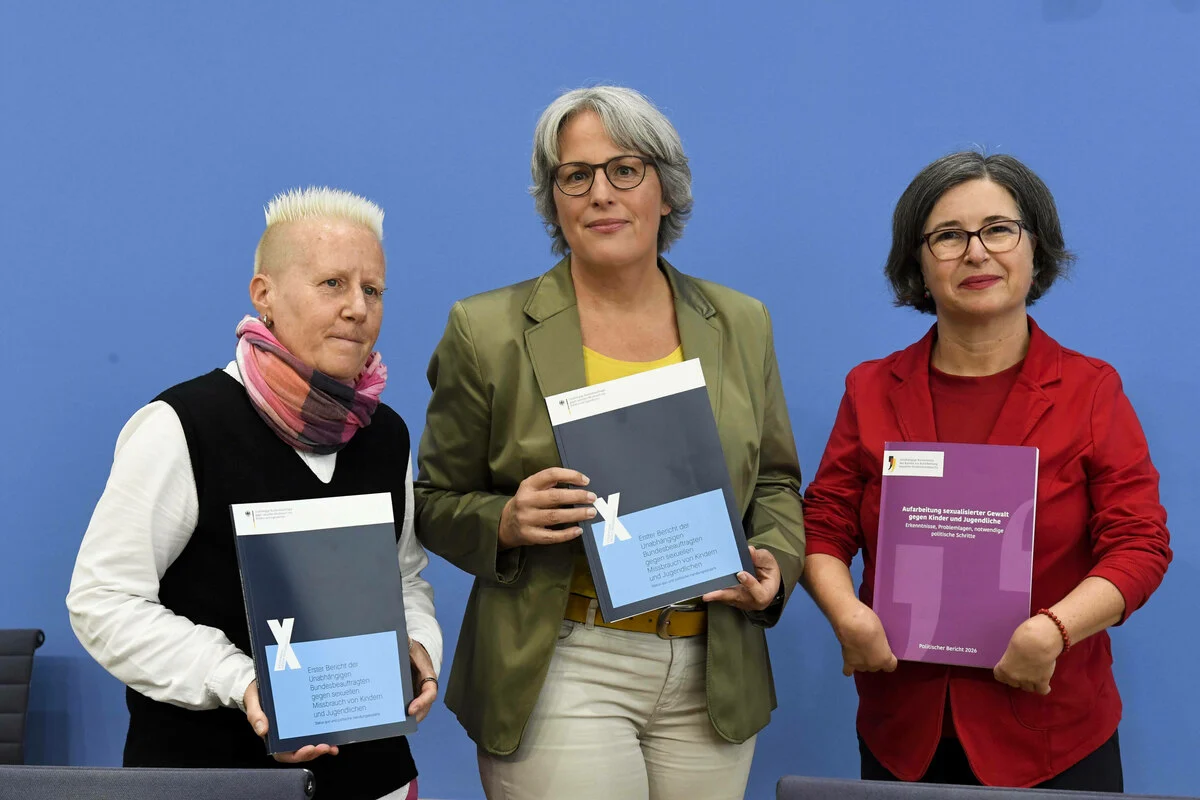
Berlin, Germany – A groundbreaking report released by an expert panel established by Germany’s Federal Anti-Discrimination Agency (ADS) has cast a stark spotlight on a silent crisis affecting millions of women across the nation: the severe lack of support and pervasive discrimination faced by those experiencing menopause. With approximately eleven million women in Germany currently navigating this natural biological transition, the panel’s comprehensive policy paper calls for urgent, systemic changes in healthcare, the workplace, and legal protections. The report challenges deep-seated taboos and demands a national strategy to acknowledge, understand, and support a life phase that profoundly impacts nearly half the population.
The findings underscore a widespread failure to address menopausal symptoms adequately, leading to significant personal hardship, professional setbacks, and societal costs. The expert body advocates for a multi-faceted approach, emphasizing improved medical care, practical workplace accommodations, and robust legal safeguards against discrimination. Federal Anti-Discrimination Commissioner Ferda Ataman, a prominent voice in this discourse, argues forcefully that menopause is not an individual burden to be silently endured but a societal issue requiring collective responsibility and systemic solutions.
Main Facts: A Silent Crisis Affecting Millions
The core message from the expert panel, "Menopause and Discrimination," is unequivocal: Germany is failing its eleven million women in menopause. This vast demographic, comprising a significant portion of the adult female population, often finds itself navigating a critical life stage with insufficient medical guidance and a distinct lack of understanding from employers and society at large. The policy paper, a detailed blueprint for reform, highlights the urgent need to overhaul existing structures.
The panel’s primary demands are clustered around three critical pillars:
- Enhanced Medical Care: A call for better diagnostic tools, specialized treatment pathways, and increased medical expertise.
- Workplace Support: Recommendations for practical adjustments and cultural shifts to ensure women can continue to thrive professionally.
- Protection Against Discrimination: A push for legal frameworks that explicitly shield women from disadvantage based on their menopausal status.
At the heart of the report lies the recognition that the current societal approach, characterized by silence and stigmatization, is detrimental not only to individual women but also to the broader economy and the principles of gender equality. The panel insists that breaking this ingrained taboo is the first crucial step towards creating a more inclusive and supportive environment. This report marks a pivotal moment, transitioning menopause from a whispered personal struggle to a recognized public health and equality imperative in Germany.
A Historical Oversight: The Chronology of Neglect
The current state of inadequate support for menopausal women in Germany is not an overnight phenomenon but the culmination of decades, if not centuries, of societal and medical oversight. Historically, women’s health, particularly aspects tied to reproductive cycles and aging, has often been marginalized, treated as a niche concern or relegated to the private sphere. Menopause, in particular, has been shrouded in a veil of secrecy and often associated with decline, rather than being recognized as a natural, albeit sometimes challenging, life transition.
From Private Struggle to Public Discourse: For generations, menopause was largely a private struggle, endured in silence by women who often felt isolated and misunderstood. Conversations about hot flashes, mood swings, or cognitive changes were rare, even among close friends or family, due to a pervasive cultural taboo. This silence bred a lack of public awareness and, consequently, a dearth of research and medical specialization. Medical textbooks historically provided scant attention to the complexities of menopause, reflecting a broader male-centric bias in healthcare research and education.
The Dawn of Advocacy: In recent decades, spurred by feminist movements and increasing awareness about gender-specific health issues, individual voices and small advocacy groups began to emerge, pushing for greater recognition of menopausal experiences. These grassroots efforts slowly chipped away at the stigma, bringing the topic into more open discussion in certain media outlets and within women’s health communities. However, these efforts often remained fragmented, lacking the institutional backing required for systemic change.
The Federal Anti-Discrimination Agency’s Intervention: The establishment of the "Menopause and Discrimination" expert panel by the Federal Anti-Discrimination Agency (ADS) represents a significant inflection point. It signals an official recognition at the highest federal level that menopause is not merely a medical condition, but a profound social and equality issue. The ADS, mandated to protect individuals from discrimination on various grounds, including gender, has now formally extended its purview to encompass the unique challenges faced by menopausal women. This move elevates the conversation from individual anecdote to a matter of fundamental rights and systemic injustice.
The Policy Paper as a Milestone: The recent release of the panel’s "Handlungspapier" (policy paper) is a landmark event. It consolidates years of advocacy and expert insights into a comprehensive, actionable roadmap. This document moves beyond simply highlighting problems; it proposes concrete solutions across multiple sectors, demanding accountability from healthcare providers, employers, educators, and policymakers. It represents a shift from acknowledging the problem to actively strategizing for its resolution.
Looking Ahead: The Vision of a National Strategy: The ultimate demand for a national menopause strategy underscores a profound shift in thinking. It signifies a move from reactive problem-solving to proactive, integrated policy-making that spans health, work, education, and legal protection. This comprehensive vision aims to institutionalize support for menopausal women, ensuring that their needs are met not as an afterthought, but as an integral part of Germany’s social and healthcare fabric. This chronology demonstrates a slow but decisive progression from historical neglect to a concerted national effort to address a long-overlooked aspect of women’s lives.
Unpacking the Data: The Profound Impact of Menopause
The expert panel’s report is not merely based on anecdotal evidence but is firmly rooted in compelling data that illustrates the pervasive and often debilitating impact of menopause on millions of women in Germany. These statistics underscore the urgency of the panel’s recommendations and the broad societal implications of continued inaction.
Prevalence of Symptoms and Their Toll: Journalist and author Miriam Stein, who co-led the interdisciplinary expert panel, emphasized the widespread nature of menopausal symptoms, stating, "From new surveys, we know that about 85 percent of women experience symptoms." This figure is critical as it dispels the myth that menopause is a benign transition for most. For the vast majority, it involves a range of physiological and psychological changes that can significantly disrupt daily life.
These symptoms extend far beyond the commonly recognized hot flashes and night sweats. They frequently include:
- Sleep Disturbances: Chronic insomnia or fragmented sleep, leading to persistent fatigue.
- Cognitive Impairment: Often referred to as "brain fog," encompassing difficulties with concentration, memory lapses, and reduced mental clarity.
- Mood Changes: Increased irritability, anxiety, depression, and heightened emotional sensitivity.
- Physical Discomfort: Joint pain, headaches, vaginal dryness, and changes in skin and hair quality.
- Exhaustion: Profound and persistent fatigue that impacts energy levels and motivation.
The cumulative effect of these symptoms can be devastating, impacting women’s physical and mental well-being, their relationships, and their ability to function effectively in their professional roles.
Age and Remaining Career: Statistically, women in Germany typically enter menopause between the ages of 51 and 52. Crucially, the expert panel highlights that, on average, these women still have at least 15 years of their working lives ahead of them. This demographic reality presents a significant economic imperative. These are often experienced professionals, leaders, and mentors whose contributions are invaluable to the workforce. To allow their careers to be derailed by unmanaged menopausal symptoms is not only an injustice to individual women but also a substantial loss of talent, expertise, and productivity for the German economy.
Workplace Burden: A DAK Health Study Revelation: The impact of menopause on professional life is particularly stark, as evidenced by a DAK health insurance analysis that forms a key basis for the panel’s recommendations. The study reveals that "one in three affected women reports significant professional burdens." This translates into tangible negative consequences for both employees and employers:
- Reduced Work Capacity: Women may struggle to maintain their usual level of performance due to fatigue, brain fog, or frequent hot flashes.
- Increased Absenteeism: Menopause-related symptoms often lead to more sick days, either for symptom management or for seeking medical advice that is hard to find.
- Premature Exit from the Workforce: In severe cases, women may feel compelled to reduce their working hours, switch to less demanding roles, or even leave the workforce entirely, leading to a significant drain of experienced female talent.
The economic ramifications of this include lost productivity, higher healthcare costs associated with untreated symptoms, and the cost of replacing experienced staff. Ferda Ataman rightly points out the paradox: "Our society is reliant on high-achieving women in menopause." Yet, the current system fails to provide them with the necessary support to continue contributing effectively. The data collectively paints a picture of a widespread, under-addressed challenge that demands urgent and comprehensive societal intervention.
Official Voices and Concrete Demands
The expert panel’s report is amplified by the powerful voices of key figures who have long championed women’s health and anti-discrimination efforts. Their insights underscore the urgency and multi-faceted nature of the problem, translating data into actionable demands for systemic change.
Ferda Ataman: Championing Openness and Systemic Change
Federal Anti-Discrimination Commissioner Ferda Ataman is at the forefront of this advocacy, delivering a clear and uncompromising message. Her central demand is for a societal shift away from the prevailing silence: "Menopause must finally come out of the taboo zone. It is not an individual problem that every woman has to cope with alone." This statement reframes menopause from a private, often shameful, experience into a public health and equality issue that requires collective responsibility.
Ataman highlights the chilling effect of the current workplace culture: "Those who raise needs and problems in the workplace are quickly branded as a burden." This fear of stigmatization forces women to suffer in silence, leading to unnecessary stress, reduced productivity, and potential career stagnation. She provocatively illustrates the gender bias inherent in the current system with a striking analogy: "If men went through menopause, there would be more specialists than McDonald’s branches in Germany. I am sure of that." This comparison powerfully exposes the double standard in healthcare attention, where conditions primarily affecting men often receive greater research funding, medical specialization, and public discourse.
To counter these workplace challenges, Ataman proposes concrete, practical solutions tailored to various professional environments:
- Flexible Working Arrangements: Offering flexible hours, remote work options where feasible, and compressed workweeks can help women manage symptoms and fatigue.
- Optimized Work Environments: Ensuring suitable room temperatures, good ventilation, and easy access to restrooms are simple yet crucial accommodations.
- Occupational Health Support: Providing access to specialized occupational health consultations that understand menopausal symptoms and offer appropriate guidance.
- Tailored Solutions for Specific Sectors: Recognizing that not all jobs allow for home office, Ataman stresses the need for bespoke solutions for sectors like caregiving or hospitality, which often involve physically demanding work and rigid schedules. These might include more frequent breaks, access to cooling facilities, or adjusted shift patterns.
Dr. Mandy Mangler: Exposing the Healthcare "Supply Problem"
The medical perspective is powerfully articulated by Dr. Mandy Mangler, Chief Physician for Gynecology at Vivantes Klinikum. She delivers a stark diagnosis of the current healthcare landscape: "We have a supply problem in this country." Women seeking qualified medical advice and support for menopausal symptoms often face a labyrinthine system with few suitable points of contact. This "supply problem" is not merely about a shortage of doctors but a deeper systemic failure.
Dr. Mangler attributes this significant gap partly to a historical bias in medical research and education: "Medicine and research have long been heavily oriented towards the male body. Women’s health has therefore been neglected in many areas." This male-centric approach has resulted in a profound lack of understanding and specialized knowledge regarding female physiology and life stages, particularly menopause.
The inadequacy of medical training is further highlighted by Dr. Mangler’s observations regarding the curriculum at prestigious institutions like Berlin’s Charité, where "there is only one lecture on the topic of menopause." This alarming statistic means that medical professionals can complete their training and become doctors without ever acquiring in-depth knowledge about a life phase that affects half their potential patient population.
A critical practical barrier for healthcare providers is the absence of a dedicated billing code for menopause counseling. Dr. Mangler explains that "extensive consultations are currently difficult for practices to bill." This financial disincentive means that doctors are often unable to dedicate the necessary time and resources to provide comprehensive, individualized care, further exacerbating the "supply problem." The expert panel, therefore, explicitly calls for the creation of such a billing code.
The Expert Panel’s Comprehensive Recommendations
Beyond the individual demands, the expert panel’s policy paper outlines a comprehensive set of recommendations designed to create a holistic national strategy:
- Enhanced Medical Training: A core demand is the robust integration of menopause as a mandatory and extensive component within medical studies and specialist training across all relevant disciplines.
- National Information Campaign: The panel proposes a nationwide public awareness campaign to educate women, their families, and the general public about menopause, dispelling myths and providing easily accessible information, ideally even before women enter this phase.
- Investment in Research: Addressing existing research gaps is crucial. The panel calls for increased funding for studies specifically focused on the diverse experiences of menopause, symptom management, and long-term health implications.
- Legal Review of Discrimination Protections: A thorough examination of the General Equal Treatment Act (AGG) is recommended to determine whether its existing provisions adequately cover discrimination based on menopausal status, potentially leading to amendments or clearer interpretations.
- Overarching National Strategy: The most ambitious demand is for a coherent, overarching national menopause strategy. This strategy would integrate efforts across healthcare, the workplace, research, education, and anti-discrimination, ensuring unified political coordination and consistent policy implementation.
These official voices and concrete demands collectively underscore a paradigm shift: from viewing menopause as an individual’s private burden to recognizing it as a systemic challenge requiring coordinated national action.
Far-Reaching Implications: Towards a More Equitable Future
The expert panel’s report on menopause and discrimination carries profound implications that extend far beyond the immediate health and professional concerns of individual women. Its recommendations, if adopted, could catalyse a significant transformation in German society, impacting economic productivity, healthcare systems, workplace cultures, and the very fabric of gender equality.
Beyond Individual Suffering: A Societal Imperative: The current neglect of menopause is not just a matter of individual suffering; it represents a significant societal cost. When millions of experienced, skilled women are forced to struggle in silence, their potential contributions to families, communities, and the national economy are diminished. Addressing this issue is, therefore, not merely a matter of women’s health but a fundamental imperative for social equity and economic vitality. A society that fails to support half its population through a natural life transition is one that actively undermines its own strength and progress.
Economic Gains from Support: Investing in comprehensive menopause support, particularly within the workplace, should not be viewed as an expense but as a strategic investment. The economic benefits are substantial:
- Talent Retention: By providing necessary accommodations and support, companies can retain invaluable experienced female employees who might otherwise be forced to reduce their hours or leave the workforce prematurely due to unmanaged symptoms. This preserves institutional knowledge and leadership.
- Increased Productivity: Empowering women to manage their symptoms effectively leads to higher overall productivity, reduced presenteeism (being at work but not fully productive), and a more engaged workforce.
- Reduced Healthcare Costs: Proactive and comprehensive care for menopausal symptoms can potentially reduce the need for more intensive, and costly, medical interventions later on, as well as addressing the mental health impacts often associated with the transition.
- Enhanced Innovation: Diverse teams, including those with a strong representation of experienced women, are often more innovative and resilient. Supporting women through menopause ensures this diversity is maintained.
Transforming Healthcare: The panel’s demands imply a significant, overdue overhaul of Germany’s medical education, research priorities, and clinical practice. It calls for a paradigm shift from a historically male-centric medical model to one that fully incorporates female physiology, life stages, and specific health needs. This would involve:
- Specialized Training: Creating a new generation of medical professionals with expertise in menopausal health.
- Gender-Sensitive Research: Directing more funding towards research that explores the nuances of women’s health, moving beyond a "one-size-fits-all" approach.
- Accessible Services: Establishing clear pathways for diagnosis, treatment, and ongoing support, making it easier for women to find the help they need. The proposed billing code for menopause counseling is a crucial step in incentivizing thorough clinical care.
Shaping Inclusive Workplaces: Workplaces that proactively adapt to the needs of menopausal women will become models of true inclusivity and diversity. This involves:
- Fostering Open Communication: Creating environments where employees feel safe to discuss their health needs without fear of judgment or career repercussions.
- Implementing Flexible Policies: Normalizing flexible working hours, remote work options, and adjusted environmental conditions as standard accommodations, rather than special requests.
- Training and Awareness: Educating managers and colleagues about menopause to foster empathy, understanding, and supportive behaviors. It moves menopause from a "special request" to a standard aspect of diversity and inclusion, akin to parental leave or disability accommodations.
Advancing Gender Equality: At its core, the expert panel’s initiative is a powerful push for advancing gender equality. The ability to navigate menopause without experiencing career penalties, health neglect, or societal stigma is a crucial aspect of achieving true equality in professional, economic, and personal life. It recognizes that biological differences should not be a basis for discrimination or disadvantage but should be met with appropriate societal support. This move acknowledges that women’s distinct biological experiences require distinct, tailored support systems to ensure equitable participation in all spheres of life.
A Call for Collective Responsibility: Ferda Ataman’s powerful closing statement encapsulates the broader, most fundamental implication: "Menopause must finally come out of the taboo zone. It is not an individual problem that every woman has to cope with alone." This is a resounding call for collective responsibility, urging society as a whole to acknowledge, understand, and actively support a natural and universal life stage that impacts half the human population. The proposed national strategy aims to institutionalize this collective responsibility, ensuring that Germany becomes a leading example in creating a society where women can navigate menopause with dignity, health, and sustained professional contribution. The successful implementation of these recommendations would not only alleviate immense personal suffering but also unlock significant societal and economic potential, building a more equitable and resilient Germany for all.