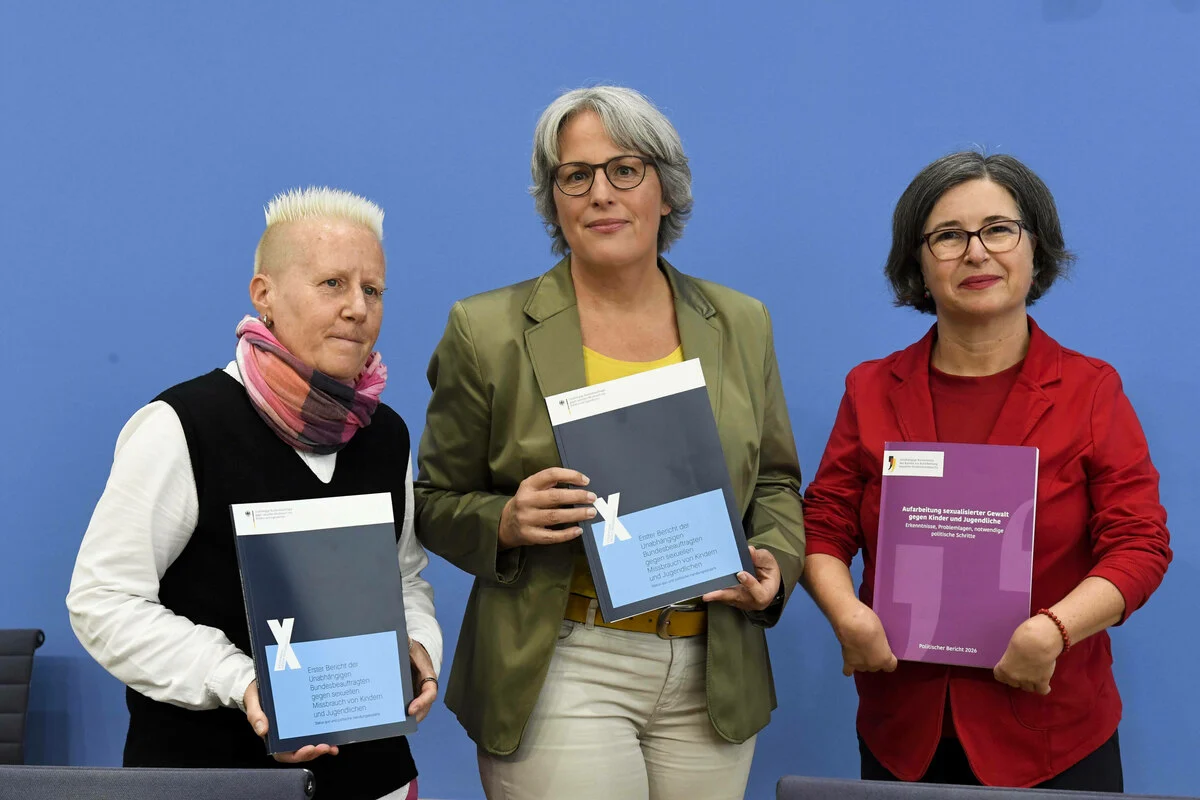
Berlin, Germany – Germany is grappling with an alarming surge in child sexual abuse cases, prompting urgent calls for enhanced protection measures, increased state responsibility, and sustainable funding for victims. Kerstin Claus, the Federal Commissioner for Sexual Child Abuse, delivered a stark warning on Tuesday in Berlin, asserting that "Never before has the risk for a child to experience sexualized violence been as high as today." This critical declaration underscores a deepening crisis, significantly exacerbated by the pervasive influence of digital media, which has transformed the landscape of child vulnerability.
Commissioner Claus’s impassioned plea highlighted the necessity of comprehensive, nationwide protection concepts, a stronger commitment from federal and state governments, and immediate additional financial resources for survivors. Her statement came during the presentation of the first legally mandated report by the Office of the Independent Commissioner for Questions of Sexual Child Abuse (UBSKM), a pivotal document outlining both the existing frameworks for protection and the critical gaps that continue to endanger countless children and adolescents across the nation.
I. Main Facts: A Nation’s Urgent Call to Protect Its Young
The core message emanating from Berlin is one of profound concern and an urgent demand for a societal and political paradigm shift. The reported figures for sexual child abuse in Germany are not merely statistics; they represent thousands of shattered childhoods and lives irrevocably altered by horrific acts. Kerstin Claus’s address served as a powerful reminder that the fight against sexual violence is not an abstract policy debate but a moral imperative demanding immediate and decisive action.
The dual nature of the threat – encompassing both traditional, offline abuse environments and the rapidly expanding digital realm – presents complex challenges. While established institutions and social settings have long been recognized as potential sites of abuse, the internet’s anonymity, accessibility, and global reach have created unprecedented avenues for perpetrators. Claus’s focus on digital dangers underscores a critical evolution in how child protection strategies must be conceived and implemented.
The demands put forth by the Commissioner are clear and multi-faceted:
- Nationwide Protection Concepts: Standardized, high-quality safeguarding measures must be universally applied across all institutions and organizations interacting with children, from schools and sports clubs to youth welfare services and holiday camps.
- Increased State Responsibility: Governments at both federal and state levels must acknowledge and actively fulfill their primary duty to protect children, translating this commitment into robust legislation, effective enforcement, and sufficient resource allocation.
- Additional Financial Resources for Victims: Long-term, accessible, and comprehensive support – including therapeutic, legal, and material aid – must be guaranteed for survivors, recognizing the profound and lasting impact of sexual violence.
These demands are not isolated proposals but interconnected components of a holistic strategy aimed at fundamentally improving child safety and justice for victims in Germany.
II. Chronology: The Evolution of Child Protection and Emerging Threats
The current discourse on child protection in Germany is rooted in a history of growing awareness and institutional responses, albeit often reactive and insufficient.
Establishment of the UBSKM and its Mandate:
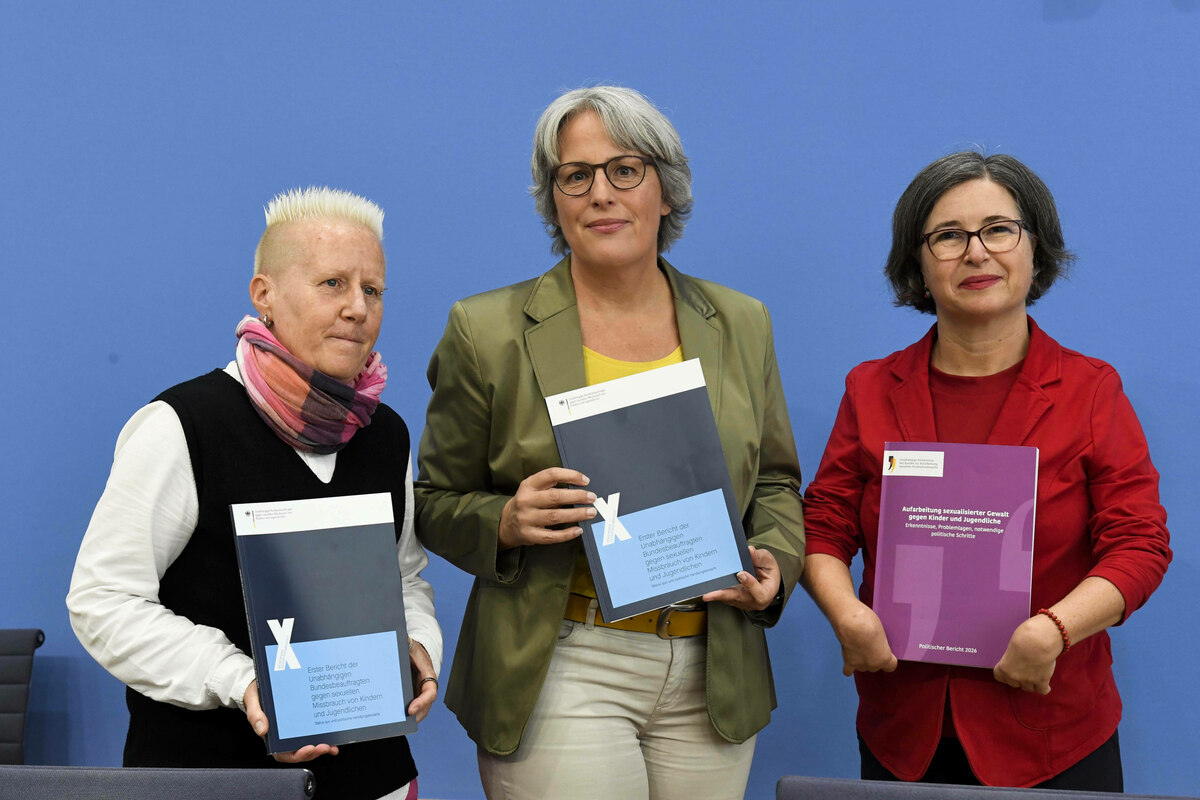
The Office of the Independent Commissioner for Questions of Sexual Child Abuse (UBSKM) was established in 2010, marking a significant step towards institutionalizing the fight against child sexual abuse at the federal level. Kerstin Claus has led this office as Federal Commissioner since 2022, steering its mandate to coordinate prevention efforts, advocate for victims, and advise political stakeholders. The presentation of the 2026 report, the first to be legally mandated, signifies a new phase in the office’s work, providing a structured overview of the situation and concrete recommendations based on comprehensive data, primarily from 2025.
The Federal Commission for Reappraisal:
Complementing the UBSKM’s work is the Federal Commission for the Reappraisal of Sexual Child Abuse (Aufarbeitungskommission). Over the past decade, this commission has provided a vital platform for survivors to share their experiences, shedding light on the systemic nature of institutional abuse and its long-term consequences. With over 3,200 victims bravely coming forward to report their experiences, the commission has amassed invaluable insights that inform current policy debates and underscore the profound need for justice and accountability.
The Digital Revolution’s Impact:
While the issue of child sexual abuse is tragically ancient, its manifestation has been dramatically reshaped by the digital age. The rapid proliferation of smartphones, social media, and online gaming platforms has opened up new, largely unregulated spaces where children spend significant portions of their lives. This digital transformation, while offering opportunities for connection and learning, has simultaneously created fertile ground for predators, leading to the "explosion" of online risks that Commissioner Claus highlighted. The challenges presented by cybergrooming, sextortion, and the distribution of child sexual abuse material (CSAM) are relatively new phenomena, demanding innovative and agile responses from both law enforcement and policymakers.
Legislative Efforts and Setbacks:
Germany has seen various legislative initiatives aimed at strengthening child protection, from tightening criminal codes to establishing support mechanisms for victims. However, the path has been fraught with inconsistencies and setbacks. The discontinuation of the "Fund for Sexual Abuse" – a crucial support mechanism for survivors – due to a lack of permanent legal anchoring, represents a significant regression and a symbol of the fragmented approach that continues to plague child protection efforts. This chronological overview reveals a persistent struggle to keep pace with evolving threats and to ensure that political will translates into consistent, effective, and sustained action.
III. Supporting Data: The Stark Reality of Abuse in Germany
The reports presented by Commissioner Claus and Julia Gebrande from the Federal Commission for the Reappraisal paint a grim picture, underscored by alarming statistics and the harrowing testimonies of survivors.

Alarming Statistics: A Rising Tide of Reported Cases
The latest criminal statistics, forming the bedrock of the UBSKM report, reveal a deeply concerning trend. In the year 2025 alone, 17,126 cases of sexual child abuse were officially recorded. This figure represents a significant increase: approximately 1,600 more cases than five years prior, and a rise of 772 cases compared to 2024. These numbers, while shocking, are widely understood to represent only the tip of the iceberg. Sexual abuse is notoriously underreported due to shame, fear, trauma, and the complex power dynamics between victims and perpetrators, who are often trusted figures within a child’s environment. The consistent upward trajectory of reported cases suggests not only a potential increase in actual incidents but also, hopefully, a greater willingness or capacity for victims and concerned individuals to come forward, hinting at improved awareness and reporting mechanisms, though clearly still insufficient.
The Digital Minefield: Cybergrooming and Sextortion Explode
Commissioner Claus unequivocally stated that "The risks in the digital space are exploding," a sentiment strongly supported by the data. The internet has become a new hunting ground for predators, offering anonymity, vast reach, and the ability to circumvent traditional safeguards. The report highlights that a staggering one in four young people have experienced cybergrooming online. Cybergrooming involves adults befriending and building emotional connections with minors online, often through gaming platforms, social media, or chat apps, with the ultimate intention of sexual exploitation. This insidious form of manipulation can be difficult for children to recognize and for parents to detect, given the seemingly innocent nature of the initial interactions.
Even more alarming is the prevalence of sextortion, which Claus identified as "commonplace online." Sextortion is a particularly cruel form of blackmail where perpetrators coerce victims into sending intimate images or videos, then threaten to publish them unless further demands (often financial or for more explicit content) are met. The psychological toll of sextortion is immense, leading to extreme distress, anxiety, and in tragic cases, self-harm or suicide. The speed and permanence with which such content can be disseminated online means that victims face a constant threat of public humiliation, making recovery incredibly challenging. The global reach of the internet further complicates law enforcement efforts, as perpetrators can operate from anywhere in the world, often beyond the jurisdiction of local authorities.
Voices of the Victimized: Over 3,200 Testimonies
Beyond the statistics, the human cost of sexual violence is illuminated by the work of the Federal Commission for the Reappraisal. Over the past decade, more than 3,200 survivors have bravely shared their deeply personal and often traumatic experiences with the commission. These testimonies provide invaluable qualitative data, revealing the patterns of abuse, the failures of institutions, and the profound, long-lasting impact on victims’ lives. Julia Gebrande, from the commission, emphasized that sexualized violence is "not a misfortune, but an an injustice for which the state must take responsibility." This statement underscores the systemic nature of the problem and the imperative for state actors to move beyond acknowledging the issue to actively preventing it and ensuring justice for those harmed. The stories collected by the commission are crucial not only for historical reappraisal but also for informing current prevention and intervention strategies, ensuring that policies are truly victim-centered.
IV. Official Responses and Critical Demands: A Fragmented Framework
The reports presented in Berlin are not merely descriptive; they are prescriptive, laying out clear demands for action from various stakeholders. However, they also expose a fragmented landscape of responsibility and implementation.
Federal Commissioner Kerstin Claus’s Comprehensive Agenda
Commissioner Claus’s agenda is ambitious and far-reaching, reflecting the severity and complexity of the crisis. Her primary demands include:

- Nationwide Protection Concepts: Claus insists on the mandatory implementation of robust, quality-assured protection concepts across all institutions where children are present outside their family environment. This encompasses schools, daycares, sports clubs, religious organizations, youth groups, and commercial entities like tutoring centers or holiday providers. These concepts should include clear codes of conduct, mandatory background checks for staff, regular training on child safeguarding, transparent reporting mechanisms, and designated safeguarding officers. The aim is to create environments where children feel safe and where potential abuse is prevented or swiftly addressed.
- Stricter Criminal Law and Proactive Content Deletion: To combat online threats, Claus advocates for a significant tightening of criminal law pertaining to cybergrooming, ensuring that perpetrators face appropriate legal consequences. Crucially, she also calls for active and systematic efforts to identify and delete child sexual abuse material and other harmful content from the internet. This requires greater collaboration with tech companies and robust legal frameworks that compel platforms to take responsibility for content hosted on their sites.
- Balancing "Protection and Participation": A nuanced but vital aspect of Claus’s demands is the call to "no longer play off protection and participation against each other." This acknowledges that children and adolescents need to participate in the digital world for their development and social integration. The goal is not to isolate them but to create "age-appropriate and well-secured spaces" online, where they can interact safely. This requires a focus on digital literacy, empowering children with critical thinking skills, and developing technology that prioritizes child safety by design.
The Reappraisal Commission’s Imperatives for Justice
Julia Gebrande, representing the Federal Commission for the Reappraisal of Sexual Child Abuse, echoed the call for state responsibility and highlighted specific needs for justice for survivors:
- Improved Victim Access to Files: Many survivors seek to understand the circumstances of their abuse, particularly when it occurred within institutions. Accessing relevant institutional files (e.g., from schools, churches, or youth welfare offices) is often a bureaucratic nightmare. Gebrande demands better, legally guaranteed access for victims, which is crucial for their healing process and for holding institutions accountable.
- Mandatory Institutional Reappraisal: The commission advocates for a legal obligation for institutions to undertake their own reappraisal of past abuses. This goes beyond individual cases, requiring organizations to systematically investigate their history, identify systemic failures that allowed abuse to occur, apologize to victims, and implement changes to prevent future harm. This institutional accountability is seen as essential for restoring trust and ensuring genuine change.
The Critical Funding Gap: Discontinuation of the Victim Fund
A significant point of contention and criticism is the status of the "Fund for Sexual Abuse" (Fonds sexueller Missbrauch). Angela Marquardt, from the Victim Council, passionately advocated for its continuation. This fund has provided crucial support to survivors, offering non-cash benefits of up to 10,000 Euros per person for services like therapy, legal aid, or educational support, directly addressing the practical needs arising from their trauma.
However, the fund, lacking permanent legal anchoring, stopped accepting new applications in March 2025. Commissioner Claus sharply criticized this cessation, stating, "This is a disengagement from the victims for me." Both Marquardt and Claus called for "an immediate, legally secure and permanently financed follow-up solution," emphasizing that support for survivors cannot be a temporary measure or subject to political whims. The discontinuation of such a vital resource leaves many vulnerable survivors without essential aid, undermining trust in state support and prolonging their suffering.
Federal States’ Divergent Approaches to Child Protection
A key structural challenge in Germany’s child protection framework lies in its federal system, where many aspects of child and youth protection fall under the jurisdiction of individual states (Bundesländer). This leads to a patchwork of policies and varying levels of protection across the country.
- Inconsistent Safeguards: The report highlighted significant inconsistencies. For example, states like Saxony, Hamburg, Saxony-Anhalt, Bavaria, and Bremen currently have no legal obligation for schools to develop explicit protection concepts against sexual violence. This leaves children in these states potentially more vulnerable compared to others.
- Positive Examples: Conversely, some states have taken proactive steps. Thuringia, Hesse, and Rhineland-Palatinate have established their own state-level victim councils, providing a direct voice for survivors in policy-making. North Rhine-Westphalia and Rhineland-Palatinate have recently enacted their own state child protection laws, demonstrating a stronger commitment to comprehensive safeguarding.
This divergence underscores the urgent need for greater federal coordination and standardized minimum requirements to ensure that every child in Germany enjoys the same fundamental level of protection, regardless of their geographical location.
V. Implications: Charting a Course Towards a Safer Future
The reports and the subsequent calls to action carry profound implications, both for individual survivors and for German society as a whole. Addressing this crisis demands not just reactive measures but a fundamental shift in societal priorities and governmental commitment.

The Profound Impact on Child Development and Well-being
The primary implication of unchecked child sexual abuse is the devastating and often lifelong impact on survivors. The trauma of sexual violence can lead to a range of severe psychological, emotional, and social consequences, including complex post-traumatic stress disorder (C-PTSD), depression, anxiety disorders, eating disorders, substance abuse, and difficulties forming healthy relationships. These challenges can hinder educational attainment, career prospects, and overall life satisfaction. The ripple effect extends to families and communities, eroding trust, fostering fear, and perpetuating cycles of intergenerational trauma. Investing in prevention and support is not just about addressing symptoms; it’s about safeguarding the fundamental right of every child to a healthy, safe, and fulfilling life.
Societal and Economic Costs of Inaction
Beyond the individual suffering, the societal and economic costs of inaction are substantial. The long-term support required for survivors – including extensive therapy, medical care, legal aid, and social welfare services – places a significant burden on public health systems, judicial systems, and social services. Moreover, the loss of human potential when individuals are derailed by trauma represents an immeasurable cost to society. Children who experience abuse are less likely to thrive, contribute fully to the economy, or participate actively in civic life. Prioritizing child protection is, therefore, a long-term investment in the nation’s human capital and its collective well-being.
A Call for Unified, Cross-Sectoral Responsibility
The complexity of child sexual abuse, particularly in the digital age, necessitates a unified, cross-sectoral approach. No single entity – neither government, nor tech industry, nor educational institution, nor parent – can tackle this challenge alone.
- Government’s Role: Federal and state governments must provide robust legal frameworks, enforce laws effectively, and allocate sufficient resources.
- Tech Industry’s Role: Technology companies bear a significant responsibility to design platforms with child safety in mind, proactively identify and remove harmful content, and collaborate with law enforcement.
- Educational Institutions and Parents: Schools, educators, and parents play a crucial role in fostering digital literacy, empowering children with critical skills, and creating open communication channels.
- Civil Society: Non-governmental organizations and victim support groups are indispensable in providing specialized services and advocating for policy change.
A cohesive national strategy, fostering collaboration and shared responsibility, is paramount to creating a truly safe environment for children.
Towards a Paradigm Shift in Child Protection
Ultimately, the reports from Commissioner Claus and the Reappraisal Commission call for a paradigm shift in how Germany approaches child protection. This means moving beyond reactive measures – responding to abuse after it has occurred – to a proactive, preventative framework. Child safety must become a foundational principle in all policy-making, resource allocation, and institutional design. This includes:
- Prioritizing Child Safety: Embedding child safeguarding principles into the core operations of all child-serving organizations.
- Robust Legal Reforms: Strengthening criminal laws, mandating institutional accountability, and ensuring sustained funding for victim support through legal anchoring.
- Sustained Funding: Recognizing that protecting children and supporting survivors requires long-term, predictable financial commitment, not temporary solutions.
The escalating crisis of child sexual abuse in Germany is a profound societal challenge. The insights and demands presented by the Federal Commissioner and the Reappraisal Commission offer a clear roadmap for action. It is now incumbent upon political leaders, institutions, and every citizen to heed this urgent call, transforming rhetoric into tangible, sustained efforts to protect the most vulnerable members of society and ensure justice and healing for those who have been harmed. The future well-being of Germany’s children depends on it.