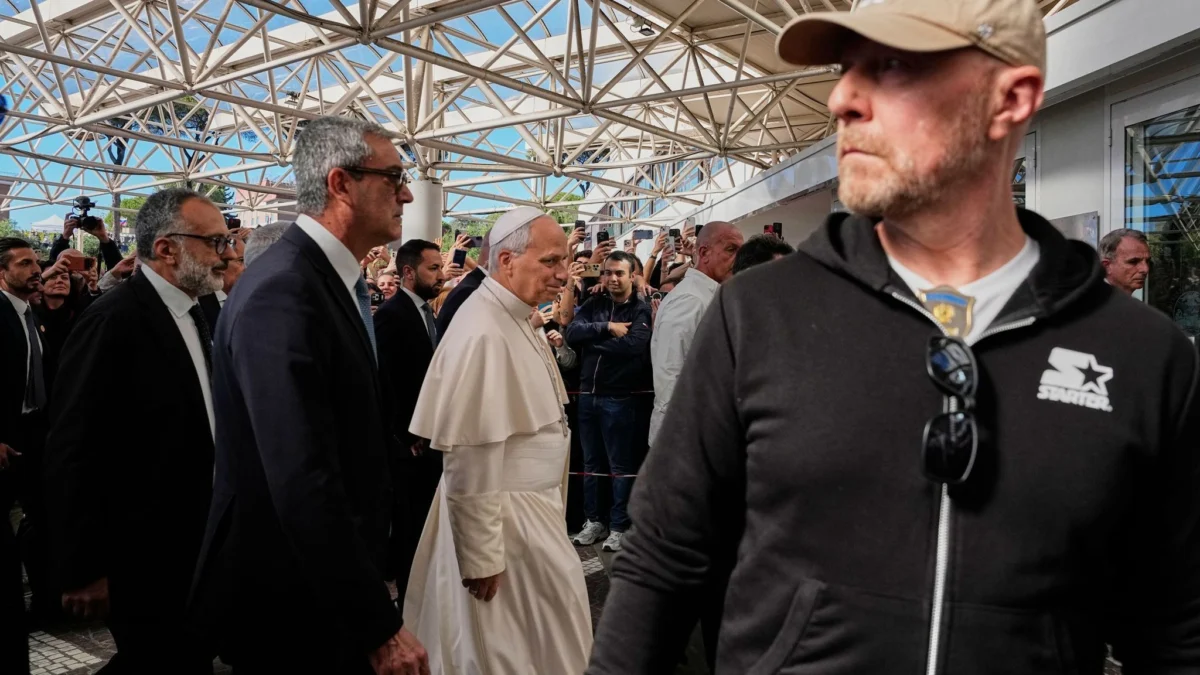
VATICAN CITY – Pope Leo XIV, the 71-year-old pontiff, has successfully undergone surgery for lung cancer, the Vatican confirmed late Tuesday evening, bringing a wave of relief to millions of faithful worldwide. The complex procedure, performed at Rome’s renowned Gemelli Clinic, involved the removal of the lower lobe of his right lung, where doctors diagnosed an adenocarcinoma, a prevalent form of lung cancer. The surgery, which was confirmed to be "successful and without complications" by his medical team, marks a significant moment of both personal challenge and remarkable transparency for the leader of the Catholic Church.
The pontiff’s health crisis, revealed personally by Pope Leo XIV just two days prior, has prompted an outpouring of prayers and concern from global leaders, interfaith communities, and the Catholic faithful across all continents. The swift and decisive medical intervention, following the early detection of a nodule, underscores the critical importance of prompt action in managing serious health conditions, even for figures of immense global stature.
A Transparent Revelation: The Pope’s Personal Announcement
The initial news of Pope Leo XIV’s health concerns first emerged on Sunday, just 48 hours before his surgery. In a move that surprised many and underscored a new era of transparency within the Holy See, the Pope himself, during his weekly Angelus address, disclosed to the public that a routine check-up had revealed a nodule in his lung. He described the finding as being in a "very early stage," a detail that immediately offered a glimmer of hope amidst the gravity of the announcement.
His decision to share this deeply personal health information directly with the faithful, rather than through official channels after the fact, was widely interpreted as a gesture of profound trust and connection with his flock. "On the advice of my doctors, I have decided to undergo surgery," the Pope reportedly stated, conveying a sense of calm resolve. This direct communication stood in stark contrast to historical precedents where papal health matters were often shrouded in secrecy, only to be revealed through terse, often delayed, official communiqués. The revelation set the stage for two days of intense global prayer and anxious anticipation, culminating in Tuesday’s critical surgical procedure.
Chronology: A Swift and Decisive Intervention
The timeline leading up to Pope Leo XIV’s surgery was remarkably condensed, reflecting the urgency and gravity of the medical findings, alongside a commendable efficiency in the Vatican’s response and the medical team’s readiness.
Sunday: The Public Disclosure
The sequence of events began on Sunday, following the Pope’s customary Angelus prayer. It was then that Pope Leo XIV chose to personally address his health. He informed the gathered crowd in St. Peter’s Square, and by extension the world, that a recent routine medical examination had detected a small nodule in his lung. He characterized it as being in a "very early stage," a detail crucial for understanding the subsequent rapid decision-making. He also announced his intention to undergo surgery based on the strong recommendation of his medical advisors, signaling an immediate and proactive approach to his health challenge. This unprecedented level of candor immediately garnered global attention and prayers.
Monday: Pre-Operative Preparations and Confirmation
Following the Sunday announcement, Monday was a day of intensive pre-operative preparations at the Gemelli Clinic. While specific details were kept private to respect the pontiff’s privacy, it is understood that Pope Leo XIV underwent a series of comprehensive diagnostic tests and consultations with the surgical team. These examinations would have included advanced imaging scans, such as CT or PET scans, and further biopsies to confirm the nature and extent of the nodule. It was during these pre-operative assessments that the medical team developed a strong suspicion that the nodule was indeed an adenocarcinoma, a suspicion that would later be definitively confirmed post-surgery. The day also likely involved spiritual preparation for the Pope, as well as final logistical arrangements for his transfer and care at the clinic. The Vatican Press Office maintained a vigilant but restrained posture, promising updates as soon as medically appropriate, thereby managing public expectations while safeguarding the Pope’s need for quiet preparation.
Tuesday: The Surgical Procedure
On Tuesday, the planned surgical intervention took place at the Gemelli Clinic, a facility affectionately known as "the Pope’s Hospital" due to its long history of treating pontiffs. The operation commenced in the morning and involved a highly skilled team of thoracic surgeons and anesthesiologists. The primary objective was the removal of the lower lobe of the Pope’s right lung. This procedure, a lobectomy, is a standard surgical approach for localized lung cancer, particularly when detected early.
According to the official statement released by the Vatican late Tuesday evening, the surgery proceeded "successfully and without complications." This outcome was a source of immense relief. The statement further detailed that during the procedure, or immediately following the pathological examination of the excised tissue, the suspected diagnosis was confirmed: an adenocarcinoma. The successful completion of the surgery meant that Pope Leo XIV awoke from anesthesia as planned and was subsequently transferred to his private recovery room within the clinic, where he began the initial phase of his post-operative recovery under close medical supervision. The precision and speed of the medical team, combined with the Pope’s robust underlying health for his age, were key factors in the positive outcome.
Supporting Data: Understanding the Medical Context
The medical details surrounding Pope Leo XIV’s diagnosis and treatment provide crucial context for understanding the gravity of the situation and the positive implications of early detection.
Adenocarcinoma: A Common Form of Lung Cancer
The diagnosis of adenocarcinoma is significant. It is the most common type of non-small cell lung cancer (NSCLC), accounting for approximately 40% of all lung cancer diagnoses. Unlike some other forms of lung cancer, adenocarcinoma often originates in the outer regions of the lungs, making it potentially more amenable to surgical removal if caught early. While smoking is a primary risk factor for many lung cancers, adenocarcinoma can also occur in non-smokers, making its detection sometimes unexpected. The "early stage" nature of Pope Leo XIV’s nodule, as he described it, is paramount, as early detection dramatically improves prognosis and increases the likelihood of a curative outcome through surgical intervention. Survival rates for early-stage adenocarcinoma, especially when localized and completely resected, are considerably higher than for advanced stages. This specific diagnosis, therefore, offered a degree of guarded optimism for the Pope’s long-term health, provided the cancer had not spread beyond the removed lobe.
Lobectomy: The Surgical Procedure
The surgical procedure performed on Pope Leo XIV was a lobectomy – the removal of an entire lobe of the lung. The human lungs are divided into lobes: three on the right (upper, middle, and lower) and two on the left (upper and lower). The removal of the lower lobe of the right lung is a major thoracic surgery. This procedure is the gold standard for treating localized lung cancer, aiming to remove the cancerous tissue along with a margin of healthy tissue to ensure complete eradication of the tumor.
Recovery from a lobectomy typically involves a hospital stay of several days to a week, during which patients are monitored for pain management, respiratory function, and potential complications such as infection or air leaks. Post-operative care often includes respiratory physiotherapy to help restore lung capacity. While patients may experience some shortness of breath initially, the remaining lung tissue usually compensates over time, allowing for a return to most normal activities, though perhaps with some limitations on strenuous physical exertion. The success of the operation, particularly the absence of complications, is a strong indicator for a smoother recovery period.
The Gemelli Clinic: The "Pope’s Hospital"
The Agostino Gemelli University Policlinic, universally known as the Gemelli Clinic, holds a unique place in the history of the papacy. It is widely referred to as "the Pope’s Hospital" due to its long-standing tradition of providing medical care to pontiffs. Popes Paul VI, John Paul I, John Paul II, and Benedict XVI have all received treatment there. Most famously, Saint John Paul II underwent numerous procedures and extended stays at Gemelli following the assassination attempt in 1981, as well as for various other health issues throughout his long pontificate, including intestinal surgery and tracheotomy.
The clinic is renowned for its excellent medical facilities, state-of-the-art technology, and highly skilled specialists, particularly in areas like oncology and thoracic surgery. Its dedicated papal suite ensures both the highest level of medical care and the necessary security and privacy for the Supreme Pontiff. The choice of Gemelli for Pope Leo XIV’s surgery was therefore not only practical but also deeply symbolic, representing a continuity of care from an institution trusted implicitly by the Holy See. The medical team’s expertise and the clinic’s resources played a pivotal role in the successful outcome of this critical surgery.
Papal Health Precedents and Challenges
The health of a Pope has always been a matter of intense interest and, at times, significant concern for the Catholic Church and the world. Historically, papal illnesses were often guarded secrets, revealing little to the public until absolutely necessary. However, Popes of the modern era have gradually shifted towards greater transparency. John Paul II, despite his initial private struggles, eventually allowed much of his declining health due to Parkinson’s disease and other ailments to be witnessed by the world, transforming his suffering into a powerful spiritual message.
Pope Leo XIV’s open disclosure of his lung nodule, even before definitive diagnosis, represents a further step in this direction of openness. It humanizes the pontiff, making him relatable in his vulnerability to illness, while also setting a precedent for direct and timely communication regarding papal health. Such transparency fosters a deeper connection with the faithful, who can offer informed prayers and support, and helps to manage speculation that often arises in the absence of clear information.
Official Responses: A Global Outpouring of Support
The news of Pope Leo XIV’s successful surgery and confirmed diagnosis elicited a swift and coordinated response from official channels, both within the Vatican and from international bodies, complementing the widespread public reaction.
The Vatican Press Office
The Vatican Press Office, under the directorship of Matteo Bruni, served as the primary conduit for official information. Their late-night communiqué on Tuesday was precise and reassuring. It confirmed the surgical procedure, its successful completion "without complications," and the definitive diagnosis of adenocarcinoma following the pathological examination of the removed tissue. The statement also confirmed that the Pope had awakened as planned and was resting in his private room, indicating a stable immediate post-operative condition. The promptness of this update, following the Pope’s own earlier disclosure, underscored the Vatican’s commitment to transparent communication during this sensitive period. Subsequent updates from the Press Office are expected to detail the Pope’s recovery progress, discharge plans, and any necessary adjustments to his schedule.
The Gemelli Clinic Medical Team
The medical team at the Gemelli Clinic, responsible for the Pope’s care, issued its own corroborating statement. They confirmed that the post-operative analysis unequivocally identified the nodule as a pulmonary adenocarcinoma. Their professional assessment, mirroring the Vatican’s, emphasized the success of the procedure and the absence of any immediate complications. This dual confirmation from both ecclesiastical and medical authorities provided a robust and credible account of the Pope’s condition and the outcome of the surgery, instilling confidence in the quality of care provided.
Global Political and Religious Leaders
The announcement of Pope Leo XIV’s surgery immediately triggered an outpouring of well wishes and prayers from heads of state, prime ministers, and international organizations across the globe. From the President of the United States to European leaders, and from counterparts in Africa, Asia, and Latin America, messages of solidarity and hopes for a swift recovery flooded the Vatican. These messages often highlighted the Pope’s role as a moral compass and a voice for peace and justice on the world stage, emphasizing the global impact of his leadership beyond the Catholic Church.
Beyond political figures, leaders of various Christian denominations, as well as prominent figures from other world religions – including Islam, Judaism, and Buddhism – extended their prayers and support. This interfaith solidarity underscored the universal respect commanded by Pope Leo XIV and the shared human experience of facing illness. Cardinals, bishops, and religious orders worldwide encouraged their faithful to pray for the pontiff, organizing special masses and prayer vigils, creating a global spiritual network of support for their ailing leader.
Implications: The Papacy in a Time of Convalescence
Pope Leo XIV’s successful surgery, while a cause for immediate relief, ushers in a period of convalescence that will undoubtedly have implications for the immediate future of the papacy and potentially shape his long-term ministry.
Immediate Future: Recovery and Governance
The most immediate implication is the Pope’s recovery period. While the surgery was successful, a lobectomy is a significant procedure requiring careful recuperation. Doctors anticipate several days of hospitalization followed by a period of rest and rehabilitation. During this time, the Pope’s public engagements, weekly audiences, and travel plans will undoubtedly be curtailed or postponed. The Vatican Curia, led by the Secretary of State, Cardinal Pietro Parolin, will likely manage the day-to-day administrative affairs of the Holy See, ensuring continuity of governance. Key decisions and urgent matters would still require the Pope’s approval, but the pace of operations is expected to slow. This period will allow Pope Leo XIV to focus entirely on regaining his strength, vital for the demanding role he holds.
Long-Term Health and Papal Ministry
Looking beyond the immediate recovery, the long-term implications for Pope Leo XIV’s health and papal ministry are a subject of much discussion. While the early detection of the adenocarcinoma offers a favorable prognosis, cancer survivors often require ongoing monitoring and may need to adjust their lifestyle. The rigorous schedule of a pontiff, which includes frequent international travel, countless meetings, and extensive public appearances, may need to be re-evaluated. Pope Leo XIV, known for his active and hands-on approach, might be advised to moderate his pace. This could potentially lead to a greater delegation of duties to senior cardinals and a more focused approach to his engagements, prioritizing key theological, social, and diplomatic initiatives. His experience with cancer could also deepen his spiritual message, particularly on themes of suffering, resilience, and faith.
Transparency and Modern Papal Communication
Pope Leo XIV’s personal disclosure of his health condition marks a significant precedent in papal communication. It signals a modern approach to leadership, one that embraces transparency and authenticity, even in vulnerability. This openness can foster greater trust between the pontiff and the faithful, dispelling rumors and speculation that often accompany secrecy. It also presents the Pope as a human being facing human challenges, making him more relatable and inspiring, particularly in an age where public figures are increasingly expected to be transparent. This shift could influence how future popes choose to communicate about their health and other personal matters, moving towards a more direct and unvarnished style.
The Resilience of the Catholic Church
Finally, this health crisis, like others before it, underscores the inherent resilience of the Catholic Church as an institution. While the Pope is its visible head and spiritual leader, the Church’s vast administrative structure, guided by centuries of tradition and canon law, is designed to ensure continuity even during periods of papal illness or vacancy. The collective prayers and expressions of solidarity from around the world also demonstrate the deep spiritual bonds that unite Catholics and the enduring faith in the institution, even as its leader faces personal challenges. The successful surgery of Pope Leo XIV is not just a medical triumph for an individual, but a moment of collective reassurance for a global community that looks to him for spiritual guidance and moral leadership. As he embarks on his recovery, the world watches, prays, and anticipates his return to full health and the continued vigor of his pontificate.