The smart home landscape is undergoing a quiet but significant transformation. As heating costs remain a primary concern for homeowners and the push for energy efficiency gains momentum, Tado°, a leader in smart climate solutions, has announced a series of major feature updates. These enhancements, rolling out in the coming month, aim to move beyond simple scheduling, introducing artificial intelligence to manage the complexities of individual room environments.
From predictive window detection to proactive health monitoring, Tado° is expanding its "AI Assist" capabilities to transform the humble thermostat into a comprehensive home management system.
Main Facts: The New Wave of Tado° Features
The upcoming updates represent a strategic pivot toward personalization and data-driven automation. By integrating machine learning and deeper hardware-software synchronization, Tado° is addressing two of the most common consumer pain points: energy waste due to human error and the health risks associated with poor indoor air quality.
The key additions include:

- AI-Powered Open Window Detection: A shift from basic sensor thresholds to room-specific behavioral learning.
- Room-Level Mold Index: Leveraging the VTT growth model to predict and prevent humidity-related damage.
- Customizable Home Screen: A user-centric design update that allows for a bespoke dashboard experience.
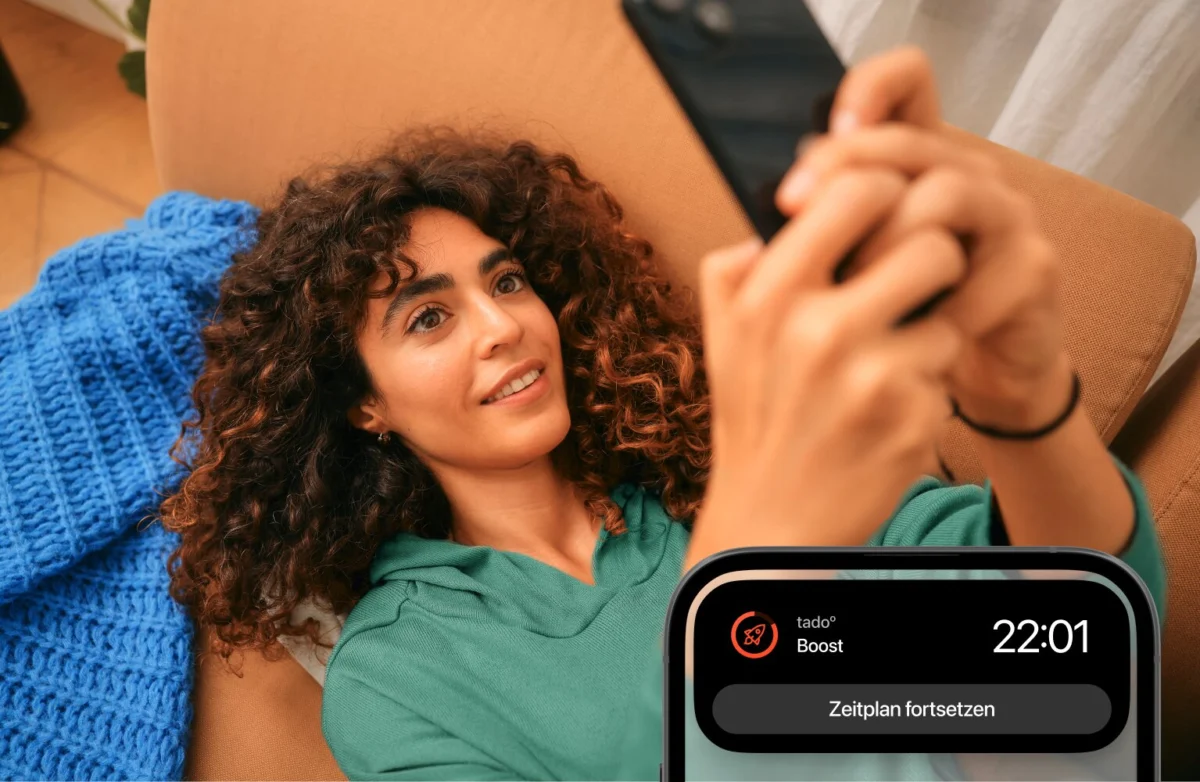
- Apple Live Activities Integration: Real-time status tracking for the "Heating Boost" feature on iPhones, Apple Watches, and Macs.
These features are designed to work in tandem with the existing Tado° X hardware, reinforcing the company’s commitment to building a cohesive, future-proof ecosystem.
Chronology: A Gradual Rollout for Stability
Tado° has opted for a staggered release schedule throughout the coming month, prioritizing stability and user experience.
- The Immediate Rollout (Now): The customizable Home Screen is the first to reach users, allowing them to declutter their interface and prioritize the rooms that matter most.
- Mid-Cycle Implementation: In the coming weeks, Apple Live Activities will be integrated for Tado° X users, offering seamless monitoring of heating boosts directly from the lock screen.
- Advanced AI Features: The final phase of the rollout includes the AI-powered Window Detection and the Mold Index, both of which will be bundled under the "AI Assist" subscription model.
By staging the release, Tado° ensures that its server-side algorithms—particularly the ones learning room-specific thermal signatures—have enough data to operate effectively from the moment they are toggled on.
Supporting Data: Deep Dive into New Technologies
The Evolution of Open Window Detection
Traditionally, Tado° devices relied on sudden, drastic drops in temperature or humidity to identify an open window. While effective, this "brute force" method often led to false positives in high-traffic rooms like kitchens or bathrooms, where temperature fluctuations are normal.
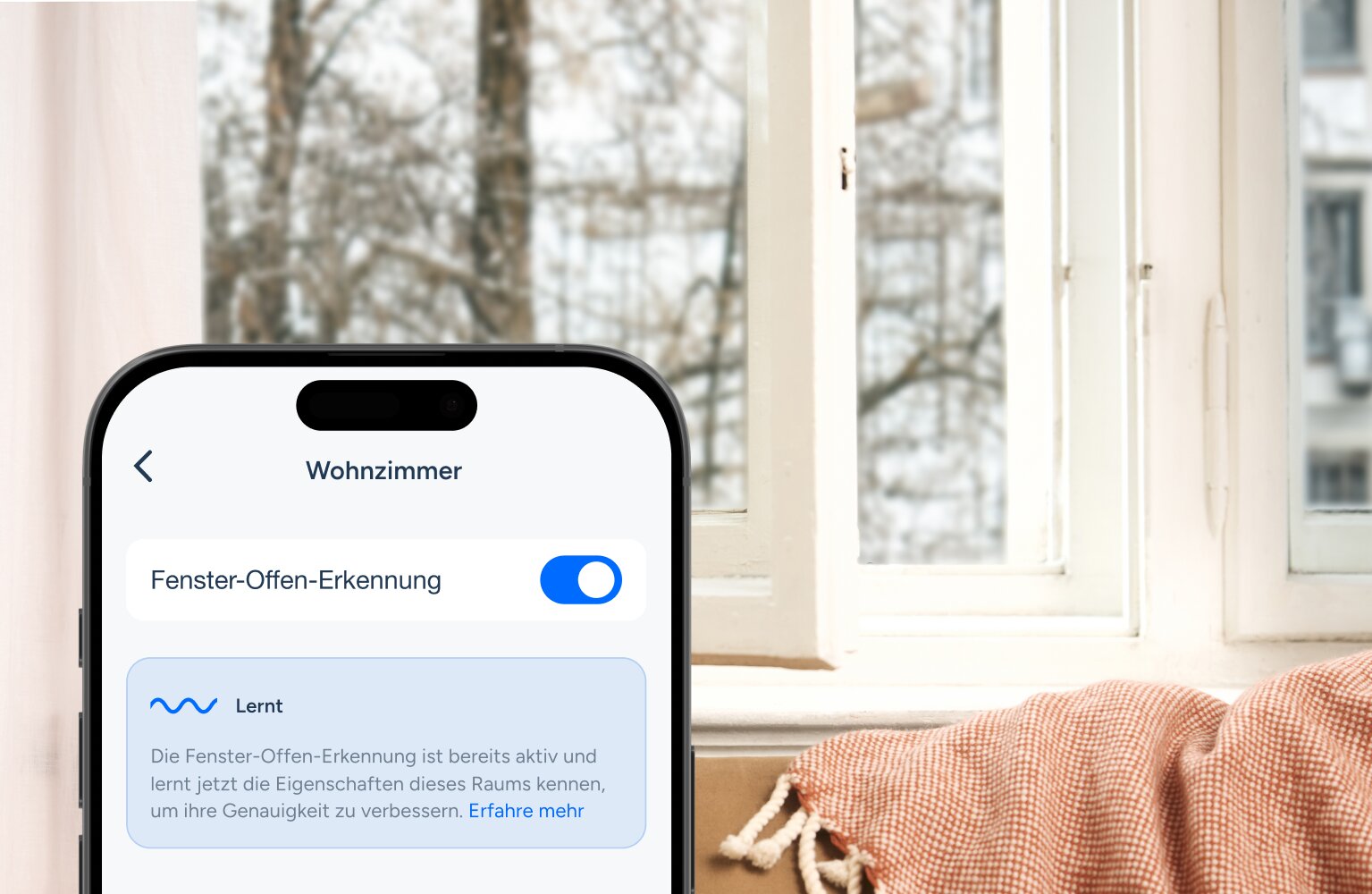
The new AI-driven approach introduces a learning phase. The system observes the thermal inertia and recovery patterns of each individual room. It recognizes that a bathroom’s temperature drop after a shower is a natural event, not an indication that a window is open. By distinguishing between environmental noise and genuine heat loss, the system promises significantly higher accuracy, ultimately saving more energy by preventing unnecessary boiler cycles.
The Science Behind the Mold Index
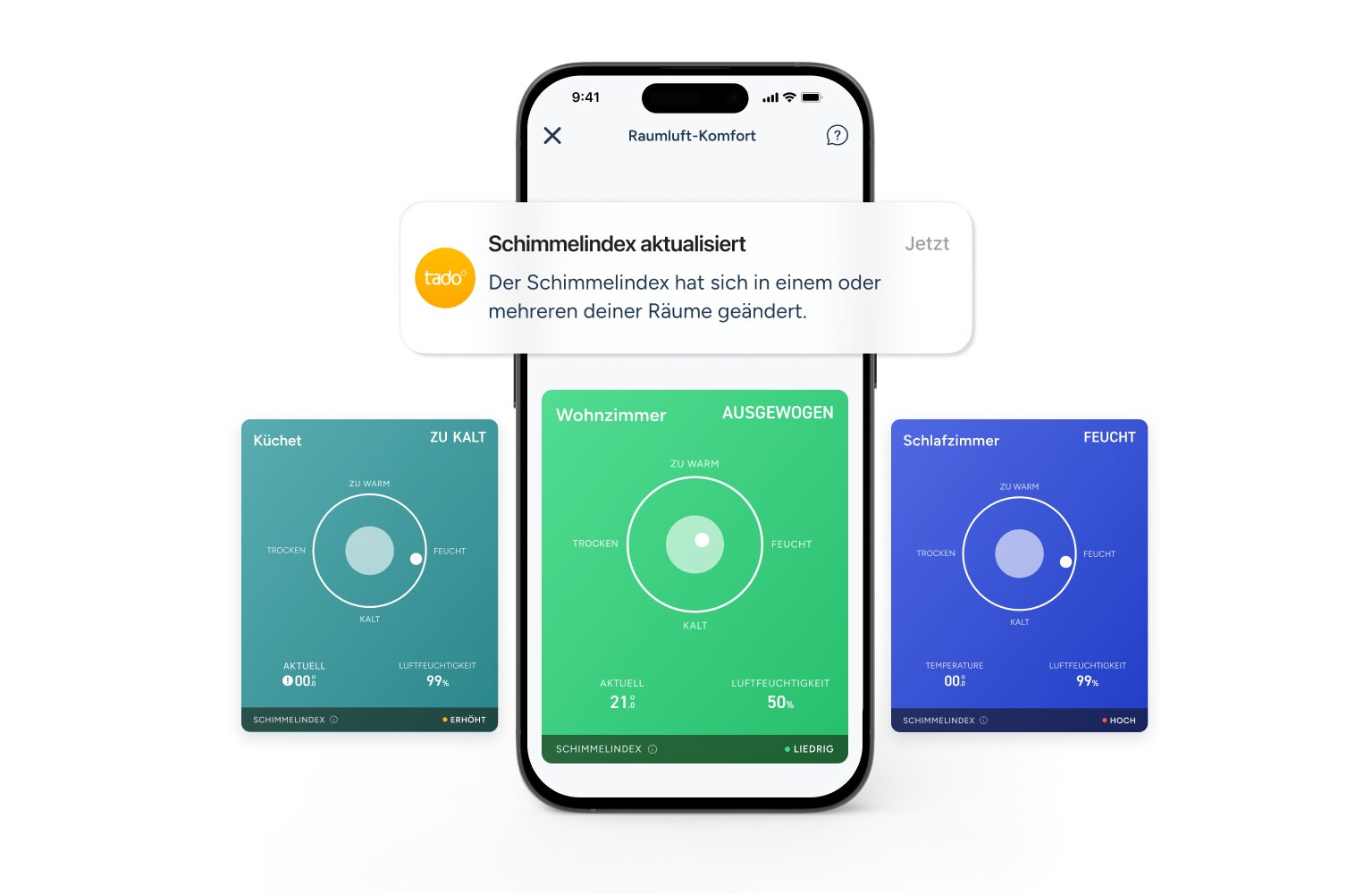
Perhaps the most significant addition is the introduction of the Mold Index. Tado° has implemented the VTT (Technical Research Centre of Finland) growth model. Unlike simple humidity sensors that trigger an alert only when a predefined percentage is exceeded, the VTT model is a sophisticated analytical tool. It considers the interaction between temperature and relative humidity over time.
If a room remains at a moderate humidity level but at a temperature that encourages condensation on cold walls, the risk of mold increases. The Tado° app now categorizes room risk into three tiers: Low, Elevated, and High. This provides users with an actionable roadmap: if the index rises to "Elevated," the app suggests preemptive ventilation or minor adjustments to the heating schedule to dry out the room before spores can take hold.
Official Perspectives and User Experience
Tado° has emphasized that these updates are not merely cosmetic; they are structural improvements to the "AI Assist" suite. For the company, the goal is to make the "invisible" work of climate control more transparent.
"We want our users to understand why their system is making decisions," a Tado° spokesperson noted. By providing visibility into when the AI is "learning" a room’s behavior, the company hopes to foster trust in the automation process.
The UI update, meanwhile, acknowledges that not every user has the same priorities. A parent may want to see the nursery’s temperature and mold risk at the top of the screen, while a professional working from home might prioritize the office. The ability to hide unused tiles or reorder the dashboard reflects a mature, user-centric design philosophy that values the user’s time as much as their energy efficiency.
Implications: The Future of Smart Climate Control
Financial and Health Impacts
The implications of these updates are two-fold. Financially, the refined window detection ensures that heating energy is not lost to the outside air, directly lowering utility bills. The AI Assist subscription, priced at €3.99 per month or €29.99 annually, is positioned as a "pay-for-itself" service. When compared to the potential cost of repairing mold damage—which can run into the thousands—the investment in preventative, data-driven climate control appears increasingly logical.
The Role of the Subscription Model
The decision to gate the most advanced features behind the "AI Assist" subscription has sparked discussion. While basic heating functions remain free, the move toward "Intelligence as a Service" is clear. Tado° is betting that users are willing to pay for software that actively manages their home’s safety and efficiency. The bundle of features—Geofencing, Adaptive Heating, Hydraulic Balancing, and now the Mold Index—creates a compelling value proposition that turns a thermostat into a critical household utility.

Ecosystem Integration
The adoption of Apple Live Activities is a strategic win for Tado°. By allowing users to monitor their "Heating Boost" status on a Dynamic Island or Apple Watch, Tado° is reducing the "friction of interaction." Users no longer need to open the app, navigate menus, or wait for loading screens to check if they’ve left the heat on. This seamless integration into the iOS ecosystem makes Tado° feel like a native extension of the smartphone, rather than a third-party accessory.
Conclusion
Tado° is effectively shifting the conversation in the smart home sector. By moving beyond static schedules and simple triggers, they are introducing a level of intelligence that mimics human intuition but with the precision of a machine.
The combination of the VTT-based Mold Index and the room-specific AI learning for window detection suggests that the "smart home" is finally becoming truly smart—capable of learning from its environment to protect both the homeowner’s wallet and their physical health. As these features roll out, the market will be watching to see how effectively the AI handles the nuances of diverse living spaces. However, for those already invested in the Tado° X ecosystem, these updates offer a compelling reason to continue refining their home climate strategy.
In an era where sustainability and indoor wellness are becoming synonymous with property value, Tado°’s commitment to sophisticated, data-driven automation places them at the forefront of the residential energy transition. Whether the user is a tech enthusiast looking for granular control or a homeowner seeking to minimize utility bills, these updates provide the necessary tools to achieve a more efficient, healthier living environment.