The Dawn of Destruction
On the morning of June 22, 1941, at 3:05 a.m., the world witnessed the commencement of the largest and most destructive military invasion in human history. Stretching across a 2,130-kilometer frontier from the Baltic Sea to the Black Sea, the German Wehrmacht launched a massive offensive against the Soviet Union. Known as "Operation Barbarossa," this campaign was not merely a territorial dispute but a carefully orchestrated, ideologically driven war of annihilation.
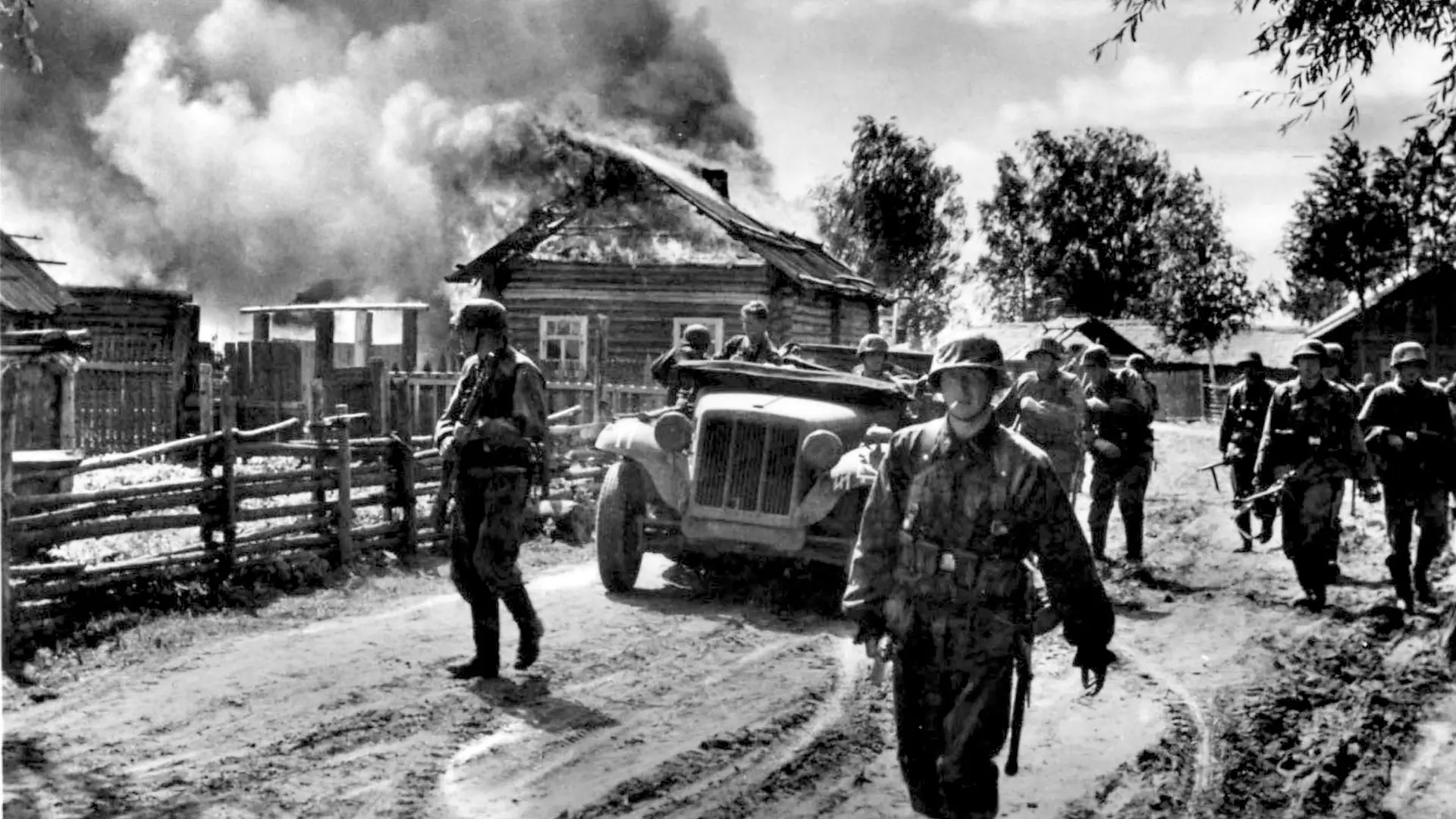
Driven by Adolf Hitler’s obsession with securing "Lebensraum" (living space) in the East and his fanatical hatred of "Judeo-Bolshevism," the invasion sought to systematically dismantle the Soviet state, destroy its military capacity, and enslave or exterminate its population. With over 7,100 artillery pieces opening fire simultaneously, the silence of the Eastern European dawn was shattered, marking the beginning of a conflict that would claim tens of millions of lives and fundamentally reshape the global geopolitical landscape.
Chronology: The First Weeks of the Invasion
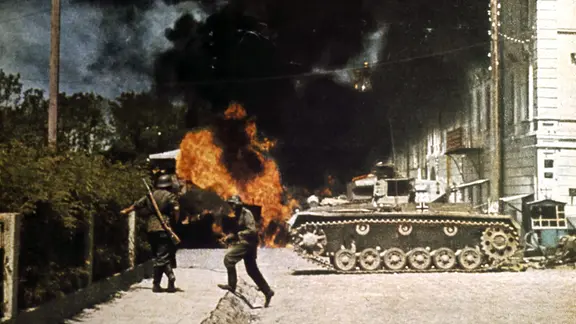
The speed and ferocity of the initial assault were unprecedented. By June 22, 1941, the German forces had crossed the Bug and Prut rivers, aiming to seize strategic infrastructure intact. Sturmpioniere (assault engineers) were tasked with capturing bridges before they could be demolished by Soviet defenders. Notably, the railway bridge at Brest-Litovsk was seized intact, allowing the 18th Panzer Division to rapidly penetrate into the Soviet interior.
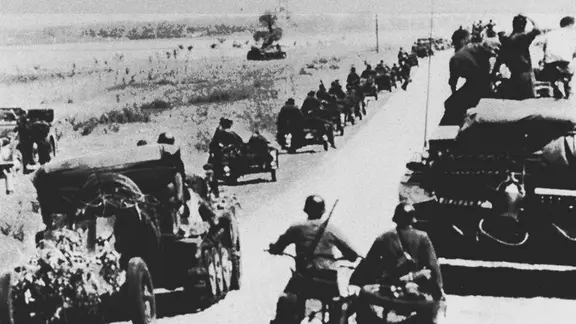
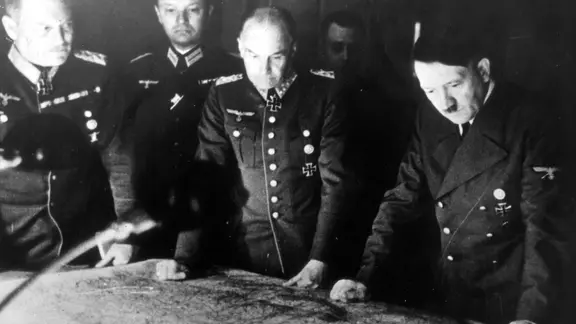
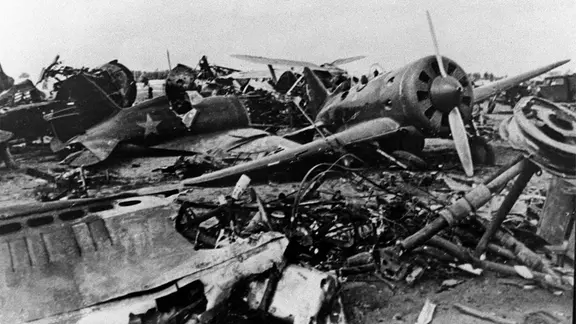
Within the first week, the Wehrmacht had advanced up to 400 kilometers into Soviet territory. The Soviet Air Force, caught largely unawares and clustered on exposed airfields, was decimated in the opening hours of the conflict. By early July, the German high command, led by figures like Generaloberst Franz Halder, was already prematurely declaring the campaign a success, convinced that the "backbone" of the Red Army had been broken.
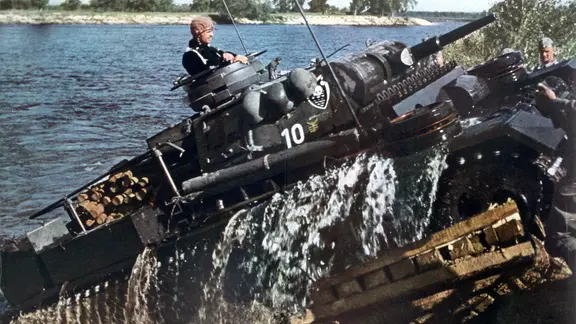
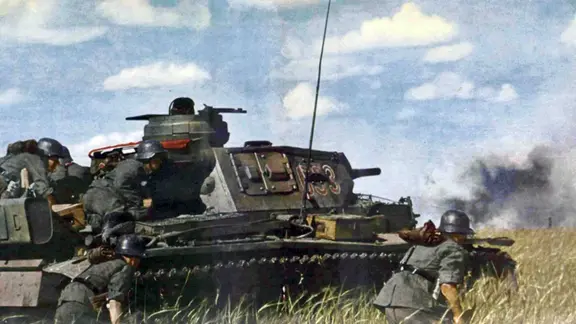
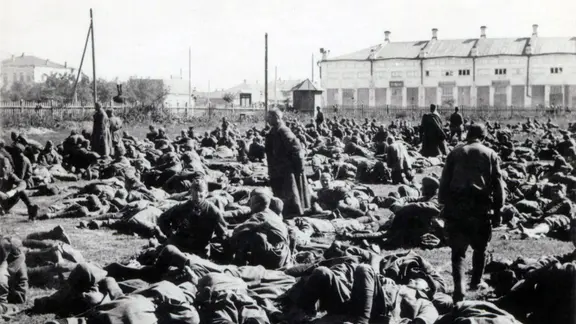
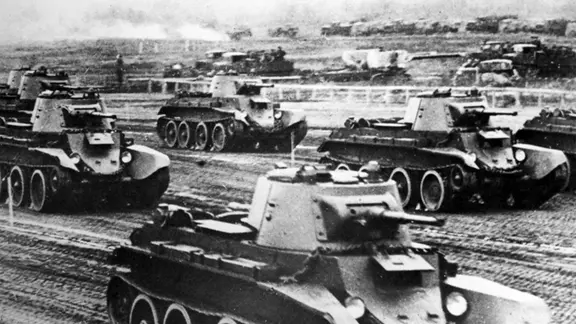
The conflict was defined by massive "Kesselschlachten" (encirclement battles). At Białystok and Minsk, the German Panzer Groups 2 and 3 trapped four Soviet armies, resulting in 325,000 prisoners and the destruction of thousands of tanks. A similar fate awaited Soviet forces at Smolensk, where three more armies were effectively liquidated.
Official Responses and the "Preventive War" Myth
The invasion occurred without a formal declaration of war. It was only at 4:00 a.m.—nearly an hour after the assault began—that the German ambassador to Moscow, Friedrich Werner Graf von der Schulenburg, delivered a note to Soviet Foreign Minister Vyacheslav Molotov. The document claimed that German military action was a "preventive" measure necessitated by the hostile concentration of Soviet troops on the German border.
This narrative of a "preventive war" was central to Nazi propaganda. Hitler, in a speech on October 3, 1941, asserted: "If I see a man aiming a rifle at me, I will not wait until he pulls the trigger." However, historical evidence confirms this was a fabrication. Hitler had been planning the destruction of the Soviet Union since at least July 1940, viewing it as the "Asian dagger" protecting Britain. The Soviet troop concentrations at the border were not preparations for an offensive, but a result of a 1939 military doctrine that emphasized offensive defense—an attempt to keep war off Soviet soil should it be attacked.
Supporting Data: The Paradox of Logistics and Attrition
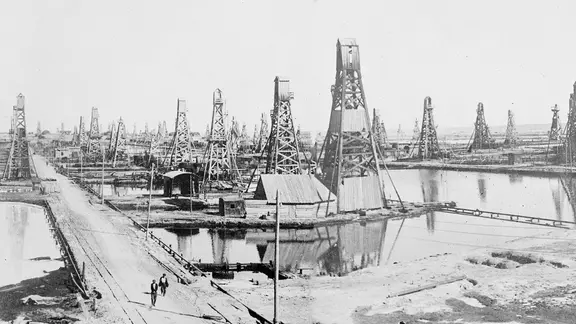
The success of the initial invasion relied heavily on a perverse economic irony: the Soviet Union had been supplying the Third Reich with essential raw materials, including oil, grain, and rubber, right up until the very hour of the invasion. On the morning of June 22, a fully loaded freight train crossed the bridge at Brest-Litovsk into Germany—a final testament to the Soviet Union’s adherence to trade agreements that ultimately fueled their own invaders.
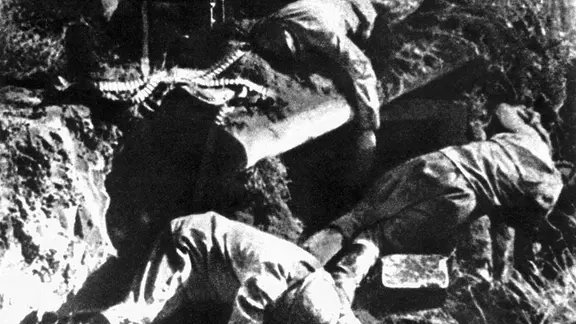
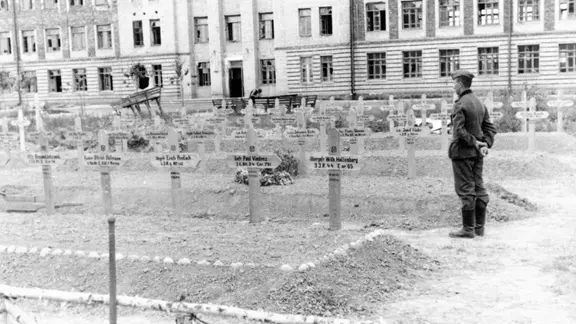
However, the human cost for the Wehrmacht was staggering from the onset. While the Red Army suffered catastrophic losses, the German military was also bleeding. In the first nine days of the campaign, Germany lost nearly 42,000 men. By August, total German casualties had reached approximately 196,000. While the Soviet Union possessed a massive reserve of manpower (194 million compared to Germany’s 80 million), the German leadership had not adequately prepared for a long war of attrition. The 18th Panzer Division, which began the war with 17,500 men, lost over 2,400 soldiers in the first three weeks alone.
Ideological Implications: A War of Annihilation
Operation Barbarossa was fundamentally different from the wars fought in Western Europe. It was a race-based ideological war. The NS-leadership issued "criminal orders," such as the Kommissarbefehl (Commissar Order), which instructed German soldiers to execute captured Soviet political commissars immediately. The objective was the total elimination of the Soviet administrative and intellectual elite.
This was a "war of annihilation" (Vernichtungskrieg). The civilian population was targeted, with the Wehrmacht and specialized SS Einsatzgruppen conducting mass executions. The goal was not merely to conquer, but to "cleanse" the territory for German settlers. The defense of sites like the Brest-Litovsk citadel, where soldiers fought to the death rather than surrender, reflected the realization by Soviet troops that they were facing an enemy that offered no quarter.
Strategic Shifts: The Decision to Pivot
By August 1941, the German high command was divided over the next objective. General Halder and his staff advocated for a direct strike on Moscow, the "nervous center" of the Soviet Union, believing its fall would trigger the total collapse of the Soviet regime.
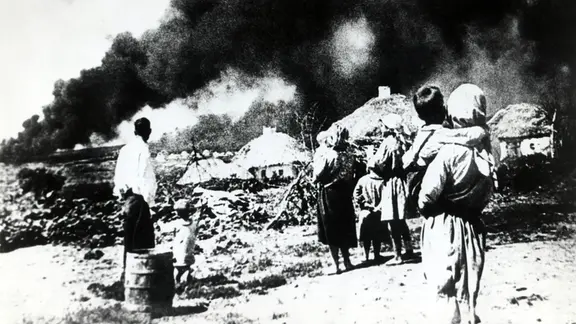
However, Hitler intervened on August 21, 1941, diverting the focus of the army to the south—specifically Ukraine, the Donbass industrial region, and the agricultural breadbasket. This decision led to further tactical successes at Uman and Kiev, where additional hundreds of thousands of Soviet soldiers were taken prisoner. While these victories seemed to validate Hitler’s strategic intuition, they delayed the advance on Moscow, leaving the German army vulnerable to the encroaching Russian winter and the mobilization of deep Soviet reserves.
Conclusion: The Long Road to 1945
The invasion of June 22, 1941, transformed the Second World War into a global struggle of existential proportions. While the initial German successes were breathtaking, they were built on a foundation of logistical fragility and ideological blindness. The "colossus on feet of clay," as Hitler described the Soviet Union, proved far more resilient than the Nazi leadership ever imagined.
The subsequent years of fighting on the Eastern Front would become the bloodiest in history, eventually leading to the total destruction of the Third Reich. Operation Barbarossa remains a sobering case study in the dangers of hubris, the lethal nature of radical ideology, and the devastating consequences of a war that sought not just victory, but the absolute eradication of the "other." The legacy of June 1941 persists as a reminder of the fragility of peace and the horrific capacity of states to mobilize for the total annihilation of human life.