As the streets of Paris and other major French cities turn into theaters of violence and civil disobedience, the epicenter of the crisis has shifted from the political sphere to the trading floors of Europe. With the Euro sliding and bond yields hitting levels unseen in two decades, investors are growing increasingly fearful that France’s deepening internal crisis may threaten the stability of the entire European currency union.
The Core Crisis: A Nation in Ferment
The latest wave of mass protests, which saw an estimated half-million citizens take to the streets over the weekend, has evolved from localized demonstrations into a systemic challenge for the French government. What began as grievances over failing public education infrastructure and the crushing weight of high living costs has metastasized into a broad-based rejection of the current administrative order.
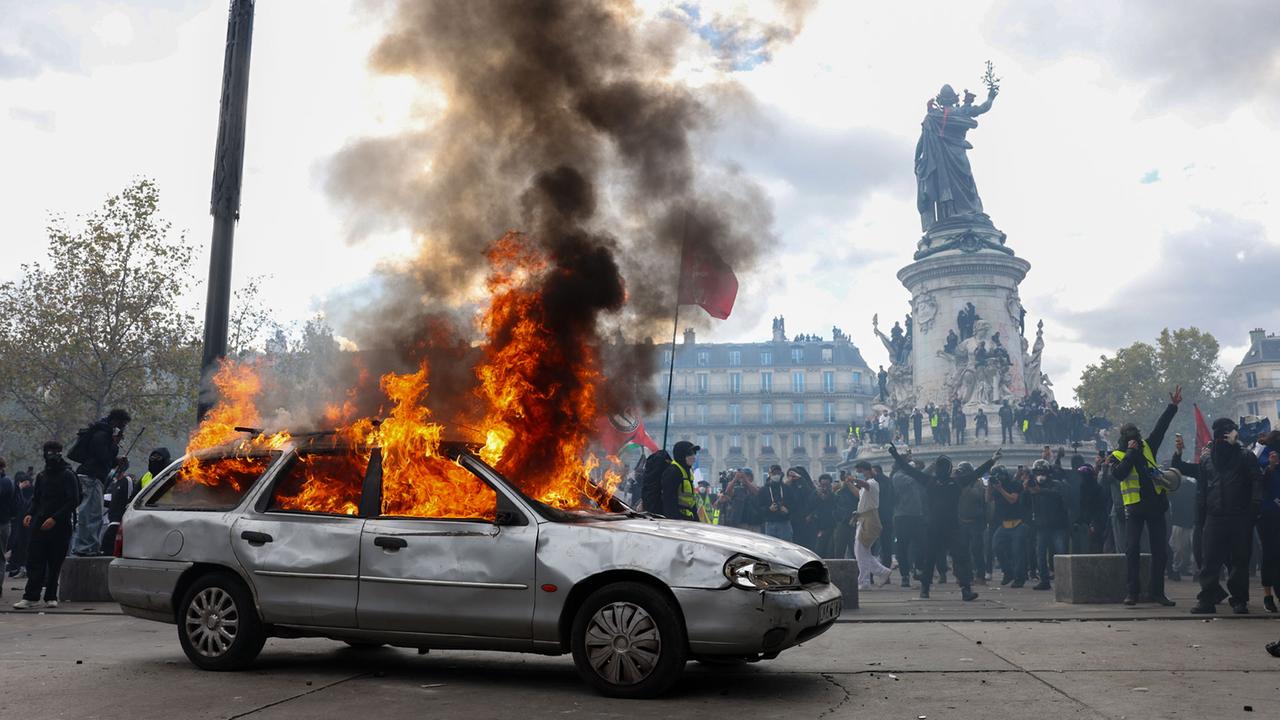
The scenes on the Place de la République and beyond—marked by fire, looting, and violent clashes between protesters and security forces—have shattered the illusion of stability in the Eurozone’s second-largest economy. For global markets, this is no longer just a social issue; it is a balance-sheet crisis. Financial analysts are now pricing in the high probability that the government, currently paralyzed by a lack of parliamentary consensus, will be forced to increase deficit spending to pacify the populace, further ballooning a national debt that is already considered unsustainable by many observers.
Chronology of the Escalation
The recent volatility did not emerge in a vacuum. It is the culmination of a months-long buildup of political friction:
- Mid-2026: Initial localized strikes by teachers and students regarding school budgets gain momentum as inflation erodes the purchasing power of the French middle class.
- Early October 2026: The government under Prime Minister Sébastien Lecornu attempts to introduce a series of austerity measures designed to curb the budget deficit. These measures are met with immediate, widespread rejection.
- October 17-18, 2026: Protests intensify significantly. Organized labor unions join forces with student groups, leading to a turnout of nearly 500,000 demonstrators across the country.
- October 19, 2026: Financial markets react sharply to the weekend’s violence. The Euro falls below the $1.12 threshold, and the yields on ten-year French government bonds (OATs) surge to 4.9 percent, the highest level recorded since 2002.
Supporting Data: The Fiscal Tightrope
The anxiety gripping the bond markets is rooted in cold, hard mathematics. France, historically a pillar of European fiscal reliability, is currently staring into a structural abyss.
The Debt Burden
France’s debt-to-GDP ratio has reached a staggering 120 percent. This figure is double the threshold established by the Maastricht Treaty, which governs the fiscal discipline required of EU member states. While Germany also operates above the theoretical limits, its debt-to-GDP ratio of 66 percent provides a significantly larger cushion against market volatility. Investors view the French trajectory as alarming, particularly because the current government lacks the political capital to implement the structural reforms necessary to bring these figures back into compliance.
Market Reaction: The Yield Trap
The surge in ten-year bond yields to 4.9 percent indicates a massive "risk premium" being demanded by institutional investors. They are no longer buying French debt under the assumption of absolute safety; they are demanding higher returns to compensate for the increasing probability of a default or a sustained fiscal crisis. This rise in borrowing costs creates a "doom loop": as interest payments on the national debt rise, the government has even less room to maneuver in its budget, leading to further social spending cuts, which in turn fuels more protests.
Official Responses and Political Paralysis
The political impasse in Paris is perhaps the most significant factor exacerbating the financial fallout. President Emmanuel Macron, while constitutionally empowered, is functionally constrained. The administration of Prime Minister Sébastien Lecornu governs without a clear majority in the National Assembly, effectively turning the French government into a "lame duck" institution.
Louis-Vincent Gave, a prominent analyst at Gavekal Research, offered a sobering assessment of the situation: "France is currently navigating a perfect storm—a social crisis, an immigration crisis, an energy crisis, an economic crisis, and a budgetary crisis. All of this is happening at a time when the President is in office, but not in power."
With presidential elections looming in six months, the government’s ability to act is further compromised by electoral calculus. Any move to cut spending to satisfy the bond markets will likely ignite more street protests, while any attempt to appease the public with increased spending will be viewed by international lenders as fiscal irresponsibility, further driving up borrowing costs.

Broader Implications: The Euro and the DAX
The instability in France is not staying in France. The Euro’s dip below $1.12 is a direct reflection of the market’s loss of confidence in the cohesion of the Eurozone. Because the Euro is an integrated currency, the fiscal weakness of one major member threatens the stability of the collective.
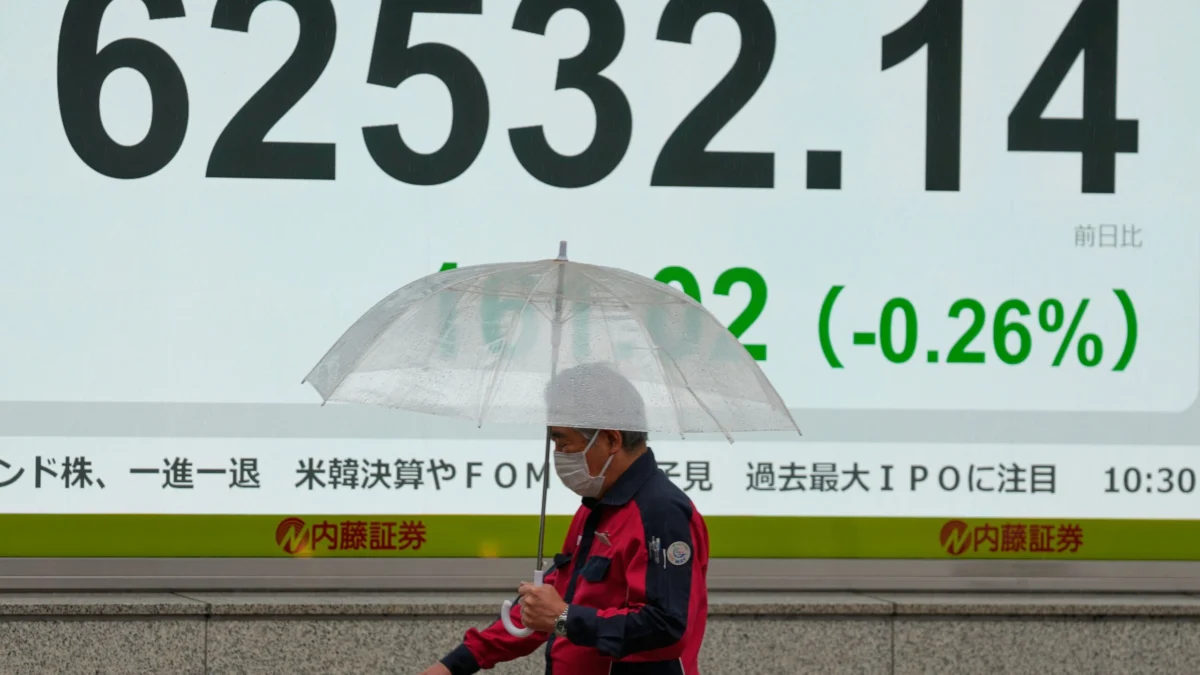
The contagion effect is also clearly visible in the equity markets. The DAX (the German blue-chip index) plummeted 1.3 percent on Monday morning to 25,290 points. This sell-off is driven by a "triple threat":
- The French Crisis: The immediate threat to European financial integration.
- The AI Rally Fatigue: Investors are beginning to question the sustainability of the long-running tech boom.
- Sticky Inflation: Persistent inflationary pressures across the continent are limiting the European Central Bank’s ability to lower interest rates, further squeezing the profit margins of industrial companies.
Conclusion: The Road Ahead
The path forward for France is fraught with danger. The government is essentially trapped between the demands of the international bond market and the desperate needs of its own citizens. If the administration fails to find a legislative pathway to restore fiscal credibility without inciting further violence, the Eurozone could face its most significant test since the sovereign debt crisis of the early 2010s.
For the global investment community, the coming weeks will be a test of resilience. Whether the French government can negotiate a "grand bargain" to soothe social unrest while simultaneously presenting a credible plan for fiscal consolidation remains to be seen. Until then, investors should prepare for continued volatility, as the streets of Paris remain the primary indicator for the health of the European economy.
As the world watches, the question is not just whether France can pay its debts, but whether its social contract can survive the pressures of a changing economic landscape. The current turmoil serves as a stark reminder that political stability is the bedrock of financial markets—and when that bedrock cracks, the entire house begins to shake.