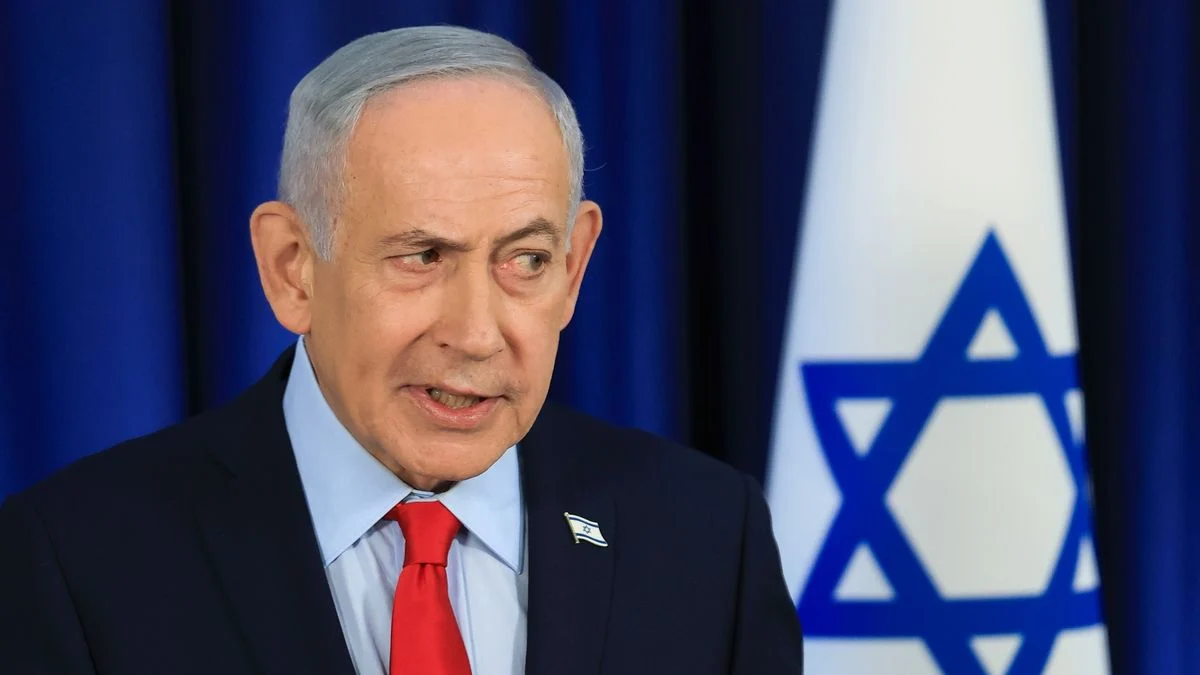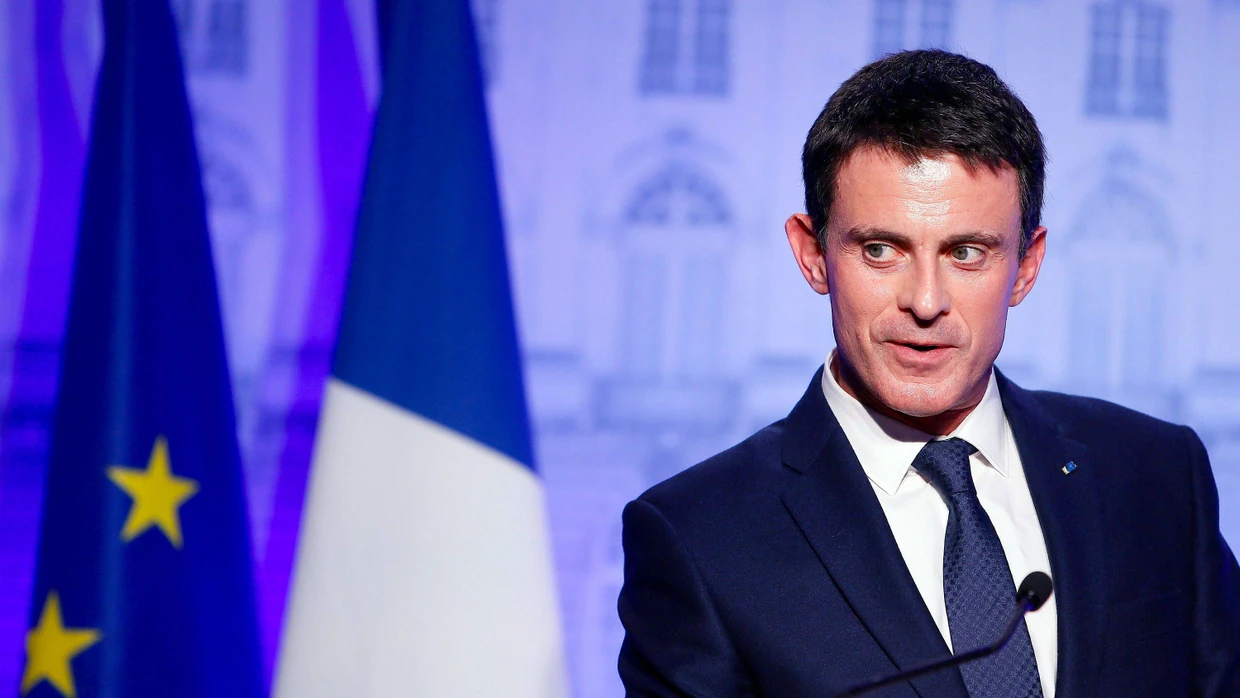
Paris, France – December 5, 2016 – In a political landscape often defined by established elites and predictable trajectories, Manuel Valls, the then-incumbent Prime Minister of France, emerged as a divisive figure in the Socialist Party’s bid for the presidency. His decision to seek the nomination, despite significant internal opposition, underscored a complex political persona: a former radical who had become a symbol of authority, a politician deeply rooted in the working-class suburbs yet often perceived as out of touch by segments of the left. Valls’ candidacy was not merely a personal ambition; it represented a pivotal moment for the French Socialist Party, forcing a reckoning with its identity and its ability to connect with a disillusioned electorate.
The Maverick Prime Minister: A Political Journey
Manuel Valls’ path to the forefront of French politics was far from conventional. Born in Barcelona, Spain, in 1962, Valls emigrated to France with his family at a young age. His early political awakening was marked by a fervent engagement with Trotskyist movements, a stark contrast to the more moderate socialism he would later champion. This radical past, while a source of admiration for some on the left who saw it as authentic, also fueled suspicion and distrust among others who viewed his subsequent embrace of centrist policies as a betrayal.
His political career gained significant momentum in the late 1990s and early 2000s when he served as the mayor of Évry, a large, diverse suburban commune south of Paris. This period in the "banlieues" – the often economically challenged and socially complex outskirts of French cities – was formative. Valls cultivated a reputation as a strong, hands-on leader, grappling with issues of crime, unemployment, and social integration. His experience in Évry provided him with a unique, albeit contested, understanding of the challenges faced by a significant portion of the French population, a demographic often overlooked by mainstream political discourse.
His rise continued with his election to the National Assembly in 2007 and his subsequent appointment as Minister of the Interior in 2012 under President François Hollande. As Interior Minister, Valls adopted a tough stance on law and order, a position that resonated with some voters but alienated many on the progressive wing of the Socialist Party. His pronouncements on immigration, secularism (laïcité), and security often placed him at odds with more liberal factions within his own party, solidifying his image as a hardliner.
In 2014, Valls was appointed Prime Minister, a role he held until his resignation in December 2016 to pursue the Socialist presidential nomination. His premiership was characterized by a series of reforms, including labor law changes, which were met with widespread protests and strikes. These policies, aimed at boosting economic competitiveness, were seen by his critics as overly aligned with the interests of businesses, further eroding his support base within the traditional socialist electorate.
The Presidential Ambition: A Party Divided
Valls’ decision to challenge for the presidency within the Socialist Party was a bold, some would say audacious, move. The Socialist primary of 2016-2017 was already shaping up to be a deeply fractured affair. President Hollande, facing historically low approval ratings, had announced he would not seek re-election, opening the door for a contest among his former ministers and party allies.
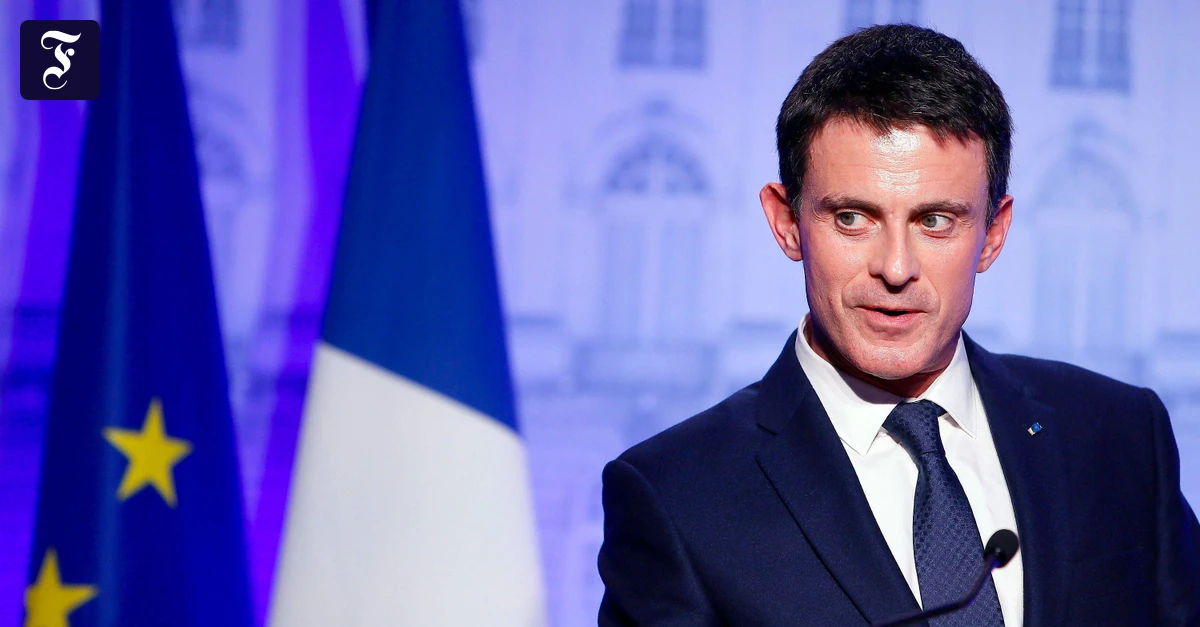
Valls positioned himself as the candidate best equipped to unite the party and offer a credible alternative to the rising tide of populism on both the right and the far-right. He argued that his experience as Prime Minister, coupled with his pragmatic approach to governance, made him the strongest contender to defeat Marine Le Pen of the National Front. He emphasized his commitment to security, economic reform, and a strong, secular France.
However, his candidacy was immediately met with significant resistance. Many within the Socialist Party viewed him as too right-wing, too authoritarian, and too closely associated with Hollande’s unpopular policies. They pointed to his embrace of "economic liberalism" and his perceived willingness to compromise with conservative elements as evidence of his departure from core socialist values. His past statements on immigration and his tough stance on social issues were particularly contentious, leading many to label him a "hated figure" within the party.
The primary campaign was thus a battle for the soul of the Socialist Party. Valls found himself pitted against a more diverse field of candidates, including figures like Arnaud Montebourg, who represented a more traditional, protectionist wing of the party, and Benoît Hamon, who advocated for more radical social and economic policies. Valls’ campaign sought to project an image of strength and determination, often invoking his past as a "breaker of taboos" and a "fighter."
Supporting Data and Political Context
The political climate in France in 2016 was marked by a deep sense of unease and a growing disillusionment with the established political order. Several key factors contributed to this environment:
- Economic Stagnation and Unemployment: France had been struggling with persistent economic challenges, including high unemployment rates, particularly among young people. The government’s reform efforts, including Valls’ labor law changes, had failed to deliver the promised economic revival for many, leading to widespread frustration.
- Security Concerns: A series of high-profile terrorist attacks in France in 2015 and 2016 had heightened security concerns and fueled a public appetite for strong leadership and decisive action. Valls, as Prime Minister, was at the forefront of the government’s response to these threats, and his firm stance on security was a central theme of his campaign.
- Rise of Populism: Across Europe, populist movements were gaining traction, capitalizing on public discontent with globalization, immigration, and traditional political parties. In France, the National Front, led by Marine Le Pen, was experiencing a significant surge in popularity, posing a serious threat to the established parties.
- Internal Socialist Party Divisions: The Socialist Party itself was deeply divided between its more centrist and its more left-wing factions. Hollande’s presidency had exacerbated these divisions, and the primary contest was a clear manifestation of this internal schism.
Valls’ strategy was to appeal to a broader electorate than just the traditional Socialist base. He aimed to attract moderate voters, including some from the center-right, who were wary of the National Front but dissatisfied with the mainstream conservative candidates. His emphasis on security and his willingness to adopt what some considered "tough" policies were designed to appeal to these voters. However, this strategy risked alienating the core Socialist electorate, who felt he had moved too far to the right.
Official Responses and Reactions
The reaction to Valls’ candidacy was predictably polarized.
Supporters: His allies within the Socialist Party and many moderate voters saw him as a pragmatic and experienced leader capable of steering France through challenging times. They highlighted his past achievements as mayor and Prime Minister, emphasizing his decisiveness and his commitment to national security. His supporters argued that his radical youth was a sign of a deep commitment to justice that had evolved into a pragmatic understanding of governance. They believed his "banlieue experience" gave him an authentic connection to the struggles of ordinary citizens.
Critics: Many on the left, including prominent Socialist figures and activists, viewed Valls with deep suspicion. They accused him of abandoning socialist principles and of being too authoritarian. His labor reforms were a particular point of contention, with unions and left-wing organizations vehemently opposing them. His rhetoric on immigration and security was often criticized as xenophobic and divisive. The Socialist Party’s own youth wing, for example, was largely hostile to his candidacy.
The broader political establishment reacted with a mixture of anticipation and concern. For the conservative Republicans, Valls represented a potentially weaker opponent than other Socialist candidates, but his strong law-and-order stance also posed a challenge. For the National Front, Valls was a formidable opponent, but his internal party divisions offered a potential avenue for exploitation.
Implications and Legacy
Manuel Valls’ presidential bid, though ultimately unsuccessful in the primary, had significant implications for the French political landscape and the Socialist Party.
- Exacerbation of Socialist Divisions: Valls’ candidacy deepened the existing rifts within the Socialist Party. His challenge to the party’s more left-wing elements highlighted the fundamental disagreements over economic policy, social values, and the party’s overall direction. This internal conflict ultimately contributed to the party’s dismal performance in the subsequent presidential election.
- The Shifting Political Center: Valls’ attempt to occupy a more centrist position within the Socialist Party reflected a broader trend in European politics, where traditional left-wing parties have struggled to adapt to changing economic and social realities. His appeal to moderate voters and his willingness to embrace policies often associated with the center-right demonstrated a pragmatic, albeit controversial, attempt to redefine the socialist offer.
- The "Banlieue" as a Political Arena: Valls’ background in the working-class suburbs offered a unique perspective on French society. His supporters believed his experience there gave him an authentic understanding of the challenges faced by marginalized communities. However, critics argued that his subsequent political trajectory and policies did not adequately address the root causes of the issues prevalent in these areas.
- A Symbol of Contradiction: Manuel Valls remains a complex and often contradictory figure in French politics. He embodies the tension between radical ideals and pragmatic governance, between a commitment to social justice and a focus on security and order. His presidential campaign, while ultimately falling short, served as a potent reminder of the evolving nature of political ideologies and the challenges faced by established parties in a rapidly changing world. His legacy is one of a politician who, despite his controversial policies and divisive persona, grappled with some of the most pressing issues facing France, forcing a national conversation about identity, security, and the future of the left.