


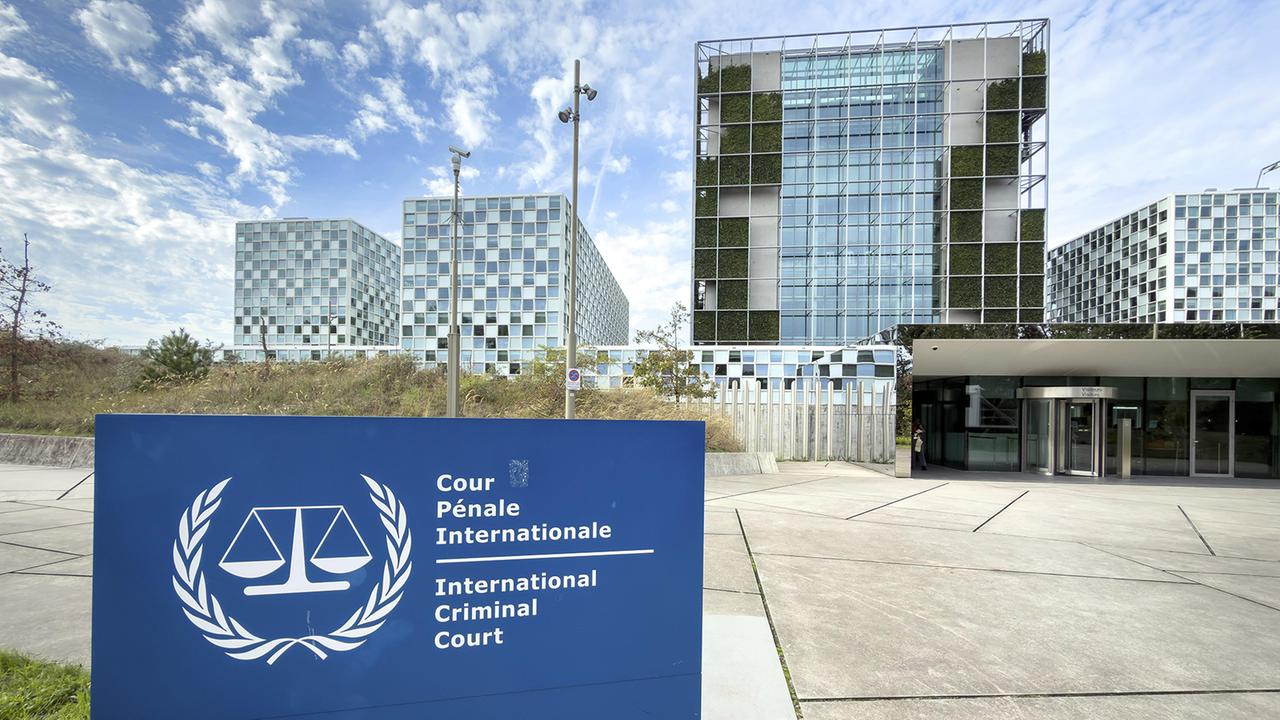
The European Parliament has awarded its prestigious Sakharov Prize for Freedom of Thought to the International Criminal Court (ICC), a significant endorsement of the institution’s vital role in upholding international law and pursuing justice for the gravest of crimes. The decision, announced in Strasbourg, comes at a critical juncture, with the ICC facing unprecedented pressure from certain global powers, most notably the United States under the Trump administration.
The annual award, named after the Soviet dissident and Nobel Peace Prize laureate Andrei Sakharov, recognizes individuals and organizations who defend human rights and fundamental freedoms. This year’s selection of the ICC underscores the European Union’s unwavering commitment to multilateralism and the international legal order, even as these principles are challenged on the global stage.
The formal presentation of the prize will take place during the European Parliament’s plenary session in Strasbourg in December. The ICC, headquartered in The Hague, has been instrumental since its establishment in 2002 in prosecuting individuals for genocide, war crimes, crimes against humanity, and the crime of aggression. The court currently has 125 states parties, representing a broad coalition of nations committed to accountability.
A Beacon of Justice in a Troubled World
The European Parliament’s decision to bestow the Sakharov Prize upon the ICC is a powerful statement of solidarity with an institution that operates at the forefront of international justice. In an era marked by conflict, human rights abuses, and a resurgence of authoritarian tendencies, the ICC stands as a crucial bulwark against impunity. Its work, though often complex and politically charged, is essential for ensuring that perpetrators of the most heinous crimes are held accountable, offering a measure of justice to victims and deterring future atrocities.
EU Parliament President Roberta Metsola eloquently articulated the rationale behind the award, stating, "The European Union is built on respect for multilateralism and international institutions, and this prize recognizes the crucial work of the Court in upholding international law and justice." This statement highlights the EU’s broader vision of a world governed by rules and cooperation, a stark contrast to the unilateralist impulses that have characterized some international relations in recent years.
The ICC’s mandate is to ensure that individuals responsible for mass atrocities do not escape justice, even when national judicial systems are unwilling or unable to prosecute. This principle of complementarity is fundamental to international criminal justice, empowering the court to act when states fail to do so. The award acknowledges the immense challenges faced by the ICC in fulfilling this mandate, often operating in environments of intense political pressure and limited resources.
A Chronology of Escalating Tensions and International Scrutiny
The award to the ICC arrives amidst a period of significant geopolitical turbulence, particularly concerning the court’s recent actions and the subsequent backlash from powerful nations.
February 2025: Initial US Sanctions Emerge
The United States, under the Trump administration, began to exert pressure on the ICC in early 2025. This initial phase saw the imposition of sanctions against ICC staff members. These measures, which included restrictions on email access and credit card usage, were ostensibly in response to preliminary investigations into alleged war crimes committed by US citizens in Afghanistan. This marked a significant escalation in the US stance towards the court, signaling a willingness to employ punitive measures against its personnel.
September 2025: Call for Withdrawal
President Donald Trump escalated his rhetoric further in September 2025, publicly calling on nations to withdraw from the ICC. This appeal aimed to undermine the court’s legitimacy and its foundational principle of universal jurisdiction. The US, along with other major powers such as Russia, China, and Turkey, does not recognize the ICC’s jurisdiction, creating a complex web of international legal challenges.
October 2025: Direct Sanctions Against the Court
In a dramatic move just hours after the announcement of the Nobel Peace Prize for South African jurist Navanethem Pillay, who had served as a judge at the ICC, the US government imposed direct sanctions against the International Criminal Court itself. These sanctions, which were slated to take effect after 180 days, aimed to sever the court’s access to digital and financial transactions, including banking operations and email communications. The timing of this announcement, immediately following the Nobel Prize recognition, was seen by many as a deliberate attempt to overshadow the positive international acclaim for figures associated with international justice.
The Netanyahu Warrant and Its Ramifications
A pivotal moment in the recent history of the ICC’s fraught relationship with certain nations was the issuance of an arrest warrant in 2024 for Israeli Prime Minister Benjamin Netanyahu. The warrant, which alleges war crimes and crimes against humanity in the Gaza Strip, has been a primary catalyst for the intensified US opposition. Israel vehemently denies the charges, and the US government has accused the ICC of acting with political bias. This specific case has brought the ICC’s work under intense global scrutiny, highlighting the delicate balance between pursuing accountability and navigating the complex political realities of international conflicts.
Supporting Data: The ICC’s Mandate and Reach
The International Criminal Court operates under the Rome Statute, its founding treaty, which defines its jurisdiction and core functions. Since its inception, the court has played a critical role in addressing situations where national courts are unable or unwilling to investigate and prosecute perpetrators of the most serious international crimes.
-
Crimes within the Court’s Jurisdiction:
- Genocide
- Crimes against humanity
- War crimes
- The crime of aggression
-
States Parties: As of the latest available data, 125 countries are states parties to the Rome Statute, meaning they have ratified the treaty and accepted the ICC’s jurisdiction. This broad membership reflects a global commitment to the principles of international justice.
-
Situations and Cases: The ICC is currently investigating numerous situations across the globe, examining alleged crimes in countries such as Afghanistan, Ukraine, Venezuela, and Palestine, among others. The court has issued numerous arrest warrants and has conducted trials for individuals accused of horrific atrocities.
-
Challenges: The ICC faces significant operational challenges, including limited financial resources, reliance on the cooperation of states for investigations and enforcement, and the political sensitivities surrounding its cases. The non-membership of key global powers further complicates its ability to achieve universal jurisdiction.
Official Responses: A Chorus of Support and a Firm Rejection of Pressure
The awarding of the Sakharov Prize has elicited strong reactions from various stakeholders, with a clear division emerging between those who champion the ICC and those who seek to undermine its authority.
European Parliament:
EU Parliament President Roberta Metsola reiterated the Parliament’s unwavering support for the ICC. "This prize is a testament to the courage of the men and women who work tirelessly to ensure that justice is served, even in the most challenging circumstances," she stated. The Parliament’s decision is a clear signal that the EU stands firm in its commitment to international law and accountability, viewing the ICC as an indispensable institution for global peace and security.
International Criminal Court:
In response to the award, the ICC expressed its gratitude. Court President Tamako Akane acknowledged the significant pressure the court is currently facing, particularly from US sanctions. She highlighted that the Sakharov Prize reaffirms "the importance of independent judicial bodies" and underscores "the need for continued international cooperation and support so that the Court can fulfill its mandate independently and impartially in the service of justice and victims of the most serious crimes." This statement directly addresses the challenges posed by unilateral actions and emphasizes the crucial role of international solidarity.
United States Government:
The US government has consistently voiced its opposition to the ICC, particularly concerning its investigations into the actions of US personnel. While no direct official statement was immediately available regarding the Sakharov Prize, the US has previously accused the ICC of overreach and political bias, particularly in relation to the arrest warrant for Prime Minister Netanyahu. The US stance remains that it will not cooperate with the ICC and will continue to protect its citizens from what it perceives as unwarranted international scrutiny.
Other International Actors:
Many human rights organizations and legal experts have lauded the European Parliament’s decision, viewing it as a crucial affirmation of the ICC’s vital work. They argue that the award sends a powerful message against impunity and reinforces the importance of international justice mechanisms in a world facing increasing human rights crises. Conversely, nations that do not recognize the ICC’s jurisdiction, such as Russia and China, are unlikely to formally comment on the award but are expected to continue their stance of non-recognition and, in some cases, opposition.
Implications: The Future of International Justice and the Battle for Multilateralism
The awarding of the Sakharov Prize to the International Criminal Court carries profound implications for the future of international justice and the broader landscape of global governance.
Reinforcement of Multilateralism: In an era where international cooperation is increasingly tested, this award serves as a powerful endorsement of multilateral institutions. It signals that despite geopolitical headwinds, there is a strong commitment within significant global blocs, like the European Union, to upholding the principles of international law and collaborative security. The prize acts as a bulwark against the erosion of these norms and reinforces the idea that collective action is essential for addressing global challenges.
Shifting Global Power Dynamics: The US sanctions against the ICC and the subsequent European recognition highlight a growing divergence in approaches to international justice. While the US, under its current administration, has signaled a move towards a more unilateral foreign policy, the EU’s decision demonstrates a commitment to a rules-based international order. This divergence could lead to further fragmentation in global governance, with different blocs adhering to distinct legal and political frameworks.
The Struggle Against Impunity: The ICC’s mission is to combat impunity for the most horrific crimes. By honoring the court, the European Parliament is effectively shining a spotlight on the ongoing struggle to hold perpetrators accountable. This award can bolster the morale of ICC staff and prosecutors and encourage greater cooperation from states that are committed to international justice. It also serves as a reminder to potential perpetrators that their actions may not go unpunished.
The Future of the ICC: The recognition by the European Parliament could serve as a catalyst for increased international support for the ICC, potentially leading to greater financial contributions and enhanced cooperation from member states. However, the ongoing opposition from powerful non-member states remains a significant hurdle. The ICC’s ability to effectively carry out its mandate will continue to depend on the political will of states to uphold international law and support its judicial processes.
The Sakharov Prize for the International Criminal Court is more than just an award; it is a declaration of principles. It signifies a commitment to justice, accountability, and the rule of law in a world that desperately needs them. As the ICC navigates the complex geopolitical currents, this recognition from the European Parliament provides a crucial affirmation of its indispensable role in the pursuit of a more just and equitable global order. The coming years will undoubtedly test the resilience of the ICC and the strength of the international community’s commitment to its ideals.






