


Introduction: A Foundation Shaken
For a brief twenty-four-hour window, the German Federal Intelligence Service (BND) projected an image of competence and strategic clarity. During a high-profile public hearing before the Bundestag’s parliamentary oversight committee, the newly appointed BND Chief, Martin Jäger, delivered a sobering assessment of the global security landscape. He warned that Germany is teetering on the edge of a violent confrontation with Russia, characterizing the current geopolitical climate as a "shadow war" in which the intelligence services serve as the nation’s "first line of defense."
Jäger’s performance was hailed as a masterful display of leadership, suggesting that the BND—often plagued by historical baggage and bureaucratic inertia—was finally finding its footing. However, the narrative of resilience and strength collapsed the following morning. The arrest of a former BND president and a high-ranking veteran staffer has plunged the agency into a profound crisis, raising uncomfortable questions about internal security, the loyalty of the old guard, and the potential erosion of trust among Germany’s most vital international intelligence partners.
The Chronology of Betrayal
The unfolding scandal centers on a twelve-year period of alleged intelligence leakage that threatens to rewrite the history of the BND’s post-Cold War operations.
1998–2005: The Hanning Era
August Hanning served as the President of the BND during this period, establishing himself as a formidable, if controversial, figure within the German security apparatus. He was widely viewed as the embodiment of the professional intelligence officer.
2010–2022: The Years of Leakage
According to the Federal Prosecutor’s Office, the systematic extraction of state secrets began shortly after Hanning left the public service. Prosecutors allege that Manfred D., a former close aide to Hanning and a seasoned BND official with deep access to the agency’s "Management Staff," funneled approximately 2,000 classified documents to his former boss.

March 2024: Retirement and Exposure
Manfred D. officially concluded his career with the BND in March 2024. The transition from active duty to retirement appears to have been the catalyst that ultimately brought the investigation to the surface, as internal auditors and counter-intelligence units began to piece together the suspicious trail left by the veteran official.
October 2026: The Arrests
Following a coordinated operation by the Federal Prosecutor’s Office, August Hanning (80) was arrested at his residence in North Rhine-Westphalia. Simultaneously, authorities apprehended Manfred D. Both men are now in custody, facing grave charges of espionage and the unauthorized disclosure of classified materials.
Anatomy of the Breach: Nearly 2,000 Documents
The scope of the alleged betrayal is staggering. Investigators believe that the documents passed from the BND to Hanning included top-secret "Intelligence Situational Reports." These weekly reports are the lifeblood of the BND’s communication with the German government, providing an assessment of the most critical security developments worldwide.
The security failure raises fundamental questions: How could a mid-to-high-ranking official bypass internal security protocols for over a decade? The BND utilizes rigorous "need-to-know" access controls, yet it appears that Manfred D.’s long-standing position in the leadership office granted him enough systemic trust to bypass these safeguards. The sheer volume of data—nearly 2,000 documents—suggests that this was not an isolated act of negligence, but a deliberate, methodical campaign to harvest sensitive intelligence for external exploitation.
Official Responses and the "Course Correction"
BND President Martin Jäger has been thrust into a defensive position only weeks after taking office. In a statement issued on the day of the arrests, Jäger sought to insulate his current administration from the fallout, declaring: "None of my goals, none of my priorities, are being called into question by this process."
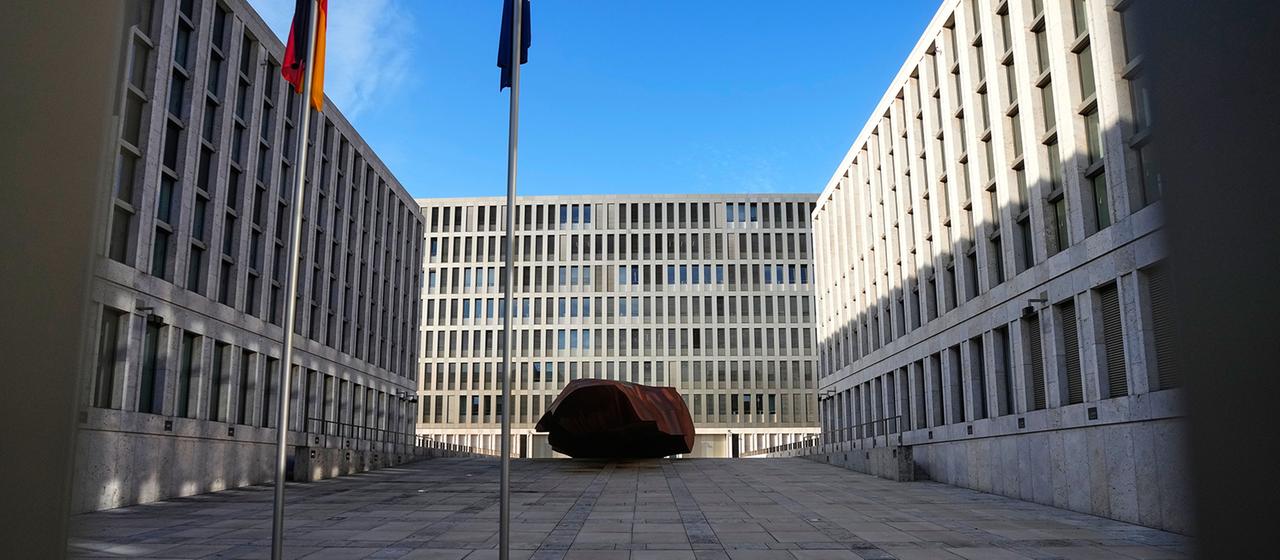
Jäger’s strategy is one of "staying the course." By distancing his current tenure from the actions that occurred between 2010 and 2022, he hopes to preserve the credibility of the agency. However, the political pressure is mounting. The Parliamentary Oversight Committee is expected to demand an exhaustive report on the failures of the agency’s internal security culture. Critics argue that the BND has become a "leaky sieve," and that internal audits failed to catch a pattern of behavior that lasted for twelve years.
Implications: The Erosion of International Trust
The most dangerous consequence of this scandal is not domestic, but international. The BND relies heavily on the "Five Eyes" intelligence alliance and other European partners for information sharing. Intelligence is a currency based entirely on the guarantee of secrecy. If partner nations believe that their intelligence is being funneled to third parties—specifically through the consulting work Hanning allegedly conducted for foreign intelligence agencies like those in Azerbaijan—the BND risks being isolated.
If foreign partners conclude that the BND cannot protect the data it receives, they will inevitably throttle the flow of information. For an agency that describes itself as the "first line of defense" in a "shadow war" against Russia, the loss of real-time, high-level intelligence from allies would be a strategic catastrophe.
A Culture of Impunity?
The investigation into August Hanning has also reignited debates about the "revolving door" between intelligence leadership and private sector consulting. Hanning had already faced scrutiny in the past for his business activities after leaving public office. His arrest reinforces the perception that some former officials view their years of state service as a repository of intellectual property to be sold to the highest bidder.
The case of Manfred D. is perhaps more disturbing to the rank-and-file of the BND. Unlike Hanning, who was a political appointee, D. was a career civil servant. He was viewed as a paragon of loyalty and reliability. His alleged actions represent a "traitor from within" scenario that shatters the esprit de corps that the BND relies upon to maintain its secrecy.

Looking Ahead: Can the BND Recover?
This is not the first time the BND has been embarrassed in recent years. In 2022, another employee was arrested for allegedly selling information to Russian intelligence—a case currently being adjudicated at the Berlin Higher Regional Court. The fact that the agency is now dealing with a second major security breach within four years suggests deep-seated, systemic vulnerabilities.
For Martin Jäger, the path forward is narrow. He must oversee a brutal, transparent purge of security failures while simultaneously maintaining the morale of an agency that is effectively under fire. The German public, already skeptical of the necessity and efficacy of its intelligence services, will be watching closely.
The "shadow war" against Russia may be the official priority of the BND, but the agency is currently fighting a war on two fronts: one against external adversaries, and another against the rot within its own house. The loss of credibility is a slow process, but as the BND has learned this week, the collapse of that credibility can happen in a single, devastating day. Whether the BND can survive this latest scandal as a trusted partner on the global stage remains one of the most pressing questions in German national security.
As the legal proceedings against Hanning and D. begin, the German government will be forced to confront a difficult reality: in the world of intelligence, the most dangerous threat is often the one you have known and trusted for decades.


