Introduction: A Recurring Traffic Nightmare
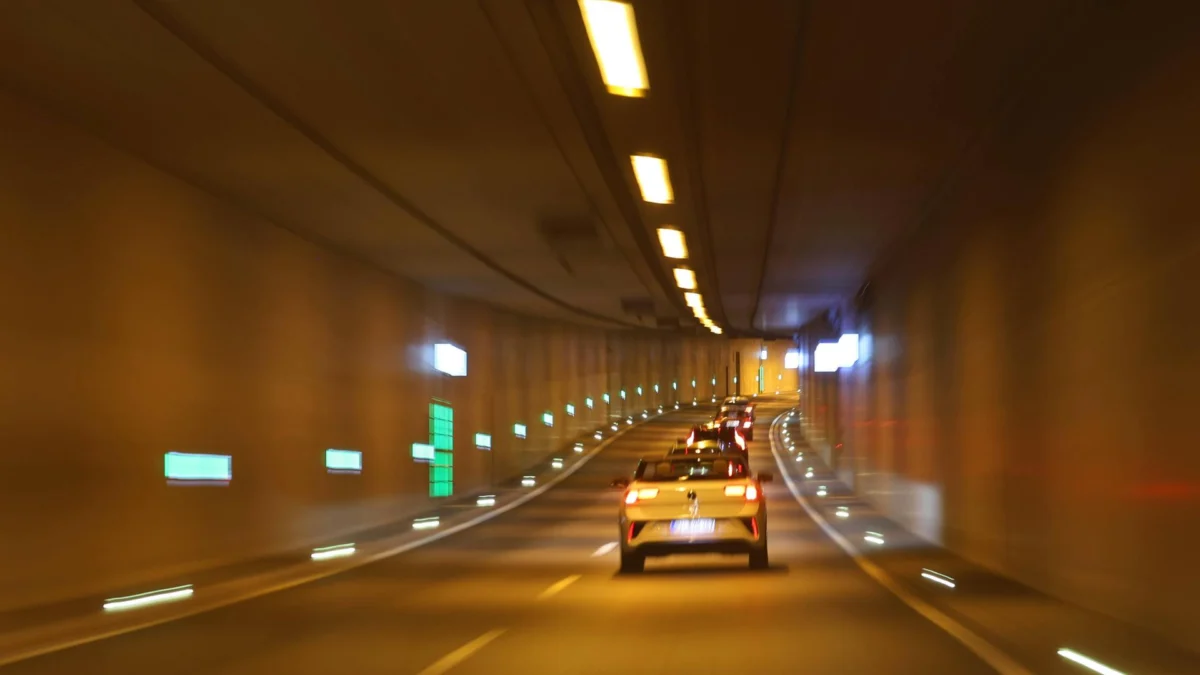
For commuters in the East Hesse region, the A66 motorway—specifically the tunnel segment near Neuhof—has become a symbol of infrastructure fragility. What began as a routine May incident involving an oversized vehicle has evolved into a prolonged saga of maintenance, investigations, and logistical headaches. Authorities have announced yet another closure of the A66 tunnel in the direction of Fulda, scheduled for Thursday evening from 8:00 PM until Friday at 5:00 AM. This latest measure is not for repairs, but for the meticulous preservation of evidence following a catastrophic collision that occurred months ago.
Main Facts: The Scope of the Disruption
The upcoming closure is the latest in a series of interruptions that have frustrated thousands of motorists daily. The directive, issued by the Autobahn GmbH West, mandates a complete shutdown of the tunnel in the direction of Fulda.
Key Details of the Closure:
- Timeframe: Thursday, 8:00 PM to Friday, 5:00 AM.
- Location: A66 Tunnel, Neuhof, heading toward Fulda.
- Primary Reason: Forensic evidence gathering related to a May accident.
- Recommended Diversion: Traffic is advised to exit at the Neuhof-Süd interchange. Motorists must navigate via local roads through Kalbach, Büchenberg, Zillbach, and Döllbach, eventually connecting to the B279 and re-entering the A66 via the Fulda-Süd junction.
The necessity of this closure underscores the gravity of the legal and technical investigations currently underway. While the physical repairs to the tunnel’s infrastructure have largely been addressed, the legal repercussions of the May accident remain a significant hurdle, requiring the tunnel to be treated as an active "crime scene" or evidence site once again.
Chronology of a Tunnel in Turmoil
The recent history of the Neuhof tunnel is a narrative of bad luck and human error, creating a "perfect storm" for transport authorities.
May: The Catastrophic Collision
The sequence of events began in May when a heavy-duty semi-truck, fully loaded with passenger cars, attempted to traverse the tunnel. Despite clear height restriction signage, the driver failed to account for the total height of the loaded trailer. The resulting impact was devastating. The upper structure of the truck shredded critical tunnel safety systems, including a significant portion of the surveillance cameras and nearly the entire loudspeaker network.
The Immediate Aftermath
Following the crash, the tunnel was closed for emergency repairs. This was an arduous task, as modern tunnel safety relies on an interconnected grid of sensors, cameras, and audio equipment to detect fires or accidents in real-time. The destruction of this sensory nervous system rendered the tunnel unsafe for public use, necessitating a total closure for over 24 hours while teams worked around the clock to restore basic functionality.
The Preceding Brand: A Double Blow
The May accident was particularly painful for the region because the tunnel had only just returned to normal operations. Only days prior to the truck collision, the tunnel had been the site of a vehicle fire. The intense heat from that blaze had damaged the asphalt and the underlying structural integrity of the roadway. Consequently, road crews had just completed extensive surface repairs when the truck incident occurred, compounding the traffic misery for the residents of East Hesse.
Supporting Data: Infrastructure and Safety Risks
Modern tunnels like the one at Neuhof are among the most technologically advanced segments of the German autobahn network. When a vehicle causes "anfahrschaden" (impact damage), it is not merely a matter of repairing a wall; it is a matter of restoring life-saving communication and monitoring tools.

Infrastructure Dependencies:
- Surveillance (CCTV): These cameras provide the traffic control center with eyes on the ground, allowing for immediate emergency dispatch.
- Audio Systems: In the event of a fire or a breakdown, loudspeakers are the only way to communicate evacuation orders to motorists trapped in the tunnel.
- Sensory Grid: Automated systems that detect smoke, gas concentrations, and traffic flow disruptions are often integrated into the ceiling—the very area damaged by the oversized truck.
The fact that the authorities are conducting a renewed forensic analysis months later suggests that the financial and legal claims regarding the repair costs are substantial. The Autobahn GmbH is likely building a comprehensive case against the transport company responsible, necessitating high-resolution documentation of the damage sustained by the specific technical components.
Official Responses and Strategic Implications
The Autobahn GmbH West has been under immense pressure to minimize downtime while ensuring legal rigor. Their communication strategy emphasizes that while these closures are inconvenient, they are non-negotiable from a regulatory standpoint.
The Legal Dimension
When a vehicle causes significant damage to public infrastructure, the recovery of costs is a complex legal process. The evidence gathered during this Thursday’s closure will be used to determine the exact extent of the negligence and the subsequent liability of the trucking firm. Given the specialized nature of tunnel equipment, the damages are likely in the hundreds of thousands of euros.
Regional Economic Impact
The recurring nature of these closures has sparked debate among local politicians and business leaders in the Fulda district. The A66 is a critical artery for logistics and commuting. Every time the tunnel closes, the local secondary roads—which are not designed for high-volume, heavy-vehicle traffic—become congested. This leads to:
- Increased wear and tear on municipal roads.
- Delayed logistics for local manufacturing and retail businesses.
- Increased fuel consumption and carbon emissions due to long detours.
Implications for Future Tunnel Safety
This saga highlights the ongoing struggle to prevent oversized vehicles from entering tunnels. Across Germany, "intelligent" height monitoring systems are being tested, which utilize lasers to trigger early warnings before a vehicle reaches the tunnel entrance. However, these systems are not foolproof, and human error remains the primary variable.
As the authorities conclude their forensic work, the hope is that this will be the final closure related to the May incident. However, the event serves as a stark reminder of how vulnerable critical infrastructure is to a single lapse in judgment. The "Neuhof case" will likely be studied by transport planners as a prime example of the need for robust automated enforcement and perhaps stricter penalties for drivers who ignore height clearance warnings.
Conclusion: A Lesson in Resilience
As motorists prepare for the detour this Thursday, they are participating in the final act of a long, bureaucratic, and technical cleanup. While the inconvenience is palpable, the process is essential to ensure that those who cause damage to public assets are held accountable, and that the tunnel remains a safe conduit for the thousands of travelers who rely on it daily. For now, the people of East Hesse must once again exercise patience, navigate the rural detours, and hope that the "tunnel of trouble" finally enters a period of quiet, safe operation.