By Editorial Staff, Leipzig News Bureau
Last Updated: July 5, 2026, 18:30
The city of Leipzig has recently emerged from a period of severe infrastructure strain that saw the paralysis of its iconic tram network. As temperatures soared toward the 40-degree Celsius mark, the heat began to take a physical toll on the city’s transit arteries, leading to a breakdown that stranded commuters and forced a days-long suspension of service. In an unprecedented move to show gratitude for the patience of their passengers and the vital assistance of hundreds of volunteers, the Leipziger Verkehrsbetriebe (LVB) have announced a "two-for-one" ticket initiative to help restore normalcy and public goodwill.
The Infrastructure Crisis: When Asphalt Meets Heat
The core of the issue lies in the materials used to maintain the tram tracks. In urban environments, tracks are often embedded in a specialized, resilient filler material—a type of bitumen-based joint compound—designed to absorb vibration and provide a smooth surface for road traffic. However, this material is not invincible.
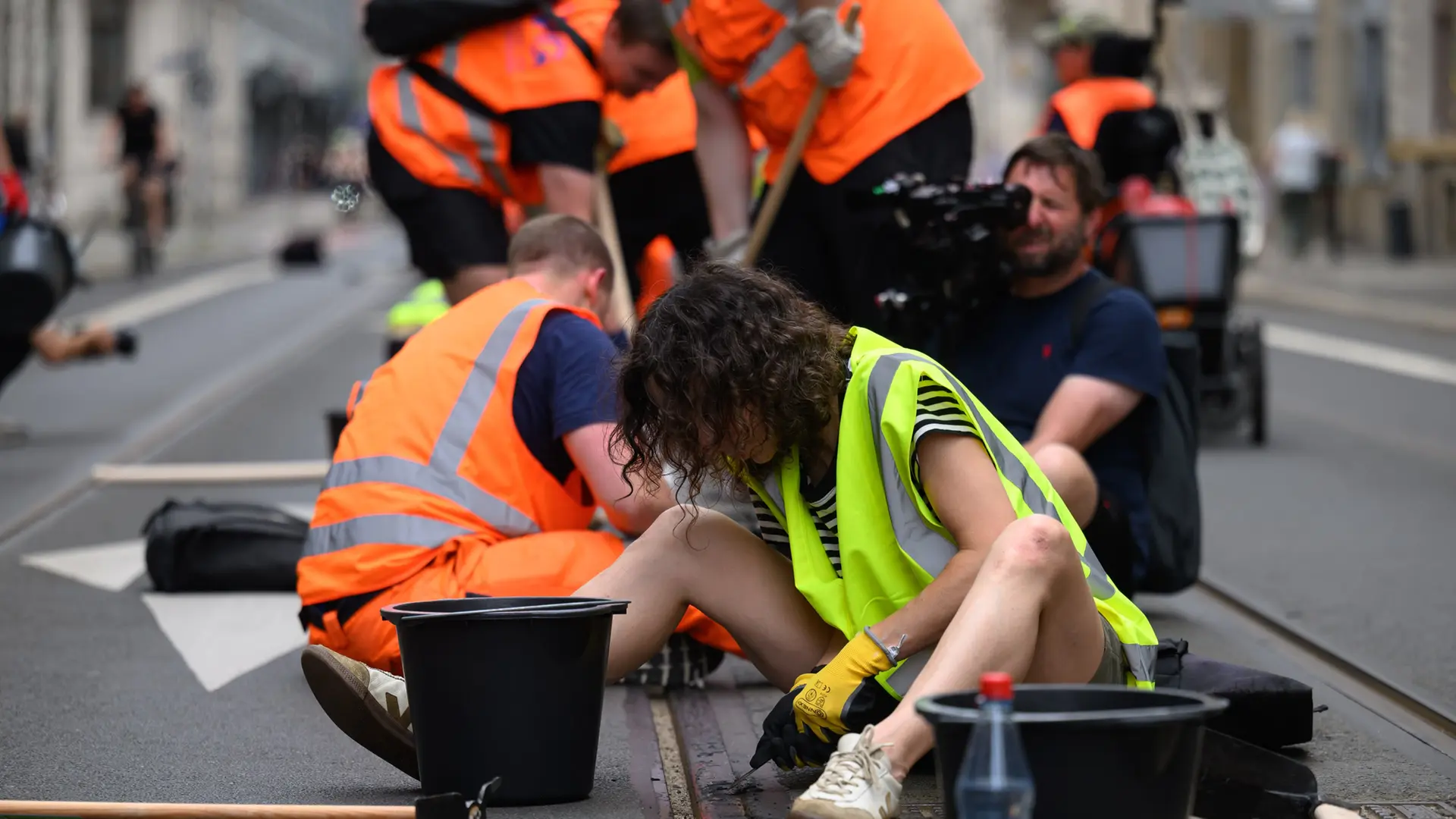
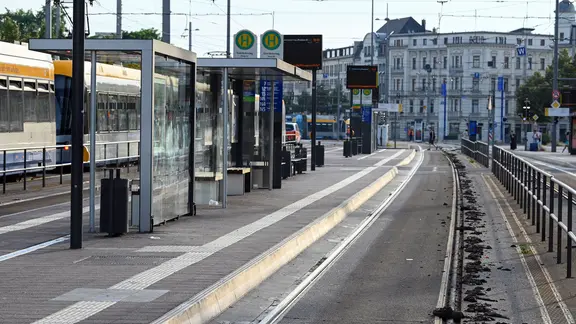
According to technical reports released by the LVB, the extreme, sustained heat caused this joint filler to soften and lose its structural integrity. As the heavy tram cars traversed these segments, the softened compound was displaced by the mechanical pressure of the wheels. The compound was squeezed out of its designated gaps and onto the rails and switches. As the ambient temperature fluctuated, this displaced mass hardened again, creating a stubborn, glue-like obstruction that prevented the trams from passing safely and, in several instances, caused mechanical damage to the rolling stock.
Chronology of the Disruption
The crisis did not happen overnight; it was a cumulative failure that began as the heatwave hit its peak intensity.
- Initial Signs of Stress: As temperatures climbed into the high 30s, maintenance crews noticed an increase in track-related alerts. The heat began to affect the expansion joints, with initial minor displacements reported in the city center.
- The Breakdown: By the third day of the heatwave, the situation reached a critical threshold. The softened filler was being pushed onto the rail heads across multiple key transit corridors. The LVB was forced to issue an emergency suspension of service for safety reasons, as the risk of derailment and damage to the tram undercarriages became too high.
- Community Intervention: As the transit network sputtered, a call for help was answered by hundreds of local citizens. These volunteers, working alongside professional maintenance crews, manually removed the solidified debris from the tracks in a massive, coordinated effort to clear the path for the transit fleet.
- Restoration Phase: Once the debris was cleared and the tracks were inspected for structural damage, the LVB gradually began the process of re-energizing the lines. By the end of the week, service was largely restored across all city districts.
The "Two-for-One" Initiative
Recognizing the significant disruption this caused to the daily lives of residents, the LVB board of directors authorized a special promotion. Starting in the coming week, all ticket-holding passengers—including those with monthly subscriptions, the Germany-wide Deutschlandticket, and students using semester tickets—will be permitted to bring one additional person with them at no extra charge.
"This is not merely a promotional campaign; it is a sincere gesture of thanks," an LVB spokesperson noted. "The solidarity shown by our passengers, who endured heat and travel delays, and the volunteers who stood by us in the heat to clear our tracks, was nothing short of inspiring. We hope this gesture encourages our ridership to rediscover the city and enjoy the tram network once more."
Technical Challenges and Long-Term Implications
The incident has sparked a wider debate about urban planning in an era of accelerating climate change. While the track maintenance protocols used by the LVB have been standard for years, the intensity and frequency of current heatwaves are testing the limits of traditional materials.

The Science of Thermal Expansion
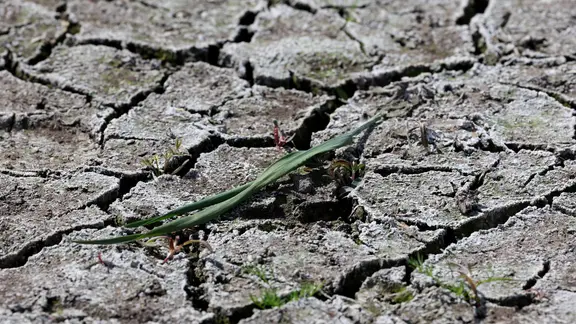
Urban infrastructure is designed with "thermal expansion" in mind. Bridges have gaps, and rails are laid with specific tolerances. However, when temperatures exceed the design specifications of materials like joint filler, the physical properties of those materials shift from solid to semi-liquid. The "glueing" effect experienced in Leipzig is a known, yet rare, phenomenon.
Engineers are now tasked with evaluating whether a more heat-resistant polymer or a different structural design is required for the city’s tram-track infrastructure. This may involve a long-term capital expenditure project to replace the aging filler materials in high-risk zones with more thermally stable compounds.
The Human Element: The Role of Volunteerism
The intervention of the volunteers during the crisis highlights a strong sense of civic duty in Leipzig. While public transit is a state-managed utility, the quick mobilization of residents to help keep the city moving demonstrates a profound level of social cohesion. The LVB has acknowledged that without the rapid clearing of the tracks, the restoration of the service might have taken days longer, potentially causing even greater economic impact to the city’s businesses.
Official Responses and Future Policy
The municipal government of Leipzig has lauded the cooperation between the transit authority and the public. Mayor and urban planning officials are expected to meet with the LVB in the coming months to review the city’s "Climate Adaptation Strategy for Transportation."
The focus of these discussions will likely center on:
- Material Upgrades: Investigating the feasibility of heat-shielding or heat-resistant materials for rail infrastructure.
- Early Warning Systems: Implementing real-time sensor technology that monitors the temperature and structural integrity of rail joints, allowing for preemptive maintenance before a total system failure occurs.
- Communication Protocols: Refining how the city informs its citizens during crises, building on the success of the recent, albeit forced, collaboration.
Economic and Social Impact
The economic cost of the three-day shutdown is still being calculated. Retailers in the city center reported a significant dip in foot traffic during the period when the trams were stationary. For a city like Leipzig, which relies heavily on a robust, interconnected public transit system to fuel its service and retail sectors, the impact was immediate.
However, the rapid restoration of the system has mitigated long-term concerns. The "two-for-one" offer is also viewed as an economic stimulus measure, designed to draw people back into the city center and encourage the use of public transport over private vehicles during the remaining summer weeks.
Conclusion: Lessons from the Heat
The events of the past week in Leipzig serve as a microcosm for the challenges facing cities worldwide. As global temperatures rise, infrastructure—often built decades ago based on historical climate data—must now be re-evaluated. The failure in Leipzig was a technical one, but the response was deeply human.
By prioritizing transparency, acknowledging the sacrifice of the citizenry, and offering a tangible gesture of gratitude, the LVB has managed to turn a potential PR disaster into a moment of community bonding. As the city moves forward, the focus will remain on fortifying the physical network against the unpredictability of the climate, ensuring that no matter how hot the summer gets, the trams in Leipzig will continue to roll.
Summary of Key Data Points:
- Infrastructure Affected: Tram track joint filler (bitumen-based).
- Primary Cause: Ambient temperatures reaching 40°C, causing material liquefaction and subsequent hardening on rail surfaces.
- Response: Emergency suspension of service followed by manual track clearance by volunteers and maintenance crews.
- Corrective Action: Full resumption of services, including the re-opening of the Line 2.
- Gratitude Initiative: "Two-for-one" ticket scheme for all valid pass holders for the upcoming week.
- Future Planning: Potential audit of infrastructure materials to withstand higher thermal thresholds.