Main Facts: A Challenging Diagnosis for the Pontiff
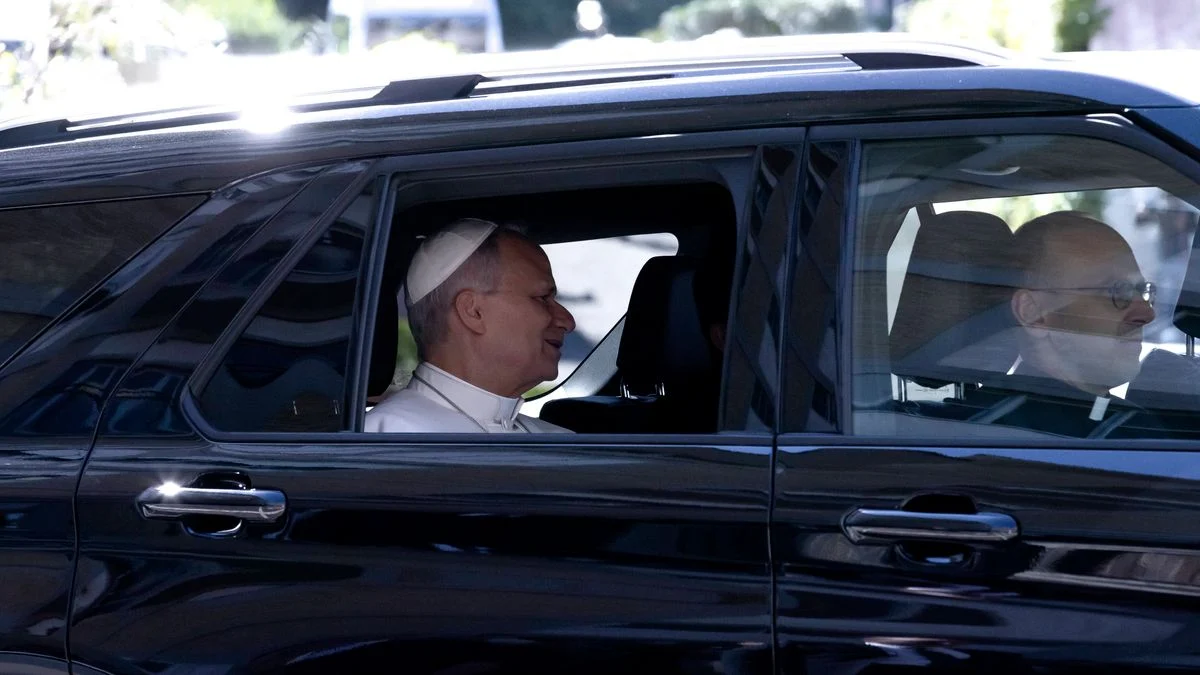
The Vatican and the medical team at Rome’s Gemelli Hospital have confirmed that Pope Leo XIV, the current head of the Catholic Church, is recovering following a major surgical intervention to address a lung cancer diagnosis. The medical report, released on Tuesday evening, stated that the 87-year-old Pontiff underwent a procedure to remove the lower lobe of his right lung after routine screenings identified a suspicious pulmonary nodule.
Pathological analysis performed immediately following the surgery confirmed the presence of a lung adenocarcinoma. While the procedure—described by the surgical team as a technical success—was completed without intraoperative complications, the diagnosis marks a significant turning point in the health of the American-born Pope.
Pope Leo XIV, who had publicly disclosed the discovery of the nodule only this past Sunday, remained in the hospital’s dedicated papal suite on the tenth floor of the Gemelli clinic as of Wednesday. He is expected to remain under close observation for approximately one week, with medical staff evaluating the necessity of follow-up oncological therapies, which will depend on whether residual malignant cells remain in his system.
The Chronology of the Intervention
The sequence of events leading to the current medical situation reflects a modern, transparent approach to the health of the leader of the Catholic Church.
- Routine Screening (Pre-Sunday): During a standard check-up, physicians identified a nodule in the right lung.
- Public Disclosure (Sunday): In a move contrasting with the traditional Vatican penchant for secrecy, the Pope chose to share his diagnosis with the global public, preparing the faithful for the upcoming procedure.
- The Procedure (Tuesday): The surgery lasted approximately three hours. Surgeons utilized "video-assisted thoracic surgery" (VATS), a minimally invasive technique that allows for the removal of tissue through small incisions using a miniature camera and specialized instruments, rather than opening the entire thoracic cavity.
- Post-Operative Phase (Tuesday Night): The Pope regained consciousness successfully and was transferred back to the papal medical wing.
- Recovery Outlook (Current/Ongoing): A week-long inpatient recovery period is currently planned, with all public audiences and diplomatic engagements—including a scheduled meeting with Saarland Minister-President Anke Rehlinger—canceled through the middle of next week.
Supporting Data: A History of Health and Familial Precedence
The medical journey of Pope Leo XIV is being viewed through the lens of both his personal health and a documented family history of oncological issues. Medical experts note that lung adenocarcinoma requires a highly individualized treatment plan. The decision to remove the lower lobe of the lung is a standard approach to localized non-small cell lung cancer, intended to clear the primary tumor site.
Public records and reporting from major US outlets, including CBS News, highlight that the Pope’s family history is heavily impacted by cancer. His mother, Mildred, succumbed to complications following a cancer diagnosis and subsequent chemotherapy at age 78. His father, Louis Prevost, passed away at 77, suffering from both cardiac issues and colon cancer. Furthermore, the Pope’s brother, Louis Prevost Jr., who resides in Florida, is currently battling multiple myeloma—a cancer of the plasma cells. This familial predisposition has prompted global experts to emphasize the importance of the Vatican’s move toward regular, proactive health monitoring for the Pontiff.
The Gemelli Hospital has served as the primary medical facility for the Papacy for decades, famously treating Pope John Paul II and the current Pope’s immediate predecessor, Pope Francis. Its specialized infrastructure allows for the high-level security and medical care required to manage a head of state while maintaining the dignity of the office.
Official Responses: A Global Outpouring of Support
The news of the diagnosis triggered an immediate wave of well-wishes from heads of state and religious leaders across the political and sectarian spectrum.
Germany’s Response
German Federal President Frank-Walter Steinmeier expressed his profound concern and solidarity. In a statement to the Catholic News Agency (KNA), Steinmeier remarked, "The voice of the Pope on the current questions and challenges of our time is of special importance and value for many people worldwide, including in Germany, far beyond denominational boundaries." Steinmeier highlighted his own personal meeting with the Pope in September 2025 as a cherished memory.
Ecclesiastical Leadership
The German Bishops’ Conference, led by Bishop Heiner Wilmer, utilized social media to call for collective prayer. "We wish the Holy Father now, above all, rest and strength for his recovery. In the coming days, we will hold him especially in our prayers," the statement read.
International Diplomacy
From the United States, Secretary of State Marco Rubio took to the platform X (formerly Twitter) to offer a public prayer: "May the Lord give him strength and the Holy Spirit guide the medical professionals who are caring for the Holy Father."
Peruvian President Keiko Fujimori echoed these sentiments, emphasizing the Pope’s unique connection to her country. Having served as a missionary and bishop in Peru for many years, the Pope holds Peruvian citizenship, making the local response particularly personal. "Peru asks God to watch over the Pope, to give him strength and to allow us to see him healthy again soon," Fujimori stated. Italian Prime Minister Giorgia Meloni and Austrian President Alexander Van der Bellen also reportedly sent official messages of support, underscoring the Pope’s influence in European and global diplomatic circles.
Implications: Uncertainty and the Path Forward
The immediate implication of this surgery is the temporary suspension of the Vatican’s diplomatic calendar. Beyond the cancellation of current audiences, the long-term schedule is now shrouded in uncertainty.
The November Travel Itinerary
Perhaps the most significant logistical hurdle is the planned two-week apostolic journey to South America in November, which includes stops in Uruguay, Argentina, and Peru. Given the recovery time required after thoracic surgery and the potential for adjuvant chemotherapy or radiotherapy, observers within the Vatican suggest that the trip may need to be postponed or significantly curtailed.
A Shift in Vatican Culture
The decision to be transparent about the diagnosis represents a departure from the historical norms of the Holy See. For centuries, the health of a Pope was a matter of state, often shielded from public scrutiny until it became unavoidable. By choosing to share his diagnosis, Pope Leo XIV has signaled a new era of openness. This transparency has allowed for a global communal response, shifting the focus from speculation to a shared experience of vulnerability and prayer.
The Question of Future Care
The primary challenge for the Vatican’s medical team in the coming weeks will be the assessment of systemic risk. While the removal of the tumor is a definitive step, adenocarcinoma requires rigorous follow-up. The medical staff must balance the Pope’s desire to return to his duties with the necessity of a recovery process that could take months.
As the faithful gather in Rome and around the world, the focus remains on the "video-assisted" procedure—a symbol of the intersection of modern medical science and ancient spiritual leadership. The coming weeks will determine not only the health trajectory of an individual but also the operational rhythm of the Catholic Church as it navigates a period of profound transition and uncertainty.
The Pope’s recovery remains the primary concern for the Curia and the global Catholic community, with the world watching closely for any updates on his progress from the Gemelli clinic. For now, the message from the Vatican is one of cautious optimism, grounded in the successful completion of the surgery and the overwhelming support from the international community.