Introduction: The Mood Crisis
The German economy is currently navigating a period of profound uncertainty. Despite possessing robust industrial foundations, world-class engineering capabilities, and a highly skilled workforce, the nation is struggling with a persistent "mood crisis." For years, a palpable sense of stagnation has gripped the country, creating a barrier to the inward investment necessary to drive the next wave of economic expansion.
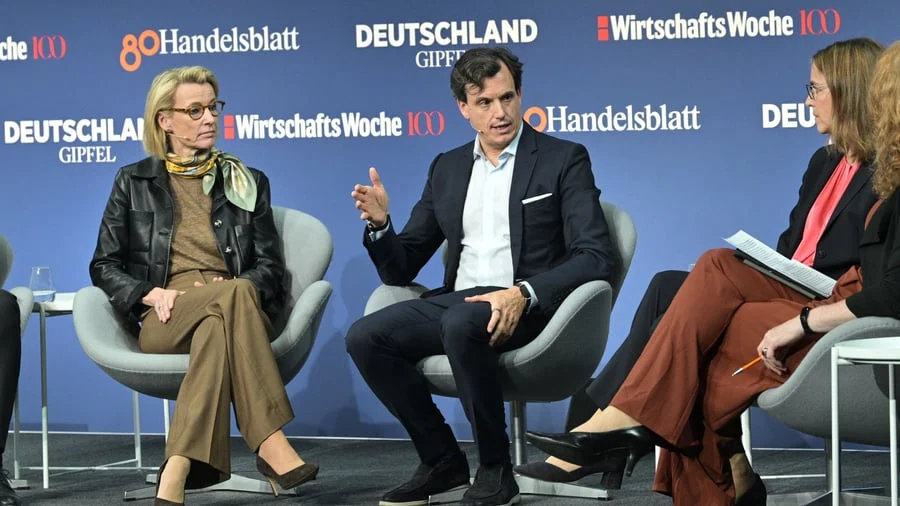
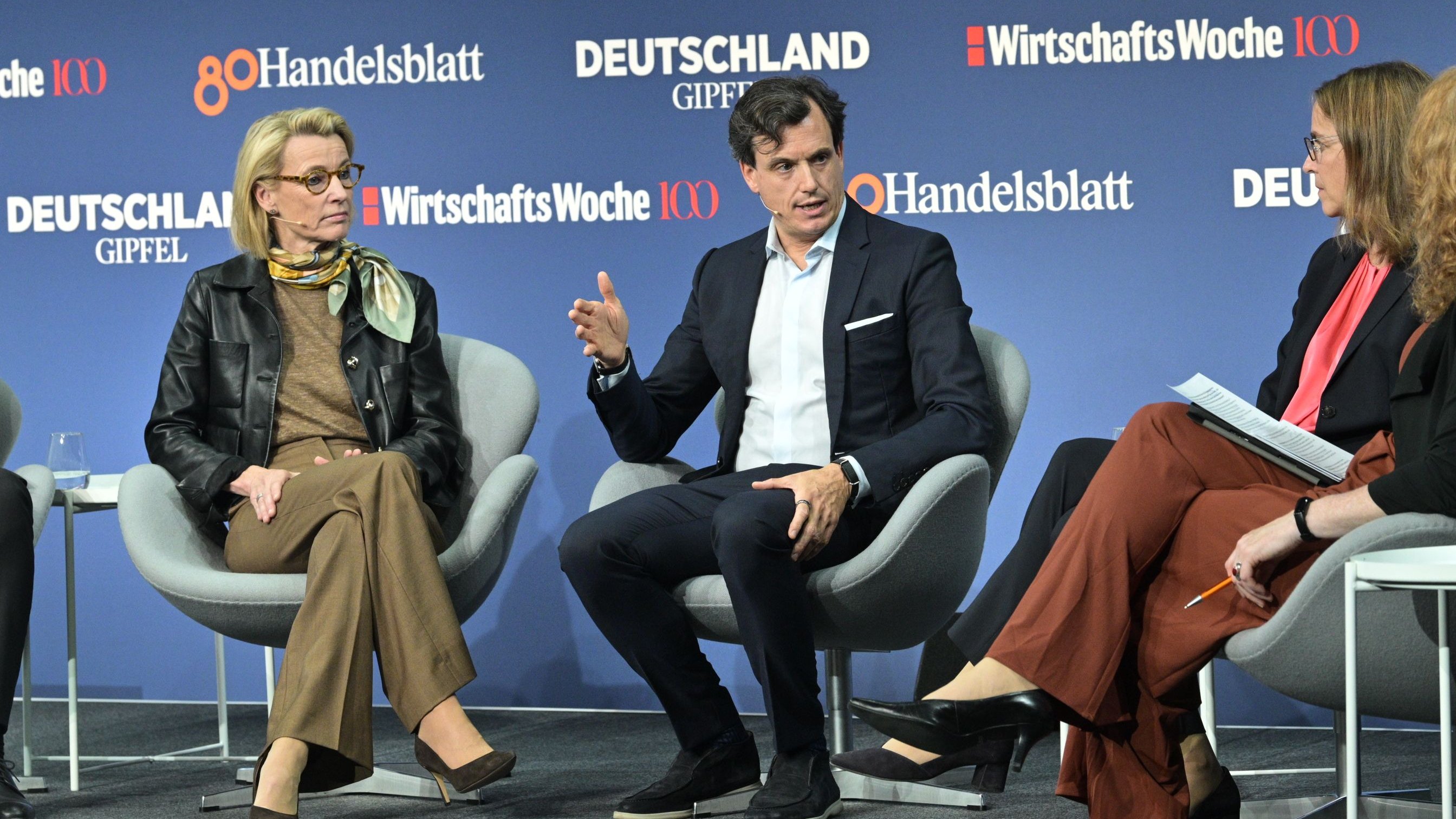
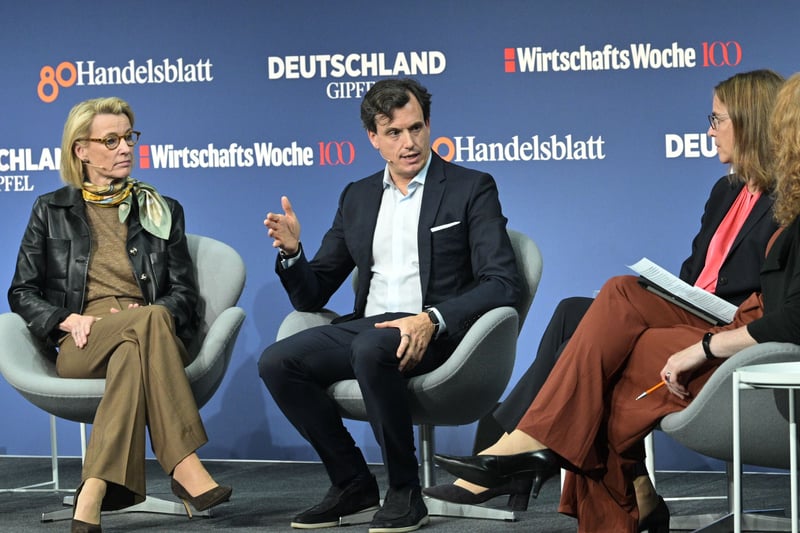
At the recent "Deutschland-Gipfel," hosted by the Handelsblatt and Wirtschaftswoche, economic experts and high-level investors converged to address this fundamental problem. The consensus was clear: the lack of investment is not solely a result of structural economic failure, but rather a crisis of confidence. As Germany prepares for critical government-led investment summits, it finds itself looking westward toward France, where President Emmanuel Macron’s "Choose France" initiative has set a new benchmark for attracting international capital through proactive sentiment management and aggressive promotion.
1. Main Facts: The Divergence in Attractiveness
The core of the issue lies in the perception of the investment climate. While Germany remains the largest economy in Europe, it is increasingly viewed by global capital allocators as a difficult market due to bureaucratic hurdles, high energy costs, and an unpredictable regulatory environment.
Philipp Freise, Co-Head of European Private Equity at the global investment giant KKR, articulated the frustration shared by many international players. According to Freise, Germany is not lacking in "economic substance"—the companies are healthy, the innovations are world-class, and the market potential is vast. However, the prevailing narrative of "paralysis" has made foreign investors hesitant to commit capital.
In contrast, France has undergone a radical transformation. Through a series of business-friendly tax reforms, labor market adjustments, and, most importantly, the highly publicized "Choose France" summit, Paris has managed to shift its global image. The French strategy has been to roll out the red carpet for foreign direct investment (FDI), effectively rebranding the country as a destination for innovation and growth rather than a stagnant, over-regulated state.
2. Chronology: From Economic Stagnation to the "Choose France" Success
To understand why Germany is currently scrutinizing the French model, one must look at the recent trajectory of European investment flows.
- 2017 – The Macron Shift: Upon taking office, Emmanuel Macron prioritized the transformation of France’s economic image. He famously stated his goal was to make France a "start-up nation."
- 2018 – The Birth of "Choose France": The inaugural summit brought global CEOs to the Palace of Versailles. The event was designed to bypass traditional diplomatic channels and engage directly with investors, offering them a clear, unified point of contact within the French government.
- 2020–2022 – The Resilience Phase: During the global pandemic and the subsequent energy crisis, while Germany grappled with supply chain dependencies and a reliance on cheap Russian gas, France focused on re-industrialization and nuclear energy independence, which solidified its appeal to long-term industrial investors.
- 2023 – The German "Deutschland-Gipfel": As Germany faced a formal recession and internal budget disputes, the German business community and media (led by Handelsblatt) began to openly question why the nation was losing the race for international capital.
- 2024 – The Pivot: The focus in Berlin has now shifted toward how to replicate the "Macron effect." The upcoming government-led investment summit is being viewed as a "make-or-break" moment for the current administration to prove it can foster a culture of optimism and reform.
3. Supporting Data: The Investment Gap
The divergence between the two nations is visible in recent FDI reports. For years, Germany led Europe in total volume of manufacturing investment. However, data from investment agencies suggests that France has begun to outperform Germany in the number of new industrial projects initiated by foreign entities.
- Capital Expenditure Trends: Since 2018, France has consistently ranked as the top destination in Europe for international manufacturing projects. This success is often attributed to the "Choose France" marketing machine, which streamlines the interaction between the executive branch and multinational corporations.
- The "Sentiment" Metric: Surveys of global fund managers consistently show a higher "readiness to invest" index for France compared to Germany, despite France’s own issues with national debt and frequent social protests. This paradox suggests that investors prioritize a clear, pro-business government narrative over a theoretically stable, but indecisive, political environment.
- Energy and Infrastructure: Investors are heavily weighing the cost of decarbonization. France’s reliance on nuclear energy provides a level of predictability in energy prices that Germany’s current transition (the Energiewende) has yet to provide.
4. Official Responses and Economic Analysis
The discourse at the Deutschland-Gipfel underscored a frustration with the current German political process. Economists like Nicola Fuchs-Schündeln have pointed out that Germany’s hesitation to implement deep-seated tax and administrative reforms is directly correlated to its falling appeal.

The Critique:
The prevailing view among the panelists was that the German government spends too much time on internal coalition disputes—often played out in the media—and not enough time on "selling" Germany as a location.
The Proposed Solutions:

- Unified Messaging: The French model succeeds because the state speaks with one voice. The German federal system, which often pits regional interests against federal mandates, creates a fragmented and confusing experience for investors.
- Regulatory "Sandboxes": There is a growing demand for the German government to create zones where administrative hurdles are temporarily suspended for large-scale, innovative projects.
- Active Engagement: Rather than waiting for investors to come to Berlin, the government needs to adopt a more aggressive, outward-facing approach to courting capital, mirroring the personal, high-level engagement that Macron maintains with the global business elite.
5. Implications: What Must Germany Do Next?
The implications of failing to turn the tide are severe. If Germany continues to be perceived as a "slow-moving" economy, it risks a long-term capital flight, particularly in sectors such as automotive, green technology, and high-end manufacturing.
A New Strategic Direction
To reverse the trend, the German government must recognize that capital is mobile and highly sensitive to political "mood." The following steps are essential:

- Institutionalizing the "Investment Summit": This cannot be a one-off event. Germany needs a permanent, high-level task force that functions as a single point of contact for international investors, cutting through the red tape of federal and state authorities.
- Addressing the "Bureaucracy Trap": The digitalization of German administration is not just an efficiency goal; it is an economic necessity. Investors cite the time required for permit approvals as the primary reason for choosing competitors like France or even Poland.
- Defining a National "Brand": Germany must move beyond its reputation for "reliable, high-quality production" and transition to a narrative of "high-tech, green innovation." The government needs to invest in a marketing strategy that highlights Germany as the best place in Europe to build the factories of the future.
The Verdict
The comparison to France is not a sign of German inferiority, but a wake-up call. Germany possesses all the ingredients required to remain a global economic powerhouse. However, in the 21st century, economic success is no longer just about the quality of the product; it is about the quality of the narrative and the speed of the interface between the state and the private sector.
As Philipp Freise noted, there is a "new sense of departure" emerging from the recent stagnation. Whether this translates into a sustained influx of capital will depend on whether the government can move past the current era of political friction and embrace a more proactive, cohesive, and confident role in the global investment landscape. The tools are there; now, Germany must learn how to use them with the same conviction it brings to its engineering.