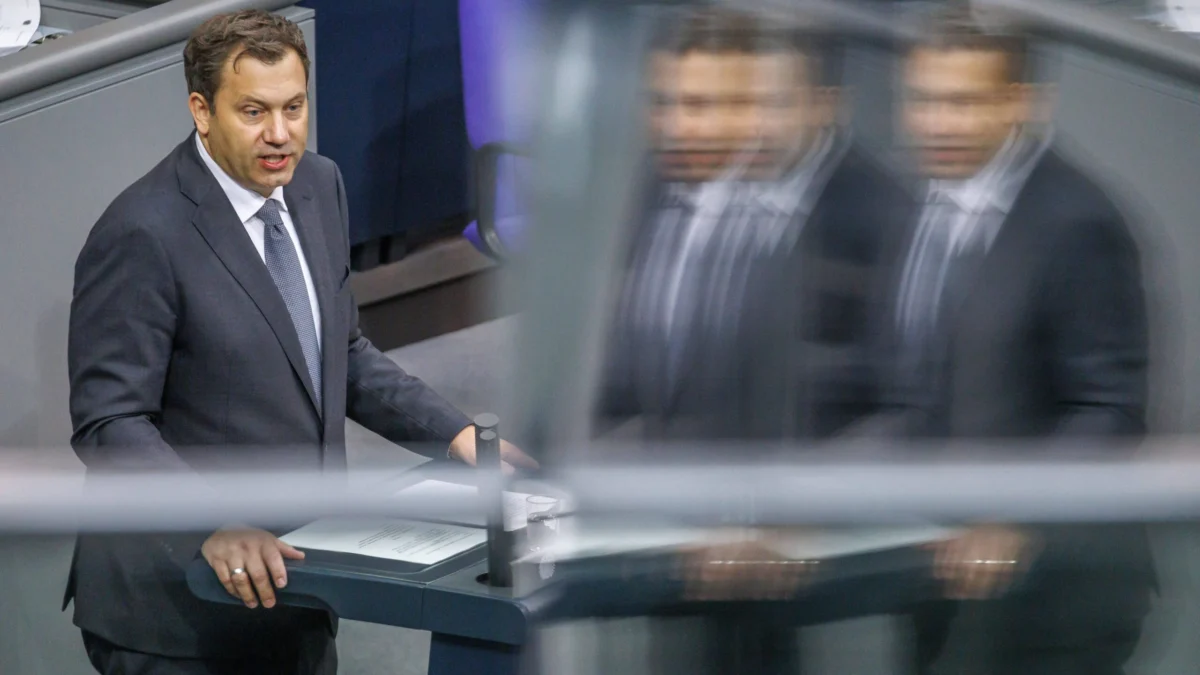
Berlin, Germany – In a significant move set to reshape Germany’s fiscal and environmental landscape, Federal Finance Minister Lars Klingbeil (SPD) is spearheading the introduction of a new national plastic tax. This levy, detailed in a draft law obtained by Handelsblatt, aims to generate substantial revenue for the federal budget while simultaneously incentivizing a reduction in plastic packaging consumption. However, the initiative is already drawing sharp criticism from the business community, which decries the added bureaucratic burden and perceives it as a breach of coalition promises.
The proposed "Plastiksteuer" is projected to bring in an estimated 805 million euros for the federal government in its inaugural year. By 2028, annual revenues are expected to swell to approximately 1.4 billion euros. While the tax is levied directly on companies, the legislative draft explicitly states its design allows for the burden to be passed on to end-consumers, potentially leading to higher prices for a wide array of goods.
This new domestic tax is intrinsically linked to Germany’s obligations under the existing EU plastic levy, which has been in effect since 2021. Until now, Germany has financed its annual contribution to the EU budget – calculated based on the quantity of plastic packaging waste – directly from its general federal budget. The national plastic tax is intended to provide a dedicated, sustainable funding mechanism for this EU commitment.
Main Facts: Germany’s New Plastic Levy Takes Shape
The core tenets of the impending German plastic tax underscore a dual objective: fiscal consolidation and environmental stewardship. The draft law, championed by Federal Finance Minister Lars Klingbeil (SPD), outlines a comprehensive strategy to generate significant federal revenue while simultaneously fostering a more sustainable approach to plastic usage.
At its heart, the tax targets a broad spectrum of plastic products. Specifically, it will apply to packaging, films, and composite packaging materials where the plastic component constitutes more than five percent of the total weight. This broad definition ensures that a vast array of consumer and industrial goods will fall under the purview of the new regulation, from food wrappers to protective films.
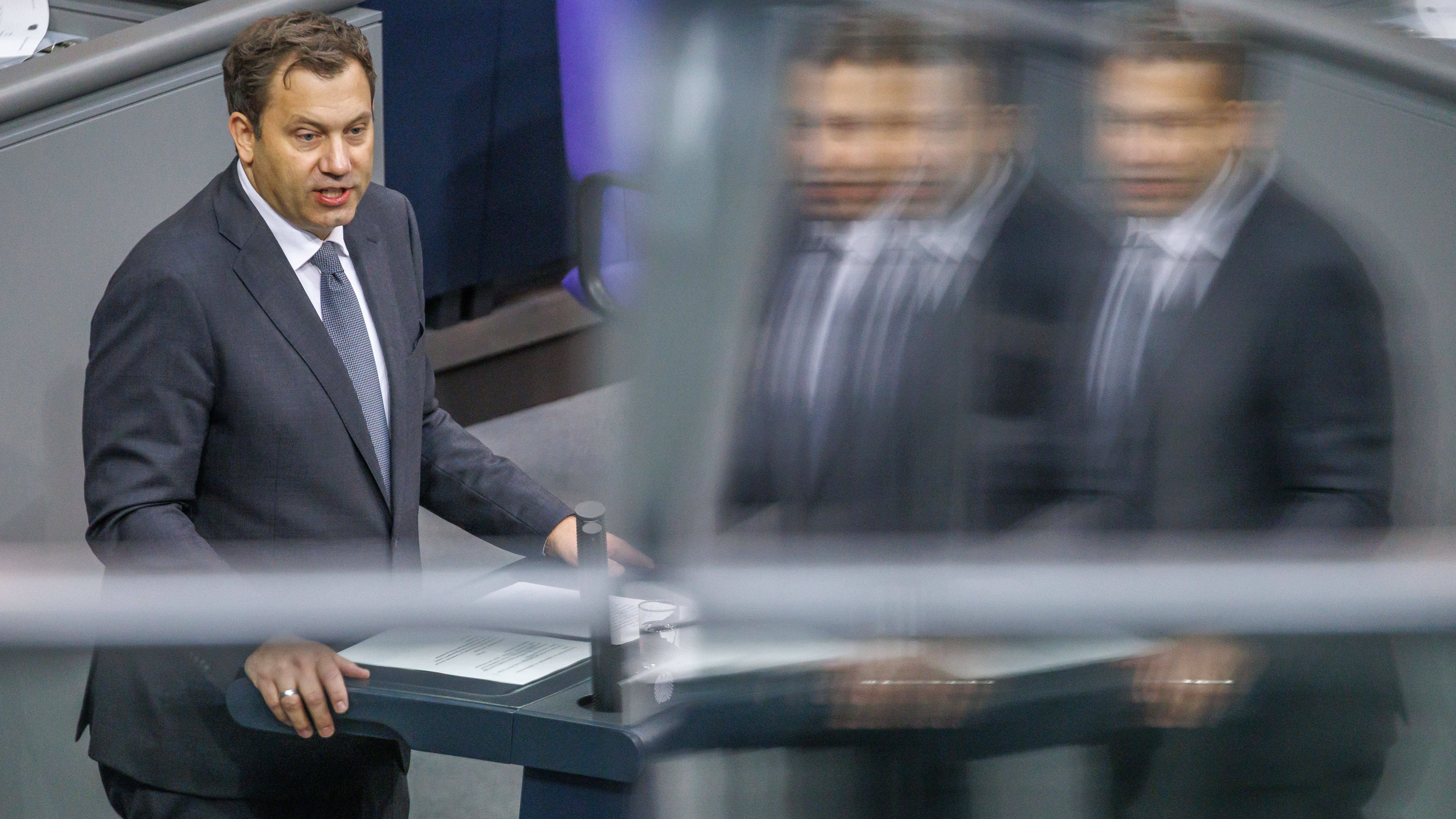
Financially, the projections are substantial. For the upcoming fiscal year, the federal government anticipates collecting 805 million euros. This figure is set to rise sharply, with annual revenues projected to reach a robust 1.4 billion euros from 2028 onwards. This long-term revenue stream is crucial for the federal budget, particularly as Germany navigates complex economic challenges and aims to adhere to its constitutional debt brake.
Crucially, the legislation clarifies that while companies will be the direct payers of the tax, the design inherently allows for these costs to be "überwälzen" – passed on – to the ultimate consumer. This mechanism means that the environmental incentive, intended to reduce plastic consumption, will primarily operate through price signals at the retail level. Consumers, faced with potentially higher prices for goods encased in plastic, are expected to adjust their purchasing habits, opting for alternatives or simply consuming less.
Beyond revenue generation, the stated ambition of the tax is to actively contribute to a reduction in plastic packaging consumption. This environmental goal aligns with broader European and global efforts to tackle plastic pollution, which poses severe threats to ecosystems, biodiversity, and human health. By making plastic packaging more expensive, the government hopes to stimulate innovation in sustainable packaging materials and encourage businesses to minimize their plastic footprint.
However, the implementation of such a broad-ranging tax is not without its complexities and costs. The Finance Ministry itself acknowledges significant administrative expenses. Until 2029, the federal budget anticipates expenditures of 284 million euros to establish and manage the new system. These costs will primarily be incurred by institutions like the Informationstechnikzentrum Bund (ITZ), the federal IT service provider, and the customs authorities (Zoll), which will be responsible for collection and oversight. Post-implementation, ongoing annual administrative costs are estimated at 104 million euros from 2029.
Businesses, too, face a new layer of financial and operational burdens. The draft law estimates one-time "bureaucracy costs" for the economy at around 8.8 million euros. Furthermore, an annual additional expenditure of approximately 44.1 million euros is projected, stemming "entirely from the increase in bureaucracy costs from information obligations." This highlights the significant reporting and compliance requirements that companies will need to navigate, adding to their operational overheads.

Chronology: From EU Mandate to National Implementation
The journey towards Germany’s national plastic tax is rooted in a broader European initiative to tackle plastic waste and secure new revenue streams for the European Union budget.
January 1, 2021: The European Union introduces its own "Plastic Own Resource" levy. This landmark decision marked a pivotal shift in EU fiscal policy, creating a new source of revenue for the EU budget based on the amount of non-recycled plastic packaging waste generated by each member state. The levy is not a direct tax on consumers or companies, but rather a contribution from national governments to the EU. The rate was set at 0.80 euros per kilogram of non-recycled plastic packaging waste.
2021 – Present (Pre-National Tax): Following the EU mandate, Germany, like other member states, became obligated to pay its annual contribution to the EU budget. In the absence of a dedicated national tax, the German government financed this EU plastic levy directly from its general federal budget. This approach, while meeting the EU obligation, meant that the cost was absorbed by the general taxpayer without a specific incentive mechanism tied to plastic consumption within Germany. The financing from the general budget was often criticized for lacking transparency and failing to directly link the cost of plastic waste to its producers or consumers.
Current Legislative Initiative (Implied 2023/2024): Federal Finance Minister Lars Klingbeil (SPD) officially brings forward the legislative proposal for a national plastic tax. This move is a direct response to the need for a more sustainable and transparent financing mechanism for Germany’s EU plastic levy contribution. The objective is to shift the financial burden from the general budget to a dedicated revenue stream derived from plastic consumption itself. The current draft law, which has been leaked to the Handelsblatt, outlines the structure, scope, and financial projections of this new tax.
Upcoming Fiscal Year (Implied 2024): The new plastic tax is slated to commence, with initial revenue projections of 805 million euros for the federal government. This marks the first year where a national levy will directly contribute to covering the EU plastic payment.

Until 2029: During this initial implementation phase, the federal government anticipates significant setup and administrative costs, totaling 284 million euros. These expenses are allocated to crucial federal agencies like the ITZ Bund and the Customs authorities, which will be instrumental in establishing the collection, reporting, and enforcement mechanisms for the new tax.
From 2028 Onwards: The tax is expected to reach its full revenue potential, generating approximately 1.4 billion euros annually for the federal budget. This increase suggests a maturing of the collection system, potentially coupled with revised consumption patterns or an adjusted tax base.
From 2029 Onwards: Following the initial implementation and setup phase, the ongoing annual administrative costs for the federal government are projected to stabilize at 104 million euros. Simultaneously, the annual bureaucracy costs for businesses, primarily stemming from information and reporting obligations, are estimated at 44.1 million euros.
This chronology illustrates a clear progression from an external EU requirement to a comprehensive national policy designed not only to meet financial obligations but also to integrate environmental incentives into Germany’s economic framework. The transition from general budget financing to a dedicated national tax signifies a deliberate policy choice to make plastic consumption more accountable.
Supporting Data: Financial Projections and Administrative Burdens
The introduction of Germany’s new plastic tax, while fiscally motivated, presents a complex financial picture involving both substantial revenue generation and considerable administrative outlays for both the public and private sectors. The figures contained within the leaked draft law offer a detailed glimpse into these anticipated economic shifts.

Federal Revenue Projections:
The primary financial driver for the plastic tax is the generation of revenue for the federal budget.
- Initial Phase: For the upcoming year (presumably 2024, depending on the article’s publication date), the Finance Ministry projects a collection of 805 million euros. This initial sum is a crucial first step towards establishing a dedicated funding source for Germany’s EU plastic levy contributions.
- Long-term Stability: By 2028, the annual revenue is expected to stabilize and significantly increase, reaching approximately 1.4 billion euros. This long-term projection underscores the tax’s importance as a consistent and substantial income stream for the federal government, vital for budgetary planning and fiscal stability.
Government Administrative Costs:
Implementing a new tax of this scale necessitates significant investment in infrastructure, personnel, and operational processes. The Finance Ministry acknowledges these costs transparently.
- Initial Setup Costs (until 2029): The federal budget allocates 284 million euros for the period leading up to 2029. These one-off or front-loaded costs are essential for establishing the administrative framework required to collect and manage the tax. Key beneficiaries of this funding include:
- Informationstechnikzentrum Bund (ITZ Bund): As the central IT service provider for federal administration, ITZ Bund will be responsible for developing and maintaining the digital systems necessary for tax declarations, payment processing, and data management. This involves creating new software, integrating it with existing financial systems, and ensuring data security and compliance.
- Customs Authorities (Zoll): The customs office will play a pivotal role in the collection and enforcement of the tax, particularly for imported goods containing plastic packaging. This will require training personnel, adapting inspection procedures, and potentially increasing staff numbers to handle the additional workload.
- Ongoing Annual Costs (from 2029): After the initial setup phase, the recurring annual administrative burden for the federal government is estimated at 104 million euros. These costs cover the continuous operation, maintenance, and oversight of the plastic tax system, including personnel for auditing, legal support, and ongoing IT system updates.
Economic Burden on Businesses (Bureaucracy Costs):
Beyond the direct tax payment, businesses will incur significant costs associated with complying with the new regulations. These "bureaucracy costs" are a major point of contention for industry associations.
- One-time Bureaucracy Costs: Businesses are projected to face a one-time expenditure of approximately 8.8 million euros. This includes initial efforts to understand the new law, adapt internal accounting and reporting systems, train staff, and potentially seek legal or consultancy advice to ensure compliance.
- Annual Recurring Bureaucracy Costs: An annual additional burden of around 44.1 million euros is expected for the economy. The draft law explicitly states that this figure arises "entirely from the increase in bureaucracy costs from information obligations." This indicates that a substantial portion of the ongoing business costs will be related to:
- Documentation and Record-Keeping: Companies will need to meticulously track the amount and type of plastic packaging used or imported, differentiating between materials with more or less than five percent plastic content.
- Reporting Requirements: Regular declarations to the tax authorities will be necessary, detailing plastic usage, recycled content (if any exemptions apply), and other relevant metrics.
- Auditing and Verification: Businesses will need to be prepared for potential audits by tax or customs authorities, requiring readily accessible and verifiable data.
- Internal Process Adjustments: Supply chain management, procurement, and production processes may need to be revised to minimize plastic usage and optimize for tax efficiency.
Mechanism of Cost Transfer to End-Consumers:
The legislative intent is clear: while companies are the initial payers, the tax is "darauf angelegt, dass die Steuerschuldner die Belastung auf den Endkunden überwälzen" (designed so that the taxpayers pass the burden on to the end-customer). This means:
- Price Increases: Consumers are likely to see price increases on products packaged in plastic. The extent of these increases will depend on various factors, including the elasticity of demand, the competitiveness of the market, and the proportion of packaging cost in the overall product price.
- Supply Chain Adjustments: Manufacturers and retailers will likely incorporate the tax into their cost structures, either through direct price adjustments or by seeking more cost-effective, potentially less plastic-intensive, packaging solutions from their suppliers.
- Behavioral Change: The expectation is that these price signals will encourage consumers to choose products with less plastic packaging or to reduce overall consumption, thereby contributing to the environmental goal of the tax.
These financial details highlight the significant economic ripple effect anticipated from the new plastic tax, affecting government budgets, corporate balance sheets, and household expenditures alike.

Official Responses: Industry Outcry and Government Justification
The unveiling of the new plastic tax has been met with a strong, largely negative, reaction from Germany’s business community, particularly concerning the perceived increase in bureaucracy and a sense of betrayal regarding prior political commitments. The government, on the other hand, frames the tax as a necessary measure to fulfill its financial obligations to the EU and promote environmental sustainability.
Industry Criticism: A Breach of Trust and a Bureaucratic Burden
The Handelsverband Deutschland (HDE), the German Retail Federation, has been among the most vocal critics. Stefan Genth, the chief executive of HDE, articulated the industry’s dismay in a formal letter to the Ministry of Economics, which serves as a powerful testament to the widespread discontent.
- Breach of Coalition Agreement: Genth’s central argument revolves around a perceived breach of trust. He pointed out that the ruling "traffic light" coalition (SPD, Greens, FDP) had repeatedly promised to reduce bureaucracy and had publicly ruled out tax increases and the introduction of new levies. "The introduction of a plastic levy would be a clear breach of the coalition agreement," Genth stated emphatically. This criticism taps into a sensitive nerve, as the coalition government has often emphasized its commitment to easing the burden on businesses and fostering economic growth. The plastic tax, in the eyes of the HDE, directly contradicts these stated goals.
- Increased Bureaucracy: The estimated one-time bureaucracy costs of 8.8 million euros and annual recurring costs of 44.1 million euros for the economy are not just abstract figures; they represent tangible efforts and expenses for thousands of businesses. Companies will have to invest in new reporting systems, dedicate staff to tracking plastic usage, and ensure compliance, diverting resources that could otherwise be used for innovation, investment, or job creation. For small and medium-sized enterprises (SMEs), which form the backbone of the German economy, these additional administrative burdens can be particularly onerous. They often lack the extensive legal and accounting departments of larger corporations, making compliance more challenging and costly.
- "Decidedly" Against the Tax: Given these concerns, the HDE has declared its "decided" rejection of the tax. This strong stance signals a significant lobbying effort against the proposed legislation, potentially leading to intense debates within the Bundestag and Bundesrat. The industry argues that instead of adding new taxes, the government should focus on genuinely simplifying regulations and supporting businesses in their transition towards more sustainable practices, rather than penalizing them.
Government Justification: Fiscal Responsibility and Environmental Incentive
While the draft law itself doesn’t contain explicit "official responses" in the form of direct quotes from Minister Klingbeil in this excerpt, the document’s preamble and stated objectives serve as the government’s primary justification.
- Financing EU Obligations: The most immediate and pragmatic reason for the tax is to provide a stable and dedicated funding source for Germany’s contribution to the EU plastic levy. Since 2021, Germany has been paying an annual sum to the EU budget based on its non-recycled plastic packaging waste. Until now, this has been financed from the general federal budget, meaning all taxpayers indirectly covered the cost. The national plastic tax aims to shift this burden, creating a direct link between plastic consumption and its financing. This is presented as a more transparent and fiscally responsible approach.
- Environmental Steering Effect: Beyond mere revenue generation, the government emphasizes the tax’s potential to serve as an environmental policy instrument. The draft states: "The tax can simultaneously contribute to reducing the consumption of plastic packaging." By making plastic packaging more expensive, the government hopes to create a market incentive for businesses to reduce their reliance on virgin plastics, explore alternative materials, and improve recycling rates. This aligns with Germany’s broader climate and circular economy goals, aiming to lessen the environmental impact of plastic pollution.
- Dual Purpose: The government frames the tax as a "win-win" scenario, addressing both budgetary needs and environmental concerns. It seeks to demonstrate that fiscal policy can be a powerful tool for achieving sustainability objectives.
The differing perspectives highlight a fundamental tension: the government’s need for revenue and its environmental ambitions versus the business community’s demand for regulatory relief and predictable economic conditions. This clash of priorities is set to fuel a robust political and economic debate as the legislation progresses.
Implications: Economic, Environmental, and Political Ramifications
The introduction of Germany’s new plastic tax is poised to send ripples across various sectors, creating a complex web of economic, environmental, and political implications. Understanding these potential ramifications is crucial for grasping the full impact of this legislative initiative.

Economic Impact
The economic implications of the plastic tax are multifaceted, affecting businesses, consumers, and Germany’s overall economic competitiveness.
- Inflationary Pressure on Consumers: The explicit design to pass costs onto end-consumers means higher prices for a vast array of goods. From groceries to electronics, products packaged in plastic will likely see a price bump. This will disproportionately affect lower-income households, who spend a larger percentage of their income on consumer goods, potentially exacerbating cost-of-living concerns and contributing to broader inflationary pressures.
- Increased Burden on Businesses:
- Direct Costs: While companies will pass on the tax, they still bear the initial financial outlay and the associated cash flow implications.
- Bureaucracy and Compliance Costs: As highlighted, the one-time 8.8 million euros and annual 44.1 million euros in bureaucracy costs are significant. These expenses are not directly productive and can stifle investment in other areas. Small and medium-sized enterprises (SMEs) may struggle more with these administrative overheads due to limited resources.
- Supply Chain Disruptions: Businesses will need to re-evaluate their supply chains, potentially seeking new packaging suppliers or innovative material solutions. This transition can be costly and time-consuming, especially for industries heavily reliant on plastic.
- Competitiveness: German businesses might face a competitive disadvantage if neighboring countries within the EU do not implement similar national plastic taxes, or if their implementation is less stringent. This could lead to a shift in production or procurement strategies to avoid higher costs in Germany.
- Innovation and Investment: On the positive side, the tax could spur innovation in sustainable packaging materials and recycling technologies. Companies might invest more in R&D for biodegradable alternatives, reusable systems, or advanced recycling infrastructure to reduce their tax burden. This could create new market opportunities and foster a more circular economy.
- Sector-Specific Impacts: Industries heavily reliant on plastic packaging, such as food and beverage, cosmetics, and logistics, will feel the most immediate and profound impact. They will need to adapt their product design, packaging strategies, and pricing models.
Environmental Impact
The environmental efficacy of the plastic tax is a central point of debate.
- Reduction in Plastic Consumption: The primary environmental goal is to reduce the overall consumption of plastic packaging. By internalizing the cost of plastic waste, the tax aims to make less sustainable options financially less attractive. This could lead to a decrease in the demand for virgin plastics and encourage the use of recycled content or alternative materials.
- Promotion of Circular Economy: The tax could act as a catalyst for Germany’s transition towards a more robust circular economy. If companies are incentivized to use less plastic or more recycled plastic, it could boost demand for recycled materials and stimulate investment in sorting and recycling facilities.
- Potential for Substitution: There’s a risk of "regrettable substitutions," where businesses might switch from plastic to other materials (e.g., glass, aluminum, paper) that might have their own environmental footprints, sometimes even higher in terms of energy consumption or weight, if not managed sustainably. A holistic life-cycle assessment is crucial to ensure that the tax genuinely leads to overall environmental improvement.
- Behavioral Change: For consumers, the increased cost could lead to more conscious purchasing decisions, favoring unpackaged goods, reusable containers, or products with more sustainable packaging. However, the extent of this behavioral change will depend on consumer awareness, availability of alternatives, and price elasticity.
- Addressing EU Obligations: The tax directly addresses Germany’s financial contribution to the EU’s plastic levy, ensuring that the country meets its commitment to help fund the EU budget based on plastic waste.
Political Debate and Context
The plastic tax is not just an economic or environmental measure; it’s deeply embedded in Germany’s current political landscape.
- Coalition Tensions: The criticism from the HDE regarding a "breach of the coalition agreement" highlights internal tensions within the "traffic light" coalition. The FDP (Free Democratic Party), known for its pro-business stance and skepticism towards new taxes and excessive bureaucracy, might find itself at odds with its SPD and Green partners on this issue. The agreement to reduce bureaucracy was a key tenet of the coalition, and introducing new "information obligations" directly contradicts this.
- Fiscal Policy Challenges: Germany’s federal budget faces significant pressures, from financing the energy transition to increased defense spending and social welfare programs, all while adhering to the constitutional debt brake. The plastic tax is one of several measures the government is exploring to find new revenue streams without raising broad-based taxes.
- Opposition Criticism: While not explicitly detailed in the original article beyond a related headline referring to overall debt, opposition parties, particularly the CDU/CSU and potentially the AfD, are likely to criticize the tax. Their arguments would likely center on the increased burden on citizens and businesses, the bureaucratic complexity, and questioning its true environmental effectiveness compared to its revenue-generating aspect. The related headline "Schlicht der Wahnsinn" (Simply madness) regarding high debt suggests a broader critical stance on the government’s fiscal management.
- Public Perception: The government will need to carefully manage public perception. While environmental protection is broadly supported, new taxes that lead to higher consumer prices can quickly become unpopular, especially in times of economic uncertainty. The communication strategy will be key to explaining the necessity and benefits of the tax.
- EU Harmonization vs. National Action: The EU’s plastic levy was designed to encourage member states to take action against plastic waste. While Germany is now creating a national tax to fund its EU contribution, the question arises whether a more harmonized EU-wide approach to taxing plastic would be more effective in preventing market distortions and ensuring a level playing field. Germany’s move could inspire or put pressure on other EU members to follow suit with their own national mechanisms.
In conclusion, Germany’s new plastic tax represents a bold policy choice with far-reaching consequences. It aims to address critical fiscal needs and environmental challenges, but at the cost of increased bureaucracy and potential economic strain on businesses and consumers. Its success will hinge on its ability to genuinely foster sustainable practices without unduly burdening the economy, all while navigating a complex political landscape.