Berlin, Germany – Germany’s Bundeswehr is marking significant strides in its ambitious digital transformation, with Defense Minister Boris Pistorius (SPD) affirming substantial progress in the digitization of the Army. While the groundbreaking new digital radio system is currently undergoing rigorous combat-like testing with "convincing results," challenges remain, particularly with the pace of serial integration of the new radio devices. This critical modernization effort, known as "Digitalisierung Landbasierte Operationen" (DLBO), is poised to revolutionize the German Army’s operational capabilities, ensuring swift, secure, and reliable information exchange across all echelons.
The announcement came following a pivotal meeting in Berlin between Minister Pistorius, key representatives from the defense industry, and Bundeswehr officials. The ongoing field tests at the Munster training ground underscore the practical and demanding nature of this digital leap, aiming to equip soldiers, vehicles, and command structures with a unified, networked digital system crucial for modern warfare.
Breakthrough in Digital Communication
The core of the Bundeswehr’s modernization drive lies in overhauling its communication infrastructure. The successful, albeit experimental, deployment of the new digital radio system marks a crucial milestone. This advanced system is not merely a replacement for outdated analog equipment; it represents a fundamental shift towards a networked battlefield where information superiority can be a decisive factor. The ability to transmit data, voice, and imagery securely and in real-time between disparate units, vehicles, and command centers is paramount for effective command and control in complex operational environments.
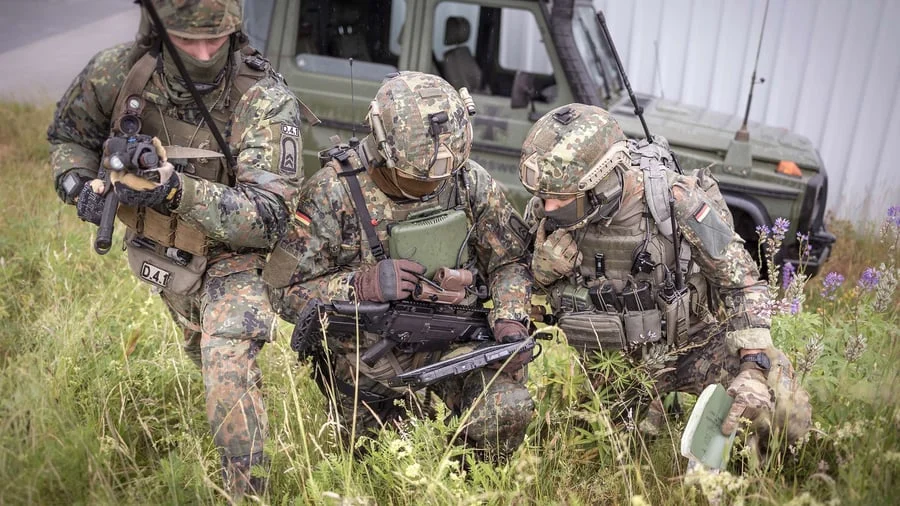
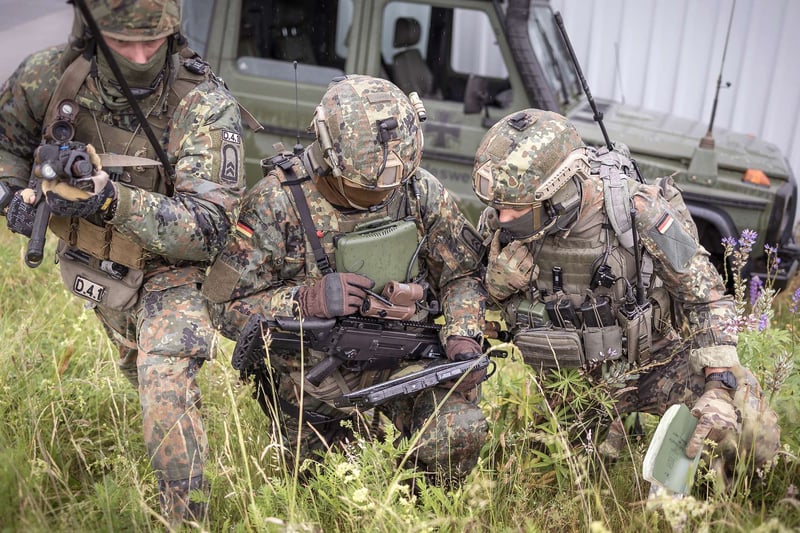
Initial evaluations of the digital radio’s performance under simulated combat conditions at Munster have been largely positive. Testers are pushing the limits, operating the system while on the move, simulating high-stress tactical situations where reliability and speed are non-negotiable. This hands-on, realistic testing phase is designed to iron out any deficiencies before widespread deployment. However, the Minister acknowledged that the subsequent phase – the series integration of these advanced radio devices into the broader fleet and operational structure – is lagging behind the initial schedule. This delay, while a concern, highlights the inherent complexities and technical hurdles in rolling out such a comprehensive and cutting-edge system across a large military organization.

The DLBO Initiative: A €11.5 Billion Endeavor
The "Digitalisierung Landbasierte Operationen" (DLBO) project is more than just new radios; it’s a holistic strategy to connect every aspect of land-based operations into a cohesive digital network. From individual soldiers equipped with ruggedized digital end-devices to advanced combat vehicles and sophisticated command posts, the goal is to create a shared, real-time operational picture. This integrated system will enable commanders to make faster, more informed decisions, while frontline troops will have immediate access to critical intelligence, reducing response times and enhancing situational awareness.
The financial commitment to DLBO underscores its strategic importance. Of the monumental €100 billion special fund approved for the Bundeswehr following Russia’s full-scale invasion of Ukraine, a substantial €11.5 billion has been specifically earmarked for this digital transformation. This allocation reflects a recognition at the highest levels of government that modernizing the Bundeswehr’s digital backbone is not merely an upgrade, but an existential necessity for Germany’s future defense capabilities and its role within NATO.
The project involves a consortium of leading defense technology companies, pooling their expertise to deliver this complex solution. Key industry partners include Rheinmetall, a powerhouse in armored vehicles and armaments; KNDS, a major European land defense systems group; Rohde & Schwarz, renowned for its secure communication solutions; Hensoldt, specializing in sensor solutions; and Blackned, a company focused on tactical software and network solutions. This collaboration between the Bundeswehr and the private sector is crucial for leveraging cutting-edge technology and ensuring the system meets the demanding requirements of military operations.
A New Chapter in Bundeswehr Modernization: Chronology of the Zeitenwende
Germany’s journey towards a digitally enabled military has been a long and often challenging one. For decades, the Bundeswehr faced persistent underfunding, leading to equipment shortages, aging platforms, and a lag in adopting modern technologies. The end of the Cold War ushered in a period of reduced defense spending, with the focus shifting from large-scale territorial defense to smaller, expeditionary missions. While these missions highlighted the need for agile, deployable forces, the underlying technological infrastructure often remained antiquated.
Legacy Challenges and the Call for Change
Reports over the years frequently detailed deficiencies in everything from basic protective gear to advanced communication systems. The procurement processes were often criticized for being slow, bureaucratic, and prone to cost overruns. This created a significant gap between the Bundeswehr’s theoretical capabilities and its practical readiness. While individual projects attempted to address specific shortcomings, a comprehensive, overarching strategy for digital integration remained elusive. The fragmented nature of procurement often led to incompatible systems, hindering seamless communication and data exchange across different branches and even within the Army itself.
From Zeitenwende to Digital Reality
The geopolitical landscape drastically shifted with Russia’s aggression against Ukraine, culminating in the full-scale invasion in February 2022. This event served as a stark "Zeitenwende" – a turning point – as articulated by Chancellor Olaf Scholz. It prompted a fundamental reassessment of Germany’s defense policy and a renewed commitment to investing in its armed forces. The announcement of the €100 billion special fund was a direct response to this new reality, signaling a profound shift from decades of military austerity to a dedicated effort to rebuild and modernize the Bundeswehr.
The DLBO project emerged as a cornerstone of this "Zeitenwende." It recognized that merely replacing old hardware was insufficient; the true challenge lay in creating a fully interconnected and information-driven fighting force. The digital transformation is seen as essential for achieving network-centric warfare, where all assets on the battlefield – from drones and tanks to individual soldiers and command posts – are linked into a single, comprehensive network. This enables unprecedented levels of coordination, shared situational awareness, and speed of response, capabilities that are critical in high-intensity conflicts.
Testing Under Fire: The Munster Proving Ground
The selection of the Munster training ground for the intensive field tests underscores the Bundeswehr’s commitment to realistic validation. Munster, a vast military training area in Lower Saxony, provides diverse terrain and conditions suitable for simulating a wide range of combat scenarios. Here, soldiers are not merely operating new equipment in a controlled lab environment; they are actively integrating it into tactical maneuvers, driving vehicles, communicating, and engaging targets – all while the new digital radio system is put through its paces.
General Christian Freuding, Inspector of the Army, articulated the practical demands of these tests: "We must be able to drive, communicate, shoot – and that under stress in tactically demanding situations." This statement perfectly encapsulates the multi-faceted requirements of modern combat, where simultaneous actions and real-time information flow are vital. The tests are designed to ensure that the digital systems are robust, intuitive, and resilient enough to withstand the chaos and pressure of actual warfare, proving their value in scenarios ranging from conventional engagements to hybrid threats.
Enhancing Battlefield Capabilities: Supporting Data and Technological Scope
The DLBO initiative is built upon a foundation of advanced technologies designed to deliver unparalleled operational advantages.
The Core of DLBO: Seamless Information Exchange
At its heart, DLBO aims to create a highly resilient and secure communication backbone. This involves the deployment of state-of-the-art software-defined radios (SDRs) that can adapt to various frequency bands and encryption standards, providing flexibility and security. These radios are capable of transmitting not only voice but also high-bandwidth data, including video feeds, maps, and sensor data. This capability drastically improves the "fog of war," giving commanders and individual soldiers a much clearer and more immediate understanding of the unfolding situation. Tactical data links (TDLs) will ensure that information from various sources – such as reconnaissance drones, ground sensors, and allied forces – is aggregated and disseminated efficiently.
Beyond Radios: Integrated Battlefield Management Systems
The digital radio system is just one component of a larger ecosystem. DLBO integrates sophisticated Battlefield Management Systems (BMS) that provide a common operational picture (COP). This COP displays the location of friendly forces, identified enemy positions, terrain features, and mission objectives on digital maps accessible on ruggedized tablets or vehicle displays. Artificial intelligence (AI) and machine learning (ML) are expected to play an increasing role in processing vast amounts of sensor data, identifying patterns, and assisting commanders in decision-making, potentially even suggesting optimal courses of action. For instance, an AI-powered system could analyze drone footage, identify enemy movements, and instantly update the COP for all relevant units, dramatically shortening the sensor-to-shooter cycle.

Interoperability and Cyber Security: Critical Considerations
A key challenge and priority for DLBO is ensuring interoperability, not only within the Bundeswehr but also with NATO allies. Modern military operations are almost always conducted in a coalition environment, requiring seamless communication and data sharing between diverse national forces. The new digital systems must be designed to integrate with NATO standards and protocols to facilitate joint operations. This often involves complex technical challenges related to data formats, encryption keys, and communication frequencies.
Equally critical is cyber security. A highly networked battlefield is inherently vulnerable to cyberattacks. Protecting the digital infrastructure from disruption, espionage, and data manipulation is paramount. This requires robust encryption, multi-layered security protocols, and continuous monitoring and threat intelligence. The Bundeswehr must invest heavily in cyber defense capabilities to safeguard its digital assets and ensure the integrity and confidentiality of its operational data. The participation of companies like Rohde & Schwarz and Hensoldt, with their expertise in secure communications and electronic warfare, is vital in this regard.
Industry Collaboration: A National Effort
The involvement of major German and European defense companies like Rheinmetall, KNDS (a Franco-German venture), Rohde & Schwarz, Hensoldt, and Blackned highlights the national and European dimension of this modernization effort. This collaboration fosters technological sovereignty, reduces reliance on foreign suppliers for critical defense technologies, and stimulates innovation within the domestic defense industrial base. The €11.5 billion investment in DLBO will not only enhance the Bundeswehr’s capabilities but also provide a significant economic boost, creating jobs, driving research and development, and strengthening Germany’s position as a leader in defense technology.
Leadership’s Vision and Operational Imperatives: Official Responses
The statements from Defense Minister Pistorius and Army Inspector Freuding offer valuable insights into the strategic thinking behind DLBO and the expectations placed upon it.

Minister Pistorius’s Optimism and Strategic Mandate
Minister Pistorius’s declaration that "The digitalization of the Army is making significant progress" is a clear signal of confidence and strategic intent. His optimism, while tempered by acknowledgment of integration delays, reflects a deep understanding of the imperative to modernize the Bundeswehr rapidly. For Pistorius, this isn’t merely about incremental improvements but about transforming the Army into a cutting-edge, future-proof force. He views digital superiority as a non-negotiable component of Germany’s ability to defend itself and contribute effectively to collective security within NATO. His meeting with industry and military leaders underscores the collaborative approach deemed necessary to overcome the historical challenges of military procurement and ensure a streamlined, efficient modernization process. The political will is clearly present to push this agenda forward, leveraging the Zeitenwende fund to its fullest potential.
General Freuding on Tactical Demands
General Freuding’s succinct yet powerful description of the testing scenario – "We must be able to drive, communicate, shoot – and that under stress in tactically demanding situations" – perfectly captures the operational reality that DLBO aims to address. It emphasizes that technology must serve the soldier in the most arduous circumstances. Modern warfare is dynamic, complex, and requires rapid adaptation. The digital systems must not only function flawlessly but also enhance the soldier’s effectiveness without adding unnecessary cognitive load. The ability to maintain communication and situational awareness while maneuvering and engaging the enemy is crucial for survival and mission success. Freuding’s emphasis on "tactically demanding situations" highlights the understanding that real-world combat conditions are far removed from controlled environments, necessitating robust and intuitive systems.
Industry’s Role in National Security
The participation of leading defense contractors signifies a shared responsibility in enhancing Germany’s national security. These companies are not just suppliers; they are strategic partners in developing and implementing critical military capabilities. Their expertise in areas like secure communications, sensor technology, and battlefield networks is indispensable. The long-term commitment of these firms to the DLBO project reflects the understanding that building a modern, digitally capable military is a sustained effort requiring continuous innovation and close collaboration between the public and private sectors.
Strategic Impact and Future Trajectory: Implications for Germany and NATO
The successful implementation of DLBO carries profound implications, not only for the Bundeswehr but also for Germany’s standing in the international security landscape and the broader NATO alliance.

A Modern Bundeswehr for Modern Threats
DLBO is a cornerstone in transforming the Bundeswehr from a military grappling with outdated equipment into a modern, agile, and technologically advanced fighting force. In an era dominated by hybrid warfare, cyber threats, and the need for rapid response, information superiority and networked operations are no longer luxuries but necessities. The digital transformation will enable the Bundeswehr to conduct multi-domain operations more effectively, integrating land, air, sea, space, and cyber capabilities into a unified effort. This enhanced capability will allow Germany to face a wide spectrum of contemporary threats, from conventional peer-on-peer conflict to asymmetric challenges.
Strengthening NATO’s Eastern Flank
As a key member of NATO, Germany’s military strength directly contributes to the alliance’s collective defense. A digitally enabled Bundeswehr, particularly its Army, will significantly bolster NATO’s capabilities, especially on its eastern flank, which has gained renewed strategic importance since the war in Ukraine. Improved command and control, real-time intelligence sharing, and seamless interoperability with allied forces will enhance the overall readiness and deterrent posture of NATO. Germany’s commitment to DLBO demonstrates its dedication to meeting its alliance obligations and playing a more robust role in European security. This modernization will enable German forces to integrate more effectively into multinational task forces, improving overall combat effectiveness and response capabilities.
Economic Stimulus and Innovation Driver
The substantial investment in DLBO provides a significant economic stimulus for Germany’s defense industry and the wider technology sector. It drives innovation, supports high-tech jobs, and fosters research and development in critical areas such as secure communications, artificial intelligence, and cybernetics. This strategic investment can create a virtuous cycle, where defense spending leads to technological advancements that can also have dual-use applications in the civilian sector, contributing to broader economic growth and technological leadership. Companies involved will expand their R&D capabilities, potentially leading to new patents and export opportunities for advanced defense systems.
Overcoming Hurdles and Sustaining Momentum
While the progress is commendable, the "behind schedule" series integration of radio devices serves as a reminder of the inherent complexities and potential pitfalls in large-scale defense modernization projects. Bureaucracy, supply chain issues, and the sheer technical challenge of integrating disparate systems can lead to delays and cost overruns. Sustaining the political will and financial commitment beyond the initial "Zeitenwende" enthusiasm will be crucial. Continuous dialogue between the Bundeswehr, industry, and political leadership will be necessary to identify and overcome obstacles, ensure accountability, and adapt to evolving technological landscapes and threat perceptions. Moreover, comprehensive training programs for personnel will be vital to ensure that soldiers are not just equipped with advanced technology but are also proficient in its use and can leverage its full potential in demanding operational settings.

In conclusion, the Bundeswehr’s digital transformation, spearheaded by the DLBO project, represents a pivotal moment in Germany’s defense history. With strong political backing and significant financial investment, the Army is moving decisively towards a future of networked operations and information superiority. While challenges in integration remain, the demonstrated progress in field testing signals a clear path forward towards a more capable, resilient, and interoperable German armed force ready to meet the demands of 21st-century security.