Executive Summary: A Democracy Under Pressure
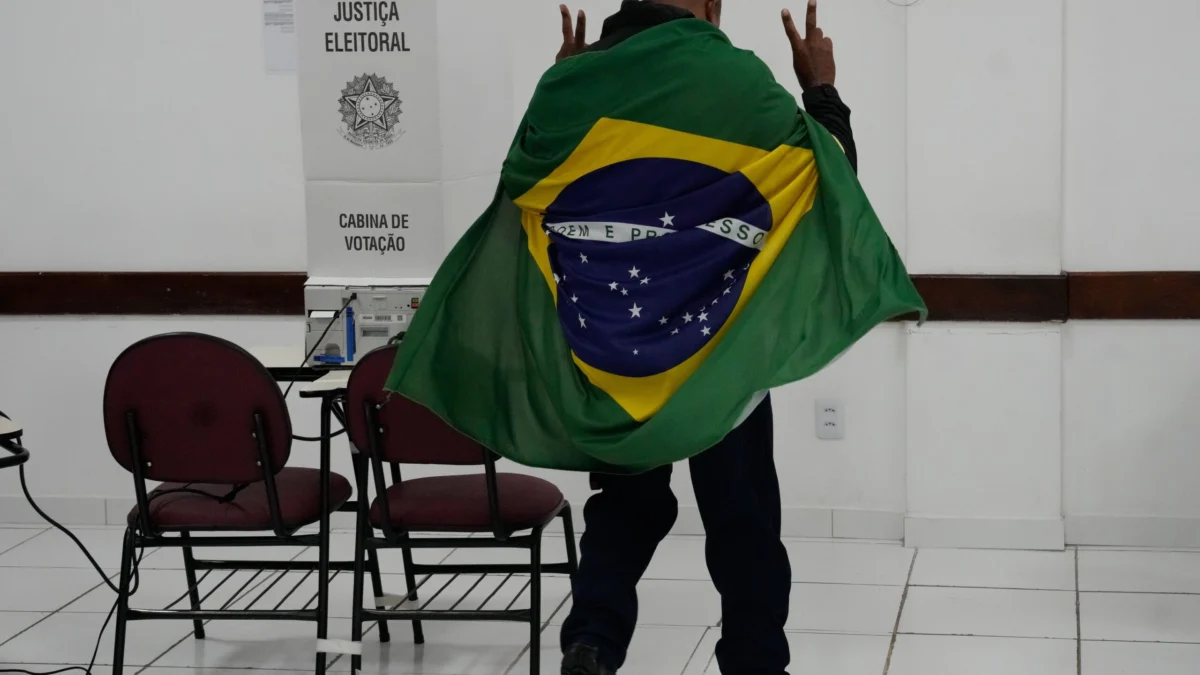
In a move reflecting the high stakes of Brazil’s polarized political landscape, the Supreme Federal Court (STF) issued an emergency order extending voting hours by two hours nationwide during the decisive presidential runoff election. The decision, handed down by Justice Cristiano Zanin, mandated that polling stations remain open until 7:00 PM local time (23:00 CEST) to accommodate millions of voters who faced unprecedented hurdles in reaching their designated polling places.
The extension was triggered by a cascade of reports concerning systemic disruptions to public transportation—the lifeblood of voter accessibility in Brazil’s sprawling urban centers. As the nation stood on the precipice of choosing between the incumbent, Luiz Inácio Lula da Silva, and his challenger, Flávio Bolsonaro, the integrity of the democratic process itself became the primary subject of a legal tug-of-war. The abrupt shift in the electoral schedule led to the immediate suspension of the preliminary vote count, adding a layer of suspense to a contest already defined by its razor-thin margins.
Chronology of the Crisis
The events of the election day unfolded as a series of escalating operational failures that quickly transformed from localized logistical issues into a national constitutional crisis.
- Early Morning (08:00 – 10:00): Reports began circulating via social media and local news outlets that public transport services in key metropolitan areas were operating at significantly reduced capacities. In cities like São Paulo, Rio de Janeiro, and Pará, commuters reported longer-than-usual wait times for buses and metro lines.
- Mid-Morning (10:30 – 12:00): The scale of the disruption became apparent. In Salvador, Bahia, a flashpoint emerged when at least 75 municipal buses failed to leave their depots. Regional electoral authorities intervened, with an arrest warrant issued for the city’s municipal mobility secretary on suspicion of electoral interference.
- Early Afternoon (13:00 – 15:00): The campaign of Luiz Inácio Lula da Silva officially filed an urgent petition with the Supreme Court, arguing that the transportation bottlenecks were a deliberate attempt to suppress voter turnout in regions traditionally sympathetic to the incumbent.
- Late Afternoon (16:00 – 17:00): Justice Cristiano Zanin ruled in favor of the petition. Crucially, the ruling was not restricted to the affected states but was applied nationwide to ensure uniformity in the electoral process.
- Evening (19:00): Polls finally closed across the country, marking the end of a grueling day that saw millions of Brazilians braving logistical hurdles to cast their ballots.
The Anatomy of the Transport Disruptions
The central controversy of the day revolved around the "missing" buses. In Salvador, the city administration initially attempted to frame the issue as a disagreement over partisan political advertising—specifically, the presence of Workers’ Party (PT) stickers on public transport vehicles. However, critics and opposition observers viewed the incident as a coordinated effort to disenfranchise voters.
Public transportation is the primary mode of transit for lower-income Brazilians, a demographic that historically provides a significant base of support for the current administration. By limiting the availability of transit, the efficiency of the voting process was severely compromised. While the city government denied a systematic plot, the timing—occurring on the very day of the most consequential election in recent memory—fueled widespread accusations of voter suppression.
Regional Complications: Environmental Factors
While the focus remained on urban transport, the electoral landscape was further complicated by natural phenomena. The campaign for challenger Flávio Bolsonaro reported that severe weather conditions in Minas Gerais and Rio Grande do Sul had caused localized damage to infrastructure. Heavy rainfall, flash flooding, and subsequent power outages forced residents in these regions to struggle against the elements to reach the polls. The Bolsonaro camp sought a similar extension for their strongholds, arguing that the "Act of God" events were unfairly skewing the vote by keeping his supporters away from the ballot boxes.
Official Responses and Legal Interpretations
The Supreme Court’s intervention underscored the judiciary’s role as the final arbiter in Brazil’s democratic experiment. Justice Zanin’s decision to override standard electoral procedures was a calculated risk, aimed at preserving the "sanctity of the vote."
The Judiciary’s Stance
The STF maintained that the right to vote is a fundamental pillar of the republic. By extending the hours, the court aimed to mitigate the impact of the transportation bottlenecks, ensuring that no citizen was barred from exercising their franchise due to logistical state failures.
The Political Backlash
The decision was met with a chorus of praise and condemnation from the respective political camps. Supporters of the government lauded the move as a victory for democracy. Conversely, members of the opposition expressed deep skepticism, questioning whether such a late-stage change could lead to administrative errors or irregularities in the handling of ballot boxes. The tension within the electoral commission (TSE) was palpable, as officials scrambled to implement the extension while maintaining the security protocols required for the ballot counting process.
Implications for the Future of Brazilian Democracy
The events surrounding this election suggest a deep-seated fragility in the institutional mechanisms designed to facilitate democratic participation.
1. The Weaponization of Infrastructure
The incident in Salvador raises alarming questions about the vulnerability of public infrastructure to political manipulation. If municipal authorities can influence voter turnout by restricting transit, it sets a dangerous precedent for future local and national elections. The need for federal oversight of transit services during election days is now a pressing topic of political debate.
2. The Polarization of the Electorate
The fact that both major candidates requested extensions—albeit for different reasons—demonstrates that neither side fully trusts the current electoral system to produce a fair result. This lack of institutional trust is a corrosive force that could lead to post-election unrest. The "head-to-head" nature of the race, following Bolsonaro’s surprise lead in the first round (47% vs. 45%), has pushed the electorate to a fever pitch.
3. Logistical Resilience
The election highlighted the need for a more robust contingency plan for natural disasters. The issues in the south of the country, coupled with the transit failures in the north, suggest that the electoral authorities must invest in better disaster-response strategies to prevent environmental conditions from becoming a tool for political disenfranchisement.
Conclusion: A Nation in Waiting
As of this writing, the initial counts are being resumed. The eyes of the international community are fixed on Brazil, a nation currently struggling to reconcile its democratic aspirations with the harsh realities of partisan infighting and structural dysfunction.
Whether the extension of the voting hours provided the necessary relief for voters remains a subject for post-election analysis. What is certain, however, is that this day will be remembered as one of the most chaotic and scrutinized chapters in the history of the Brazilian Republic. The legitimacy of the final outcome, regardless of the winner, will now be weighed against the backdrop of the day’s extraordinary events, underscoring the vital, yet fragile, nature of the democratic process in the world’s fourth-largest democracy.