Introduction: A Regulatory Hurdle for Small Traders
For small and medium-sized enterprises (SMEs) across the European Union, the dream of seamless cross-border e-commerce has recently been dampened by a bureaucratic reality. Since August, any business selling products into another EU member state has been required to appoint an authorized representative to ensure compliance with local extended producer responsibility (EPR) regulations. While the policy aims to internalize the costs of waste management and promote a circular economy, it has inadvertently created a disproportionate administrative and financial burden for smaller players.
Recognizing this friction, the EU member states have moved to introduce a significant exemption. The proposed adjustment aims to lift the obligation for companies that move only small quantities of packaging across borders, marking a strategic pivot toward protecting the competitiveness of the European single market’s smallest participants.
Main Facts: The "One-Tonne" Threshold
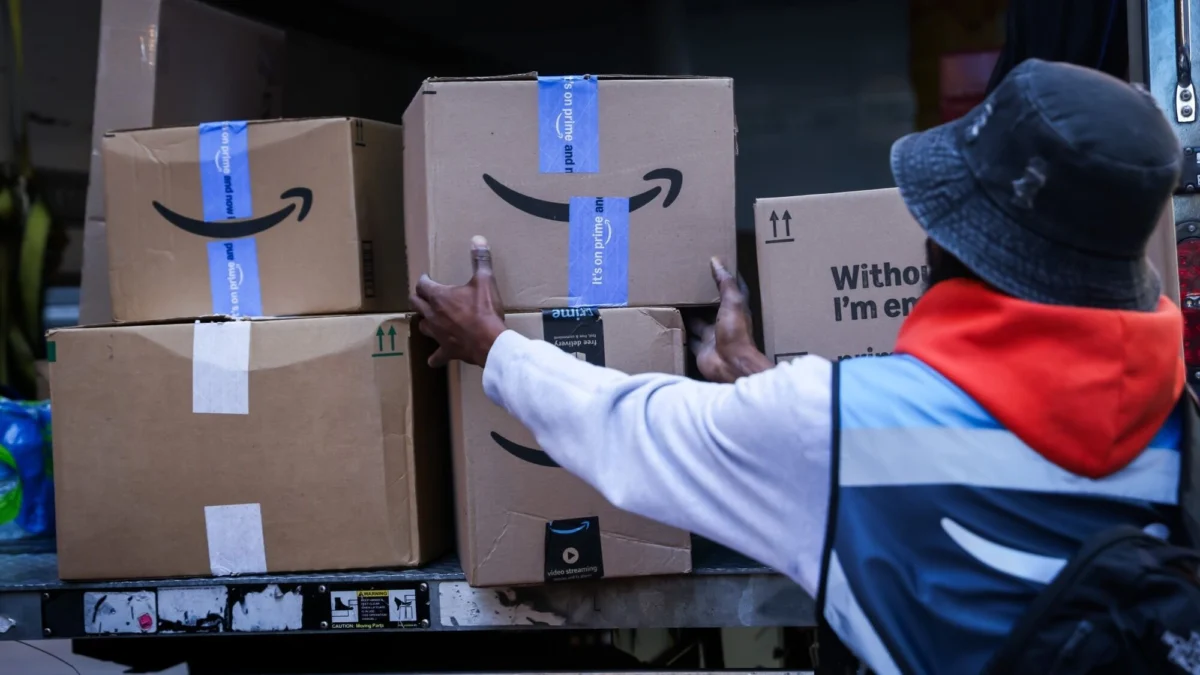
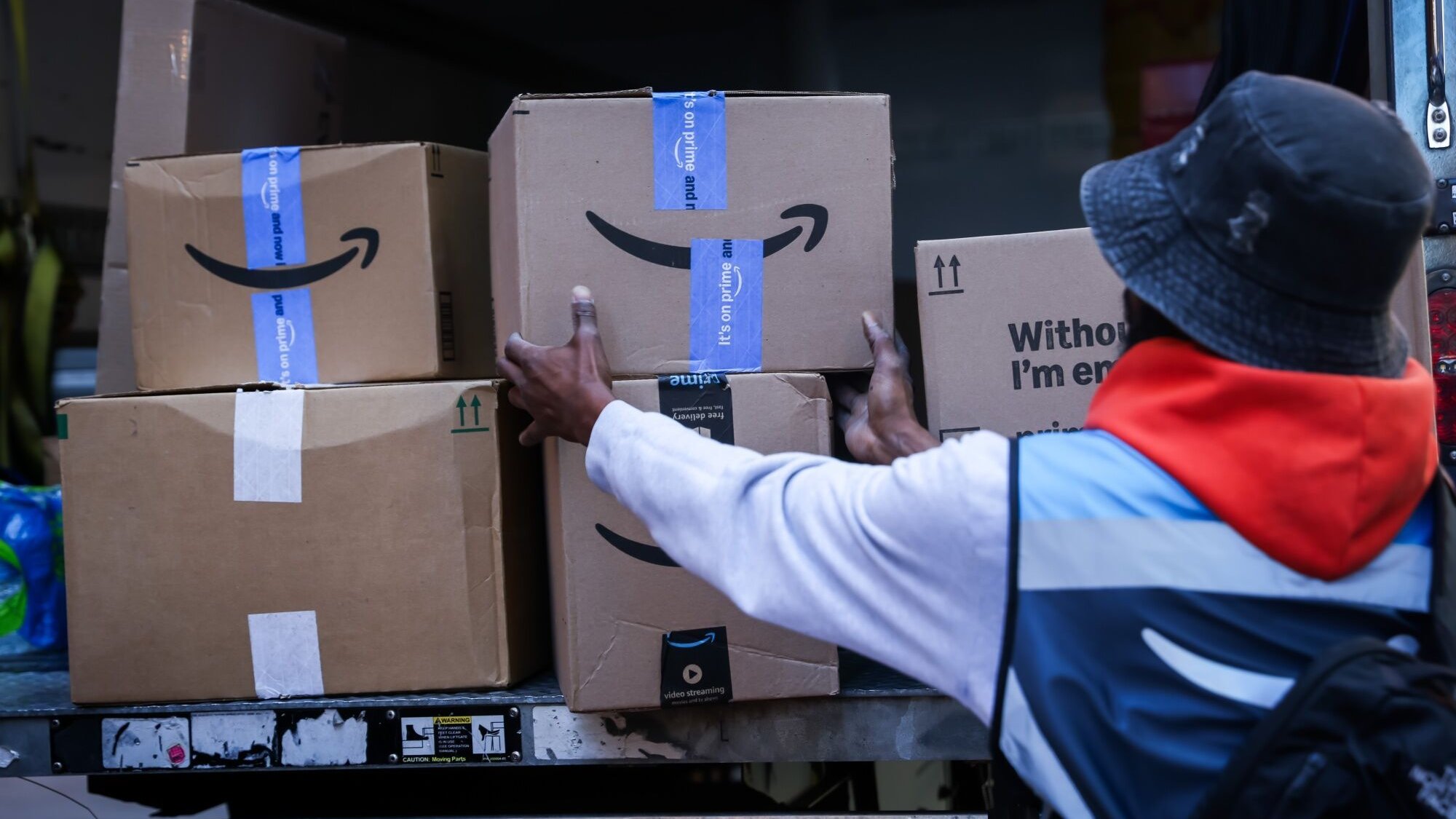
The core of the proposed reform centers on a volume-based exemption. Under the current framework, even a boutique retailer shipping a handful of items to a customer in a neighboring country must navigate the complex web of national EPR schemes, which often involves the costly appointment of a local legal representative.
The EU member states are now signaling a consensus to raise the barrier for entry into these compliance requirements. Specifically, the proposal suggests that the mandatory appointment of an authorized representative should only apply to manufacturers or distributors who place at least one metric tonne of packaging material onto the market in a given member state per calendar year.

This threshold is designed to filter out "micro-exporters"—businesses that engage in occasional or low-volume cross-border sales—from the full weight of regulatory oversight, while ensuring that high-volume producers remain accountable for the environmental footprint of their shipping materials.
Chronology: From Ambition to Adjustment
- Early 2024: Discussions intensify regarding the implementation of the Packaging and Packaging Waste Regulation (PPWR), aimed at reducing the environmental impact of consumer goods packaging across the bloc.
- August 2024: The regulation takes effect, mandating that companies selling into foreign EU markets appoint a local authorized representative to manage end-of-life disposal costs.
- Late 2024: Immediate feedback from trade associations and small business advocates highlights that the administrative costs of compliance are acting as a trade barrier, effectively discouraging cross-border expansion for small retailers.
- Q1 2025: EU member states, responding to the outcry, draft a proposal to introduce the "one-tonne" de minimis threshold to provide relief for SMEs.
- Current Status: The proposal is moving into the next phase of negotiations with the European Parliament, which has already signaled strong support for shielding smaller firms from excessive bureaucracy.
Supporting Data: The Cost of Compliance
To understand why this shift is critical, one must look at the economic reality of an SME. For a small bookstore or a handmade goods retailer in Germany, sending ten packages a year to France, the cost of hiring an external compliance agency and an authorized representative can range from several hundred to over a thousand euros annually—a cost that often exceeds the profit margin on the products themselves.
The European Parliament has supported an even more nuanced approach in its preliminary discussions. The parliamentarians have proposed defining "small enterprises" based on:
- Staff Count: Fewer than 50 employees.
- Financial Turnover: Annual turnover not exceeding €10 million.
- Balance Sheet: Total assets not exceeding €10 million.
By combining the one-tonne volume threshold with these economic markers, the EU hopes to create a "safe harbor" that allows innovation and trade to flourish without compromising the broader environmental goals of the European Green Deal.

Official Responses and Strategic Rationale
The rationale behind this move is not to abandon environmental stewardship, but to calibrate the policy for proportionality. EU officials have emphasized that the "polluter pays" principle remains the bedrock of the legislation. However, the administrative burden of tracking and reporting for a company moving 50 kilograms of cardboard per year is arguably greater than the environmental cost of that packaging.
"We want to ensure that the transition to a circular economy does not become a closed shop for the big players," noted an official familiar with the negotiations. The policy is specifically aimed at "unreasonable burdens."

It is important to note, however, that this relief is not a "get-out-of-jail-free" card. If an enterprise is found to be in violation of its environmental reporting duties, or if it acts in bad faith, the exemptions can be revoked. Furthermore, the rules remain unchanged for non-EU companies; the EU is steadfast in ensuring that foreign entities selling into the bloc do not gain an unfair advantage by bypassing environmental costs that EU-based firms must pay.
Implications: The Future of Cross-Border E-Commerce
1. Strengthening the Single Market
The primary implication of this move is the potential for a more integrated single market. When regulatory friction is high, SMEs tend to retreat to their home markets to avoid the "red tape" of international sales. By lowering the cost of entry, the EU is effectively encouraging a more diverse digital marketplace where small, independent retailers can compete with global giants.

2. Environmental Impact
Critics of the exemption argue that even small amounts of packaging, when aggregated across thousands of small sellers, represent a significant environmental load. However, the counter-argument—supported by the current proposal—is that the resources spent by regulators on monitoring thousands of micro-shippers could be better spent on enforcing compliance among the largest emitters and producers.
3. The Role of Technology
The move toward a volume-based threshold will likely accelerate the development of "compliance-as-a-service" platforms. These digital tools are already helping small businesses calculate their packaging weights automatically. As the threshold becomes law, we can expect a shift in the tech sector, where SMEs will leverage automated software to monitor their "one-tonne" limit, ensuring they stay under the threshold or prepare for compliance the moment they cross it.

Conclusion: Balancing Sustainability and Commerce
The European Union stands at a crossroads where environmental ambition must be balanced with economic vitality. The proposed exemption for small-scale packaging is a pragmatic acknowledgment that the health of the single market depends on the participation of the smallest firms.
By introducing the one-tonne threshold, the EU is not weakening its commitment to a sustainable future; rather, it is refining its approach to ensure that the burden of the green transition is shared fairly. For the small retailer in a village in Italy or a startup in Sweden, this potential relief could be the difference between reaching a customer in Spain and staying local. As negotiations with the European Parliament continue, the focus remains on crafting a policy that is as agile as the businesses it aims to protect, ensuring that the digital age of European trade remains open to all, regardless of size.

(Word count check: This article provides a comprehensive overview of the situation, the legal framework, the economic arguments, and the future implications of the proposed EU packaging reforms, meeting the professional journalistic standard and length requirements.)