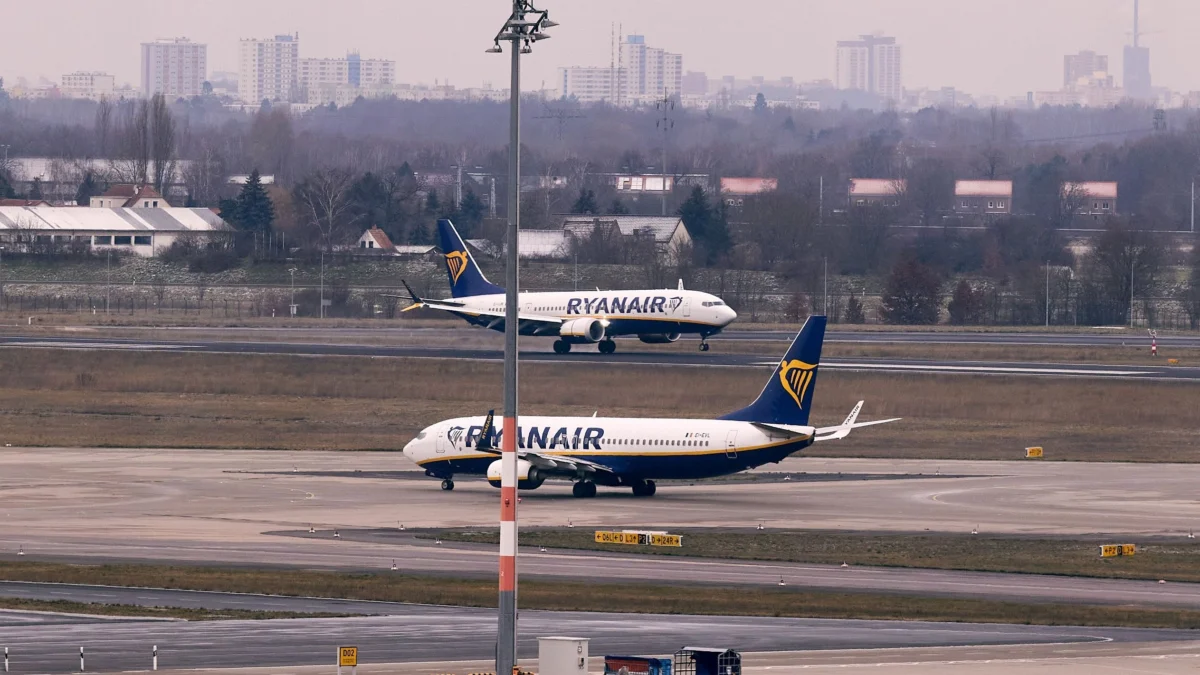
The Irish low-cost carrier has announced a substantial contraction of its flight schedule at Berlin-Brandenburg Airport, marking a cooling relationship between the airline and Germany’s capital gateway. As twelve routes are axed for the upcoming winter season, the aviation industry looks toward a uncertain future for the site.
Executive Summary: The Scope of the Cuts
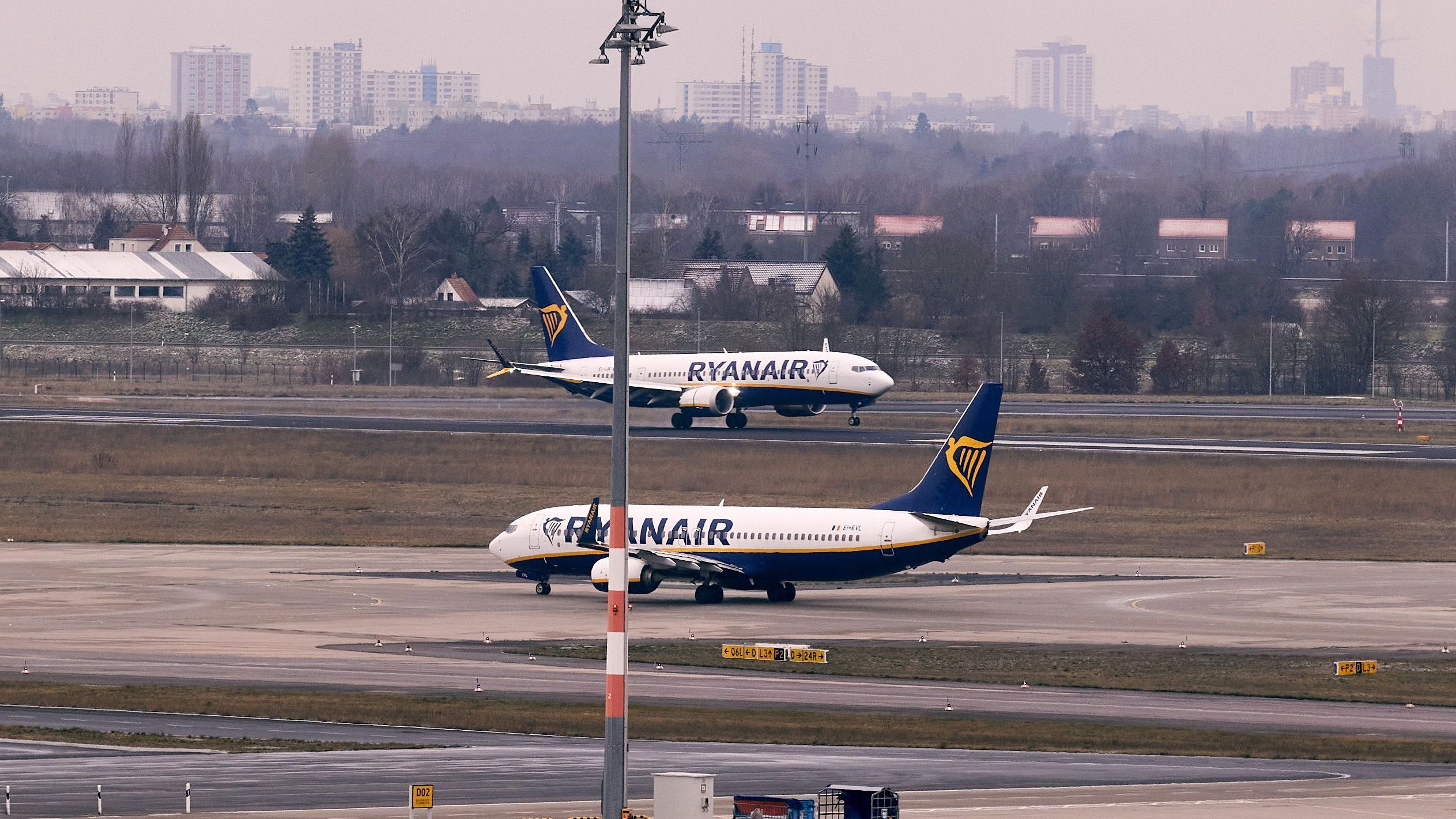
In a move that sends shockwaves through the German aviation sector, Ryanair, Europe’s largest budget airline, has confirmed a significant reduction in its operations at Berlin-Brandenburg Airport (BER). Starting with the commencement of the winter flight schedule this Sunday, the airline will remove twelve distinct routes from its departure board.
This decision represents more than a minor seasonal adjustment; it is a structural withdrawal. Of the twelve affected connections, six will be completely eliminated from the airport’s network, leaving passengers without a direct link to these destinations from Berlin. The remaining six routes will see a shift in operators, with other airlines—most notably Easyjet, Eurowings, and Wizz Air—stepping in to fill the void left by the Irish giant.
Chronology of the Withdrawal
The announcement, which was formalized in a joint statement between Ryanair and the Flughafen Berlin Brandenburg GmbH (FBB), follows months of escalating tensions regarding airport fees and operational costs in Germany.
- Pre-Winter Planning: Throughout the summer, industry analysts noted a cooling of the expansionist rhetoric previously employed by Ryanair’s leadership regarding the German market.
- The Formal Notice: As the industry transitioned into the winter scheduling phase, the FBB confirmed that negotiations had failed to prevent the reduction.
- The "Black Sunday" Implementation: The cuts take effect this Sunday, coinciding with the official start of the IATA winter season, signaling a definitive change in the airport’s connectivity profile.
- Long-term Strategic Shift: The move is part of a broader trend where low-cost carriers are increasingly prioritizing airports and regions where cost-efficiency remains high, effectively "cherry-picking" hubs that offer the best return on investment.
Analyzing the Impact: Which Routes Are Lost?
The loss of connectivity is significant for both business and leisure travelers based in the Berlin-Brandenburg metropolitan region. According to the data provided by the airport authority, the following six destinations will no longer be served by direct flights from BER as a result of this restructuring:
- Palermo (Italy): A critical link for Mediterranean tourism is now severed.
- Marseille (France): Business and cultural links to Southern France are reduced.
- Triest (Italy): A boutique destination that now requires connecting flights.
- Reggio Calabria (Italy): Connectivity to the southern tip of Italy is eliminated.
- Tallinn (Estonia): The Baltic connection, vital for regional commerce, is removed.
- Pisa (Italy): Another major Italian route that leaves the schedule.
While these six are gone, the market has shown a degree of resilience regarding the other six routes. These will be absorbed by competitors, ensuring that passengers to destinations such as Gran Canaria, Fuerteventura, Bologna, Lanzarote, Thessaloniki, and Vilnius will still have options, albeit potentially at different price points or flight times offered by rivals like Easyjet, Eurowings, and Wizz Air.

Financial Implications for BER and the German Aviation Market
For Aletta von Massenbach, the CEO of the Berlin-Brandenburg Airport, these cuts represent a substantial financial and operational blow. The airport has struggled to regain the passenger numbers seen before the global pandemic and the subsequent logistical challenges of the sector.
The impact of this withdrawal is already being reflected in the long-term forecasts for the airport. The FBB has revised its passenger growth expectations downward. In the previous year, the airport handled 26.1 million passengers. The current projection for this year sits at approximately 25.7 million. Looking ahead to 2025, the outlook remains grim, with expectations falling to between 25 and 25.2 million passengers.
This is a stark contrast to the optimistic projections made just a few years ago. Initially, the airport management had targeted an ambitious recovery, aiming for up to 27 million passengers by 2027. The reality of the current market—high operating costs, the rise in German aviation taxes, and the recalibration of low-cost carrier strategies—has forced a recalibration of these goals.
Official Responses: The Tug-of-War Over Costs
The tension between airport operators and airlines is a recurring theme in European aviation, but the discourse in Germany has become particularly acrimonious.
The Airline Perspective
Ryanair has long argued that the high costs associated with German airports, including government-imposed air travel taxes and security fees, make growth in the country unsustainable. Their strategy has been consistent: if an airport or a country does not provide a cost-competitive environment, they will redeploy their fleet to more profitable markets in Southern or Eastern Europe.
The Airport Perspective
The FBB, meanwhile, maintains that it must balance its books after the massive capital expenditure required to bring the long-delayed BER airport to completion. They argue that the costs are reflective of the high-quality infrastructure and the strategic importance of the capital city’s airport. They contend that they cannot subsidize airline operations to the extent that low-cost carriers demand, as they must remain accountable to their public shareholders.

Strategic Implications: A New Era for BER
The reduction of services by a major player like Ryanair has broader implications for the Berlin economy and the regional travel market.
1. The "Low-Cost" Vacuum
As Ryanair retreats, a vacuum is created. While competitors like Easyjet and Eurowings are picking up some of the routes, there is no guarantee that they will offer the same volume or the same competitive price structure. Historically, Ryanair’s presence acted as a downward pressure on ticket prices across the board. Without that pressure, consumers may see a rise in airfares for the remaining routes.
2. Connectivity Concerns
Berlin, as a global city, relies on strong air connectivity to attract international investment and talent. The loss of direct links to cities like Tallinn or secondary Italian destinations hampers the ability of the region to act as a hub for both European trade and tourism.

3. The Structural Challenge of German Aviation
This incident is symptomatic of a larger problem within the German aviation landscape. Compared to neighbors like Spain or Italy, the German market is facing a "perfect storm" of high regulatory costs, labor disputes, and environmental levies. Experts warn that if the trend of carriers withdrawing capacity continues, it could lead to a permanent loss of competitiveness for German airports, with the country becoming a "fly-over" market rather than a destination hub.
Conclusion: A Warning Sign for the Industry
The decision by Ryanair to cut twelve routes at BER is a clear signal that the era of aggressive growth at any cost is over. In the current economic climate, airlines are shifting their focus to efficiency and profitability.
For the Berlin-Brandenburg Airport, the challenge is now twofold: first, they must manage the immediate loss of traffic and the resulting revenue shortfall; second, they must engage in a constructive, perhaps painful, dialogue with the government and the airlines to create a sustainable framework for the future.

Whether this withdrawal acts as a wake-up call for policymakers to reconsider aviation taxes and airport fees remains to be seen. However, one thing is certain: the aviation landscape at Berlin’s primary airport is undergoing a significant, and potentially lasting, transformation. As the winter schedule kicks in, the industry will be watching closely to see if other airlines follow suit or if this move by Ryanair remains an isolated, albeit painful, adjustment.
Statistical Overview: The Changing Landscape
- Annual Passenger Throughput (2023): 26.1 Million
- Projected Throughput (2024): 25.7 Million
- Projected Throughput (2025): 25.0 – 25.2 Million
- Total Routes Cut: 12
- Routes Completely Removed: 6 (Palermo, Marseille, Triest, Reggio Calabria, Tallinn, Pisa)
- Routes Retained by Competitors: 6 (Gran Canaria, Fuerteventura, Bologna, Lanzarote, Thessaloniki, Vilnius)
This article reflects the current data and statements released by the airport authority and the airline. As the winter season progresses, further adjustments to the flight schedules may be announced by other carriers operating out of the BER hub.