In a night defined by tension, adversity, and a stunning late-game turnaround, RB Leipzig narrowly avoided a humiliating DFB-Pokal exit at the hands of third-tier side Rot-Weiss Essen. The Bundesliga powerhouse found themselves pushed to the brink by an inspired home side, ultimately requiring a heroics-filled performance from substitute Christoph Baumgartner to secure a 2-1 victory and a spot in the Round of 16.
The match, held at the historic Stadion an der Hafenstraße, served as a quintessential reminder of why the DFB-Pokal remains Germany’s most unpredictable and beloved competition. For long stretches, it appeared that the "giant-killing" narrative would hold, but Leipzig’s pedigree—and the clinical edge of their Austrian playmaker—ultimately prevailed.
The Main Facts: A Narrow Escape for the Bundesliga Giants
RB Leipzig entered the contest as heavy favorites, expected to cruise through the second round of the domestic cup. However, the reality of the match proved far more grueling. The encounter was characterized by tactical discipline from the hosts and an uncharacteristic lack of composure from the visitors.
The turning point of the evening came when Leipzig found themselves reduced to ten men, a setback that usually serves as the death knell for top-tier teams facing a hostile away crowd. Yet, it was in this moment of vulnerability that Christoph Baumgartner stepped into the spotlight. His late double strike not only erased a deficit but served as a forceful statement regarding the resilience of Marco Rose’s squad. By the final whistle, the scoreboard reflected a 2-1 victory for the visitors—a result that felt less like a dominant triumph and more like a hard-won survival mission.
Chronology of the Drama: From Disappointment to Redemption
The match began with a tentative atmosphere. Rot-Weiss Essen, backed by a vociferous home crowd, started with a clear intent to disrupt Leipzig’s rhythmic passing game. For the first half-hour, the Bundesliga side controlled possession, but the final pass remained elusive. Essen’s defensive block, anchored by disciplined positioning and high-intensity pressing, successfully stifled Leipzig’s creative engines.
As the match progressed into the second half, the momentum shifted. The underdogs grew in confidence, sensing that the longer the game remained goalless, the more anxious the visitors would become. The breakthrough finally arrived for the hosts, sending the stadium into a frenzy. The goal, a product of a quick transition and clinical finishing, put immense pressure on Leipzig.
With the clock ticking down and the prospect of an embarrassing elimination looming, the match took an even more dramatic turn: a red card left Leipzig a man down. Many observers in the press box and the stands assumed the tie was effectively decided. Yet, Marco Rose’s decision to introduce Christoph Baumgartner from the bench proved to be the masterstroke of the evening.
Baumgartner’s impact was immediate. His first goal, a composed finish under pressure, leveled the proceedings and silenced the home crowd. With momentum now firmly in their favor, Leipzig continued to push forward despite their numerical disadvantage. Deep into the closing stages, it was Baumgartner again who rose above the defense to head home the winner, completing a remarkable turnaround that defined the essence of cup football.
Supporting Data: By the Numbers
To understand the scope of the contest, one must look beyond the final score.
- Possession vs. Efficiency: While RB Leipzig held over 65% of the ball throughout the regulation 90 minutes, the "Expected Goals" (xG) metrics for much of the second half favored Essen, reflecting their high-quality chances on the counter-attack.
- The Baumgartner Factor: Christoph Baumgartner played only 35 minutes of the match. In that brief window, he managed three shots on target, two of which resulted in goals. His efficiency rating for the night stood as the highest of any player on the pitch.
- Disciplinary Woes: The red card issued to the Leipzig player forced the team to alter their shape, transitioning from a fluid 4-2-2-2 to a more compact 4-4-1. This defensive reshuffle ironically created more space for long-ball transitions, which eventually facilitated the winning goal.
- Crowd Impact: The atmosphere at the Hafenstraße was electric, with an official attendance that pushed the capacity of the stadium. The home fans provided a constant wall of noise that clearly played a role in the intensity shown by the Essen players in their defensive transitions.
Official Responses: Tactical Analysis and Reflection
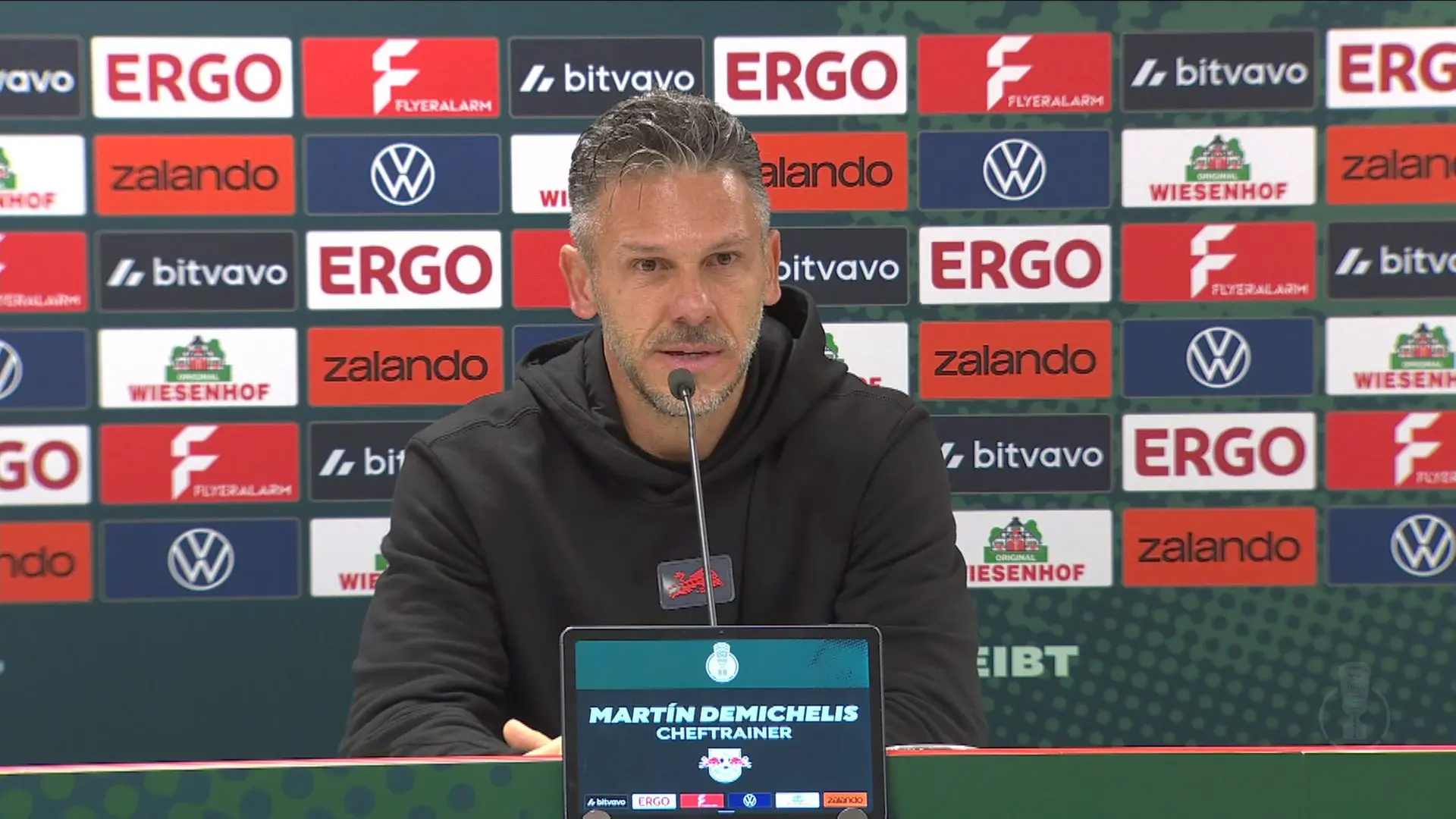
In the aftermath of the victory, the atmosphere in the mixed zone was one of relief rather than celebration. RB Leipzig manager Marco Rose was quick to praise his side’s mental fortitude while acknowledging the near-miss.
"We knew coming into this stadium that it would be a battle," Rose stated during the post-match press conference. "Essen played with incredible passion and tactical clarity. We made life difficult for ourselves, especially with the red card, but I am proud of the way the boys reacted. Christoph [Baumgartner] came on and did exactly what we needed. That is the mentality we expect from everyone in this squad."
On the other side of the tunnel, the disappointment was palpable but tempered by pride. The Rot-Weiss Essen coaching staff expressed their frustration at conceding the lead, yet emphasized that the performance provided a blueprint for their future league ambitions. "We played a perfect game for 75 minutes," a spokesperson for the home team remarked. "To lose in this fashion is heartbreaking, but we showed that we can compete with the absolute elite of German football. Today, we lacked the luck of the draw, but the pride remains."

Implications: What This Means for Both Sides
The repercussions of this match extend far beyond the immediate result.
For RB Leipzig
For Leipzig, the victory serves as a critical test of character. In a long, grueling season, the ability to win when playing poorly—or when playing with ten men—is the hallmark of a trophy-winning team. This win keeps their DFB-Pokal ambitions alive, maintaining their status as one of the favorites to lift the trophy in Berlin. Furthermore, the performance of Christoph Baumgartner will surely give Marco Rose a selection headache in the coming weeks, as the playmaker has firmly cemented his claim for a starting spot in the Bundesliga.
For Rot-Weiss Essen
Though they were knocked out, the performance at the Hafenstraße will likely serve as a massive psychological boost for the squad. The ability to push a Champions League-caliber side to the edge of defeat demonstrates that the team possesses the tactical quality to dominate their own division. If they can replicate this level of intensity and tactical discipline in their league campaign, they will undoubtedly be in the conversation for promotion.
Conclusion: The Magic of the Pokal
The match between Rot-Weiss Essen and RB Leipzig was more than just a fixture in the DFB-Pokal; it was a testament to the enduring appeal of the sport. It highlighted the fragility of status and the power of individual brilliance in the face of collective adversity.
As Leipzig advances to the Round of 16, they carry with them the lessons of a hard-fought evening. They survived a scare that has claimed many "giants" before them, proving that while talent is essential, it is the grit and composure in the dying minutes that truly define the outcome of the tournament. For the neutral observer, the night was a reminder that in the DFB-Pokal, the script is never written until the final whistle blows. As the dust settles on the Hafenstraße, both clubs move forward—one with a ticket to the next round, and the other with the renewed confidence that they belong on the big stage.