ESSEN, GERMANY – The deep-seated animosity often found in the modern German football landscape took an unexpectedly literal turn on Tuesday morning. In a bizarre act of pre-match protest, supporters of third-tier club Rot-Weiss Essen (RWE) effectively "bricked up" the away entrance at the Stadion an der Hafenstraße, attempting to prevent fans of Bundesliga giants RB Leipzig from entering the stadium ahead of their second-round DFB-Pokal encounter.
The incident, which saw a wooden frame structure at the entrance to the away section filled with wet concrete, served as a stark and heavy-handed physical manifestation of the long-standing friction between traditional club cultures and the modern, corporate-backed model represented by Leipzig.
The Incident: A Night of "Construction"
In the early hours of Tuesday, October 27, 2026, the quiet streets surrounding the Stadion an der Hafenstraße were transformed into an impromptu construction site. While the rest of the city slept, an unidentified group of individuals executed a targeted operation.
The protesters constructed a wooden frame connecting the two main entry gates of the away section. They then proceeded to fill this frame with quick-drying concrete, effectively sealing the entrance shut. The message was as clear as it was bold: a hand-painted sign placed above the hardened mess read, "Bullen müssen heute draußen bleiben" ("The Bulls must stay outside today").
The term "Bullen" (Bulls) is a common, often derogatory nickname used by opposing fans to refer to RB Leipzig, owing to their association with the energy drink brand Red Bull. By physically barring the entrance, the perpetrators sought to make a symbolic statement about the commercialization of football—a sentiment that remains a burning issue for many German "ultras" and traditionalist fan bases.
Chronology of the Siege and Cleanup
The timeline of the event highlights the logistical challenge such a protest presents to stadium operators and local authorities:
- 03:00 – 05:00 CET: Under the cover of darkness, the group completes the construction of the wooden frame and fills it with concrete. The message is displayed, and the area is abandoned before security patrols discover the obstruction.
- 08:00 CET: Stadium maintenance staff and local authorities arrive for a routine pre-match inspection, only to find the away entrance completely fortified.
- 09:30 CET: A joint team comprising municipal workers and RWE club staff begins the delicate process of removing the obstruction. The task requires heavy-duty tools, including jackhammers and crowbars, to break through the reinforced concrete without damaging the stadium’s historical structure.
- 11:30 CET: The "siege" is officially declared over. The debris is cleared, the gates are deemed functional, and the entrance is reopened.
- 18:00 CET: Kick-off for the DFB-Pokal match proceeds as scheduled, with the away section accessible to the traveling support from Leipzig.
The Cultural Context: Why RB Leipzig?
To understand the motivation behind this act, one must look at the broader cultural divide in German football. RB Leipzig, since its founding in 2009, has been a lightning rod for controversy. Unlike most German clubs that operate under the "50+1" rule—which ensures that members retain majority voting rights—Leipzig is widely viewed as a project designed to bypass these democratic structures.
For many traditional clubs like Rot-Weiss Essen, which prides itself on its working-class roots and deep local identity, the rise of a corporate-sponsored entity like Leipzig is seen as an existential threat to the "soul" of the sport. The concrete blockade was not merely a prank; it was a desperate, physical protest against what these fans perceive as the encroachment of corporate interests into the fan-owned ecosystem of the Bundesliga.
Official Responses and Security Implications
The club’s reaction was swift and dismissive of the vandals’ impact. Rot-Weiss Essen spokesperson Henrik Lerch addressed the media shortly after the cleanup operation was completed.
"It was an annoyance of short duration," Lerch stated, emphasizing the club’s desire to keep the focus on the football. "Within two hours, our staff had the area cleared. The gates are fully functional, and we look forward to a safe and competitive match."
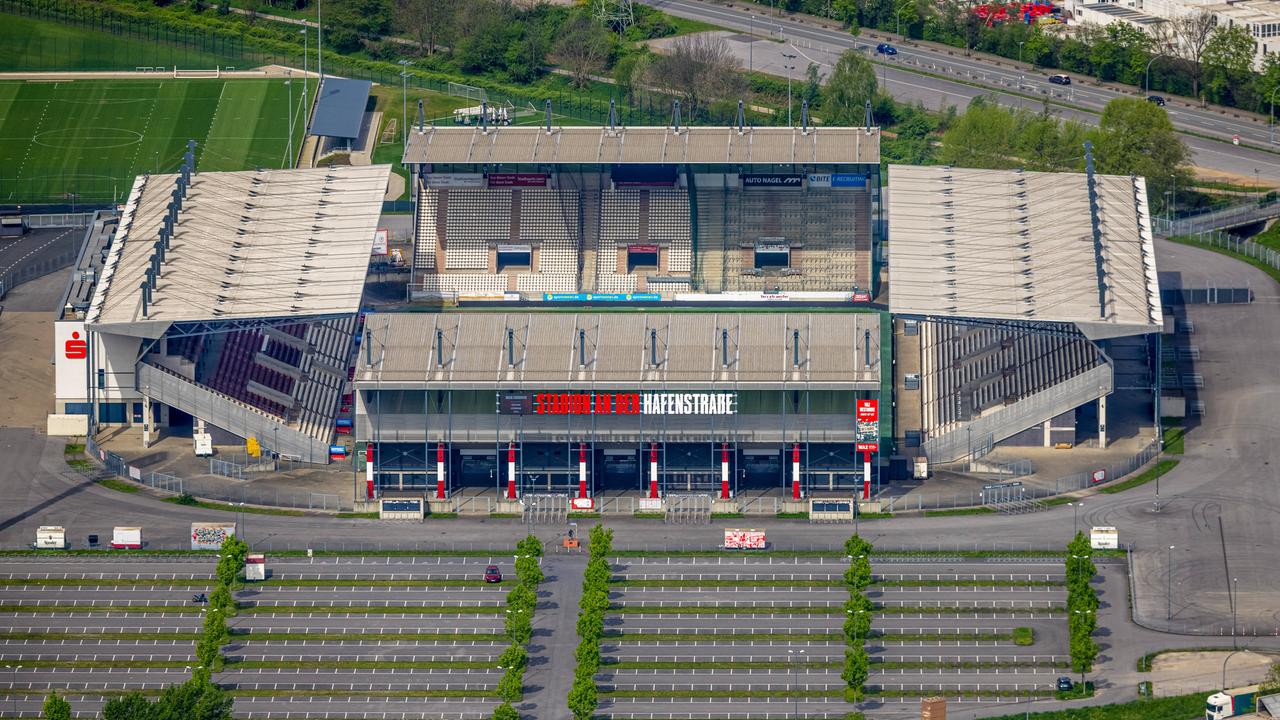
However, the incident raises significant questions regarding security. The fact that individuals were able to perform such extensive manual labor on stadium grounds without detection is a major embarrassment for the venue’s security providers. While the "construction" was clearly a political statement rather than a violent attack, the ability to sabotage public infrastructure ahead of a high-profile event has forced the police to heighten their vigilance for the remainder of the tournament.
The police have confirmed that while no arrests were made at the scene, an investigation into property damage and trespassing is underway. Surveillance footage from the surrounding area is currently being reviewed to identify the perpetrators.
Supporting Data: The Stakes of the Match
The Stadion an der Hafenstraße has a capacity of approximately 20,000. For this DFB-Pokal fixture, 550 tickets were allocated to the traveling RB Leipzig fans. Despite the logistical chaos caused by the blockade, the club confirmed that the match would proceed with all safety protocols intact.
This is not the first time the two clubs have crossed paths in this competition. In August 2024, RB Leipzig visited Essen in the first round of the DFB-Pokal, securing a 4-1 victory. The memory of that defeat, combined with the general distaste for Leipzig’s business model, likely fueled the intensity of the protest.
Interestingly, the act of defiance overshadowed an official notice released by RWE just one day prior. On Monday, the club had issued a warning stating that "away fans would be denied access to home sections of the stadium, even with valid tickets." While this was a standard security measure to prevent crowd congestion and potential conflict, the "construction" of the morning turned the club’s official policy into a secondary talking point.
Broader Implications: The Future of Fan Protest
The "Concrete Blockade" of 2026 will likely go down in the annals of German football history as one of the most creative, if disruptive, forms of protest. It serves as a reminder that the tension between fans and the modern football establishment is not subsiding; if anything, it is becoming more creative and aggressive.
Sociologists who study German football culture note that as fans feel increasingly alienated by the commercial evolution of the sport, they turn to symbolic gestures to reclaim their space. "The concrete is a symbol," one expert noted. "They are trying to say that the gates of tradition are being closed, and they are literally ‘cementing’ that feeling of exclusion."
As the DFB-Pokal continues, officials are now faced with the task of balancing the protection of free speech and protest with the absolute necessity of stadium security. The incident in Essen proves that for some, the football match is secondary to the battle for the identity of the game itself.
Ultimately, the concrete was pulverized, the gates opened, and the game was played. But the dust from the jackhammers at the Hafenstraße serves as a permanent reminder of the deep scars that commercialization has left on the German football psyche—scars that are, quite literally, as hard as stone.