The anticipation surrounding the upcoming UEFA Conference League encounter between AS Monaco and SC Freiburg has been overshadowed by an unprecedented series of administrative restrictions imposed by the Monegasque authorities. As the Bundesliga side prepares for their European campaign, thousands of traveling fans find themselves in a precarious position, facing a rigid set of rules that effectively criminalize the display of club identity in public spaces across the Principality.
The mandates, issued by the Minister of State for the Principality of Monaco, have turned what should be a celebration of international football into a logistical and legal minefield. With the match scheduled for this Thursday at 21:00, the atmosphere in the tiny city-state is expected to be as tense off the pitch as it is competitive on it.
The Scope of the Restrictions: A City Under Lockdown
The administrative orders issued by the Monegasque government are among the most restrictive seen in recent European football history. The decrees, which apply exclusively to the day of the match, serve to effectively isolate traveling Freiburg supporters from the rest of the city’s tourist and public infrastructure.
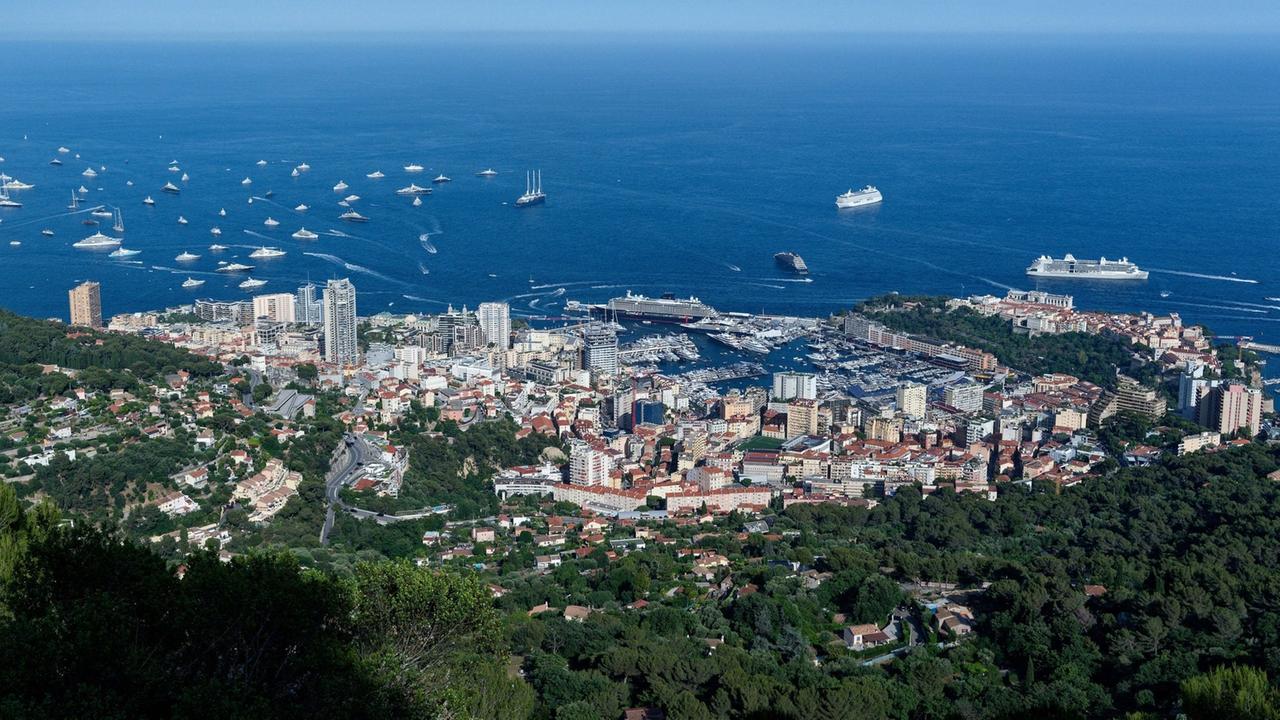
The core of the issue lies in a comprehensive "no-go" directive. Between 08:00 and midnight on match day, fans identified as supporters of SC Freiburg—or anyone wearing club colors, scarves, or insignia—are strictly prohibited from entering specific high-traffic zones. These include the Fontvieille shopping center, the Port of Fontvieille, and the eastern and western moles of the same district.
Furthermore, the authorities have designated specific public thoroughfares as off-limits to "identifiable" fans. These include the Route de la Piscine, Avenue J.F. Kennedy, and the Quai Albert. These locations, which are central to the visitor experience in Monaco, have been declared forbidden zones for anyone carrying items associated with the German club. Additionally, a blanket ban on the consumption of alcohol will be enforced across the entire territory of the Principality between 14:30 and 19:15, a move clearly aimed at curbing the typical pre-match festivities common among European away fans.
A Legal Battle Against Administrative Overreach
In response to these measures, the SC Freiburg leadership has taken an aggressive stance. Recognizing that these restrictions fundamentally impede the rights of their traveling supporters and create a climate of suspicion, the club has entered into a series of urgent consultations with AS Monaco, local authorities, and representatives from UEFA.
On Tuesday, the club escalated the matter significantly by filing an application for an emergency injunction against the ministerial decrees in the Monegasque courts. The club’s legal strategy is being bolstered by Football Supporters Europe (FSE), an organization that has formally joined the proceedings to advocate for the rights of the fans.
Despite the urgency, observers remain skeptical about the prospects of a legal victory. The sovereignty of the Principality allows for wide-ranging security discretion, and the judicial system is notoriously difficult to navigate on such short notice. Nevertheless, the club’s public communication remains steadfast, with officials emphasizing their duty of care toward their supporters who have already made travel arrangements to support the team in the Conference League.
Logistics: The Managed Arrival of Fans
The constraints extend far beyond mere location prohibitions. The arrival process for the 850 fans permitted to attend the match at the under-renovation Stade Louis II has been turned into a highly controlled operation.
Fans are explicitly banned from entering the stadium via the local train station, a primary transit point for most visitors to the region. Instead, a strict, state-mandated transit protocol has been established. Fan buses arriving on Thursday must reach the Albert II tunnel at the western entrance of the city by 18:30. From that point, the Sûreté Publique (the Monegasque police force) will take over, providing a mandatory escort to the "Security Zone West" at the foot of Tribune H.
The logistical burden is immense: the SC Freiburg administration was required to submit the official license plate numbers of every fan bus to the Monegasque security authorities well in advance, leaving no room for spontaneous travel arrangements.
Historical Context: Why the Harsh Measures?
The rationale provided by the Monegasque authorities for these extreme measures is rooted in a narrative of "public order." According to the official statement from the Ministry of State, the restrictions are a preventative response to the reputation of SC Freiburg’s traveling support.
The authorities allege that the club’s fans are known for traveling in large numbers and causing frequent disturbances to public order, particularly concerning excessive alcohol consumption. To support this position, the government cited incidents from previous European campaigns, most notably the Europa League match in Nice last November. During that fixture, similar restrictions were imposed, with fans also forbidden from displaying team colors in public.
This creates a recurring pattern where the behavior of a minority—or in some cases, the perception of that behavior—leads to the collective punishment of an entire traveling fanbase. For the average SC Freiburg supporter, this means that representing their team’s colors becomes a potential legal liability, an approach that many fan advocacy groups argue is disproportionate and counterproductive to the spirit of international football.
Implications for European Football
The situation in Monaco raises significant questions about the future of away fan culture in European competitions. As security costs rise and urban spaces become more difficult to manage during high-profile matches, authorities are increasingly resorting to "sanitization" tactics. By isolating away fans from the local population, cities believe they are reducing the risk of confrontation.
However, critics argue that these measures do more harm than good. By forcing fans into restricted, police-escorted zones, the authorities are arguably creating a pressure cooker environment. Instead of allowing fans to mingle naturally within the city, these bans remove the social integration that usually acts as a cooling mechanism during football matches.
Furthermore, the involvement of Football Supporters Europe highlights the growing rift between the governing bodies of football and the match-going public. While UEFA encourages fans to travel and support their clubs, the reality of hosting those fans is becoming increasingly fraught with local administrative pushback.
Looking Ahead: The Match on the Pitch
Despite the chaos unfolding in the administrative offices and the courtrooms, the game itself remains the focal point. For the SC Freiburg players, the noise surrounding the match is an unwanted distraction. The team arrives in the Principality knowing that their supporters are facing severe adversity just to be present at the stadium.
The match, which will be broadcast live via the SWR Sport audio stream and on sportschau.de, represents a crucial point in the Conference League table. Both teams are looking to secure vital points to progress in the competition. The contrast between the atmosphere of the beautiful stadium and the restrictive, police-heavy environment surrounding it will be stark.
For the 850 fans who make it into the stadium, the game will be a test of resilience. They will be confined to a specific section, under the watchful eye of the Sûreté Publique, and warned not to stray from their designated paths. It is a stark reminder that in the modern era of elite football, the experience of being an "away fan" is increasingly defined by the administrative obstacles one must overcome before the first whistle even blows.
Summary of Key Points
- Administrative Orders: The Monegasque government has implemented a complete ban on club-identifiable clothing and symbols, alongside a public alcohol ban on match day.
- Restricted Zones: Fans are barred from key areas like the Fontvieille shopping center and major public squares between 08:00 and midnight.
- Legal Action: SC Freiburg has filed an injunction, supported by Football Supporters Europe, citing the unfair treatment of their supporters.
- Logistics: A highly controlled, police-escorted bus arrival system has been established, prohibiting individual train travel for fans.
- Official Justification: The government claims these measures are necessary to prevent public order issues, citing past disturbances in Nice as a precedent.
As the match approaches, the focus remains on whether the legal system will provide any relief for the visiting supporters or if they will be forced to comply with these stringent regulations. Regardless of the outcome on the pitch, the administrative events in Monaco have already left an indelible mark on the club’s European journey, serving as a cautionary tale about the challenges of modern international football travel.