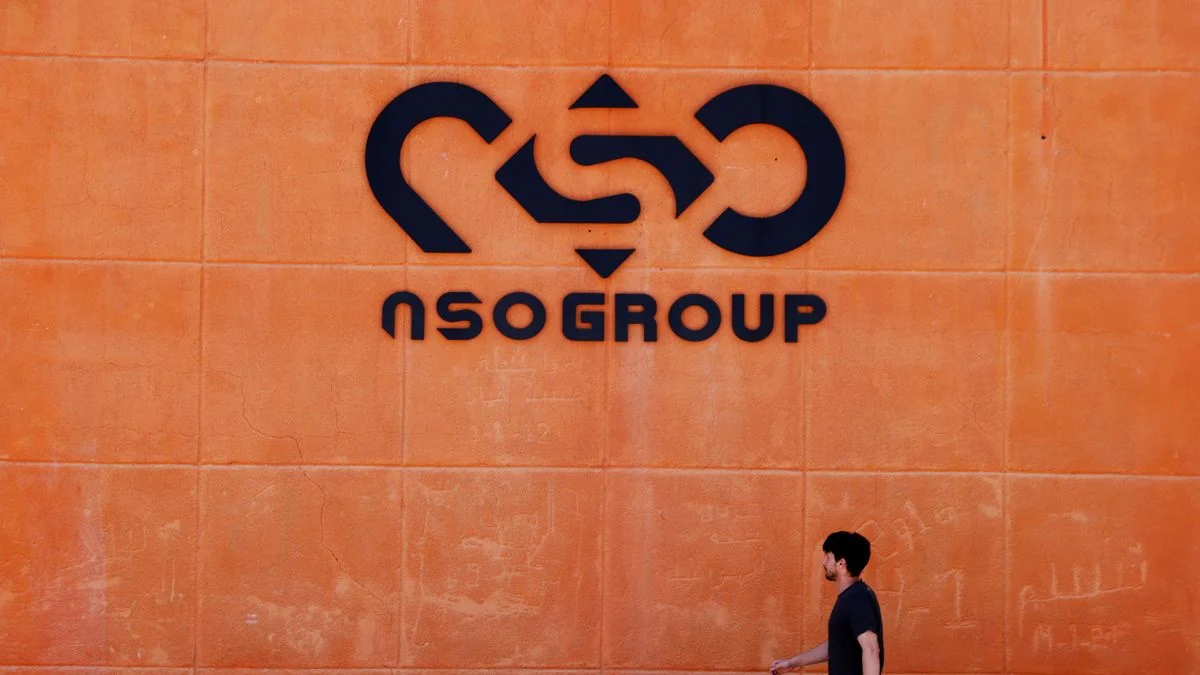
In a significant escalation of a long-standing legal and technological war, Meta—the parent company of WhatsApp—has announced the successful thwarting of a series of sophisticated "spear-phishing" attacks. The tech giant has directly attributed these malicious efforts to the NSO Group, the Israeli-based cybersecurity firm infamous for its controversial "Pegasus" spyware. This development marks a new chapter in a multi-year conflict that pits the world’s most popular messaging platform against one of the world’s most powerful purveyors of digital surveillance tools.
The Nature of the Threat: Precision Over Mass Deception
Unlike traditional phishing campaigns, which often rely on "spray and pray" tactics—sending millions of unpersonalized, generic emails or messages to lure victims—spear-phishing is a surgical instrument. It involves the meticulous targeting of specific individuals, often high-profile figures, journalists, activists, or political dissidents.
According to a report released by Meta, the recent attacks involved sophisticated social engineering. The attackers created a network of suspicious test accounts and groups within the WhatsApp ecosystem to probe the platform’s security protocols and identify potential vulnerabilities. Meta’s security teams, acting on reports from users, identified these clusters and promptly purged them from the system.
"After investigating user reports, we successfully thwarted social engineering attempts linked to the NSO Group," Meta stated in an official update. "The perpetrators attempted to trick users into clicking on malicious links designed to redirect them to external websites outside the protective environment of WhatsApp, where their devices could be compromised."
A Chronology of Conflict: The Pegasus Legacy
To understand the gravity of the current situation, one must look back to 2019, when Meta first initiated legal proceedings against the NSO Group in a California federal court. That lawsuit followed the discovery that NSO’s flagship software, Pegasus, was being utilized to exploit a critical vulnerability in WhatsApp’s video-calling feature.
Pegasus is not merely a tool; it is a "zero-click" exploit, capable of infiltrating a smartphone without the user ever interacting with a malicious link or file. Once installed, it grants the operator total control over the device, including access to encrypted messages, photos, location data, and even the microphone and camera.
The fallout from the 2019 discovery was global. Investigations revealed that Pegasus had been deployed against a chilling list of targets: human rights defenders, journalists in conflict zones, and political opposition leaders. The revelations triggered widespread international condemnation, culminating in the U.S. Department of Commerce placing the NSO Group on its "Entity List" in 2021, effectively blacklisting the company from accessing U.S. technology and services. Despite these sanctions and ongoing litigation, the recent events suggest that the company’s operations—or at least the use of its techniques—have persisted.
The Legal Implications: Contempt of Court
Meta has now signaled its intent to seek a finding of "contempt of court" against the NSO Group, alleging that the latest spear-phishing campaign constitutes a direct violation of previous court injunctions. By continuing to develop and deploy methods to bypass platform security, Meta argues that the NSO Group is operating in blatant defiance of the rule of law.
Will Cathcart, the head of WhatsApp, has been vocal regarding the latest intrusion. In a statement posted to the social platform X (formerly Twitter), Cathcart did not mince words: "Seven years after we first exposed their targeting of journalists and civil society, the NSO Group continues to act in violation of U.S. law. Foreign spyware companies must not be permitted to endanger the private communications of people across the globe."
As of this writing, the NSO Group has not responded to requests for comment from major news agencies, including Reuters, maintaining its long-standing posture of silence regarding specific operational allegations.
Geopolitical Tensions and the Spyware Shadow
The timing of this renewed hostilities between Meta and NSO is particularly sensitive, occurring amidst heightened friction between the United States and Israel regarding international espionage. Recent reports, including a detailed analysis by The New York Times, indicate that the Pentagon has expressed growing concern over potential Israeli intelligence operations, particularly in the context of sensitive nuclear negotiations with Iran.
The NSO Group’s identity remains a complex puzzle of corporate structure and national interest. While founded and headquartered in Israel, the company’s ownership landscape shifted significantly in late 2025. Reports from TechCrunch confirmed that a group of U.S. investors had acquired a majority stake in the firm. However, the company continues to operate under the stringent oversight of the Israeli Ministry of Defense. This creates a unique diplomatic friction point: a company owned by U.S. interests, regulated by the Israeli government, yet accused of attacking a quintessential American tech giant.
The Broader Implications for Global Privacy
The Meta-NSO saga serves as a microcosm of a much larger crisis in the digital age: the privatization of surveillance. For decades, the ability to monitor telecommunications was the exclusive domain of nation-states with massive intelligence budgets. The rise of companies like NSO Group has democratized—or rather, commercialized—this power.
1. The Erosion of End-to-End Encryption
WhatsApp’s primary selling point is its end-to-end encryption. However, the NSO Group’s business model relies on bypassing this by compromising the "endpoint"—the device itself. If the software can read the screen or record the audio before it is encrypted, the encryption itself becomes moot. This cat-and-mouse game forces tech companies to constantly re-engineer their software, leading to a permanent state of digital insecurity for the average user.
2. The Weaponization of Social Engineering
The fact that NSO is now resorting to social engineering—tricking users into clicking links—suggests that as technical exploits (like zero-click vulnerabilities) become harder to develop and more expensive to maintain, attackers are increasingly relying on the "human element." This shift highlights that even the most robust encryption in the world cannot protect a user who is effectively tricked into opening the door for an attacker.
3. Regulatory Inadequacy
The inability of current international law to effectively curb the activities of private spyware firms is a glaring regulatory failure. While the U.S. blacklist was a step in the right direction, it has not stopped the proliferation of these tools. As long as there is a market for high-level surveillance, companies will find ways to circumvent existing restrictions, either by moving operations to more permissive jurisdictions or by operating through shell companies.
Conclusion: A New Front in the Cyber Cold War
The conflict between Meta and the NSO Group is far from over. It is a war of attrition, where every victory for a platform like WhatsApp is met with a new, more refined attempt to breach its defenses.
For the average user, these headlines serve as a stark reminder that the digital realm is not a safe haven. While WhatsApp remains a secure platform for everyday communication, the existence of entities dedicated to finding "backdoors" into private lives underscores the fragility of modern digital security.
As the case moves back into the courtroom, the legal outcome will likely set a global precedent. If Meta can successfully hold a foreign private entity accountable for violating domestic court orders, it could provide a roadmap for other platforms to combat the unchecked spread of mercenary spyware. Until then, the battle for the privacy of billions of users continues in the shadows of the internet, where every click is a potential point of failure.