Berlin, Germany – In a significant move poised to inject renewed optimism into Germany’s nascent hydrogen economy, energy giants EWE AG and Austria’s Verbund AG have announced plans for a colossal 500-megawatt (MW) electrolyzer project. This ambitious undertaking, confirmed by EWE CEO Stefan Dohler and Verbund CEO Michael Strugl in an interview with Handelsblatt, stands in stark contrast to the prevailing trend of project cancellations and delays plagating the German hydrogen market. The joint venture aims to produce green hydrogen on an industrial scale, targeting critical sectors such as industry, mobility, and energy, with a projected operational start in 2032. However, the final investment decision remains contingent upon crucial approval from the European Commission, underscoring the complex interplay between private ambition and regulatory frameworks in the energy transition.
The announcement comes at a pivotal moment for Germany, a nation committed to becoming a global leader in green hydrogen production and consumption. Despite significant political backing and strategic initiatives, the practical implementation of hydrogen projects has faced numerous headwinds, including soaring energy costs, supply chain disruptions, and a cumbersome regulatory environment. EWE, based in Oldenburg, and Verbund, Austria’s largest electricity producer, are positioning their collaboration as a beacon of progress, demonstrating a resolute commitment to decarbonization and the long-term viability of green hydrogen as a cornerstone of future energy systems.
The proposed electrolyzer, slated for construction in the Wesermarsch region between Oldenburg and Bremerhaven, leverages the geographical advantages of northern Germany, including its proximity to abundant offshore wind resources, which are essential for producing truly "green" hydrogen through electrolysis. The sheer scale of the 500 MW facility is noteworthy, placing it among the largest planned projects in Europe and signaling a serious intent to move beyond pilot phases to industrial-scale production. The success of this project could serve as a vital blueprint, demonstrating how large-scale green hydrogen production can be achieved and integrated into existing and future energy infrastructure, provided the necessary political and financial support materializes from Brussels.
Main Facts: A Bold Leap Forward for Green Hydrogen
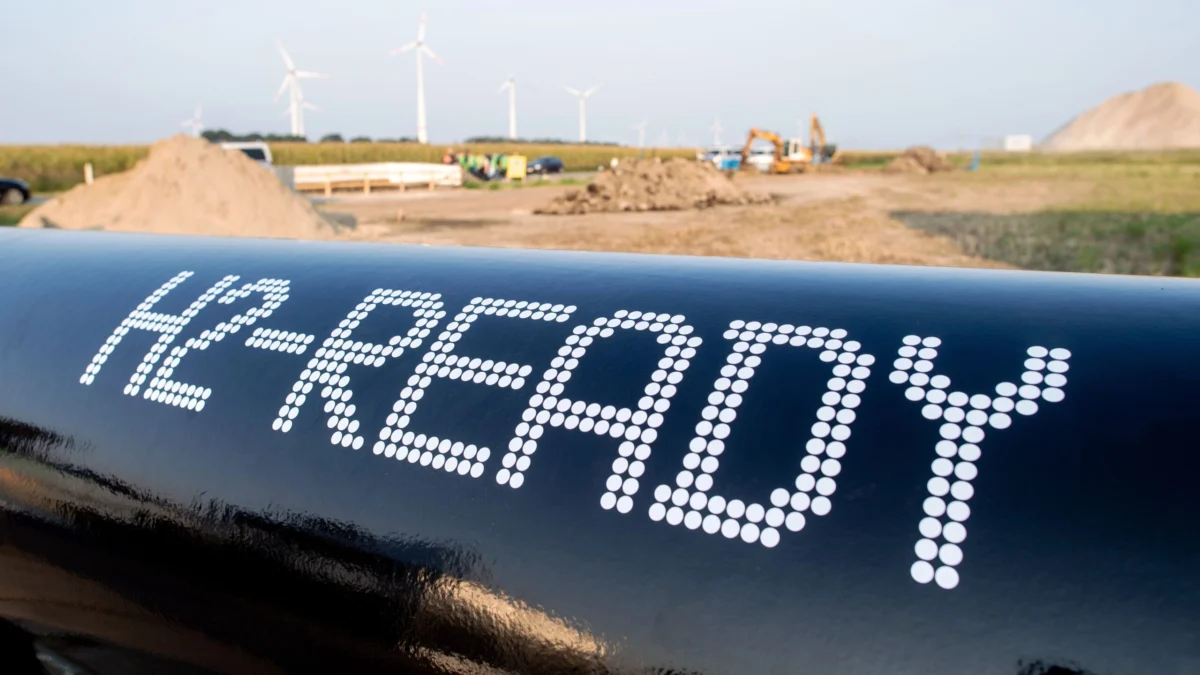
The core of this groundbreaking initiative lies in the planned construction of a 500-megawatt (MW) electrolyzer, a facility designed to split water into hydrogen and oxygen using electricity from renewable sources – thereby producing "green hydrogen." This output capacity positions the project as one of Europe’s largest, signaling a significant step beyond smaller pilot installations and towards industrial-scale production vital for decarbonizing heavy industries and transportation.
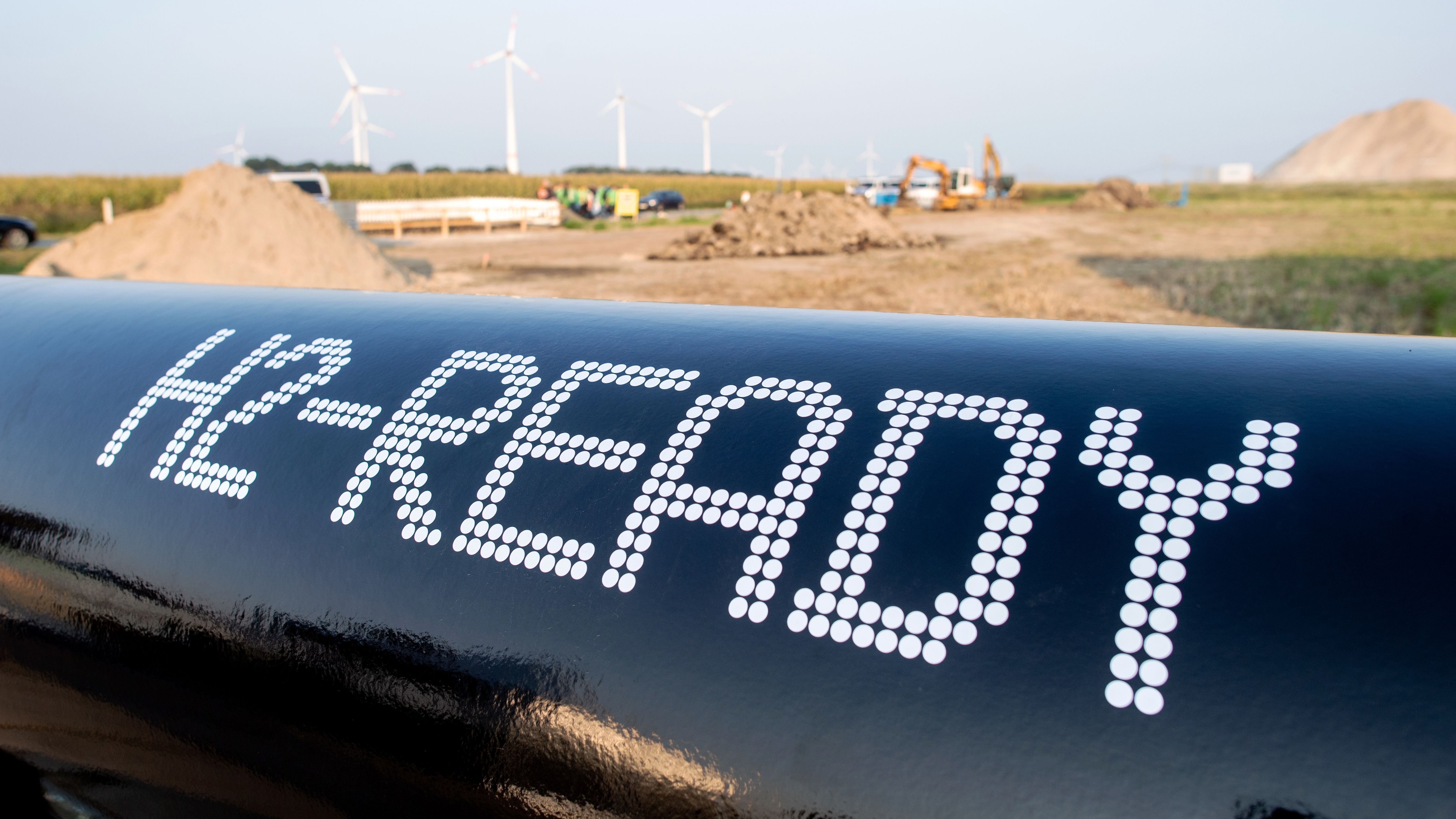
EWE AG, an Oldenburg-based energy company with deep roots in northern Germany, and the Austrian Verbund AG, a leading hydro-power producer and one of Europe’s largest generators of electricity from renewable sources, are the driving forces behind this venture. Their collaboration brings together regional energy expertise with a strong European renewable energy background, forming a potent alliance for green energy innovation.
The primary objective of the facility, once operational in 2032, is to supply green hydrogen to a broad spectrum of sectors. This includes energy-intensive industries seeking to reduce their carbon footprint, the mobility sector exploring hydrogen fuel cells for heavy-duty transport, and the broader energy sector where hydrogen can serve as a storage medium for intermittent renewable electricity or as a clean fuel for power generation. The strategic location in the Wesermarsch region, nestled between Oldenburg and Bremerhaven, is particularly advantageous due to its access to potential renewable energy sources, especially offshore wind power from the North Sea, and proximity to industrial demand centers and existing gas infrastructure that can be repurposed for hydrogen transport.
Crucially, the entire investment decision hinges on securing approval from the European Commission. This condition highlights the significant financial commitment required for projects of this magnitude and the reliance on European state aid frameworks, such as the Important Projects of Common European Interest (IPCEI), which are designed to support strategic cross-border initiatives in key industrial sectors. Without such support, the economic viability of green hydrogen projects at this scale remains challenging given current production costs and market uncertainties. The partnership between EWE and Verbund, therefore, represents not just a technological ambition but also a strategic bet on the future regulatory and economic landscape for hydrogen within the European Union.
Chronology: Navigating a Challenged Market
The backdrop for this optimistic announcement is a German hydrogen market that has, by many accounts, struggled to gain significant traction. For much of the past year, and indeed since the initial fervor surrounding hydrogen strategies, Germany has witnessed a disheartening trend of projects being either scaled back, indefinitely postponed, or outright canceled. This stagnation is attributable to a confluence of factors:
- High Energy Prices: The energy crisis following geopolitical events significantly drove up electricity prices, making green hydrogen production (which relies on large amounts of renewable electricity) prohibitively expensive compared to fossil fuel alternatives.
- Regulatory Uncertainty: While the German government and the EU have laid out ambitious hydrogen strategies, the specifics of funding mechanisms, certification processes, and infrastructure development have often been slow to materialize or subject to frequent revisions, creating a volatile investment climate.
- Supply Chain Bottlenecks: The global demand for electrolyzer components and specialized equipment has led to supply chain challenges and increased costs, further delaying project timelines.
- Infrastructure Gaps: The lack of a comprehensive hydrogen pipeline network and adequate storage facilities means that even produced hydrogen faces significant hurdles in reaching end-users efficiently and economically.
Against this challenging environment, the EWE-Verbund project emerges as a "Gegen den Trend" (against the trend) initiative. While the precise inception of their collaborative discussions is not detailed, it is plausible that these two major energy players, recognizing the long-term strategic importance of hydrogen, began their in-depth planning well before the current market downturn became fully apparent. Their commitment, even in the face of widespread hesitation, suggests a strong belief in the eventual overcoming of present obstacles and the inherent necessity of green hydrogen for energy independence and climate goals.
The timeline for the project outlines a multi-year development phase. The current stage involves detailed planning and, critically, securing the necessary regulatory and financial approvals. The ambitious target of commencing operations by 2032 indicates a recognition of the extensive lead times required for industrial-scale infrastructure projects, from permitting and engineering to construction and commissioning. This eight-year horizon also provides a window for the hydrogen market to mature, for renewable energy generation to expand, and for the necessary pipeline infrastructure to be developed or repurposed across Germany and Europe. The immediate and most pressing chronological milestone, however, remains the forthcoming decision from the European Commission, which will determine whether this bold vision can proceed to its next, more concrete phases of development.
Supporting Data: The Green Hydrogen Imperative and Industrial Scale
The planned 500 MW electrolyzer project by EWE and Verbund is not merely another energy venture; it represents a substantial investment in the future of green energy, underpinned by compelling supporting data and strategic necessity.
The Green Hydrogen Imperative: Green hydrogen, produced through electrolysis powered by renewable electricity, is widely regarded as a critical component for achieving global decarbonization targets, particularly in sectors that are difficult to electrify directly. These "hard-to-abate" sectors include heavy industry (steel, chemicals, cement), long-haul transport (shipping, aviation, heavy-duty road freight), and high-temperature industrial processes. Germany, in particular, has outlined an ambitious National Hydrogen Strategy, aiming to install 10 GW of domestic electrolyzer capacity by 2030, recognizing hydrogen’s role in industrial transformation and energy security. The EWE-Verbund project, at 500 MW, would contribute a significant 5% to this 2030 target if realized within the decade, even though its operational date is set for 2032.
Electrolyzer Technology and Scale: An electrolyzer uses electricity to split water (H2O) into hydrogen (H2) and oxygen (O2). The efficiency and cost-effectiveness of this process are paramount. A 500 MW facility is considered "industrial dimension" because it moves beyond demonstration projects to a scale capable of supplying substantial volumes of hydrogen. To put this into perspective, a 500 MW electrolyzer could potentially produce approximately 50,000 tonnes of green hydrogen annually, assuming a high capacity factor. This volume is significant enough to make a tangible impact on the energy demands of several large industrial facilities or to fuel a considerable fleet of hydrogen-powered vehicles. For instance, it could replace a substantial portion of the grey hydrogen (produced from natural gas) currently used in fertilizer production or refining.
Economic Context and Investment: Projects of this scale entail massive capital expenditure. While specific investment figures for the EWE-Verbund project were not disclosed, similar 500 MW electrolyzer projects elsewhere have estimated costs in the range of €500 million to over €1 billion, depending on technology, location, and supporting infrastructure. These high upfront costs are a major reason why EU Commission approval for state aid is critical. The economic viability is heavily influenced by the cost of renewable electricity, which must be consistently low and stable. The current volatility in energy markets poses a significant challenge, making long-term power purchase agreements (PPAs) from new renewable energy projects essential.
Geographic Significance of Wesermarsch: The choice of Wesermarsch is strategic. The region benefits from:
- Proximity to Offshore Wind: Northern Germany is a hub for offshore wind power, providing access to abundant and increasingly cost-effective renewable electricity, which is crucial for green hydrogen production.
- Industrial Demand: The region has existing industrial clusters, including chemical parks and steelworks, that represent potential off-takers for green hydrogen, allowing for shorter distribution pathways.
- Infrastructure Potential: The area is part of a broader plan to develop a hydrogen pipeline network, potentially connecting to the future European Hydrogen Backbone, which aims to transport hydrogen across the continent. EWE itself is heavily involved in developing the necessary grid infrastructure for hydrogen.
Market Potential and Demand Forecasts: The demand for green hydrogen is projected to surge in the coming decades. Forecasts from various organizations, including the International Energy Agency (IEA) and the European Commission, anticipate hydrogen demand to grow significantly as industries decarbonize. For example, the EU aims for 20 million tonnes of renewable hydrogen consumption by 2030, with 10 million tonnes imported and 10 million tonnes produced domestically. Projects like EWE and Verbund’s are vital to meet these ambitious targets and establish a domestic supply chain, reducing reliance on fossil fuels and external energy sources. The diverse applications across industry, mobility, and energy further solidify the long-term market potential for green hydrogen.

Official Responses: A United Front for Innovation
The announcement by EWE and Verbund has been met with a blend of corporate determination and anticipated governmental scrutiny, highlighting the collaborative and regulatory dimensions inherent in large-scale energy transition projects.
Statements from EWE and Verbund Leadership:
Stefan Dohler, CEO of EWE AG, articulated the company’s strategic vision, emphasizing the necessity of proactive investment despite current market headwinds. His confirmation to Handelsblatt underscored EWE’s commitment to playing a leading role in Germany’s energy transformation, particularly in the northern region which is rich in renewable energy potential. Dohler likely stressed that such a large-scale electrolyzer is crucial for converting intermittent wind power into a storable and transportable energy carrier, thereby stabilizing the grid and providing a reliable source of clean fuel for regional industries. His stance of "bucking the trend" suggests a calculated long-term outlook, prioritizing future energy security and climate goals over short-term market fluctuations.
Michael Strugl, CEO of Verbund AG, echoed this sentiment, bringing the perspective of a major European electricity producer deeply invested in renewable energy. Verbund’s participation signals a recognition of green hydrogen’s role beyond direct electrification, seeing it as a vital link in a fully decarbonized energy system. Strugl likely highlighted the project’s potential to create synergies between renewable electricity generation and hard-to-abate sectors, leveraging Verbund’s extensive experience in large-scale energy infrastructure. Their joint venture is a testament to cross-border European cooperation in advancing the green transition. Both CEOs would have emphasized the need for a stable regulatory environment and sufficient policy support to de-risk such substantial investments.
Governmental and EU Perspective:
The dependence on European Commission approval is a central aspect of this project. This condition primarily relates to state aid regulations. Under EU law, significant public financial support for private companies, such as subsidies or grants for constructing an electrolyzer, must be approved by the Commission to ensure it doesn’t distort competition within the single market. The project likely seeks classification under frameworks like Important Projects of Common European Interest (IPCEI) on Hydrogen. IPCEI status allows member states to grant larger amounts of state aid for projects that are genuinely innovative, cross-border, and contribute significantly to EU objectives, such as decarbonization and industrial competitiveness.

From the German government’s perspective, this announcement is likely welcomed as a vital step towards fulfilling its National Hydrogen Strategy. Such projects help solidify Germany’s role as a future hydrogen hub and contribute to its ambitious climate targets. The Ministry for Economic Affairs and Climate Action, led by Robert Habeck, has been actively promoting hydrogen development through various funding programs (e.g., H2Global, Carbon Contracts for Difference) and regulatory initiatives aimed at accelerating infrastructure build-out. A successful approval by the EU Commission for the EWE-Verbund project would validate these efforts and potentially encourage other private investors.
Local political entities in the Wesermarsch region would also likely express strong support. Large-scale industrial projects bring significant economic benefits, including job creation during construction and operation, local tax revenues, and opportunities for regional businesses in the supply chain. Such projects align with regional development goals focused on attracting green industries and transitioning away from fossil fuel dependencies.
Industry Reactions:
Within the broader energy and industrial sectors, this announcement would likely elicit a mixed response. For proponents of green hydrogen, it offers a much-needed morale boost, demonstrating that large-scale projects can still move forward despite challenges. It might be seen as a bellwether for renewed investment confidence. However, some industry players might view it cautiously, recognizing the substantial risks and the ongoing need for policy clarity and financial incentives. Competitors might also see it as a strategic move, prompting them to re-evaluate their own hydrogen strategies or seek similar partnerships. Overall, the EWE-Verbund project sets a precedent and raises the bar for ambition in the German and European hydrogen landscape.
Implications: Catalyzing the Energy Transition
The ambitious 500 MW green hydrogen project by EWE and Verbund carries profound implications, not only for the companies involved but also for Germany’s energy transition, the broader European hydrogen strategy, and the global fight against climate change.

Catalyst for the German/European Hydrogen Strategy:
If the EU Commission approves the necessary state aid, this project could serve as a significant catalyst. Its industrial scale would demonstrate the technical feasibility and economic potential of large-scale green hydrogen production, potentially de-risking future investments for other companies. It could provide a much-needed proof of concept that inspires further development in a market currently characterized by hesitation. The success of such a large undertaking could help Germany achieve its ambitious domestic hydrogen production targets and solidify its position as a leading hub in the emerging European Hydrogen Backbone. It also reinforces the EU’s broader energy independence goals by fostering domestic renewable energy conversion.
Economic Impact and Regional Development:
The construction and operation of a 500 MW electrolyzer in Wesermarsch would bring substantial economic benefits to the region. This includes the creation of numerous high-skilled jobs during the multi-year construction phase and long-term employment opportunities for maintenance, operations, and associated logistics. Local businesses in the supply chain, from engineering firms to service providers, would also benefit. The project could attract further investment in renewable energy infrastructure (e.g., wind farms) and hydrogen-consuming industries to the Wesermarsch area, fostering a regional green industrial cluster and contributing to economic diversification.
Environmental Impact and Decarbonization:
The primary environmental implication is the significant contribution to decarbonization. By producing green hydrogen from renewable electricity, the project directly avoids greenhouse gas emissions that would otherwise result from conventional hydrogen production (grey hydrogen from natural gas) or from the use of fossil fuels in industrial processes, transportation, and potentially power generation. Annually, the production of approximately 50,000 tonnes of green hydrogen could displace millions of tonnes of CO2, depending on its end-use. This is a tangible step towards achieving Germany’s and the EU’s climate targets and accelerating the transition to a net-zero economy.
Challenges Ahead:
Despite the positive outlook, several significant challenges remain:

- Regulatory Speed and Certainty: While EU approval is crucial, the speed of such decisions and the stability of long-term regulatory frameworks (e.g., hydrogen certification, carbon pricing) are vital for investor confidence. Delays can inflate costs and undermine project viability.
- Securing Sufficient Renewable Electricity: Producing 50,000 tonnes of green hydrogen requires a massive amount of renewable electricity – potentially over 2.5 terawatt-hours (TWh) annually. Ensuring a dedicated and affordable supply from new renewable energy projects, particularly offshore wind, will be critical. This highlights the need for parallel, rapid expansion of renewable generation capacity.
- Offtake Agreements and Market Demand: While demand forecasts are strong, securing long-term, stable offtake agreements with industrial customers, mobility providers, and energy companies is essential for financial stability. The competitiveness of green hydrogen compared to alternative fuels or decarbonization methods will be a continuous factor.
- Infrastructure Development: The project will require robust infrastructure for hydrogen transport and storage. While plans for a national hydrogen pipeline network are underway, ensuring timely connection and integration of the Wesermarsch facility will be paramount. This includes repurposing existing natural gas pipelines and building new dedicated hydrogen lines.
- Technological Advancement and Cost Reduction: Continuous innovation in electrolyzer technology and manufacturing processes will be needed to drive down costs further, making green hydrogen more competitive without relying heavily on subsidies in the long run.
Future Outlook:
The EWE-Verbund project represents a bold and necessary step in the global energy transition. It embodies a proactive approach to building the infrastructure for a future energy system where green hydrogen plays a central role. Its success or failure will offer invaluable lessons for future large-scale green hydrogen initiatives across Europe. If successful, it could signal a turning point, moving the hydrogen economy from aspiration to tangible reality, fostering industrial decarbonization, enhancing energy security, and driving regional economic growth in the pursuit of a sustainable future. The world will be watching to see if this "against the trend" project can indeed pave the way for a hydrogen-powered future.