British Prime Minister Keir Starmer Resigns as Labour Leader Amidst Growing Internal Pressure
London, UK – June 22, 2026 – In a dramatic turn of events that has sent shockwaves through the UK’s political landscape, British Prime Minister Keir Starmer announced his resignation as leader of the Labour Party earlier today. The decision comes after months of escalating internal dissent and a significant decline in the party’s popularity and his own approval ratings. Starmer, however, intends to remain as Prime Minister until a successor is chosen to lead the Labour Party.
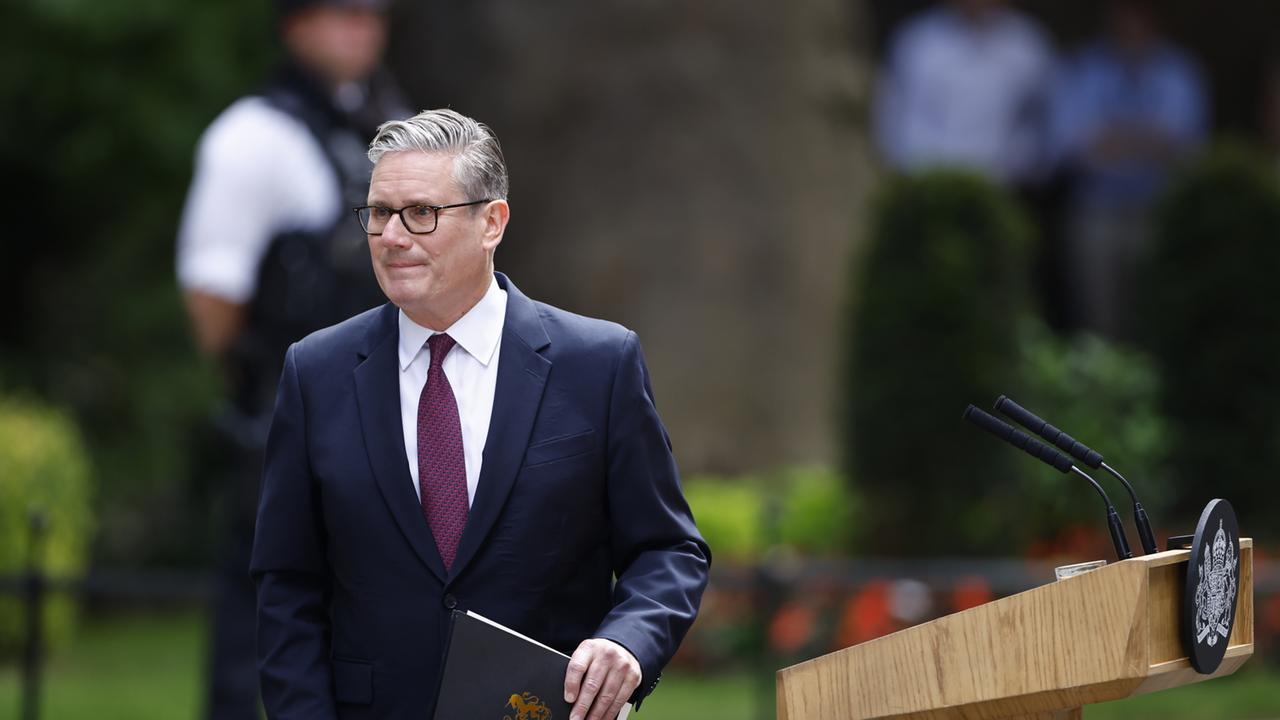
The announcement, made with visible emotion outside the hallowed doors of 10 Downing Street, marks a pivotal moment for the Labour Party, which has struggled to maintain its footing since securing a surprising victory in the July 2024 general election. Starmer’s tenure as Prime Minister, though relatively short, has been marred by a series of challenging domestic and international issues, ultimately culminating in this unexpected leadership departure.
The Unfolding Crisis: A Chronology of Events
The seeds of Starmer’s resignation were sown long before today’s announcement. While he secured the premiership in the summer of 2024, the victory was narrower than many had anticipated, and the subsequent period has been fraught with political headwinds.
July 2024: Labour’s Unexpected Victory: Following a general election campaign that defied many predictions, Keir Starmer led the Labour Party to a surprise victory, ending over a decade of Conservative rule. He was sworn in as Prime Minister, inheriting a nation grappling with economic stagnation, a strained public sector, and lingering post-Brexit adjustments.
Late 2024 – Early 2025: Declining Approval and Internal Grumbles: Almost immediately after taking office, the Labour government faced a dip in public approval. Early policy decisions, particularly concerning economic stimulus and public service reform, failed to resonate widely. Whispers of discontent began to emerge from within the parliamentary Labour Party, with some MPs questioning Starmer’s leadership style and strategic direction.
Spring 2025: Local Election Setbacks: The party’s performance in local and regional elections across the country proved to be a significant blow. Labour suffered considerable losses, fueling further criticism of Starmer’s ability to connect with the electorate and deliver electoral success. This period saw an increase in calls for introspection and a potential change in leadership.
Summer 2025: The Mandelson Controversy: A significant controversy erupted with Starmer’s appointment of Peter Mandelson, a former Labour minister with past associations with the Jeffrey Epstein scandal, as the UK’s Ambassador to the United States. While Starmer defended the decision, it was met with widespread condemnation from opposition parties and considerable unease within his own ranks, adding another layer of pressure on his leadership.
Autumn 2025 – Early 2026: Economic Woes and Unfulfilled Promises: Persistent issues with the UK’s economic performance, including high inflation and cost of living pressures, continued to weigh heavily on the government. Critics argued that Starmer’s administration had not adequately addressed these fundamental concerns, and that many of the promises made during the 2024 election campaign remained unfulfilled.
June 2026: Mounting Pressure and the Inevitable Decision: By mid-June 2026, the internal pressure on Starmer had reached a critical point. Reports emerged of senior figures within the party, including Foreign Secretary Yvette Cooper, urging him to consider his position. Polling among party members suggested that any leadership challenge would likely be lost. In this context, Starmer ultimately decided to step down as party leader.
Data and Public Sentiment: A Challenging Environment
The political climate in the United Kingdom has been exceptionally turbulent in recent years, and Starmer’s premiership was no exception. Several key indicators highlight the challenging environment in which he operated and the factors contributing to his departure.
Electoral Performance: The July 2024 general election, while a victory, was characterized by a relatively low majority, indicating a divided electorate. Subsequent local and regional election results have shown a consistent downward trend for Labour, suggesting a waning of public enthusiasm for the party’s platform under Starmer’s leadership. The recent by-election victory for Andy Burnham in Westminster, while a personal triumph, also served as a stark indicator of the broader electoral mood.
Public Opinion Polls: National opinion polls throughout Starmer’s premiership have consistently shown a decline in both his personal approval ratings and the Labour Party’s standing. This sustained negative trend has been a significant concern for party strategists and has undoubtedly played a crucial role in the internal decision-making process. The fact that a populist party like Reform UK, led by Nigel Farage, has maintained strong poll numbers for over a year further underscores the shifting political sands and the challenges facing traditional parties.
Economic Indicators: The UK economy has faced significant headwinds during Starmer’s tenure. High inflation, stagnant wage growth, and a rising cost of living have been persistent issues. These economic realities have directly impacted household finances and have been a major source of public dissatisfaction, often translated into criticism of the incumbent government’s handling of these complex issues.
Public Service Delivery: The state of the UK’s public services, including the National Health Service (NHS) and the broader public sector, has been a recurring point of contention. Reports of strain, underfunding, and operational difficulties have led to public concern and have been exploited by opposition parties, further eroding confidence in the Labour government.
Official Responses and the Road Ahead
The immediate aftermath of Starmer’s resignation has seen a flurry of official statements and indications of the path forward.
Keir Starmer’s Statement: In his resignation speech, Starmer acknowledged the internal sentiment, stating, "It is clear that my party wishes for my resignation. The question my party is currently asking itself is whether I am the best person to lead us into the next general election. I have heard the answer of my parliamentary group and I accept this answer with dignity." He reaffirmed his commitment to serving his country and pledged his full support to his successor.
Royal Assent: Starmer confirmed that he had spoken with His Majesty King Charles III on the morning of his announcement. This formal step signifies the constitutional acceptance of his resignation as party leader.
Timeline for Succession: Starmer indicated a clear timeline for the leadership transition. Nominations for candidates to succeed him are expected to open until the parliamentary recess in early July. By the time the House of Commons reconvenes in September, a new leader will be in place to guide the Labour Party and, by extension, potentially assume the role of Prime Minister.
Andy Burnham’s Candidacy: Prominent among those expected to contend for the leadership is Andy Burnham. His recent by-election victory in Westminster, where he defeated a candidate from Nigel Farage’s Reform UK, has significantly bolstered his profile and his claims to the top job. Burnham has officially declared his intention to run for the leadership.
Wes Streeting’s Endorsement: Wes Streeting, who had previously resigned as Health Minister, had shown leadership ambitions. However, in a significant move, he has now declared his support for Andy Burnham, urging other party members to rally behind him. This endorsement is likely to consolidate support for Burnham’s bid.
European Reactions: In a notable international response, European Commission President Ursula von der Leyen lauded Starmer’s contributions. She stated on the platform X (formerly Twitter), "Many heads of government take years to grow into the statesman you have become in just two years. The security of Europe and Ukraine is strengthened thanks to you." This commendation from a key international figure highlights Starmer’s impact on the European stage during his premiership.
Broader Implications and the Future of Labour
Keir Starmer’s resignation as Labour leader is more than just a change of personnel; it signals a potential inflection point for the party and the broader trajectory of British politics.
A Shifting Political Landscape: Starmer’s departure occurs at a time of considerable flux in British politics. The rise of parties like Reform UK, coupled with ongoing economic anxieties and a general sense of public dissatisfaction, suggests that the traditional party allegiances are being tested. The Labour Party, under new leadership, will face the significant challenge of re-establishing its relevance and offering a compelling vision for the future.
The Legacy of Starmer’s Premiership: Starmer’s time as Prime Minister, though cut short, will be remembered for its ambitious, albeit ultimately unsuccessful, attempts to steer the country through a complex period. His administration grappled with significant economic headwinds, international instability, and internal party divisions. The appointment of Peter Mandelson and the perceived failure to deliver on key election promises will likely be points of scrutiny in historical assessments. His emotional departure, with tears welling up as he spoke of his family, adds a personal dimension to his political exit.
The Leadership Contest: The upcoming leadership contest will be crucial. Andy Burnham, with his recent electoral success and significant backing, appears to be the frontrunner. However, the Labour Party has a history of surprising leadership outcomes. The contest will likely reveal the different factions and ideological currents within the party, and the chosen leader will have the formidable task of uniting these forces and presenting a credible alternative government.
The Long-Term Impact on Labour: The resignation of a sitting Prime Minister, even one whose party has struggled for popularity, is a significant event. It raises questions about the Labour Party’s strategic direction, its ability to connect with the electorate, and its long-term prospects. The next leader will need to navigate a challenging political environment, address the concerns of a disillusioned public, and rebuild trust.
A Pattern of Instability: Starmer’s resignation also contributes to a recent trend of political instability in the UK. He is reportedly the sixth Prime Minister in a decade to announce an early departure from office. This rapid turnover of leadership raises questions about the stability of British governance and the challenges faced by those seeking to lead the nation.
The coming months will be critical for the Labour Party as it embarks on this leadership transition. The outcome of the contest, the policies proposed, and the ability of the new leader to galvanize the party and the nation will shape the future of British politics.