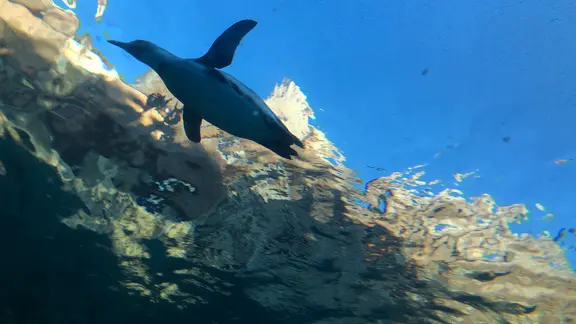
In a move that underscores the evolving mission of modern zoological institutions, Zoo Leipzig recently unveiled "Feuerland" (Fireland)—a sprawling 5,500-square-meter exhibit that brings the rugged, windswept landscapes of southern Chile to the heart of Germany. While the primary allure for the public is the immersive experience of watching Humboldt penguins and seals through a 100-meter underwater tunnel, the project represents a much deeper, long-term commitment to international biodiversity. Beyond the spectacle of the exhibit, Zoo Leipzig is positioning itself as a vital stakeholder in the survival of three critically endangered species in the Patagonian region.
The Genesis of "Feuerland" and the Focus on Biodiversity
Opened in September, "Feuerland" is far more than an enclosure; it is a geographic and educational bridge. The facility, which features elaborate rock formations, coastal beach sections, and expansive water basins, is designed to mimic the dramatic topography of the South American archipelago for which it is named.
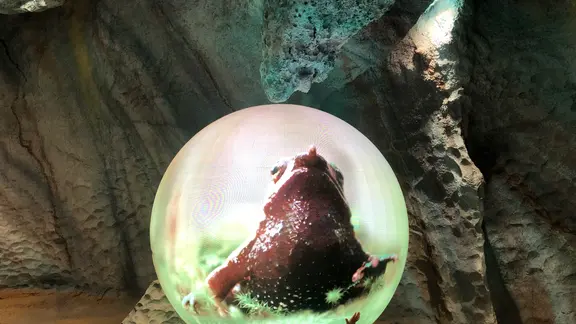
However, the heartbeat of this project lies in the conservation mandate that drives it. The Zoo has identified three specific species—the Darwin’s frog, the Southern river otter, and the Humboldt penguin—as the focal points of its expanded conservation strategy. According to Michael Meyerhoff, the Artenschutz (species protection) officer at Zoo Leipzig, these animals are "ambassador species."
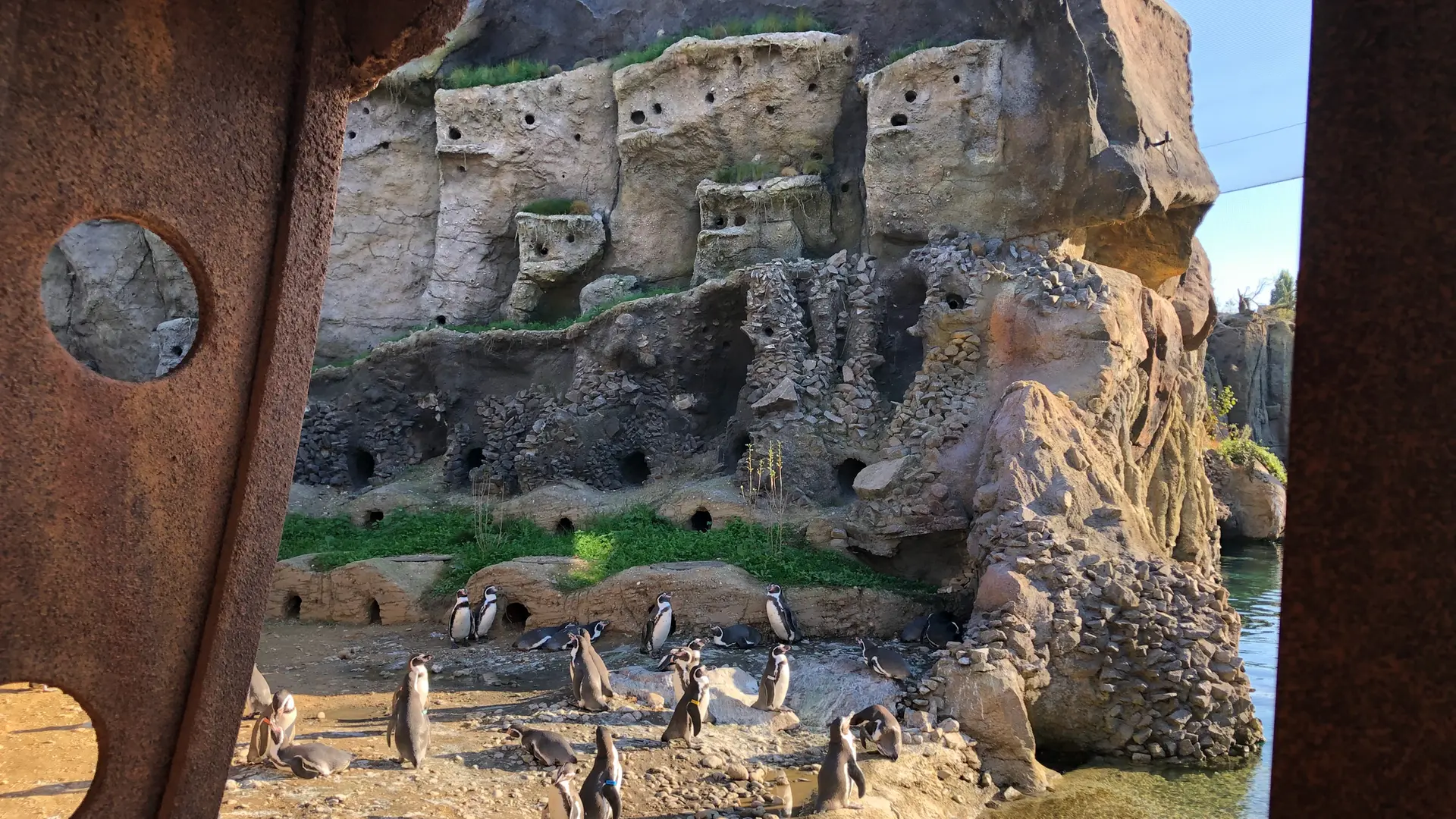
"These three species serve as indicators for their respective habitats," Meyerhoff explains. "The penguin represents the Pacific coastline, the river otter stands for the freshwater ecosystems, and the Darwin’s frog is a sentinel for the temperate rainforests. Our mission with ‘Feuerland’ is to highlight that this is not just about a remote island group, but about the fragile ecological health of the entire Patagonian region."
A Two-Decade Chronology of Engagement
Zoo Leipzig’s involvement in Chilean conservation is not a sudden reaction to the opening of a new exhibit; it is the culmination of a twenty-year trajectory.
- 2004–2014: The Foundation Phase. The relationship began with a targeted effort to protect the Darwin’s frog (Rhinoderma darwinii). Over the last two decades, the zoo has built deep, trust-based relationships with academic and non-governmental organizations in Chile, most notably the University of Concepción and the NGO "Ranita de Darwin."
- 2015–2023: Scaling Operations. Recognizing that habitat fragmentation and disease were accelerating the decline of these species, the zoo expanded its financial and logistical support. This period saw the formalization of partnerships with the "One Health" Institute at the Universidad Andrés Bello.
- 2024: The "Feuerland" Catalyst. The opening of the new exhibit marked a pivot point. The zoo pledged to double its annual financial contribution to its Chilean partners, moving from 100,000 euros to 200,000 euros for the coming year, signaling an institutional commitment that scales in proportion to their public-facing educational efforts.
Data-Driven Conservation: The Role of the "One Health" Approach
The collaboration between Zoo Leipzig and Chilean experts is grounded in the "One Health" concept—a multidisciplinary approach that recognizes the interconnectedness of animal, human, and environmental health.
Claudio Azat, who leads the One Health Institute at the Universidad Andrés Bello, has worked with the zoo for over a decade. He emphasizes that the value of the partnership lies in its reliance on rigorous scientific data. "Oftentimes, our field research is the missing link in policy-making," Azat says. "By providing the data necessary to understand why populations are collapsing, we can inform the Chilean Ministry of Environment. The financial support from Leipzig ensures that our research isn’t just academic—it’s actionable."
For the Darwin’s frog, this research has been instrumental in understanding the impact of climate change and fungal pathogens on the species. For the Humboldt penguin, the focus is on mitigating human-wildlife conflict and protecting critical nesting sites along the coast.
Official Perspectives and Financial Commitment
The financial model behind this conservation work is multi-faceted. Funding is derived from the "Conservation Euro" (a voluntary surcharge on admission tickets), private donations, and dedicated institutional funds.
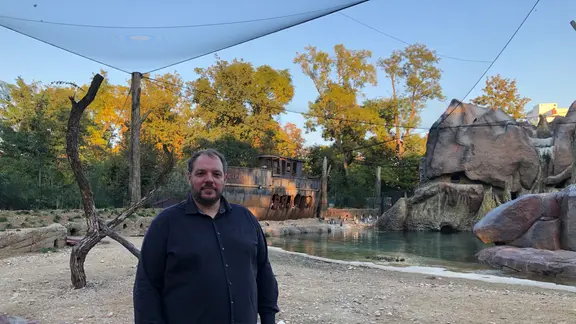
Meyerhoff is adamant that the relationship is not merely a "check-writing" exercise. He has made numerous trips to the Patagonian region, participating in strategy meetings with local biologists and environmentalists. "The goal is networking and knowledge exchange," says Meyerhoff. "We don’t go there to tell them how to do their work. We go to ask how we can best support the infrastructure they need to succeed."
This sentiment is echoed by independent field researchers like Diego Sepúlveda, a biologist who works on the ground with Humboldt penguin populations. "It is rare to find a zoo that is willing to invest in the long-term, unglamorous aspects of conservation, like administrative support for NGOs or long-term monitoring," Sepúlveda notes. "This is a genuine win for the species."
The Ethical Debate: Are Zoos Truly Conservationists?
Despite the clear benefits to funding, the existence of "Feuerland" has not been without its critics. Anika Weber, a journalist and commentator, has raised ethical concerns regarding the display of animals—specifically penguins and seals—that are thousands of miles removed from their natural range. The central question remains: Is the display of animals in a German city justifiable, even if it raises money for their wild counterparts?
The zoo’s defense is two-pronged. First, they argue that the exhibit provides an educational platform that fosters public empathy, which is essential for global conservation support. Second, there is the "backup" argument. Michael Meyerhoff points to the history of species extinction: "If the worst-case scenario occurs and we face a total collapse of wild populations, the zoo population in Europe acts as a genetic reservoir. These animals are the insurance policy for potential future reintroduction efforts."
This debate mirrors a broader, often polarized, discussion in the biological community. Organizations like the World Wildlife Fund (WWF) have frequently acknowledged that modern, science-led zoos play a critical role in species survival. Conversely, critics like the anthropologist Volker Sommer argue that the inherent nature of captivity contradicts the goal of conservation, suggesting that funds would be better utilized directly in the field without the overhead of maintaining a public-facing exhibit.
Future Implications for Global Biodiversity
As Zoo Leipzig looks to the future, the success of the "Feuerland" initiative will likely be measured by more than just visitor numbers or the health of the animals in the exhibit. The true metrics of success will be the stabilization of the Humboldt penguin colonies in the wild, the preservation of the temperate rainforests that house the Darwin’s frog, and the continued professionalization of local conservation networks in Chile.
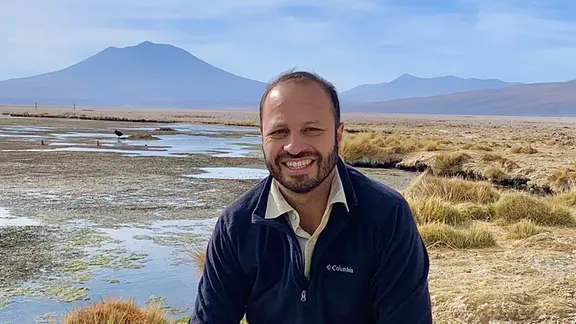
The model established by Zoo Leipzig serves as a case study for how modern institutions can transcend their traditional roles as "living museums." By functioning as hubs for international research and financial conduits for grassroots environmentalism, zoos are attempting to redefine their social contract.
Whether this transition from "exhibitor" to "global conservation partner" will satisfy critics or sufficiently offset the ecological footprint of captive display remains a point of intense discussion. However, for the scientists and researchers in Chile, the tangible support provided by their German counterparts is not theoretical—it is the lifeline that allows their critical, underfunded work to continue. As the world faces an unprecedented extinction crisis, the partnership between the Leipzig zoo and the rugged landscapes of Patagonia provides a rare, albeit debated, blueprint for cross-continental cooperation in the name of life.