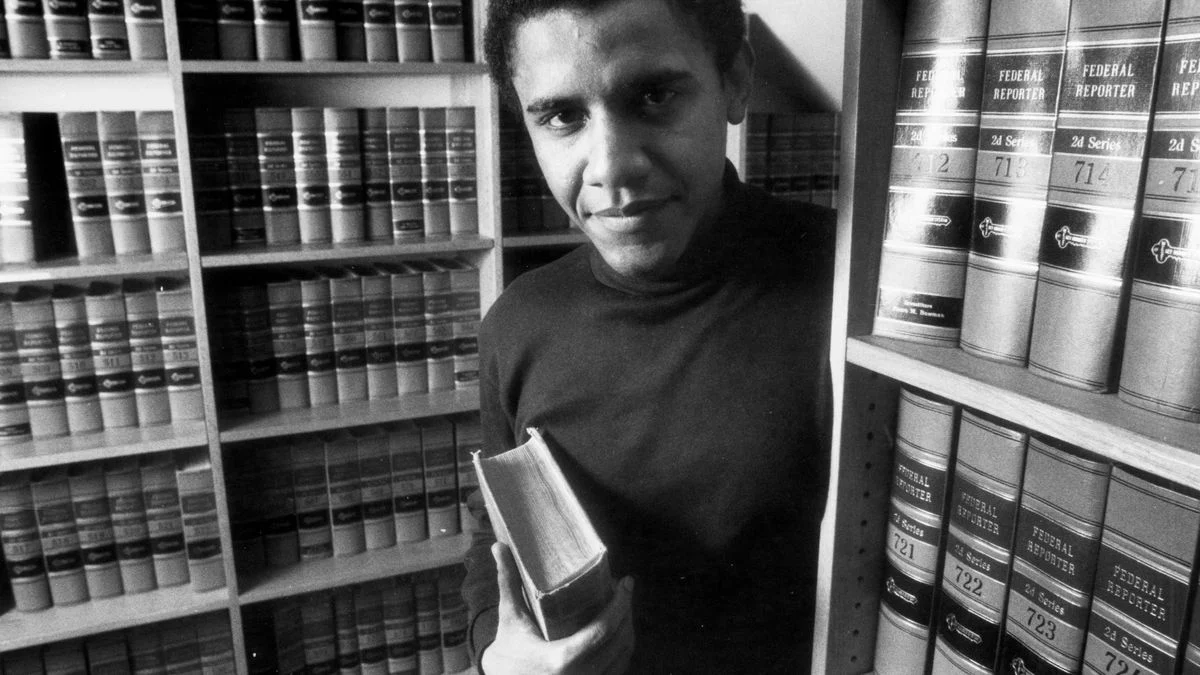
In the landscape of modern media, few figures command the cultural cachet of Barack Obama. The 44th President of the United States has long been recognized as a "literary" president—a man who approaches governance, rhetoric, and memoir writing with the meticulousness of an academic. Now, he is expanding his footprint in the literary world once again, not through a new memoir or a curated reading list, but through a dedicated literary podcast. This move marks a significant shift in how political figures engage with public intellectualism, moving away from the ephemeral nature of cable news toward the deep-dive, long-form intimacy of podcasting.
Main Facts: The New Chapter in Obama’s Media Journey
Barack Obama has officially entered the literary podcast arena, a strategic move that bridges the gap between political legacy and cultural curation. The podcast is designed to explore the mechanics of storytelling, focusing on the books that shaped the contemporary American experience.
For the former president, this is not merely a hobby. It represents an evolution of his post-presidential brand. Obama has long utilized social media to share his "summer reading lists," which have become annual cultural events, often propelling obscure titles to the top of the New York Times Bestseller list. By launching a podcast, he is formalizing this influence, shifting from a passive recommendation engine to an active interlocutor of the literary arts. The podcast aims to dissect themes of identity, democracy, and history through the lens of fiction and non-fiction alike, inviting authors and critics to sit at the table with him.
Chronology: The Road to the Microphone
The trajectory leading to this podcast can be traced back to Obama’s early days as a community organizer, where he viewed literature as a tool for empathy.
- 2006: During his time as a Senator, Obama’s penchant for literary references in speeches began to solidify his reputation as an intellectual.
- 2008–2016: Throughout his presidency, Obama’s annual reading lists became a staple of his administration’s communications, humanizing the leader of the free world.
- 2020: The release of his memoir, A Promised Land, underscored his commitment to high-level prose and reinforced his status as a commercially successful author.
- 2022: Obama, alongside Michelle Obama, began expanding the Higher Ground production company, signaling a move into audio-first storytelling.
- 2024: The announcement and launch of the literary podcast, signaling a pivot toward "slow media" and intellectual long-form content.
Supporting Data: The "Obama Effect" on Literature
The impact of Barack Obama’s endorsement on the book market is quantifiable and profound. Data from publishing analytics firms consistently shows that when Obama highlights a book, sales spikes are immediate.
A study conducted by independent bookstores in 2021 found that books featured on Obama’s end-of-year lists often see an average sales increase of 300% to 500% in the following quarter. This phenomenon, often dubbed the "Obama Effect," is a rare example of a political figure exerting measurable market power in the publishing industry.
Furthermore, the podcast format is currently experiencing a "golden age" of intellectual content. According to the Reuters Institute Digital News Report, podcast consumption among adults aged 25–54 has grown by 15% annually since 2020. By entering this space, Obama is not only leveraging his personal brand but also tapping into a demographic that values long-form, thoughtful discussion—a core segment of his political base.
Official Responses and Industry Perspectives
The literary community has reacted to the news with a mixture of excitement and critical scrutiny.
"It is a fascinating development," says Sarah Jenkins, a literary agent specializing in political non-fiction. "When a figure of his stature treats a book with the same seriousness as a piece of legislation, it elevates the status of reading in the national consciousness. However, the challenge for the podcast will be to avoid the trap of ‘celebrity book club’ superficiality."
Conversely, some critics worry that Obama’s influence is too totalizing. "When the former President speaks, the market listens," writes cultural critic Marcus Thorne. "This can sometimes drown out voices that aren’t endorsed by his platform. The podcast needs to ensure it remains a forum for discovery rather than a consolidation of his existing tastes."
The Obama team has responded by emphasizing that the project is intended to be collaborative. In early press statements, representatives noted that the podcast will feature a "diverse array of voices," including debut authors and international writers, aiming to widen the scope of what is considered "essential reading."
Implications: The Intersection of Politics and Prose
The implications of this podcast are twofold: they speak to the future of the Obama legacy and the future of cultural discourse in America.
1. The Legacy of the Intellectual Leader
In a political era increasingly defined by soundbites and social media feuds, Obama’s podcast is a deliberate act of counter-programming. It reinforces the image of the "intellectual president"—a trope he cultivated during his time in the White House. By engaging with literature, he positions himself as a guardian of nuance and reflection, qualities that he and his supporters argue are currently absent from the American political discourse.
2. The Power of "Slow Media"
The move toward podcasting represents a rejection of the 24-hour news cycle. A literary podcast requires a commitment of time—both from the host and the listener. This shift suggests that there is a significant audience hungry for "slow media"—content that prioritizes depth over immediacy. If successful, Obama’s project could set a new standard for how political figures interact with their audience, proving that sustained, high-level conversation is a viable and profitable medium.
3. The Democratization of Literary Criticism
Perhaps most importantly, the podcast could serve to democratize literary criticism. By removing the academic barriers often associated with literary analysis and bringing them into the conversational space of a podcast, Obama is inviting the public to engage with literature as a living, breathing component of their daily lives.
Conclusion
Barack Obama’s foray into the literary podcast world is more than a creative endeavor; it is a strategic maneuver that reinforces his role as a leading voice in American culture. By leveraging his immense reach to promote the transformative power of books, he is attempting to reshape the national conversation, urging us to look past the headlines and into the pages of the stories that define us.
As the podcast series progresses, the true test will be whether it can bridge the divide between elite literary circles and the broader public. If Obama succeeds, he will have cemented his post-presidency not just as a time for writing memoirs, but as a period of active, intellectual leadership—one that recognizes that to change the world, one must first understand the stories that explain it. Whether you view this as a genuine contribution to literature or a sophisticated brand-building exercise, one thing is certain: the conversation has begun, and the literary world is listening.