The second week of the autumn school holidays has proven to be a resounding success for the tourism industry across Saxony. From the bustling urban centers of Dresden and Leipzig to the rugged, picturesque landscapes of the Ore Mountains (Erzgebirge), popular tourist attractions have reported significant foot traffic. This surge in visitors highlights the resilience of the regional tourism sector and the increasing popularity of "staycations" or domestic travel among families seeking to maximize the final days of the autumn break.
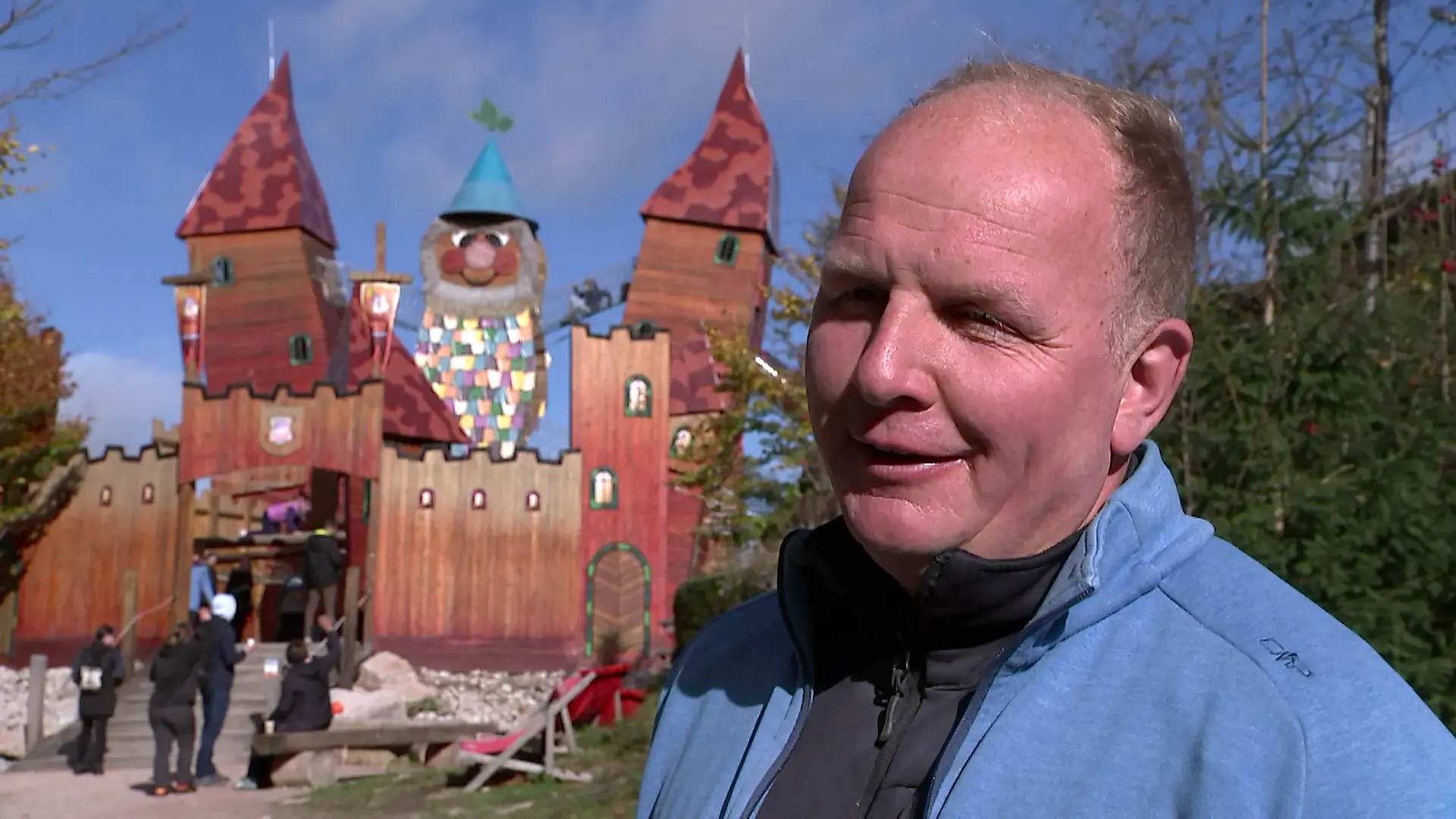
In Eibenstock, a municipality known for its deep-rooted traditions and natural beauty, the team behind "Wurzelrudis Erlebniswelt" has been working at full capacity. The popular adventure park has become a focal point for families, offering a diverse array of outdoor activities that capitalize on the crisp, golden autumn weather. For many, this period represents a critical window for operators to solidify their annual revenue targets before the quieter winter transition.
The Dynamics of the Autumn Travel Season
The influx of visitors in late October is not a statistical anomaly but rather the result of a concentrated school holiday schedule that encourages short-distance travel. As families look to escape the confines of the home, Saxon tourist magnets have adapted by offering extended hours and specialized programming.
Chronology of the Holiday Surge
The patterns observed in late October follow a predictable trajectory within the Saxon tourism sector:
- Early October: Initial planning phases for families, coinciding with the first week of the autumn break.
- Mid-October: Peak visitation begins as families transition from local excursions to longer, multi-day stays in regional hotspots.
- Late October (The Current Phase): A final, intensive period of high activity. Attractions like Eibenstock’s adventure park report that this week is often the most critical for gauging year-end performance.
- Post-Holiday Transition: A shift in focus toward winter sports preparation, particularly in higher elevations like the Fichtelberg.
Supporting Data and Regional Trends
While local attractions see a boom, broader economic indicators provide context for this travel behavior. Data regarding the transportation sector and regional infrastructure reveals that the state’s mobility networks have been under considerable strain to accommodate this increased mobility.
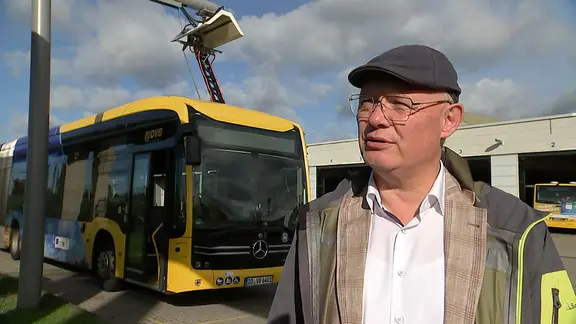
The Dresden transport authorities, for instance, have recently announced plans to significantly expand their electric bus fleet. By the end of the year, 18 new e-buses are expected to be in operation, with an additional 20 scheduled for delivery by 2028. This move is part of a broader strategy to support sustainable tourism, ensuring that the infrastructure can keep pace with the growing number of visitors relying on public transit to reach key cultural and recreational sites.
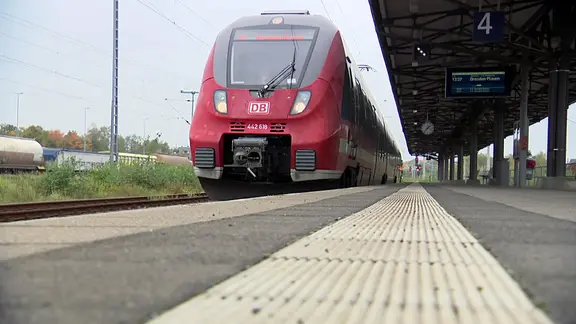
However, the picture is not universally optimistic. The rail network, a vital artery for tourism, is currently grappling with "thinning" schedules and rising costs. Following the European Court of Justice’s decision to overturn the state-subsidized track price brake, transport companies are facing significantly higher operational costs. Experts suggest that these costs will likely be passed on to the consumer, potentially impacting the affordability of regional tourism in the coming seasons.
Official Responses and Broader Context
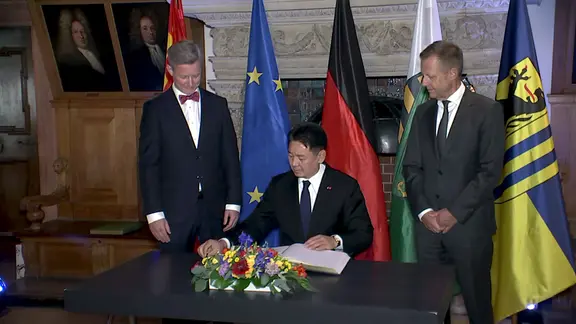
The surge in tourism occurs against a backdrop of significant political and social events that are shaping the current state of Saxony. The recent visit of the Mongolian President, Khurelsukh Ukhnaa, to Leipzig and Dresden serves as a reminder of the state’s international profile. His tour, which included a visit to the Old Masters Picture Gallery alongside Minister-President Michael Kretschmer, highlights the dual nature of Saxon tourism: the promotion of historical, high-culture sites alongside the robust, family-oriented outdoor sector represented by facilities like Wurzelrudis.
The Economic Landscape: Insolvencies and Opportunities
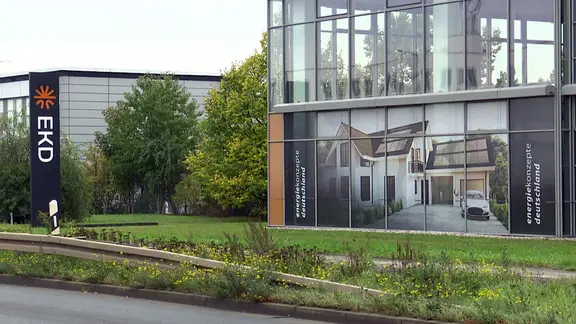
The tourism sector does not exist in a vacuum. Recent economic volatility, such as the insolvency of the solar giant Energy Concepts Germany (EKD), has created a sense of unease in the local labor market, particularly in hubs like Leipzig and Taucha. While the company has confirmed that operations will continue for the time being, such instability often leads to a more cautious consumer spending pattern in the medium term.
Similarly, the agricultural sector, which provides the scenic backdrop for much of Saxony’s tourism, is navigating its own challenges. Discussions regarding the future of genetically modified organisms (GMOs) in agriculture have sparked concern among industry leaders. Any shift in agricultural policy could have downstream effects on the "authentic" image of the Saxon countryside, a key selling point for rural tourism.
Implications for the Future of Saxon Tourism
The current success in Eibenstock and other regions suggests a strong appetite for localized experiences. However, the future sustainability of this growth depends on several critical factors.
Infrastructure and Sustainability
The reliance on infrastructure—ranging from road networks to digital connectivity—is paramount. As the Dresden transit example shows, long-term planning is essential. If the rail network experiences further service reductions or price hikes, it may discourage the very demographics currently driving the tourism boom. There is a delicate balance to be struck between maintaining profitability for transport operators and keeping regional travel accessible.
Environmental Stewardship
The recent struggles of the Igelhilfe (Hedgehog Rescue) in Radebeul serve as a poignant reminder of the ecological pressures facing the region. With an unprecedented number of animals needing care, the local organization has been forced to implement a temporary admission freeze. This highlights the importance of environmental awareness among tourists. As more visitors flock to the countryside, the impact on local flora and fauna becomes increasingly pronounced. Sustainable tourism must involve not just the infrastructure of travel, but the education of the traveler.
Diversification of Offerings
The success of adventure parks indicates that modern tourists are looking for active, immersive experiences. Moving forward, Saxon destinations must continue to diversify their offerings to ensure they remain competitive. The integration of high-tech mobility, such as expanded electric transport, with the traditional charm of the Ore Mountains creates a compelling "old-meets-new" narrative that attracts a wider demographic.
Conclusion: A Resilient Industry
The ongoing autumn season serves as a microcosm of the challenges and opportunities facing Saxony. The high visitor numbers in Eibenstock and across the state are a testament to the enduring appeal of the region’s natural and cultural heritage. However, the path ahead requires a multi-faceted approach.
Policymakers and industry leaders must address the rising costs of transport, navigate the complexities of regional economic shifts, and prioritize environmental stewardship. As the leaves fall and the state prepares for the transition into the winter months, the resilience shown by tourism operators during this holiday week offers a promising sign. If the region can successfully marry its historical identity with modern, sustainable solutions, the Saxon tourism sector is well-positioned to weather the economic headwinds and continue to thrive as a premier destination for domestic and international travelers alike.
Summary of Key Issues
- Tourism Vitality: High demand in Eibenstock and across Saxony reflects a robust domestic market.
- Economic Pressures: Rising rail costs and corporate insolvencies present potential hurdles for the broader economic health of the region.
- Infrastructure Investment: The transition to electric fleets in cities like Dresden shows a proactive approach to sustainable tourism.
- Ecological Balance: The strain on local animal welfare groups highlights the hidden costs of human activity in natural spaces, necessitating a balanced approach to visitor management.
- Future Outlook: Success will depend on the continued ability of Saxony to innovate its transit and hospitality sectors while preserving the rural authenticity that draws visitors in the first place.