London, UK – June 20, 2026 – A palpable tension hangs over the Labour Party. With the next general election still years away, a quiet but intense leadership battle is brewing, pitting the current leader, Keir Starmer, against a charismatic figure increasingly seen by many within the party as their last chance: Andy Burnham. While Starmer’s policy record is debated, Burnham, the Mayor of Greater Manchester, embodies a certain political charisma and a connection with the "left-behind" North that many believe Labour desperately needs to counter the surging populism of Reform UK. This deep-seated anxiety within the party, despite the looming 2029 election, underscores the high stakes of this potential contest.
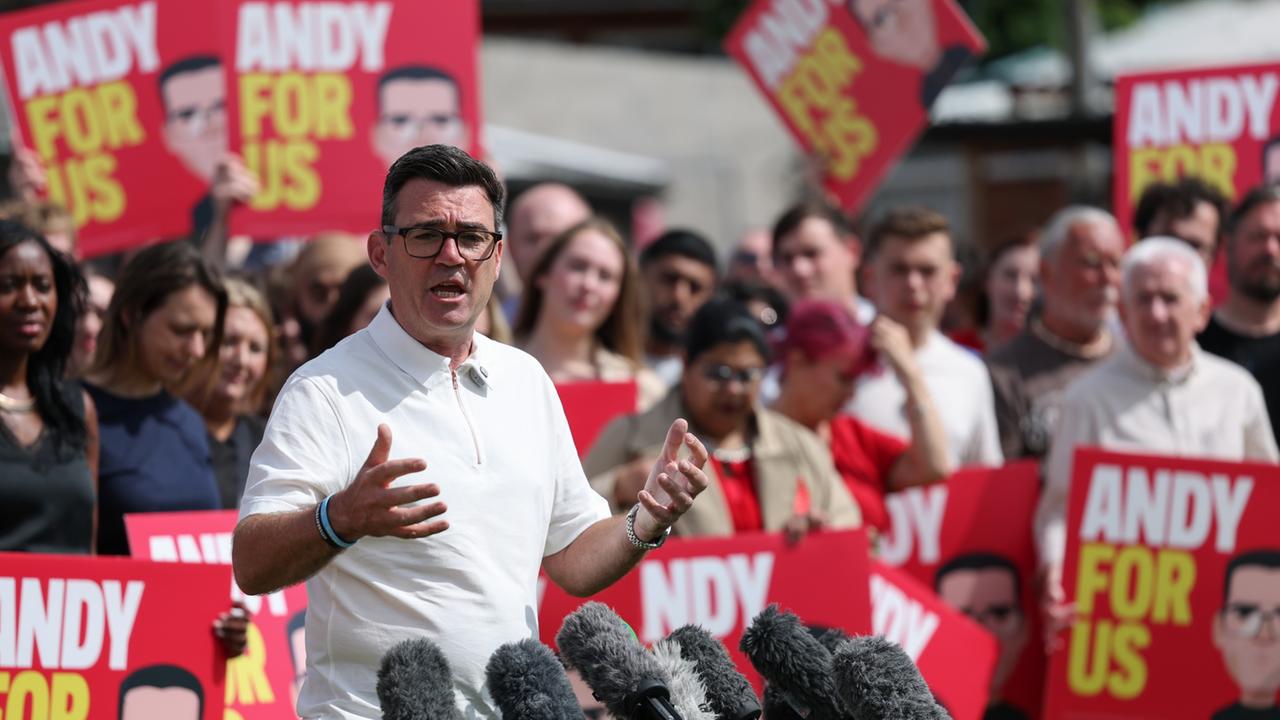
Burnham’s recent door-knocking campaign in the constituency of Makerfield, a place he knows intimately, was more than just a local engagement; it was a microcosm of his broader political strategy and appeal. The 56-year-old navigated familiar streets, engaging with constituents who voiced their deep-seated frustrations with the current government and, by extension, the direction of the Labour Party under Starmer. The recurring theme was clear: a desperate need for tangible improvements to people’s lives, a sentiment Burnham absorbed and articulated powerfully after his victory in a recent by-election in Makerfield. This success, while a local triumph, has amplified his profile and emboldened his supporters within the party.
A Journey from the North West: Burnham’s Roots and Rise
Andy Burnham’s political journey is deeply intertwined with his North West England upbringing. He hails from a modest background, with two brothers who followed the path of education to become teachers. His own education at a Catholic school was formative, and when asked about his priorities beyond family, he famously listed Everton Football Club, the Labour Party, and the Catholic Church – in that precise order. This personal grounding in community, sport, and a particular political ideology provides a bedrock for his public persona.
His early career saw him dabble in journalism before transitioning to parliamentary work as a researcher for a Labour MP. This period provided him with an insider’s understanding of Westminster’s workings. At the relatively young age of 31, he secured a seat in the House of Commons, a significant achievement that foreshadowed a more traditional political ascent. He quickly rose through the ranks, holding various ministerial positions, including Secretary of State for Health. This trajectory, by all accounts, represents a classic path within the Labour Party establishment. Yet, paradoxically, Burnham has cultivated an image of an outsider, a voice for those neglected by the political elite in London.
The Shadow of Past Ambitions: Failed Leadership Bids and a Manchester Mandate
Burnham’s leadership aspirations are not new. He made attempts to secure the Labour leadership in 2010 and again in 2015, both of which proved unsuccessful. These setbacks, however, did not derail his political career; instead, they appear to have redirected it. In 2017, he pivoted to the mayoral race in Greater Manchester, a decision that has since proven to be a masterstroke. He won the election and has since been re-elected twice, building a formidable reputation as a pragmatic and effective leader.
Under his stewardship, Greater Manchester has experienced a notable economic resurgence. Professor Jonathan Tonge of the University of Liverpool highlights this success, stating, "Burnham can therefore say: ‘Look, I am the one who can deliver growth for the entire United Kingdom. I will take the Manchester model to the entire country.’" This "Manchester model," often characterized by ambitious devolutionary policies, investment in public services, and a focus on regional regeneration, has become a tangible demonstration of Burnham’s capabilities and a key plank in his burgeoning leadership platform. His supporters point to this track record as evidence of his ability to translate policy into tangible positive outcomes, a quality they argue is sorely lacking in the current leadership.
The "Anti-Establishment" Outsider: A Paradoxical Appeal
Despite his conventional political career path, Burnham has managed to foster a compelling "anti-establishment" image. This perception is rooted in his consistent critique of the Westminster system, which he has argued, for years, fails to deliver for ordinary people, particularly those in the North of England. This sentiment resonates deeply in areas that have felt historically marginalized and overlooked by the political and economic power concentrated in London. His campaign rhetoric often harks back to the perceived neglect of working-class communities and a promise to champion their interests.
This populist appeal, combined with his Northern roots, sets him apart from Keir Starmer, whose image is often perceived as more technocratic and less connected to the everyday struggles of many voters. While Starmer’s policy record might be seen as solid by some, his ability to articulate a compelling vision and inspire broad public enthusiasm remains a challenge. Burnham, in contrast, appears to possess a natural ability to connect with people on an emotional level, a trait that many in Labour believe is crucial for winning over disillusioned voters and combating the rise of right-wing populism.
The "Manchester Model": A Blueprint for National Revival?
Burnham’s tenure as Mayor of Greater Manchester has provided him with a platform to develop and implement a series of ambitious policies. These include significant investments in public transport, a focus on tackling homelessness, and the promotion of a more equitable economic model. His supporters argue that these initiatives have demonstrably improved the quality of life in the region and have the potential to be replicated across the country.
The "Manchester model" is often cited as a testament to Burnham’s ability to work collaboratively with different stakeholders, including local government, businesses, and community groups, to achieve shared goals. This approach, proponents argue, is a stark contrast to the top-down, centralized decision-making that has often characterized national government policy. Burnham’s success in securing greater devolution of powers to Greater Manchester is seen as evidence of his capacity to challenge the status quo and fight for the interests of his region.
The Shadow of Global Challenges: Economic Headwinds and Brexit’s Legacy
However, the path to national leadership is fraught with challenges, and Burnham is not immune to them. Even his considerable influence as Mayor cannot fully insulate him from the broader economic headwinds facing the United Kingdom and the global economy. The ongoing repercussions of the war in Ukraine, coupled with a general slowdown in economic growth across many G7 nations, present a formidable backdrop. Furthermore, should he ascend to the premiership, Burnham would undoubtedly have to contend with the enduring legacy of Brexit, a complex issue that continues to shape the UK’s economic and political landscape.
The question of whether the "Manchester model" can simply be transplanted to a national level remains a subject of debate. Critics argue that the complexities of governing a diverse and disparate nation like the United Kingdom are vastly different from those of managing a metropolitan region. They point to the inherent limitations of regional autonomy and the difficulty of replicating specific local successes on a national scale, especially in the face of entrenched national challenges.
Panic in the Ranks: Labour’s Search for a Winning Formula
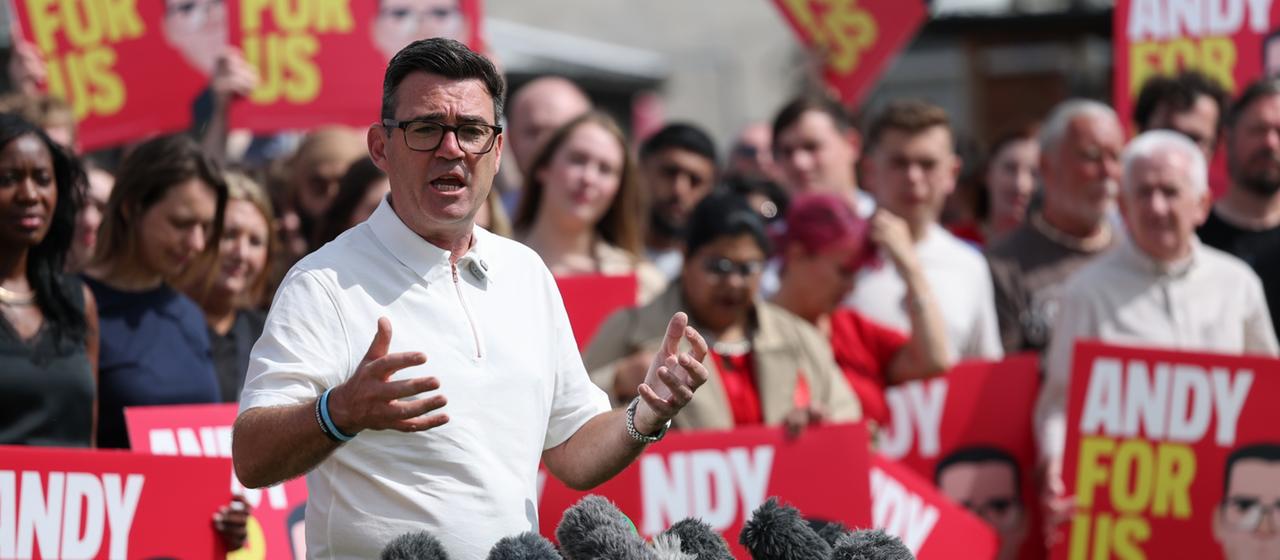
The anxiety within the Labour Party is palpable. While the next general election is scheduled for 2029, the persistent strength of Reform UK and the perceived inability of the current leadership to effectively counter it have created a sense of urgency. Many within the party look to Andy Burnham as a potential savior, a leader who can galvanize public support and offer a compelling alternative to the prevailing political climate.
Burnham’s ability to connect with voters on a visceral level, his clear articulation of grievances, and his track record in Manchester have positioned him as a strong contender. His supporters believe he possesses the charisma and the vision to unite the country and offer a credible challenge to the Conservative government. The narrative of Burnham as the "last hope" for Labour is gaining traction, fueled by a growing fear that without a significant shift in leadership, the party risks further marginalization.
The Road Ahead: A Leadership Contest Looms?
The potential leadership contest between Keir Starmer and Andy Burnham is shaping up to be a defining moment for the Labour Party. Starmer, while possessing a solid policy foundation, has struggled to generate the same level of public enthusiasm as his potential rival. Burnham, on the other hand, offers a potent blend of Northern grit, populist appeal, and a demonstrated ability to deliver results.
The coming months will likely see this internal dynamic intensify. The party faithful will be closely watching how both figures navigate the political landscape, with many weighing the risks and rewards of each potential leader. For some within Labour, Andy Burnham represents a return to the party’s roots, a champion of the working class, and a credible threat to the ascendant right. For others, the established path of Keir Starmer offers a more predictable and perhaps safer route. Regardless of the outcome, the debate surrounding Andy Burnham’s leadership potential highlights a crucial question for Labour: what is the winning formula for an era of political upheaval and public disillusionment? The answer to that question may well determine the future direction of the United Kingdom.