By International Correspondent
In the vast, interconnected web of global trade, where 90% of all goods are transported by sea, the human element often becomes a silent casualty of efficiency. As container giants move with clockwork precision through international hubs, the men and women manning these vessels face an increasingly isolated reality. Amidst this high-pressure environment, the Deutsche Seemannsmission (German Seamen’s Mission) stands as a vital, century-old bastion of humanity. From its flagship club, the Duckdalben in Hamburg, to its global outposts, the organization continues to provide a crucial sanctuary for seafarers caught in the gears of modern maritime logistics.
The Modern Maritime Crisis: A Life of Perpetual Transit
The life of a contemporary seafarer is characterized by extreme time pressure and social fragmentation. As Jan Burow, a 75-year-old volunteer and veteran mariner, watches the massive Guayaquil Express dock at the Port of Hamburg, the reality of the industry’s evolution is stark.
"In my day, ships would linger in port for days, sometimes weeks," Burow explains, his eyes scanning the gangway. "Today, with the intensity of container logistics, ships are often in and out within 36 hours. The crew is buried in paperwork, logistics, and rapid cargo turnover. They are effectively trapped behind a wall of steel and tight schedules."
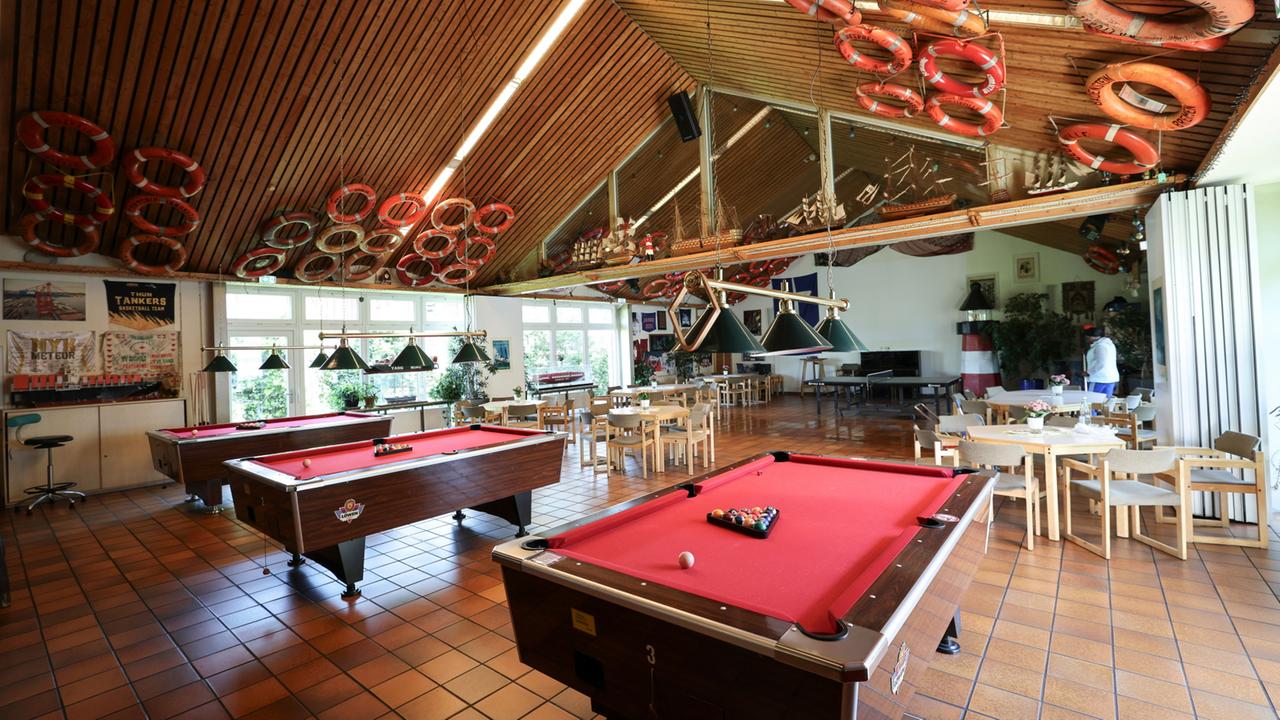
This phenomenon, dubbed "port fatigue," has drastically reduced the ability of seafarers to step onto solid ground. The Duckdalben Seamen’s Club, named after the sturdy mooring posts used to tether ships in the harbor, serves as a symbolic and physical counterpoint to this transience. It is a place where the rigid hierarchy and mechanical rhythm of ship life are replaced by the simple, humanizing acts of sharing a meal, playing billiards, or accessing reliable communication with loved ones thousands of miles away.
Chronology: From 1886 to the Digital Age
The history of the Deutsche Seemannsmission is a testament to the changing nature of maritime vulnerability.
- 1886: The mission was founded on September 29 by evangelical groups as the "Committee for the Pastoral Care of German Seamen Abroad." At the time, the primary risks were exploitation, lack of safe accommodation, and the danger of being cheated or robbed while on shore leave.
- Early 20th Century: The mission expanded its physical presence to major ports, creating "Seamen’s Homes" that offered safety and moral support to crews who were often away from home for months at a time.
- The Mid-Century Shift: As shipping became more mechanized, the mission pivoted to focus on social isolation and mental health, becoming an advocate for the rights of seafarers in a globalized economy.
- The Digital Revolution (2000s–Present): The mission adapted to the era of smartphones. While the iconic, colorful phone booths in the Duckdalben now sit silent—relics of a time when crews queued for hours to make a single call—the need for human connection has not waned. Today, the mission focuses on digital inclusion and psychological support for crews who are increasingly "connected" yet profoundly lonely.
Supporting Data: The Cost of Global Logistics
The statistics of modern shipping reveal why institutions like the Duckdalben are essential. Global shipping is currently grappling with several systemic pressures:
- Reduced Port Stays: Average vessel turnaround times have dropped by over 40% in the last three decades, limiting shore leave.
- Increased Regulatory Burden: Stricter security protocols (post-ISPS code) have made it more difficult for seafarers to obtain the necessary permits to exit port gates.
- Digital Divide: While many ships have internet, it is often restricted, expensive, or throttled, leading to deep frustration among crew members who are months away from their families.
- Psychological Strain: Studies by the Seafarers International Research Centre have consistently highlighted high rates of depression, anxiety, and suicide among merchant sailors, exacerbated by the isolation of long-haul voyages and the lack of social outlets.
Official Perspectives: A Global Network of Care
Matthias Ristau, the General Secretary of the Deutsche Seemannsmission, oversees a network that remains critically relevant. Currently operating in 33 ports globally—from Rotterdam to Douala, Cameroon—the mission is far more than a hospitality center.
"We provide a safe harbor for the soul," says Ristau. "In Douala, we manage a facility with a swimming pool and hotel services, providing a rare environment where a seafarer can feel like a human being rather than just a worker on a vessel. Our goal is expansion, but we are often hampered by the very bureaucracies that keep seafarers on board."
Ristau emphasizes that the mission acts as an interface between the private lives of the sailors and the cold efficiency of the maritime industry. When a sailor from India or the Philippines steps into the Duckdalben, they are not just looking for a beer or a snack—though those provide essential normalcy—they are looking for a witness to their existence.
Implications: The Human Cost of Global Trade
The implications of the current maritime landscape are profound. The ongoing conflicts, such as the volatility in the Strait of Hormuz and the war in Ukraine, have added a layer of geopolitical trauma to the everyday burden of the seafarer.
The Role of Pastoral Care
Julia Hagelstein, a staff member at the Duckdalben, describes her role as one of active listening. "When I sit down with these men and women, the conversation often shifts quickly from casual talk to deep-seated anxieties," she explains. "We hear about the stress of being away during family emergencies, the trauma of witnessing piracy or naval conflict, and the exhaustion of back-to-back, high-stakes navigation."
The mission provides a neutral space where these stories can be told without the judgment of employers or the constraints of the ship’s hierarchy. This pastoral care is not a luxury; it is a necessity for the mental health of the people who keep the global economy afloat.
Looking Toward the Future
As the world demands faster shipping and cheaper goods, the human cost is becoming unsustainable. The Deutsche Seemannsmission argues that the industry must reconsider the importance of shore leave and the mental well-being of the crew.
The organization’s mission remains clear: to ensure that while the ships are tethered to the docks by steel cables, the people on board remain tethered to the dignity and support of the global community. Whether it is through a conversation over a game of billiards or providing the tools to call home, the Duckdalben and its sister clubs remain the vital, beating heart of an industry that too often forgets its most important asset: the mariners themselves.
In a world defined by constant motion, the Deutsche Seemannsmission provides the one thing that cannot be containerized or optimized: a place to belong, even if only for a few hours.