The air in the Rheingau region is once again resonant with the sounds of world-class artistry. As of this past weekend, the 39th edition of the Rheingau Musik Festival has officially commenced, signaling the start of a summer-long celebration that promises to bridge the gap between historic tradition and modern digital connectivity. With 158 concerts scheduled across 26 distinct venues, the festival continues to cement its reputation as one of Europe’s most significant cultural pillars.
The Grand Opening: Tradition Meets Innovation
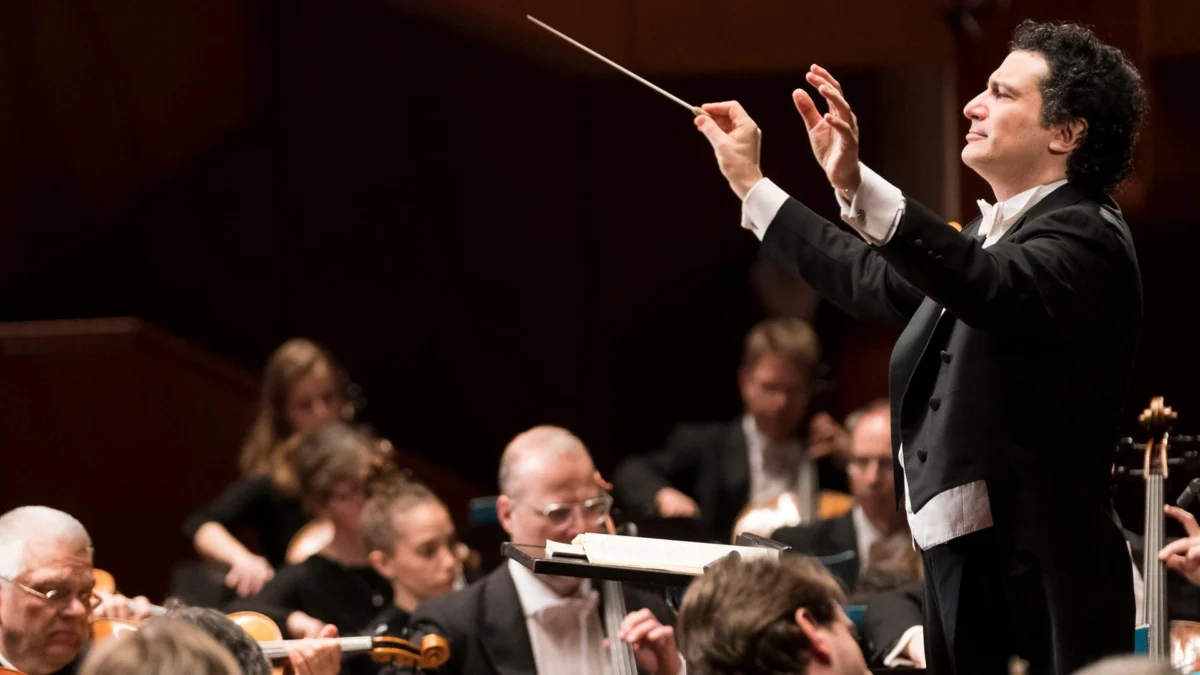
The festival’s inaugural weekend was defined by a powerful duality: the weight of historical prestige and the injection of contemporary energy. On Saturday, the hallowed walls of Kloster Eberbach echoed with the brass brilliance of trumpeter Lucienne Renaudin Vary. Accompanied by the formidable hr-Sinfonieorchester under the baton of conductor Alain Altinoglu, the performance featured the evocative works of Armenian composer Alexander Arutjunjan, setting a high bar for the weeks to follow.
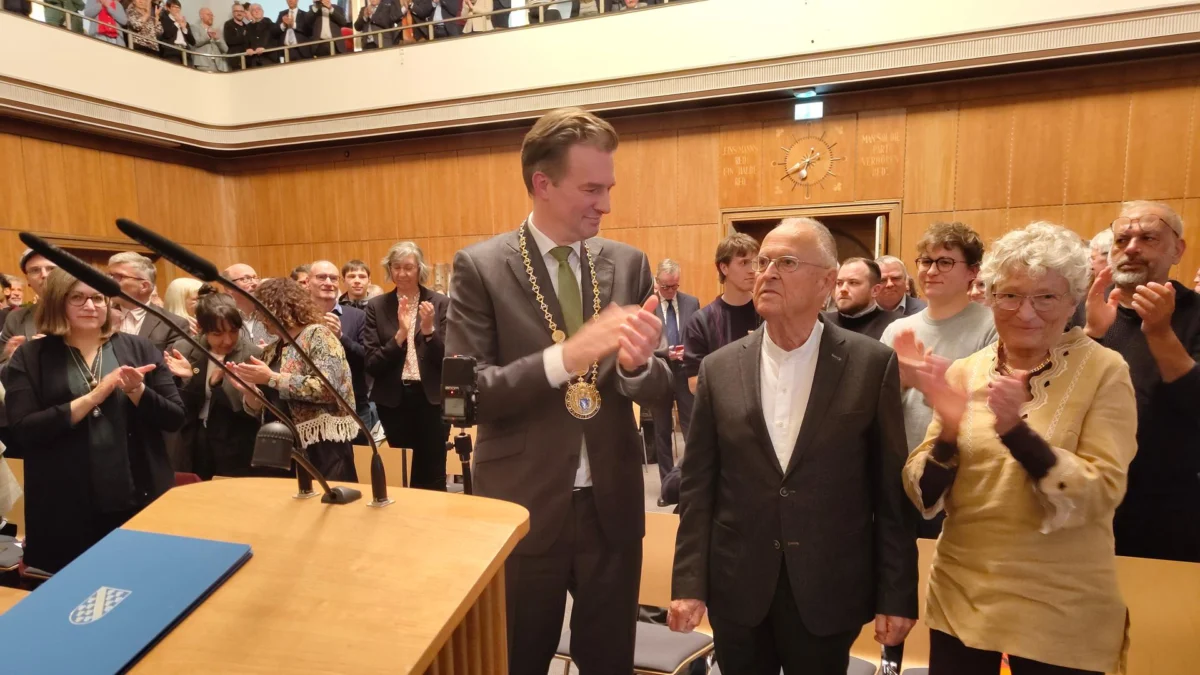
The opening was marked by a significant moment of recognition: Hessian Minister President Boris Rhein (CDU) utilized the platform to present the hr-Sinfonieorchester with the Hessian Culture Prize. In his opening address, Rhein captured the essence of the event: "The Rheingau Musik Festival is a love letter to culture, to our beautiful Rheingau region, to our strong state of Hesse, and to music itself. Here, music is not merely performed; it is lived."
Chronology of a Musical Odyssey
The festival’s structure is designed as a journey through genre and geography. Following Saturday’s opening, the momentum shifted to the Kurhaus Wiesbaden on Sunday. This second inaugural event featured the "Artist in Residence" for 2026, the Japanese piano sensation Hayato Sumino.
Sumino, a figure who represents the new wave of classical musicians, bridges the gap between the concert hall and the digital world with his 2.2 million social media followers. His interpretation of Sergei Rachmaninoff’s 2nd Piano Concerto was a sold-out triumph, signaling the high demand for this year’s curated lineup.
The festival schedule is meticulously crafted to unfold over the coming months:
- Late June to Early September: The core of the festival, featuring performances in landmark sites such as Schloss Johannisberg, Schloss Vollrads, and Kloster Eberbach.
- The "Side-by-Side" Climax: Looking ahead to November 29, the festival will conclude its major orchestral focus with a unique collaboration between the Landesjugendsinfonieorchester Hessen and the hr-Sinfonieorchester, performing Beethoven and Sibelius at the Kurhaus Wiesbaden.
- Expanding Horizons: The festival has expanded its geographical reach for 2026, hosting events in the Theater Rüsselsheim, the Erlöserkirche in Bad Homburg, and the Tattersall in Wiesbaden for the first time.
Spotlight on the United Kingdom: A Cultural Exchange
A defining theme for the 2026 edition is the "Country Focus: Great Britain." The organizers have curated a program that highlights the depth of the British musical tradition, ranging from sacred choral music to modern orchestral excellence.
The Academy of St Martin in the Fields, serving as the "Orchestra in Residence," leads a contingent of British talent that includes the acclaimed vocal ensemble VOCES8, the Royal Scottish National Orchestra, and the Aurora Orchestra. For enthusiasts of choral music, the inclusion of the Tenebrae Choir and The King’s Singers offers a rare opportunity to hear some of the world’s most precise vocal harmonies in the acoustic perfection of Rheingau’s historic churches. Soloists such as Ian Bostridge, Jess Gillam, and Kit Armstrong further round out this tribute to British artistry.
Supporting Data and Organizational Scale
Behind the scenes, the Rheingau Musik Festival is a logistical marvel. Operating on a budget of eight million euros, the festival maintains a lean fiscal profile regarding public subsidies; the state of Hesse provides a traditional grant of 25,000 euros, meaning the vast majority of the financial burden is carried by ticket sales, private sponsors, and donors.
With over 130,000 tickets available, the festival is a massive economic engine for the region. The high demand is evident: key performances were snapped up mere hours after the February 19th ticket launch. The human infrastructure supporting this endeavor is equally vast, with more than 3,000 individuals—ranging from world-renowned soloists to local stage crews—involved in the execution of the 158 scheduled events.
Artistic Breadth: From Jazz to Digital Natives
While the core of the festival remains rooted in classical traditions, the 2026 program is notable for its refusal to be boxed into a single genre. Hayato Sumino’s residency, for example, includes seven distinct concerts that traverse classical, jazz, and original compositions. His "concert in the standing room" in Wiesbaden represents a departure from the formal norms of classical recitals, designed to engage a younger, more dynamic audience.
Other notable performers include:
- Jazz and Cross-Genre: The inclusion of jazz trombonist Nils Landgren and pianist Michael Wollny ensures the festival remains relevant to contemporary jazz fans.
- Global Virtuosity: Israeli mandolinist Avi Avital, American violinist Joshua Bell, and Austrian cellist Julia Hagen provide the international classical pedigree that festival-goers have come to expect.
- Broad Appeal: The presence of figures like Rufus Beck, Martina Hill, and Eckart von Hirschhausen highlights the festival’s commitment to being a holistic cultural event rather than an elitist enclave.
Implications for the Future of Classical Music
The success of the Rheingau Musik Festival in 2026 offers several insights into the future of the classical performing arts. First, the importance of "Digital Natives" like Hayato Sumino cannot be overstated. By integrating artists who command massive social media followings, the festival effectively brings a new demographic into historic venues.
Second, the festival proves that "Site-Specific" experiences remain a competitive advantage. In an era of digital streaming, the experience of hearing a symphony in a centuries-old monastery or a private wine estate remains an irreplaceable luxury. The expansion into new venues like the Tattersall in Wiesbaden shows that the festival is not static; it is constantly hunting for new acoustic environments to surprise its audience.
Finally, the festival’s focus on international partnerships—this year with Great Britain—provides a structured way to introduce audiences to new repertoires and ensembles, preventing the program from becoming stagnant.
Official Resources and Access
For those unable to attend in person, the festival has invested heavily in broadcasting. The opening concert in the Kloster Eberbach is available as a video-on-demand service, and subsequent performances—including Sumino’s sold-out Kurhaus concert—will be broadcast via ARTE and other cultural media partners.
As the summer progresses, the festival serves as a vital reminder of the endurance of the arts. Despite the challenges of modern logistics and the shifting landscape of entertainment, the Rheingau Musik Festival continues to thrive, sustained by a delicate balance of regional pride, global talent, and an unwavering commitment to the transformative power of live music. Whether through the soaring melodies of a trumpet in a stone-walled nave or the rhythmic ingenuity of a modern piano prodigy, the 2026 festival is, as Boris Rhein suggested, a living, breathing testament to the vitality of the human spirit.