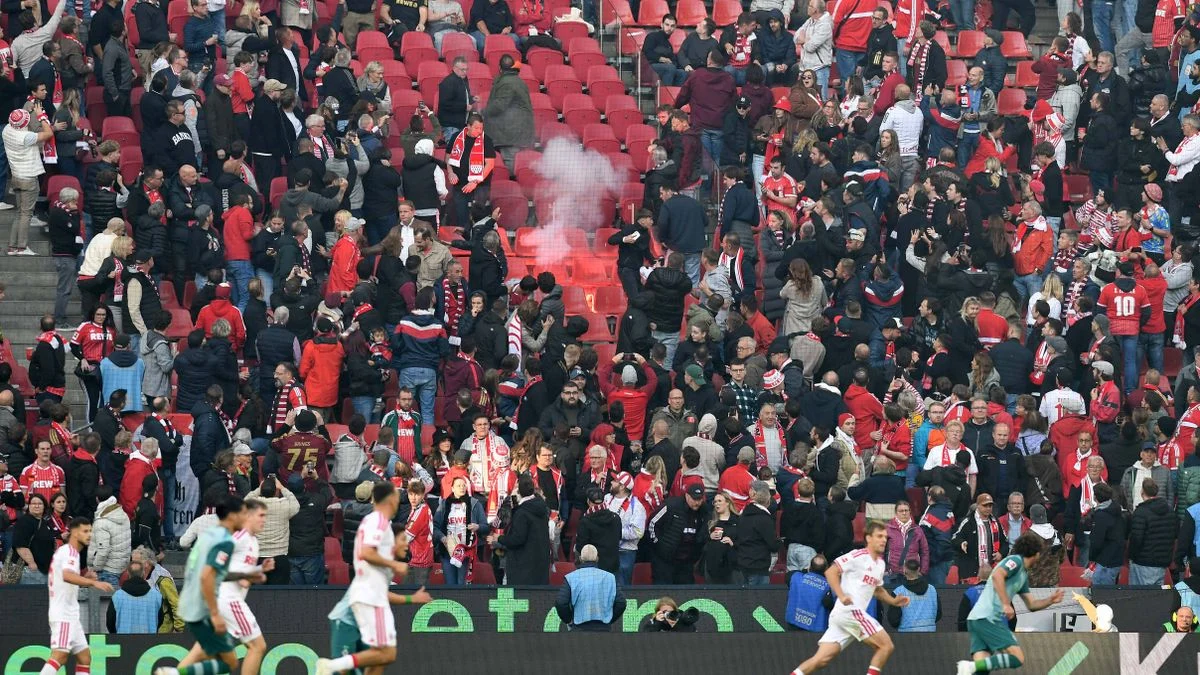
The air at Anfield is rarely hospitable to visiting teams, but for Manchester City’s recent excursion to Merseyside, the atmosphere was not merely competitive—it was venomous. Amidst the ongoing fallout from the seismic financial scandal currently rocking the Premier League, City arrived at the iconic stadium to find themselves the target of a sustained, visceral protest from the Liverpool faithful. While the visitors emerged with a clinical 3-0 victory, the narrative surrounding the match was defined as much by the banners in the stands as by the goals on the pitch.
The Context: A League in Crisis
The backdrop to this encounter is arguably the most significant financial investigation in English football history. Manchester City remains under intense scrutiny regarding alleged breaches of financial regulations over a period spanning nearly a decade. For rival supporters, the charges—which include allegations of inflated sponsorship revenues and hidden payments—have cast a long shadow over the club’s recent dominance.
At Anfield, the indignation was palpable. Fans displayed an array of placards and banners, turning the stadium into a theater of protest. Slogans such as "Ye Titles are Jarg, ye History is Fake" served as a blunt indictment of the legitimacy of City’s trophy cabinet. Every touch by a Manchester City player was met with a chorus of deafening whistles and jeers, a clear signal that the hostility transcends mere sporting rivalry.
The Cultural War: Oasis Parodies and Anfield Wit
The protest took a distinctly musical turn, drawing on the cultural identity of Manchester’s most famous sons: the Gallagher brothers. Noel and Liam Gallagher, founding members of Oasis and perhaps the world’s most recognizable Manchester City supporters, saw their lyrics weaponized against their club.
One banner, draped prominently in the Kop, read: "All your stars are fading away," a pointed subversion of the Oasis ballad "Stop Crying Your Heart Out." Another sign offered a biting parody of the band’s global anthem "Wonderwall": "& after all, you really robbed us all." The irony was not lost on those in attendance, particularly given that Noel Gallagher was present in the stands, witnessing firsthand the creative derision his club’s success has inspired.
Conversely, the traveling Manchester City support, ever the defiant underdogs in their own historical narrative, brandished inflatable bananas. This eccentric tradition, dating back to the club’s lean years in the second division during the 1980s, serves as a symbolic middle finger to the establishment—a reminder that despite their current wealth, the club’s roots are embedded in a history of struggle.
Chronology of a Decisive Encounter
For the first hour, the narrative seemed to be trending in favor of the protestors. Liverpool, under manager Andoni Iraola, kept the visitors at bay with disciplined defensive work. The game was a tight, tactical affair, with Manchester City struggling to penetrate a stubborn Liverpool backline.
The turning point, however, arrived in the 63rd minute. Ryan Gravenberch, already on a yellow card, committed a challenge that left the referee with no choice but to issue a second caution, reducing Liverpool to ten men. The collapse was immediate and absolute.
Capitalizing on the numerical advantage, Manchester City’s quality finally shone through. Erling Haaland broke the deadlock in the 65th minute, silencing the immediate vicinity of the away end. Just three minutes later, Jeremy Doku doubled the lead with a devastating burst of pace, and by the 78th minute, Rayan Cherki added a third, effectively ending any hopes of a Liverpool comeback. Manager Enzo Maresca, whose tactical discipline has been the hallmark of City’s season, watched as his side dismantled a demoralized Liverpool in a clinical twenty-minute window.
Supporting Data: The Table Tells a Different Story
While the protests highlight the moral and legal questions surrounding the club, the cold, hard statistics present a picture of undeniable sporting excellence. Manchester City’s victory at Anfield secured their sixth win in six matches, placing them firmly at the summit of the Premier League table. They currently hold a three-point lead over reigning champions Arsenal, signaling their intent to reclaim the title.
For Liverpool, the statistics are far less flattering. Despite the presence of high-profile talent like the German international Florian Wirtz, who struggled to make an impact in this encounter, the team finds itself in a precarious position. This loss marked their first of the season, leaving them languishing in ninth place with only two victories from their opening six games. The transition period under Iraola is proving to be a difficult adjustment for a club accustomed to fighting for the highest honors.
Official Responses and Internal Tensions
Following the match, the focus shifted from the pitch to the press room. Manchester City’s hierarchy remains steadfast in their public stance, maintaining that the club has complied with all Premier League regulations and that the allegations are based on misunderstandings of their financial structure.
Manager Enzo Maresca, when pressed on the hostile reception and the ongoing scandal, remained stoic. "We are professionals," he stated during the post-match conference. "Our job is to play football. The noise outside the stadium is something we cannot control. We focus on the points, the performance, and the growth of the team."
On the Liverpool side, Andoni Iraola expressed his frustration not with the atmosphere, but with the discipline of his players. "The red card changed everything," he admitted. "Against a team of City’s quality, you cannot afford to play with ten men. We were in the game until that moment, but the composure we showed in the first half disappeared under the pressure."
The Implications: A Season of Unrest
The events at Anfield signify a broader, deeper tension within English football. As the legal processes regarding the financial scandal drag on, the "hostile away ground" phenomenon is likely to escalate. Clubs like Manchester City are becoming pariahs in the eyes of rival fanbases, and the Premier League finds itself in a delicate position: it must uphold the integrity of its competition while managing the fallout of an investigation that could fundamentally alter the landscape of the sport.
For Manchester City, the path forward is clear: they must win. Every trophy they lift, every record they break, will be met with skepticism and vitriol by those who believe the foundation of their success is built on deceit. The team, however, seems to be using this external pressure as fuel. By remaining perfect in the league, they are creating a defensive perimeter of performance that is currently impenetrable.
As the season progresses, the question will remain: can the club’s sporting success outweigh the weight of its legal challenges? For now, the players are doing their part, ignoring the banners and the songs to secure victories. But the cultural divide is growing wider. The Premier League is currently a stage for two parallel narratives: one of sporting brilliance, and one of institutional suspicion.
The match at Anfield was not merely a fixture in the calendar; it was a snapshot of a league at a crossroads. As the final whistle blew and the away fans celebrated, the contrast between the jubilant traveling contingent and the angry, disillusioned home crowd served as a potent reminder of the fragility of football’s social contract. Manchester City may be winning the games, but the battle for the sport’s soul is far from over.