As the Deutsche Bahn moves toward a nationwide ban on alcohol consumption across its 5,400 stations, the debate over public safety, personal liberty, and the feasibility of enforcement has reached a fever pitch. With violence at transit hubs hitting record levels, can a "dry" platform policy truly turn the tide?
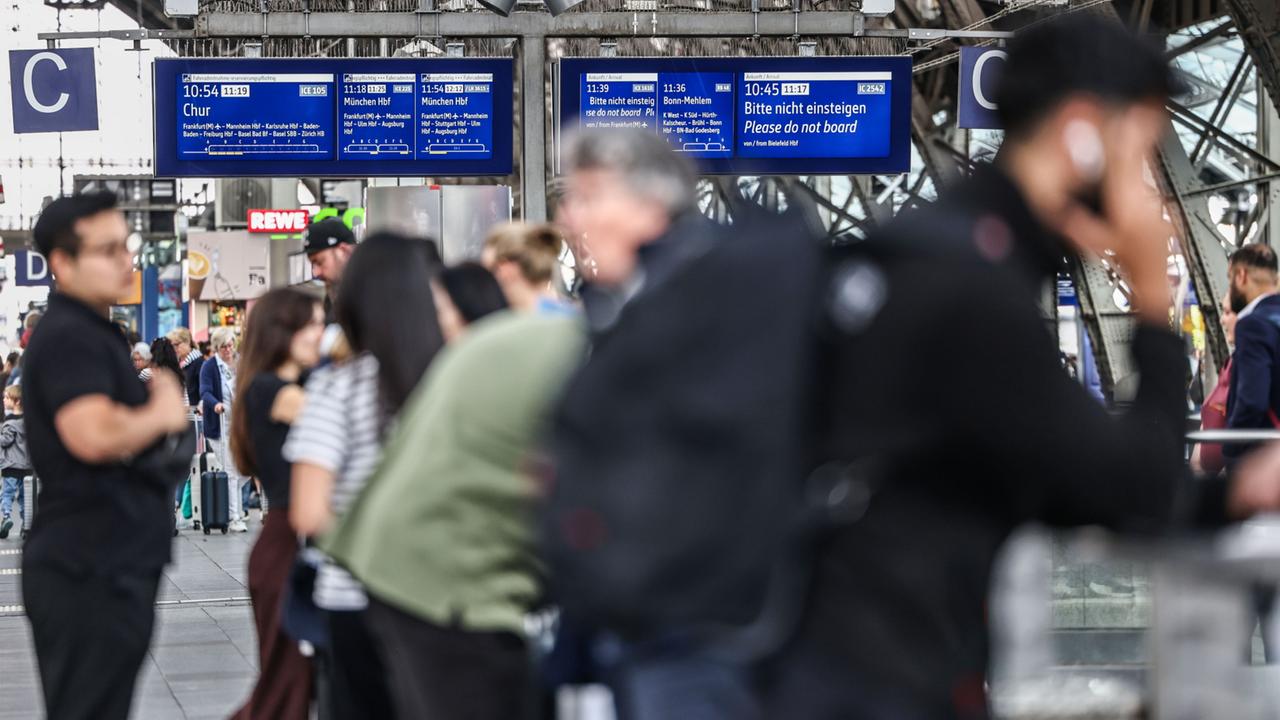
The Cologne Central Station, a bustling artery of European travel, is often a sensory overload. For commuters, it is a transit point; for tourists, a gateway; but for many locals, it has increasingly become a site of anxiety. "You feel unsafe when there is heavy alcohol consumption at the stations, especially as a woman," says Shirin Thiertges, a frequent traveler in Cologne. Her sentiment is echoed by many who pass through the station’s cavernous halls. For those arriving in the city, the sight of individuals visibly intoxicated as early as breakfast time is a jarring introduction to the city, often marring the experience of travel before it has truly begun.
In response to a growing trend of disorder and physical altercations, the Deutsche Bahn (DB) is set to implement a sweeping policy: a ban on alcohol consumption across all 5,400 railway stations in Germany. While the measure aims to replicate the "success" seen in pilot programs in cities like Hamburg, it faces significant scrutiny regarding its logistics, its scope, and whether it effectively addresses the root causes of station-based violence.
The Escalating Crisis: Violence at Germany’s Hubs
The push for an alcohol-free environment is not born of moralizing, but of necessity. In 2025, the German Federal Ministry of the Interior recorded a staggering 27,000 violent incidents occurring within train stations and aboard trains. While the official statistics do not explicitly categorize these crimes by alcohol consumption, the anecdotal and operational evidence is overwhelming.
The human cost of this violence is borne disproportionately by railway staff. Last year, the Deutsche Bahn reported more than 3,000 attacks on its employees. One particularly harrowing incident involved a conductor who suffered life-threatening injuries after an altercation with an allegedly intoxicated passenger. Such events have pushed the issue to the top of the national security agenda, transforming the railway station from a service utility into a high-stakes arena of public policy.
A Chronology of Policy Shifts
The journey toward a nationwide ban has been incremental, characterized by trial-and-error at the municipal level:
- 2024 (The Hamburg Model): Hamburg became a testing ground for the ban. Initial reports from the city suggested a positive reception, with authorities noting a measurable decrease in rowdiness and aggressive behavior. This "Hamburg experience" became the primary argument for the Deutsche Bahn’s board to propose a national rollout.
- April 2026: Cologne Central Station implemented a strict local alcohol ban. Under the rules, individuals caught consuming alcohol on platforms or within station buildings risk being ejected by security personnel. Repeat offenders face a formal ban from the premises.
- July 2026: The Deutsche Bahn officially announced its intention to extend this policy to all 5,400 stations across Germany, with a phased implementation concluding by October 15, 2026.
- Ongoing: Critics and civil liberties groups have begun to raise questions regarding the legal enforcement of the ban, particularly in the context of private versus public space.
The Regulatory Paradox: Where Does the Ban Stop?
One of the most contentious aspects of the Deutsche Bahn’s plan is its inherent inconsistency. The ban applies to the platforms and the station buildings, but it does not extend to the trains themselves. Furthermore, the commercial shops and restaurants located within the station precincts will retain the right to sell alcohol.
This "hybrid" approach has drawn sharp criticism from stakeholders, including the passenger advocacy group Pro Bahn. Detlef Neu, a representative for the organization, argues that the policy is fundamentally flawed. "If you are going to implement an alcohol ban, it must be comprehensive," Neu states. "It makes little sense to forbid a beer on the platform while allowing it inside the bistro of an ICE train or at a kiosk inside the station lobby."
The inconsistency creates a logistical nightmare for enforcement. If a passenger buys a beverage legally at a licensed station shop, are they in violation of the rules the moment they step onto the platform? The potential for confusion and selective enforcement is high, threatening to undermine the very sense of order the policy intends to foster.
Enforcement: The Personnel Gap
Beyond the logic of the rules lies the stark reality of manpower. The Deutsche Bahn currently employs approximately 5,000 internal security staff, who work in tandem with 4,500 federal police officers. While these numbers sound significant, they are spread across thousands of stations, many of which are unmanned for large portions of the day.
"In smaller stations, the idea of 24/7 monitoring is an illusion," says Neu. "It is simply not feasible to have the necessary personnel to enforce this consistently."
The skepticism is shared by political figures as well. Federal Minister of the Interior Alexander Dobrindt (CSU) has labeled the ban a "discussion-worthy proposal" but has openly questioned the practical application. "The enforcement of such a ban is problematic," he noted, highlighting the tension between the desire for safety and the limitations of state and corporate resources.
For the average commuter, the gap between policy and reality is already visible. Despite the ban in Cologne having been in place for three months, many travelers remain unaware of it. During match days for local football clubs or major events like the Cologne Carnival, the station is flooded with thousands of people. In these high-density scenarios, the enforcement of an alcohol ban becomes a secondary concern to basic crowd control, rendering the policy largely symbolic.
Implications for the Future of Public Transport
The move by the Deutsche Bahn reflects a broader European trend of "defensive architecture" and policy-based control in public spaces. As society grapples with rising levels of antisocial behavior, the railway station has become a focal point for the struggle to maintain public order.
The Psychological Impact
The presence of alcohol-related disorder creates a "broken windows" effect, where the environment feels neglected and unsafe, which in turn deters families and commuters from using rail services. If the ban succeeds in curbing the most egregious displays of intoxication, it may lead to an increase in the perceived safety of rail travel, potentially boosting ridership.
The Socio-Economic Trade-off
There is a fine line between creating a safe environment and alienating sections of the public. Critics argue that a ban could disproportionately target the marginalized—specifically the homeless and those struggling with addiction—without offering them support or alternative spaces. There is a fear that the ban will simply displace the problem to the streets immediately surrounding the station, rather than solving the underlying issues of substance abuse.
The Technological Path Forward
As the October 15 deadline approaches, the Deutsche Bahn will likely rely on a combination of increased surveillance technology and a heightened security presence to give the policy teeth. However, without a fundamental change in the social dynamics of the stations—perhaps through increased social outreach programs and better-lit, more monitored public spaces—a ban alone may prove to be a blunt instrument.
Conclusion
The Deutsche Bahn’s endeavor to create a "dry" rail network is a bold, if controversial, attempt to reclaim the station environment. While the initiative is clearly motivated by a genuine need to protect both staff and passengers from rising violence, the path to implementation is fraught with contradictions.
Whether this policy will result in a genuine reduction in crime or merely serve as a point of contention between commuters, security forces, and the railway operator remains to be seen. As the October rollout approaches, the German rail network stands at a crossroads, attempting to balance the rights of the individual with the collective need for a safe and orderly public space. One thing is certain: for a policy that aims to sober up the rail network, the debate surrounding it is only just beginning to intoxicate the national conversation.