In a bold move that threatens to ignite a firestorm in European politics, a group of high-profile economists and legal experts has called for the complete abolition of all agricultural subsidies. The proposal, issued by the influential "Kronberger Kreis," challenges the long-standing status quo of the European Union’s agricultural policy and explicitly rejects the necessity of self-sufficiency as a pretext for state intervention.
Main Facts: The End of the Subsidy Era?
The proposal, published in late October 2026, is a direct challenge to the financial architecture of the European Union. The Kronberger Kreis—the scientific advisory board to the Foundation for Market Economy—argues that the current system of agricultural support is economically irrational and structurally flawed.
Lars Feld, the former chairman of the German Council of Economic Experts and current spokesperson for the group, stated bluntly: "There is no compelling economic justification for this level of state intervention." According to the experts, while specific, targeted measures to address genuine market failures—such as environmental protection or biodiversity conservation—may be valid, the existing system of sweeping, sector-wide subsidies is an antiquated instrument that distorts competition and hampers innovation.
The group, which includes heavyweights like Ifo Institute President Clemens Fuest and former Monopolies Commission head Justus Haucap, is positioning this report as a "wake-up call" ahead of the critical EU negotiations for the 2028–2034 multi-annual financial framework. They argue that this period offers a narrow window of opportunity to pivot away from a subsidy-dependent model toward a truly market-driven agricultural sector.
Chronology: From Farm Protests to Academic Confrontation
To understand the gravity of this proposal, one must look at the recent history of European agricultural policy.
- December 2023: The German "Traffic Light" coalition government proposes the gradual phase-out of tax concessions for agricultural diesel.
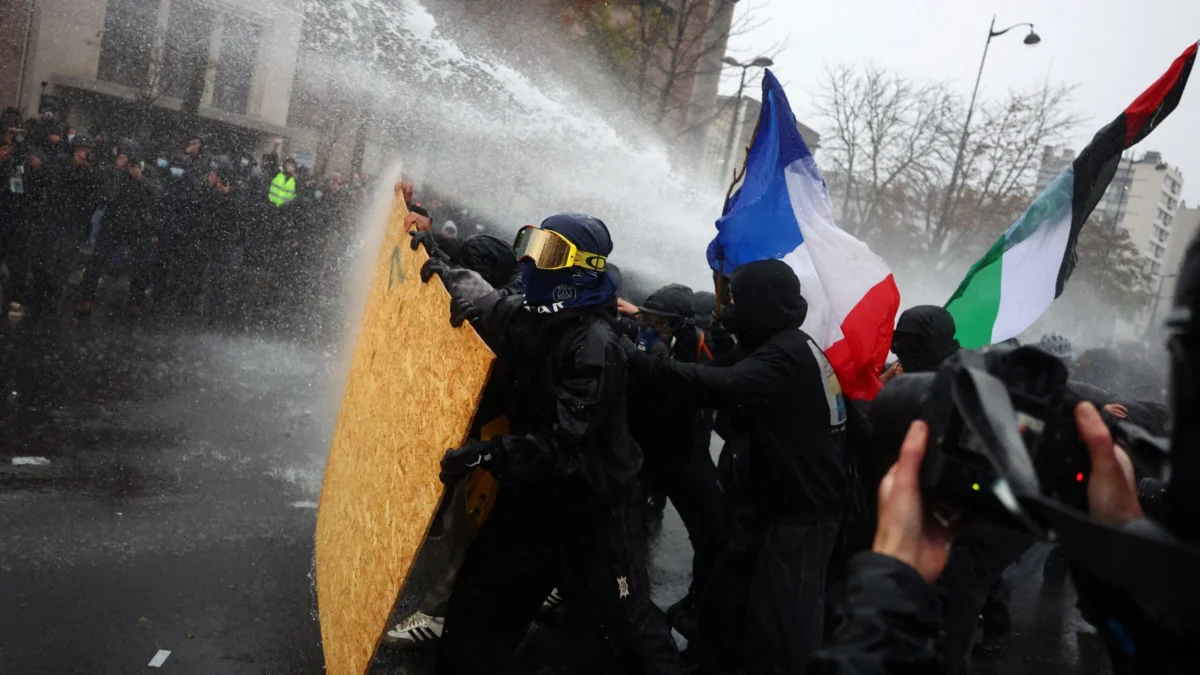
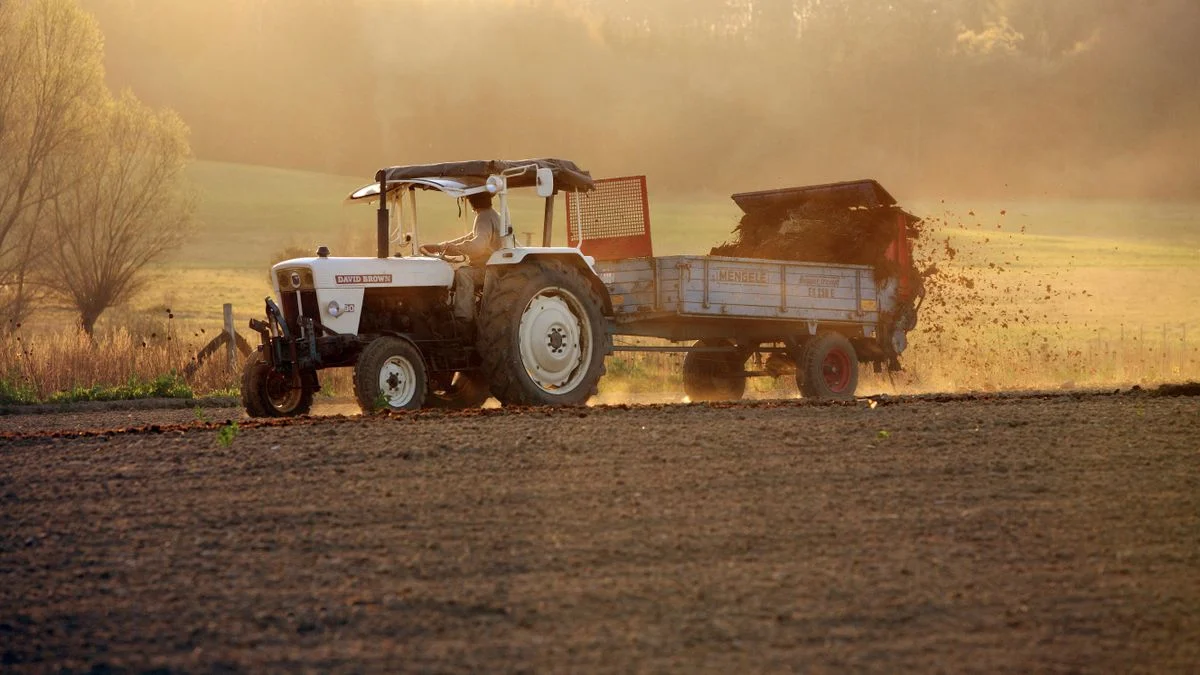
- January–March 2024: The proposal triggers massive, nationwide protests. Thousands of tractors descend on Berlin, blockading highways and city centers. The intensity of the protests forces the government to backtrack.
- January 2026: Full reimbursement for agricultural diesel is reinstated, signaling a victory for the farming lobby and a defeat for austerity-focused policymakers.
- October 22, 2026: The Kronberger Kreis releases its study, effectively reopening the debate that the government had sought to bury earlier in the year. The report explicitly references the "success" of the protesters, using it as an example of how political pressure—rather than economic logic—currently dictates the flow of public funds.
The timing is far from coincidental. With the EU’s multi-annual budget for 2028–2034 under negotiation, the experts argue that the time for "business as usual" has passed. They are challenging the political establishment to stop viewing farm subsidies as an untouchable "given" and to start treating them as an inefficient drain on the taxpayer.
Supporting Data: A Sector on Artificial Life Support
The numbers provided by the Kronberger Kreis paint a stark picture of a sector that has become profoundly dependent on state largesse. In Germany, agricultural subsidies from the EU, the federal government, and the individual states amount to more than €10 billion annually.

The report highlights two particularly damning statistics:
- Dependency Ratio: Over the past five years, state transfers have accounted for approximately 42% of total agricultural income in Germany.
- Economic Contribution: Despite this massive financial support, the agricultural sector contributes less than 1% to the nation’s total gross value added.
Clemens Fuest argues that these figures demonstrate a fundamental misalignment of priorities. The group contends that if the agricultural sector were forced to operate on market terms, it would be compelled to innovate, increase efficiency, and consolidate—leading to a more robust, albeit smaller, sector. They point to Australia and New Zealand as real-world examples. In the 1980s, New Zealand underwent a "shock therapy" reform, stripping away almost all agricultural subsidies. While the transition was painful and saw many small, inefficient farms close, the resulting industry is now considered among the most efficient and competitive in the world.
Addressing the "Food Security" Fallacy
A cornerstone of the pro-subsidy argument has always been "food security"—the notion that a nation must be able to feed itself to remain sovereign. The Kronberger Kreis categorically rejects this as an economic fallacy.
"Supply security does not rely on the highest possible national self-sufficiency quotas," Fuest explained during the presentation of the report. Instead, the experts argue that true security is built on three pillars:
- Open Markets: Ensuring trade flows are not disrupted by protectionist policies.
- Diverse Sourcing: Relying on a global network of suppliers rather than a single domestic source.
- Crisis Preparedness: Maintaining strategic reserves and contingency plans for genuine emergencies, rather than subsidizing daily production.
By shifting the focus from "production at any cost" to "resilient supply chains," the experts argue that the government could save billions while actually improving the country’s long-term ability to weather global food crises.
Official Responses and Political Implications
The political reaction has been one of immediate tension. The agricultural lobby in Berlin and Brussels is already mobilizing, framing the proposal as an "attack on the rural population."
Justus Haucap, an expert known for his no-nonsense approach to competition, anticipated this backlash. "We have gotten away from even talking about the principles," he remarked. "We have become accustomed to the idea that it is ‘God-given’ that agriculture is subsidized."

The report also touches on the sensitive issue of international trade. The economists note that many promising Free Trade Agreements (FTAs) have been derailed by the lobbying power of the agricultural sector, even when those agreements would have provided significant benefits to the wider economy and consumers.
When asked about the potential for social unrest—echoing the tractor protests of 2024—Fuest remained firm but realistic. He proposed that any move toward full abolition must be managed through clearly defined transition phases. "We cannot design our subsidies based on who burns the most tires or who is the most radical," Fuest stated. "Policy must be guided by economic principles, not by the threat of blockade."
The Road Ahead: A Structural Shift
The members of the Kronberger Kreis—including Lars Feld, Clemens Fuest, Justus Haucap, Volker Wieland, Berthold Wigger, and tax law expert Johanna Hey—are calling for a fundamental reassessment of the social contract between the state and the farmer.
For the agricultural sector, the path suggested is one of high-stakes transition. The experts recommend:
- Phased Reduction: A clear, legally binding schedule for the reduction of direct income supports.
- Focus on Externalities: Converting remaining funds into payments for specific, measurable environmental services (e.g., carbon sequestration, water quality improvement), rather than production-linked subsidies.
- Market Integration: Strengthening integration into global markets to allow for price signals to dictate production levels.
- Deregulation: Removing bureaucratic hurdles that currently trap farmers in a cycle of regulatory compliance in exchange for subsidy eligibility.
Conclusion: A Test for the EU
As the EU prepares its 2028–2034 budget, the proposal from the Kronberger Kreis serves as a formidable intellectual challenge to the status quo. Whether the political class has the courage to engage with these arguments or will once again retreat in the face of populist pressure remains to be seen.
One thing is certain: the debate over agricultural subsidies has moved from the fringes of economic theory to the center of the political stage. The Kronberger Kreis has laid down a gauntlet, forcing a conversation that many politicians have spent decades avoiding. As the continent faces increasing pressure to reform its budgets in the face of defense needs, climate change, and digitalization, the "sacred cow" of agricultural subsidies may finally be facing its reckoning.