By Our Cultural Correspondent
COLOGNE, Germany – The German television industry converged on Cologne this week for the 2026 German Television Awards, an annual gala typically characterized by glamour, industry networking, and the celebration of creative excellence. However, this year’s ceremony—the 27th iteration of the prestigious event—evolved into a powerful forum for socio-political discourse. Amidst the celebration of 29 awards spanning traditional broadcast and streaming, the evening was defined by a recurring theme: a fervent defense of democratic values and the protection of minority rights in an increasingly polarized climate.
The Main Facts: A Night of Recognition and Resonance
The 2026 German Television Awards saw a broad distribution of honors across the shifting landscape of modern media. Traditional powerhouses like the ARD and ZDF were joined by global streaming giants such as Netflix and Disney+, underscoring the industry’s hybrid future.
The highlight of the evening was arguably the triumph of the ZDF biopic Olivia, which depicts the life and struggles of the iconic German drag performer Olivia Jones. Taking home the award for Best Television Film, the production became the focal point for the evening’s most poignant political messaging. Johannes Hegemann, who portrayed the legendary entertainer, used his acceptance speech to deliver a stark warning about the rising tide of intolerance.
In the realm of entertainment and talk television, industry veterans and established stars secured top honors. Markus Lanz, the face of his eponymous ZDF talk show, claimed the award for "Best Information." Stefan Raab, a titan of German entertainment, added another trophy to his collection for his work on Wer weiß wie wann was war? (RTL), while Laura Wontorra was recognized as "Best Moderator" for her dynamic performance on Deutschland sucht den Superstar (RTL).
A Chronology of the Gala
The evening began with the typical red-carpet fanfare, but the tone shifted once the ceremony commenced. As the winners took to the stage, the focus quickly moved from professional achievement to the societal obligations of those who influence public discourse.
- Early Evening: The awards for comedy and series were dominated by the ZDFneo production Chabos, which earned the title of Best Comedy Series. The young ensemble behind the show was also honored with the Promotion Prize, signaling a generational shift in German humor.
- The Prime Hours: As the ceremony progressed into the categories for "Best Information" and "Best Entertainment," the speeches became increasingly reflective. Markus Lanz’s victory speech served as a stabilizing anchor for the evening. He addressed the collective anxiety currently gripping parts of the German populace, urging viewers to reject fear and maintain confidence in the country’s resilience.
- The Climax: The recognition of Olivia shifted the spotlight to the LGBTQI+ community. The acceptance speech by Johannes Hegemann provided the most significant emotional peak of the night, drawing a direct line between the character he portrayed and the current legislative and social climate regarding queer rights.
- The Finale: The ceremony concluded with the presentation of the Lifetime Achievement Award to Peter Kloeppel, the 67-year-old veteran of RTL news. His presence served as a reminder of the long arc of German broadcasting, bridging the gap between traditional news anchors and the digital-first creators of today.
Supporting Data: The Changing Landscape of German Media
The German Television Awards have evolved significantly since their inception in 1999. Originally a venue for the state-run ARD and ZDF networks, the ceremony now reflects a market dominated by competition between private broadcasters (RTL, Sat.1) and international streaming services (Netflix, Disney+, Prime Video).
The 29 awards presented this year highlight a clear trend: the "prestige" project is no longer confined to high-budget historical dramas. Comedy, reality television, and deeply personal biopics are increasingly viewed as the primary vehicles for social critique.
| Category | Winner | Platform |
|---|---|---|
| Best TV Film | Olivia | ZDF |
| Best Information | Markus Lanz | ZDF |
| Best Comedy/Late Night | heute-show extra: Next Stop Köster | ZDF |
| Best Actress | Karin Hanczewski (Call My Agent Berlin) | Disney+ |
| Best Actor | Tom Schilling (Achtsam Morden) | Netflix |
The inclusion of international players like Disney+ and Netflix highlights the globalization of German content. Karin Hanczewski’s win for Call My Agent Berlin serves as a testament to the success of localizing global formats, while Tom Schilling’s award for the black comedy Achtsam Morden demonstrates the industry’s appetite for genre-bending content that pushes the boundaries of traditional linear programming.
Official Responses and Political Statements
The most defining aspect of the 2026 awards was the degree to which artists felt compelled to take a political stance.
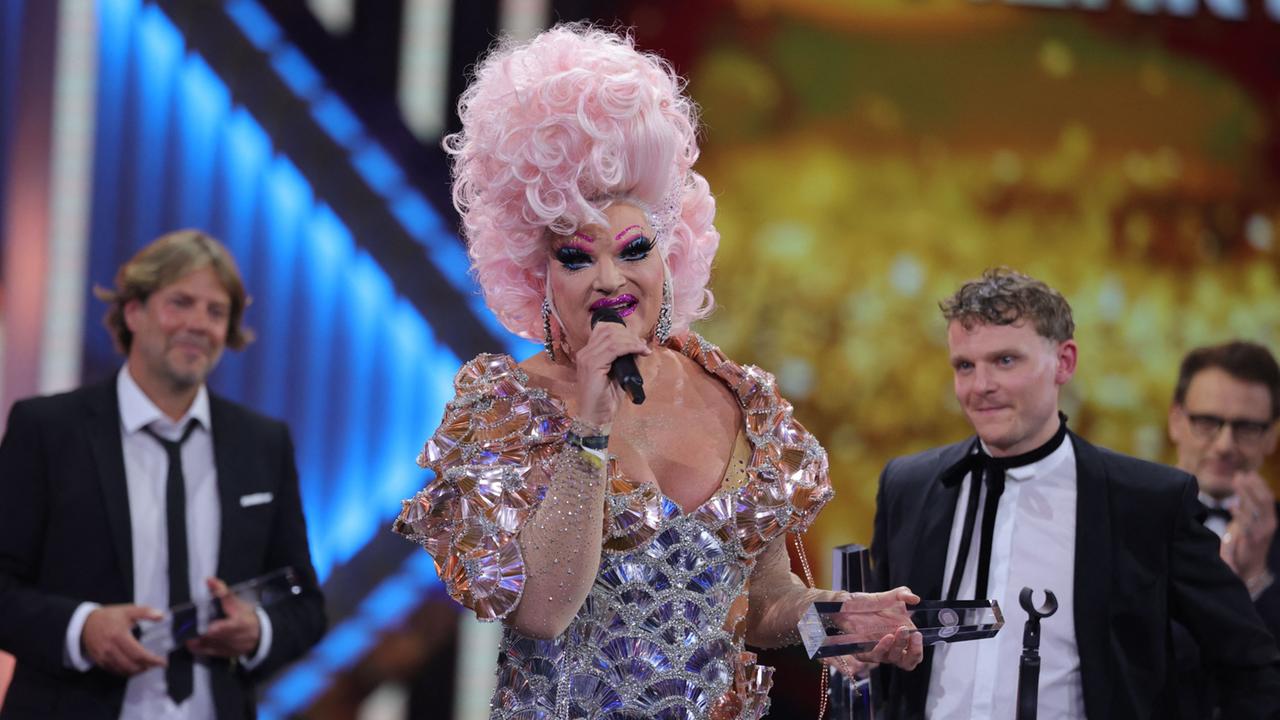
Fabian Köster, winner of the "Best Comedy/Late Night" award for heute-show extra: Next Stop Köster, offered one of the most direct challenges to the status quo. In his speech, he called upon the television industry to stand as a bulwark against hate speech and the erosion of democratic institutions. "We must be loud against the enemies of democracy," Köster remarked, receiving a standing ovation that resonated throughout the Cologne venue.
The sentiment was echoed by Johannes Hegemann, who spoke on behalf of the team behind Olivia. Hegemann highlighted that for many in the LGBTQI+ community, the current political environment feels increasingly hostile. "Queer people are being turned into political targets," Hegemann stated. "Visibility is not just a performance; it is a necessity for the survival and protection of minorities."
Markus Lanz, while less confrontational than his counterparts, touched on the psychological state of the nation. "I meet so many people who are insecure, who are afraid," he noted. "Do not be afraid! What is currently breaking down, we will eventually build back up with ease."
Implications: The Role of Television in 2026
The 2026 German Television Awards will be remembered not merely for who took home the trophies, but for the explicit acknowledgement that the "Fourth Estate" is under pressure.
1. The Responsibility of the Entertainer
The shift in rhetoric suggests a change in the professional identity of German media figures. Comedians and talk show hosts are no longer just seeking to entertain or inform; they are positioning themselves as defenders of the democratic consensus. By using their platform to speak against extremism, these individuals are setting a new standard for their industry.
2. The Intersection of Art and Activism
The success of Olivia demonstrates that the German audience and critics are increasingly valuing projects that explore the human experience through the lens of marginalized identities. This indicates a maturing television market that is willing to invest in stories that challenge the viewer’s worldview rather than simply reinforcing it.
3. The Future of the "Gala" Format
As streaming platforms gain a larger share of the awards, the future of the traditional broadcast gala is evolving. The collaborative nature of the award (supported by ARD, ZDF, RTL, and others) proves that despite intense competition for subscribers and viewers, the industry remains united in its effort to promote the value of high-quality, domestic, and European production.
4. The Political Climate
The subtext of every major speech was the current state of German politics. With the industry clearly aligning itself with the values of liberal democracy, diversity, and the protection of minorities, the television sector has firmly planted itself in opposition to the populist rhetoric currently gaining traction in various parts of the country.
As the lights dimmed in Cologne and the winners headed home, the message left behind was clear: in 2026, the German television industry is not merely a reflection of the culture; it is an active participant in shaping the national discourse. Whether this shift towards vocal activism will translate into higher engagement or a further divide in the audience remains to be seen. However, one thing is certain—the era of the "neutral" television award show has come to an end.